START HERE
Why visit Yellowstone National Park
Yellowstone National Park rewards travelers who combine geysers, hot springs, broad valleys, waterfalls, lakes, and responsibly viewed wildlife with enough time for boardwalk loops, ranger programs, roadside picnics, and patient dawn or dusk observation. It is especially rewarding for wildlife, geology, road trips, families, hiking, photography, and national parks. The park is enormous; road work, wildlife traffic, snow, thermal hazards, and limited rooms make a single central checklist unrealistic. Old Faithful or West Yellowstone is the most balanced first base, Canyon Village offers central loops and waterfalls, and Mammoth or Gardiner suits visitors prioritizing northern wildlife days. This guide explains arrival choices, local transportation, seasonal trade-offs, five priority experiences, six-part costs in USD, and a practical 4–5 days route. Before paying for a Yellowstone National Park booking, confirm current weather limits, closures, permits, rental car, and timed entry through an official source.
AT A GLANCE
Yellowstone National Park quick travel summary
For Yellowstone National Park, national park vehicle entry us$35, valid seven days. Yellowstone National Park estimates can exclude taxes; verify See Old Faithful and Upper Geyser Basin fees, card charges, transport, and seasonal supplements.
WHEN TO GO
Best time to visit
Spring (March–May)
Across Yellowstone National Park, expect unpredictable cold, rain, snow at elevation, and gradually opening roads; conditions near See Old Faithful and Upper Geyser Basin can vary. Crowd and price pressure is low to moderate. For Yellowstone National Park, the strongest reason to travel then is waterfalls, wildlife activity, and quieter viewpoints; the trade-off is that high trails and seasonal roads may remain closed. Snow, wildfire smoke, road work, thermal ground, wildlife jams, cold water, altitude, and limited fuel or mobile service can still change a carefully planned day, so retain one lower-risk alternative and check official forecasts, road or marine notices, and reservation calendars shortly before every exposed outing.
Summer (June–August)
Across Yellowstone National Park, expect warm valleys, cool high country, thunderstorms, and possible smoke; conditions near Watch wildlife in Lamar or Hayden Valley can vary. Crowd and price pressure is very high. For Yellowstone National Park, the strongest reason to travel then is the broadest road, shuttle, trail, and lodging access; the trade-off is that crowds, heat, fire restrictions, and afternoon storms require early movement. Snow, wildfire smoke, road work, thermal ground, wildlife jams, cold water, altitude, and limited fuel or mobile service can still change a carefully planned day, so retain one lower-risk alternative and check official forecasts, road or marine notices, and reservation calendars shortly before every exposed outing.
Autumn (September–November)
Across Yellowstone National Park, expect crisp mornings, mild early afternoons, color, and early snow risk; conditions near Walk Norris or another geothermal basin can vary. Crowd and price pressure is moderate then low. For Yellowstone National Park, the strongest reason to travel then is wildlife, clearer trails, and softer visitor pressure; the trade-off is that services and roads begin closing as nights turn cold. Snow, wildfire smoke, road work, thermal ground, wildlife jams, cold water, altitude, and limited fuel or mobile service can still change a carefully planned day, so retain one lower-risk alternative and check official forecasts, road or marine notices, and reservation calendars shortly before every exposed outing.
Winter (December–February)
Across Yellowstone National Park, expect snow, ice, freezing nights, short daylight, and storm cycles; conditions near Visit the Grand Canyon of the Yellowstone can vary. Crowd and price pressure is low except holidays. For Yellowstone National Park, the strongest reason to travel then is quiet landscapes and selected winter activities; the trade-off is that many routes close and specialist equipment or transport may be required. Snow, wildfire smoke, road work, thermal ground, wildlife jams, cold water, altitude, and limited fuel or mobile service can still change a carefully planned day, so retain one lower-risk alternative and check official forecasts, road or marine notices, and reservation calendars shortly before every exposed outing.
ARRIVING
How to get there
Regional airports at Bozeman, Jackson, Cody, and West Yellowstone connect with long seasonal drives and rental-car constraints. Many visitors arrive overland from Salt Lake City or another western hub. Choose the entrance and first lodge together, carry fuel margins, and check road openings before driving across the park after dark. From Bozeman (BZN), Jackson Hole (JAC), or West Yellowstone (WYS), compare luggage handling and service hours through to Old Faithful or West Yellowstone; the cheapest Yellowstone National Park fare may leave an impractical final connection. For a late Bozeman (BZN), Jackson Hole (JAC), or West Yellowstone (WYS) arrival, get the Yellowstone National Park transfer instructions in writing and decline undocumented rides.
MOVING AROUND
Getting around
A private vehicle or organized tour is the practical default because there is no comprehensive public transit network. Distances are measured in hours, and bison or bear viewing can stop traffic. Divide the park into geyser-basin, canyon, lake, and northern-valley days rather than tracing the full loop daily. Group Old Faithful with Upper and Midway geyser basins, Canyon with Hayden Valley, Mammoth with Lamar Valley, and Yellowstone Lake as a separate corridor. This Yellowstone National Park order avoids repeated transfers and keeps Watch wildlife in Lamar or Hayden Valley available when weather, queues, or transport disrupt See Old Faithful and Upper Geyser Basin. Accessible Yellowstone National Park plans should verify rental car boarding, surfaces, restrooms, and the final approach to See Old Faithful and Upper Geyser Basin.
CHOOSE A BASE
Where to stay
Old Faithful or West Yellowstone — best for geyser-basin access
Early and late access to major thermal areas reduces repeated west-side driving. In-park rooms sell early, while the gateway entrance queues can be substantial. A room labeled Old Faithful or West Yellowstone can still be inconvenient in Yellowstone National Park; check its location, after-dark route, and connection.
Canyon Village — best for central loops and waterfalls
A central position helps combine the Grand Canyon of the Yellowstone with Hayden Valley and lake corridors. Dining and room choice are limited and expensive. A room labeled Canyon Village can still be inconvenient in Yellowstone National Park; check its location, after-dark route, and connection.
Mammoth or Gardiner — best for northern wildlife days
Year-round north access, terraces, and proximity to Lamar Valley support dawn wildlife departures. The southern geyser basins require long drives. For Mammoth or Gardiner, verify the exact Yellowstone National Park block, evening access, transfer time, and cancellation terms.
PLAN YOUR DAYS
Best things to do
See Old Faithful and Upper Geyser Basin
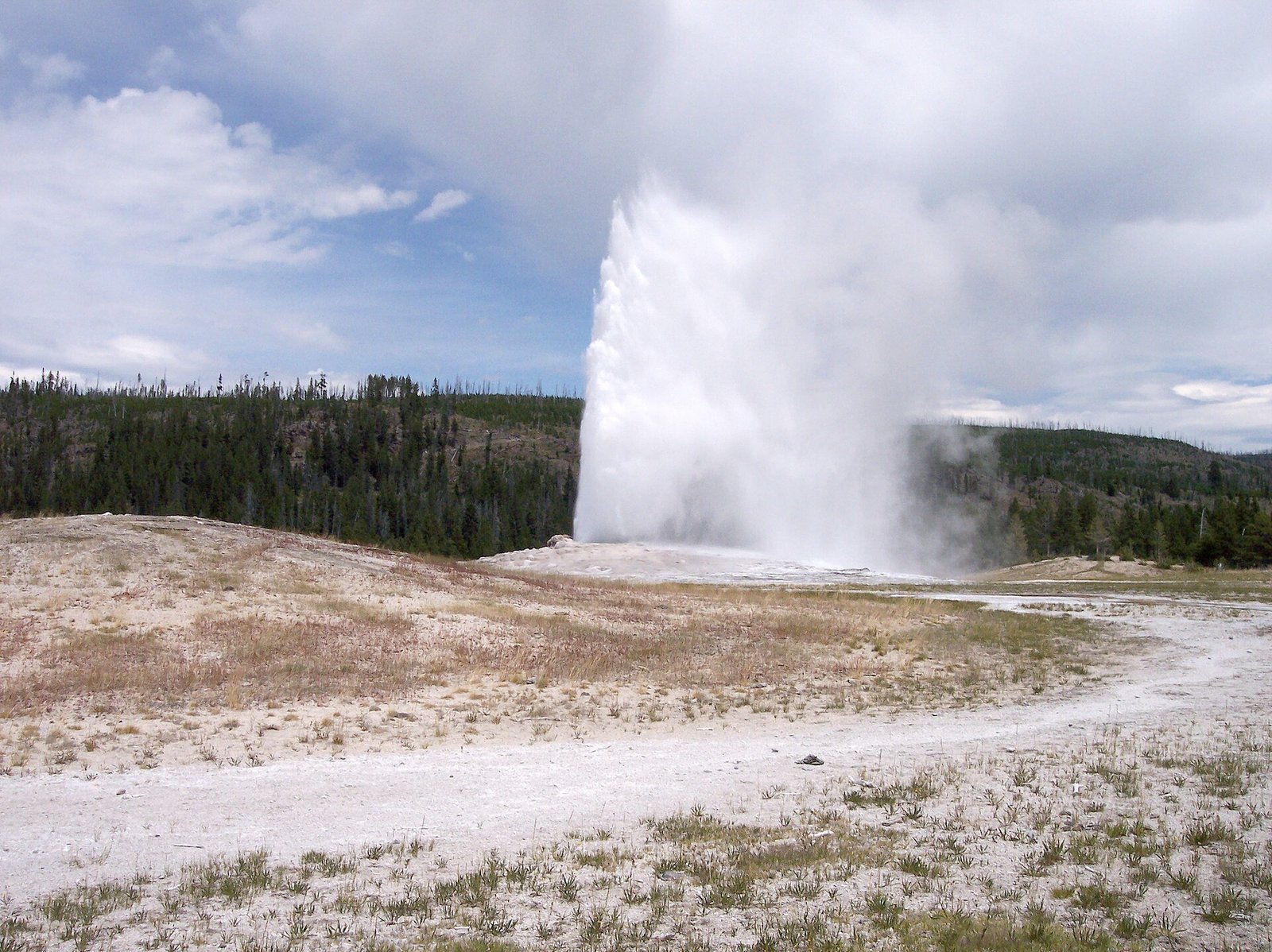
Old Faithful and the Upper Geyser Basin reveal many geothermal features beyond one famous eruption. Allow 4–6 hours. Check predicted eruption windows, walk the full boardwalk loop, and remain on designated surfaces. Thermal areas are covered by admission; tours and lodging cost extra.. Confirm transport to See Old Faithful and Upper Geyser Basin, then follow any Yellowstone National Park closure, barrier, or guide direction.
Watch wildlife in Lamar or Hayden Valley
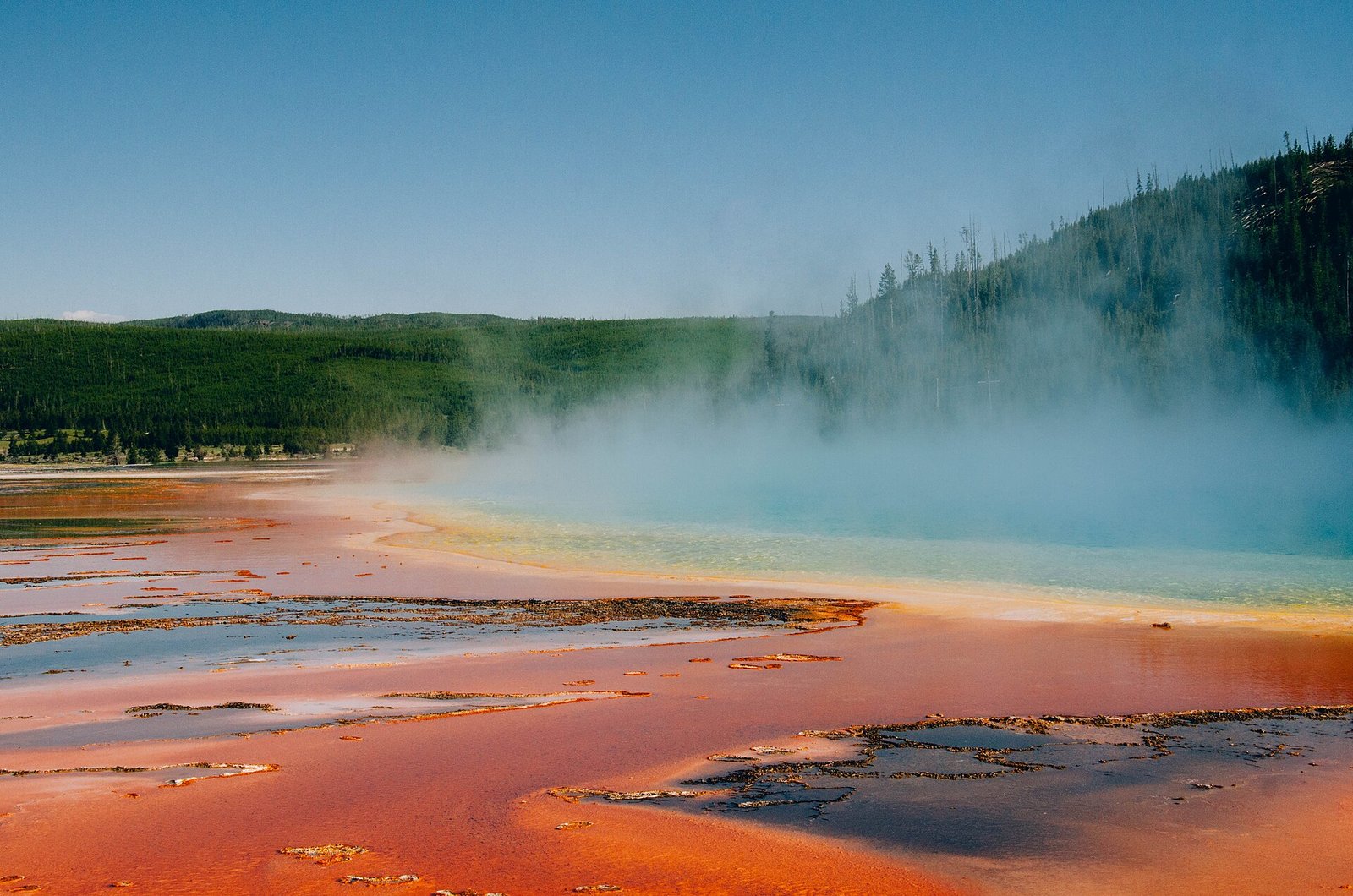
The Grand Prismatic area shows extraordinary microbial color and scale from boardwalk and permitted overlook routes. Allow 2–4 hours. Arrive early, use only legal parking, and expect steam or weather to obscure views. Access is included with the park pass.. For Watch wildlife in Lamar or Hayden Valley, let Yellowstone National Park access rules and staff instructions set the safe limit.
Walk Norris or another geothermal basin
Lamar or Hayden Valley rewards patient, distant observation rather than approaching animals or creating roadside congestion. Allow 3–5 hours around dawn or dusk. Use pullouts, remain inside the vehicle when appropriate, carry optics, and obey required wildlife distances. Valley access is included; guided wildlife tours commonly cost substantially more.. Before Walk Norris or another geothermal basin, verify Yellowstone National Park access, then assess the fitness demands and return connection for Walk Norris or another geothermal basin.
Visit the Grand Canyon of the Yellowstone
The Grand Canyon of the Yellowstone combines waterfalls, colored rock, viewpoints, and steep trail options. Allow 3–6 hours. Choose the north or south rim sequence, check trail closures, and avoid stacking every overlook. Viewpoints are included with admission.. Visit the Grand Canyon of the Yellowstone must fit the traveler’s ability and current Yellowstone National Park conditions; wildlife distances remain firm.
Yellowstone Lake and West Thumb
Yellowstone Lake and West Thumb connect high-elevation water, thermal features, and quieter scenic drives. Allow 4–6 hours. Check wind, cold-water, road, and seasonal facility conditions; never enter thermal or unapproved shoreline areas. Boardwalks are included; boating and guided activities require separate arrangements.. Confirm transport to Yellowstone Lake and West Thumb, then follow any Yellowstone National Park closure, barrier, or guide direction.
A PRACTICAL ROUTE
Suggested itinerary
Arrive and orient
Reach Old Faithful or West Yellowstone, settle in near Old Faithful or West Yellowstone, check rental car hours, and orient only around the route to See Old Faithful and Upper Geyser Basin.
See Old Faithful and Upper Geyser Basin
Use the first full itinerary stage for see old faithful and upper geyser basin. After See Old Faithful and Upper Geyser Basin, eat near Old Faithful or West Yellowstone instead of adding a cross-Yellowstone National Park transfer.
Watch wildlife in Lamar or Hayden Valley
Build the next itinerary stage around watch wildlife in lamar or hayden valley, adding walk norris or another geothermal basin only if Yellowstone National Park access and the transfer from Old Faithful or West Yellowstone remain practical.
A different side of the destination
Use Canyon Village or Mammoth or Gardiner to reach visit the grand canyon of the yellowstone with less backtracking. Keep an independent meal, rest, or indoor alternative.
Flexible priority and departure
Choose yellowstone lake and west thumb, repeat time near Old Faithful or West Yellowstone, or recover See Old Faithful and Upper Geyser Basin after a weather delay. End the Yellowstone National Park route with a real buffer for luggage, traffic, security, and the Bozeman (BZN), Jackson Hole (JAC), or West Yellowstone (WYS) connection.
REALISTIC BUDGET
Estimated travel costs
Yellowstone National Park costs move most with May–June or September, the location of Old Faithful or West Yellowstone, and the choice between rental car and private transfers. Recalculate Yellowstone National Park’s dollar comparison when booking. For Yellowstone National Park, the figures here convert US dollar (USD) at August 1, 2026 reference rates and exclude later card charges.
TRAVEL WELL
Practical travel tips
- Stay in two or three bases rather than driving the entire park loop from one gateway every day.
- Check official roads, construction, fire, and thermal-area closures each morning.
- Remain on boardwalks; thin thermal crust can hide water capable of causing fatal burns.
- Follow the current minimum wildlife distances and never block an animal’s route.
- Use designated pullouts, keep roads clear, and do not stop suddenly for wildlife.
- Carry fuel, water, warm layers, and offline maps because services and reception are limited.
- Store food and scented items according to bear rules and carry bear spray where recommended.
- Solo travelers should avoid isolated wildlife approaches, share remote hikes, and choose staffed lodging or tours for pre-dawn outings when desired.
COMMON QUESTIONS
Yellowstone National Park travel FAQ
How many days do you need in Yellowstone National Park?
4–5 days is a realistic first-visit range for Yellowstone National Park. If 4–5 days is not possible, keep Old Faithful or West Yellowstone and See Old Faithful and Upper Geyser Basin; extra Yellowstone National Park days should absorb recovery, weather, or reservation changes.
Is Yellowstone National Park expensive?
A practical daily planning range is US$100–175 budget; US$240–470 mid-range, per person. For Yellowstone National Park, room location, peak dates, private transport, permits, and guided access to See Old Faithful and Upper Geyser Basin drive the largest increases; compare full inclusions, not headline prices.
How many bases do you need in Yellowstone?
Two or three bases greatly reduce driving. A practical first trip divides geyser basins, Canyon or Lake, and the northern wildlife corridor.
Can you see Yellowstone without a car?
A comprehensive public transit system does not serve the park. Join a multi-day organized tour or arrange private transport if you do not want to drive.
Is it safe to walk near bison?
No close approach is safe. Use the current NPS distance rules, remain alert near boardwalks and parking areas, and retreat without running if an animal changes behavior.
What should you book first?
Reserve scarce in-park lodging or camping, the rental car, and any wildlife guide first. Recheck seasonal roads before fixing cross-park transfers.
KEEP EXPLORING
Related The Wander Muse guides
PLAN WITH CURRENT INFORMATION
Official resources
Opening hours, fares, permits, weather rules, and transport arrangements in Yellowstone National Park can change. Use these official links to confirm what is operating during May–June or September, rather than relying on an older itinerary.