START HERE
Why visit Scottish Highlands
The Scottish Highlands combine glens, lochs, castles, Atlantic coasts, mountain roads, and living Gaelic culture across distances that punish an overfilled road-trip map. It suits road trips, hiking, castles, photography, whisky, wildlife, couples, and slow scenic travel and works best when Glencoe and Isle of Skye north loop stay on separate compact days. A first visit works best when Glencoe, Isle of Skye north loop, and Eilean Donan and Lochalsh are arranged around realistic transport and weather windows. Fort William suits Glencoe and western mountains, Portree anchors Skye, and Inverness provides rail, airport, and northern services. Scottish Highlands planning connects Inverness Airport (INV), Glasgow Airport (GLA), Edinburgh Airport (EDI), or Highland rail stations, rental car, Fort William or Glencoe, and Glencoe with the six-row Pound sterling (GBP) budget and 7–10 days route below. Before booking Scottish Highlands, use the linked authorities to verify opening days, rental car, and any timed entry for Glencoe.
AT A GLANCE
Scottish Highlands quick travel summary
Scottish Highlands prices are planning ranges rather than quotes. For Scottish Highlands, compare the final checkout total—not only the advertised price—and verify every transfer or ticket inclusion.
WHEN TO GO
Best time to visit
Spring (March–May)
Across Scottish Highlands, expect mild days, changeable rain, and lengthening daylight; conditions near Glencoe can vary. For Scottish Highlands, crowds and prices are moderate except around school and public holidays. This period creates better conditions for Glencoe in Scottish Highlands; the main drawback is that visitors in Scottish Highlands should pack a waterproof layer and expect cool mornings. Atlantic storms, midges, snow, ferry disruption, wildfire risk, and single-track congestion can affect even a summer route. Recheck Scottish Highlands weather and the operating status of Glencoe shortly before any weather-sensitive or reservation-dependent day.
Summer (June–August)
Across Scottish Highlands, expect the warmest weather and the longest usable days; conditions near Isle of Skye north loop can vary. This is the busiest and most expensive period for Scottish Highlands. Isle of Skye north loop is the most practical Scottish Highlands focus during this period. The limitation is that visitors in Scottish Highlands should reserve accommodation and timed attractions early. Atlantic storms, midges, snow, ferry disruption, wildfire risk, and single-track congestion can affect even a summer route. Recheck Scottish Highlands weather and the operating status of Glencoe shortly before any weather-sensitive or reservation-dependent day.
Autumn (September–November)
Across Scottish Highlands, expect cooler air, changing foliage, and shorter daylight; conditions near Eilean Donan and Lochalsh can vary. Expect lighter crowds after early September. For Scottish Highlands, this window favors Eilean Donan and Lochalsh. Schedule it only after accounting for the fact that visitors in Scottish Highlands should check reduced hours and weather-sensitive services. Atlantic storms, midges, snow, ferry disruption, wildfire risk, and single-track congestion can affect even a summer route. Recheck Scottish Highlands weather and the operating status of Glencoe shortly before any weather-sensitive or reservation-dependent day.
Winter (December–February)
Across Scottish Highlands, expect cold conditions with the possibility of rain, snow, or storms; conditions near Cairngorms National Park can vary. Expect quiet periods interrupted by holiday peaks. This period creates better conditions for Cairngorms National Park in Scottish Highlands; the main drawback is that in Scottish Highlands, transport disruption and limited daylight require buffers. Atlantic storms, midges, snow, ferry disruption, wildfire risk, and single-track congestion can affect even a summer route. Recheck Scottish Highlands weather and the operating status of Glencoe shortly before any weather-sensitive or reservation-dependent day.
ARRIVING
How to get there
Inverness is the most direct gateway for the northern Highlands, while Glasgow works well for Loch Lomond, Glencoe, and Fort William. Edinburgh adds a longer first drive. Rail reaches Inverness, Fort William, Aviemore, and selected west-coast points, with Citylink and local buses filling some gaps. A rental car is easiest for a seven-day multi-base route, but collect it only when rested and familiar with left-side driving. Book trains, ferries, and cars through official operators, and avoid promising Skye after a late transatlantic arrival.
MOVING AROUND
Getting around
Highland roads are slow, with livestock, cyclists, blind bends, and single-track sections. Use passing places correctly: stop in the left-side bay when possible and never park there for photographs. Fuel and charging stations thin out in remote areas. Public transport can support a focused car-free itinerary but not a checklist of dispersed viewpoints. Ferries need weather and check-in buffers. Limit driving hours, group each day by glen or peninsula, and use legal car parks rather than road verges. For a 7–10 days visit, group Glencoe with Isle of Skye north loop, then protect Eilean Donan and Lochalsh for the strongest weather or access window. Glencoe and Isle of Skye north loop belong on separate compact Scottish Highlands stages; that leaves room for a delayed rental car connection. Accessible Scottish Highlands planning needs four checks: rental car boarding, surfaces, restrooms, and the final approach to Glencoe.
CHOOSE A BASE
Where to stay
Fort William or Glencoe — best for western mountains
Glens, waterfalls, rail, buses, and access to Lochaber create a practical first road-trip base. Rain is frequent and accommodation fills around hiking and event dates.
Portree, Isle of Skye — best for island scenery
Restaurants, tours, and central island roads make Portree the most useful Skye base. Rooms are expensive and parking and dining capacity lag behind peak demand.
Inverness — best for transport and northern day trips
Airport, rail, car hire, shops, and routes toward Cairngorms or Loch Ness simplify arrivals and departures. It feels less remote and western-coast days are too long from here.
PLAN YOUR DAYS
Best things to do
Glencoe
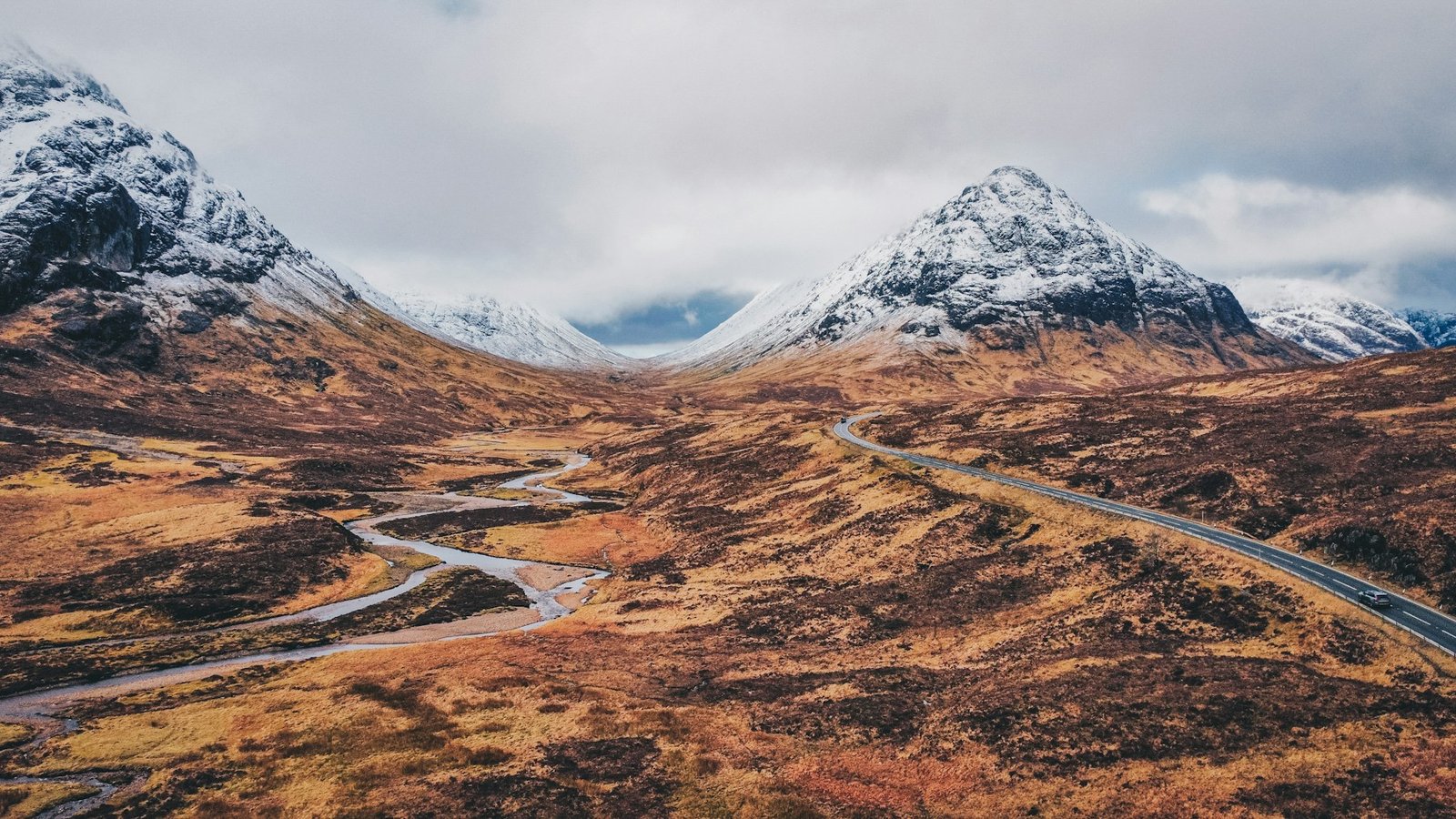
Volcanic glen scenery, walking routes, and history make this a core stop rather than a roadside photograph. Allow 4–7 hours. Use a clear morning and current mountain forecast. Public viewpoints need no reservation; guides and some parking may. Most outdoor access is free; parking and activities vary. Never stop in a traffic lane and choose a walk suited to conditions. It is best suited to walkers, history travelers, and photographers; visitors with little time should retain Glencoe only if it stays near another priority.
Isle of Skye north loop
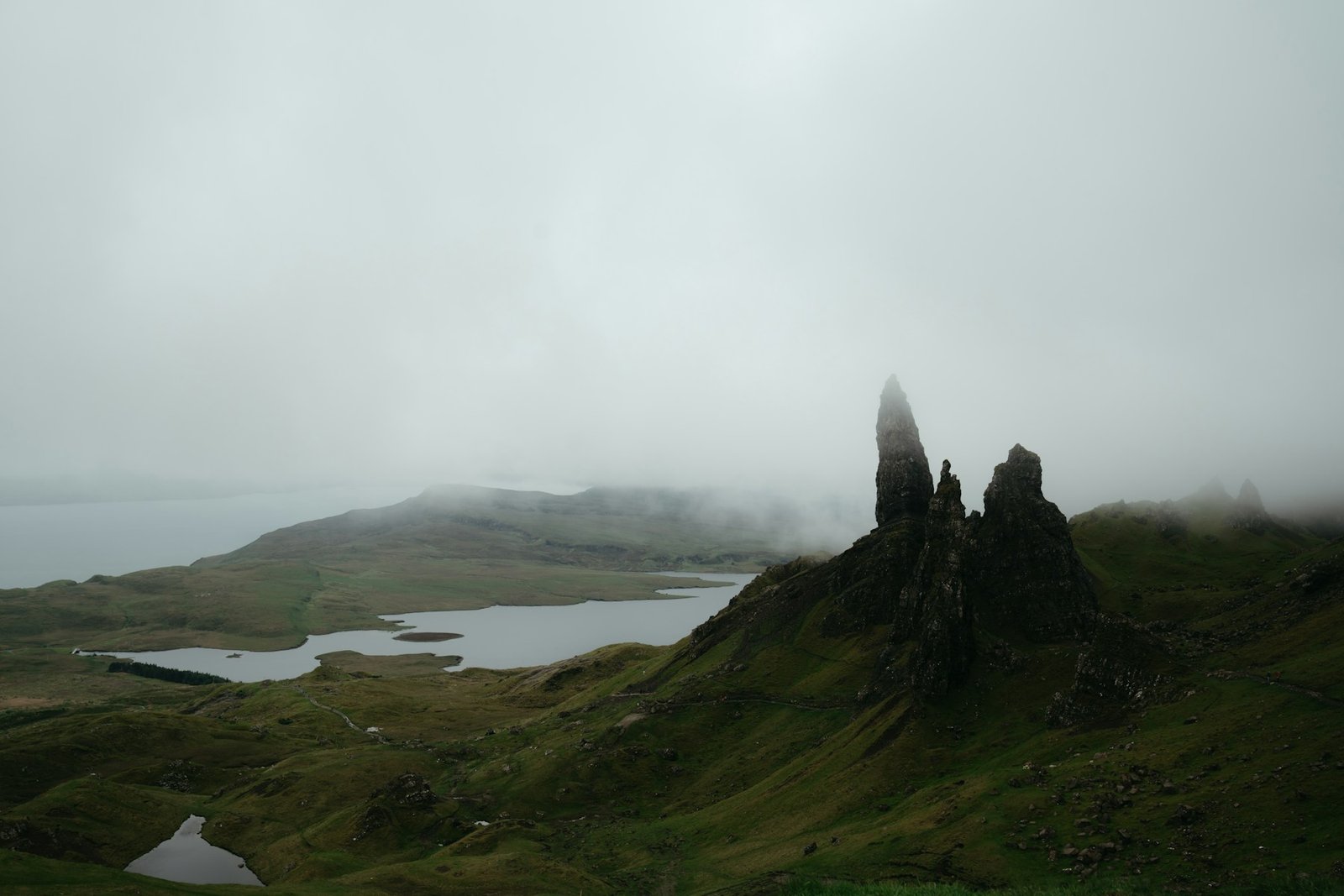
The Trotternish landscape combines cliffs, pinnacles, waterfalls, and crofting communities. Allow Full day. Start early and travel one direction without repeated Portree returns. No road reservation is required; tours and major meals should be booked. Viewpoints are mostly free; parking and local attractions vary. Skip unsafe roadside stops and do not block croft access. It is best suited to road-trippers and landscape travelers; on a short stay, keep Isle of Skye north loop only when access and geography suit that day.
Eilean Donan and Lochalsh
A tidal castle setting provides historical context on the logical road between Skye and the mainland. Allow 1.5–2.5 hours. Use an official entry time outside coach peaks. Advance tickets may be offered in busy months. Castle admission and parking rules should be checked. Keep this as a route stop rather than a distant return excursion. It is best suited to castle and first-time travelers; On a short Scottish Highlands visit, Eilean Donan and Lochalsh should not force a cross-destination transfer.
Cairngorms National Park
Forests, plateaus, wildlife, and villages create a distinct eastern Highlands experience. Allow Full day. Choose routes through ranger and weather guidance. Popular activities and guided wildlife outings need booking. Park access is free; parking, lifts, and activities vary. Protect sensitive habitats and prepare for fast mountain change. It is best suited to hikers, families, and wildlife travelers; time-limited visitors should add Cairngorms National Park only when it fits the same area and current conditions.
Loch Ness and Urquhart Castle
The long loch, ruined castle, and Great Glen geography fit a compact Inverness-side circuit. Allow 4–6 hours. Visit the castle early and choose one loch-side route. Official timed tickets can reduce peak uncertainty. Castle and cruises charge separately. Do not circle the entire loch unless it serves the next base. It is best suited to families and history travelers; visitors with little time should retain Loch Ness and Urquhart Castle only if it stays near another priority.
A PRACTICAL ROUTE
Suggested itinerary
Glasgow to Glencoe
Collect the car when rested, drive via legal Loch Lomond stops, and sleep near Glencoe.
Glencoe and Lochaber
Use the strongest forecast for one glen walk, then continue a short distance to Fort William.
Road to Skye
Travel through Glenfinnan or Lochalsh, selecting only one major detour before Portree.
Northern Skye
Drive a one-direction Trotternish circuit with reserved meals and no roadside parking.
Western or southern Skye
Choose one peninsula by weather, then retain an easier island evening.
Skye to Inverness
Stop at Eilean Donan, continue through the Great Glen, and avoid a full Loch Ness loop.
Inverness or Cairngorms
Use a compact castle and loch day or a condition-appropriate Cairngorm route before departure.
REALISTIC BUDGET
Estimated travel costs
Scottish Highlands costs move most with May–June or September, booking timing, taxes, and the exact position of a room in Fort William or Glencoe. Recalculate Scottish Highlands’s dollar comparison when booking. The figures here convert Pound sterling (GBP) at August 1, 2026 reference rates and exclude later card charges.
TRAVEL WELL
Practical travel tips
- Allow far more time than navigation apps suggest on single-track and scenic roads.
- Use passing places for passing only, never parking or photography.
- Book Skye rooms, rental cars, ferries, and limited dinner tables months ahead for summer.
- Carry waterproof layers, midge repellent and head net, food, and enough fuel for remote stretches.
- Check mountain weather separately from village forecasts and turn back before cloud removes navigation.
- Do not drive immediately after an overnight flight or after whisky tasting.
- Follow the Scottish Outdoor Access Code and protect crofts, livestock, gates, and fragile ground.
- Solo women should share hikes and driving plans; remoteness and weather present greater risk than most towns.
COMMON QUESTIONS
Scottish Highlands travel FAQ
How many days do you need in Scottish Highlands?
7–10 days is a practical first-visit range for Scottish Highlands. If 7–10 days is not available, keep one compact Scottish Highlands base and Glencoe; additional days are most useful as weather and transport buffers.
Is Scottish Highlands expensive?
In Scottish Highlands, a realistic daily planning range is £75–130 (about US$101–175) budget; £180–340 (about US$243–458) mid-range, per person. Costs rise fastest when a Scottish Highlands trip combines the most convenient base with peak-season rooms and privately arranged outings.
Do you need a car in Scottish Highlands?
A car is the most practical tool for this seven-day multi-base route, but a slower Fort William–Inverness rail and bus trip is possible.
What is the best month to visit Scottish Highlands?
May and June bring long daylight and often fewer midges than high summer; September can be quieter but wetter and cooler.
Is Scottish Highlands safe for solo female travelers?
The Highlands are generally comfortable for solo women. Share routes, limit fatigue, retain fuel and phone power, and use conservative mountain decisions. Recheck official travel advice for Scottish Highlands, then compare it with the latest conditions affecting Glencoe.
What should you book in advance for Scottish Highlands?
Reserve summer accommodation, rental cars, island ferries, guided activities, and Skye restaurants with limited seating.
KEEP EXPLORING
Related The Wander Muse guides
PLAN WITH CURRENT INFORMATION
Official resources
For Scottish Highlands, opening hours, fares, permits, weather rules, and transport arrangements can change. Use the linked authorities to recheck Scottish Highlands access, opening times, and transport before departure.