
START HERE
Why visit Dublin
Dublin is compact enough for a short city break yet layered enough to reward slower exploration through Georgian streets, museums, literary history, traditional music, and a coast reachable by suburban rail. It suits first-time Ireland visitors, solo travelers, couples, history enthusiasts, and travelers beginning a wider rail or road itinerary. Three days cover the historic center and major museums; four or five allow Kilmainham, a coastal walk, and less hurried evenings. This guide explains Dublin’s changeable weather, airport buses, Leap travel options, accommodation areas, reservations, realistic euro costs, and a route that avoids spending the whole trip in Temple Bar. The key planning issue is limited-capacity attractions: Kilmainham Gaol, the Book of Kells experience, major sporting events, and some distillery or brewery tours can sell out, so reserve the true priorities while leaving pub and neighborhood time flexible.
AT A GLANCE
Dublin quick travel summary
Dublin budgets below are planning ranges, not quotes. Exchange rates, weekend room demand, festivals, attraction time slots, and airport-transfer choices can change the total, so confirm current details before booking.
WHEN TO GO
Best time to visit
Spring (March–May)
Spring is cool, windy, and changeable, with longer daylight and flowering parks. St Patrick’s Festival and Easter can bring crowds, closures, and high room rates. May often provides a good balance for walking. Pack waterproof layers and avoid relying on a single dry-weather day for the coast.
Summer (June–August)
Summer has the longest days, active cultural calendars, and the highest visitor demand. Temperatures are usually moderate, but rain and wind remain possible. Accommodation is expensive and central attractions sell out. Reserve fixed sites early, visit popular interiors near opening, and use long evenings for parks or waterfront walks.
Fall (September–November)
September often combines mild weather with fewer family groups, while October and November become wetter, darker, and cooler. Major sports and events still affect prices. Early fall is excellent for Howth, Georgian streets, and parks. Later trips should prioritize museums and compact neighborhood routes.
Winter (December–February)
Winter brings short daylight, wind, rain, and occasional cold snaps rather than guaranteed snow. Holiday weekends are lively and expensive, while January can offer better room value. Museums, theaters, music, and food provide a strong itinerary. Check reduced holiday hours and plan coastal travel only in safe weather.
ARRIVING
How to get there
Dublin Airport lies north of the city and has no direct rail connection. Express coaches, public buses, taxis, and private transfers connect the terminals with central districts. Travel time varies widely with traffic; the official airport and Transport for Ireland sites provide current operators, stops, and service hours. Choose a bus stop near the actual hotel rather than simply booking the first service labeled “city centre.” Connolly and Heuston are Dublin’s principal rail stations and serve different routes, with Luas and buses connecting them. Ferry terminals also require onward ground transport. Buy intercity rail tickets through Irish Rail and airport transport through the authorized operator. Allow extra time on match days, during major festivals, and for early departures when normal city services may not yet be running.
MOVING AROUND
Getting around
Central Dublin is walkable, but the wider city is better understood through its integrated network. Dublin Bus and Go-Ahead serve urban routes; Luas trams cross selected corridors; DART and commuter rail reach the coast and suburbs. A TFI Leap Visitor Card can provide unlimited travel for a chosen period on eligible services, while airport express coaches may have separate tickets. Validate or tap according to the current system and use the TFI planner for live changes. Cycling is possible on improving but inconsistent infrastructure. Taxis are regulated and useful after late events. A rental car is unnecessary for the city and difficult to park. Travelers requiring step-free access should check station lifts, platform gaps, and cobbled historic streets individually.
CHOOSE A BASE
Where to stay
South city centre near St Stephen’s Green — best for first-time visitors
This area places Georgian streets, Grafton Street, Trinity College, museums, and many restaurants within walking distance. It suits couples, solo travelers, and short stays. Prices are high and nightlife noise varies by street. Choose a room away from the busiest late bars if sleep matters.
Smithfield or the Liberties — best for history and relative value
These western districts provide access to Dublin Castle, cathedrals, distilleries, Kilmainham connections, and Luas services. They suit repeat visitors and culture-focused stays. Some streets become quiet after business hours, while reaching the east-side coast takes longer. Inspect the exact transport stop and nighttime route.
Docklands or Ballsbridge — best for modern hotels and calmer evenings
The Docklands offers newer accommodation and event access near the river; Ballsbridge has leafy streets and practical links toward the coast. Both suit business, families, and travelers wanting quieter nights. They are farther from some historic sights, and event dates can sharply raise rates.
PLAN YOUR DAYS
Best things to do
Trinity College and the Book of Kells experience
The historic campus and its library are major Dublin landmarks. Current access, exhibition routing, and renovation arrangements can change, so reserve only through Trinity’s official system. Allow 90 minutes to two hours plus a campus walk. Early slots are easiest. It suits literature, architecture, and history travelers, while visitors on a tight budget can still enjoy public parts of the campus where permitted.
Dublin Castle and Chester Beatty
The castle complex explains layers of colonial administration and Irish state history, while the nearby Chester Beatty library presents manuscripts, books, and art from global traditions. Allow three to four hours for both. Guided castle access may use timed tickets; Chester Beatty admission policies and hours should be checked. Pair them with the medieval quarter rather than crossing town.
National Museum of Ireland
The museum’s Dublin sites cover archaeology, decorative arts, history, and natural history, with reopening and renovation schedules varying. Admission to national collections is generally free. Choose one branch for two to three hours and verify its current status. The archaeology collections are particularly useful context before wider travel around Ireland.
Kilmainham Gaol
Kilmainham is essential for understanding Irish independence, but entry is by guided, capacity-controlled visit and tickets sell quickly. Reserve through the official heritage service and allow around two hours including arrival and security. The subject matter is serious and the building is cold, with accessibility limitations that should be reviewed in advance.
Howth or another DART coast trip
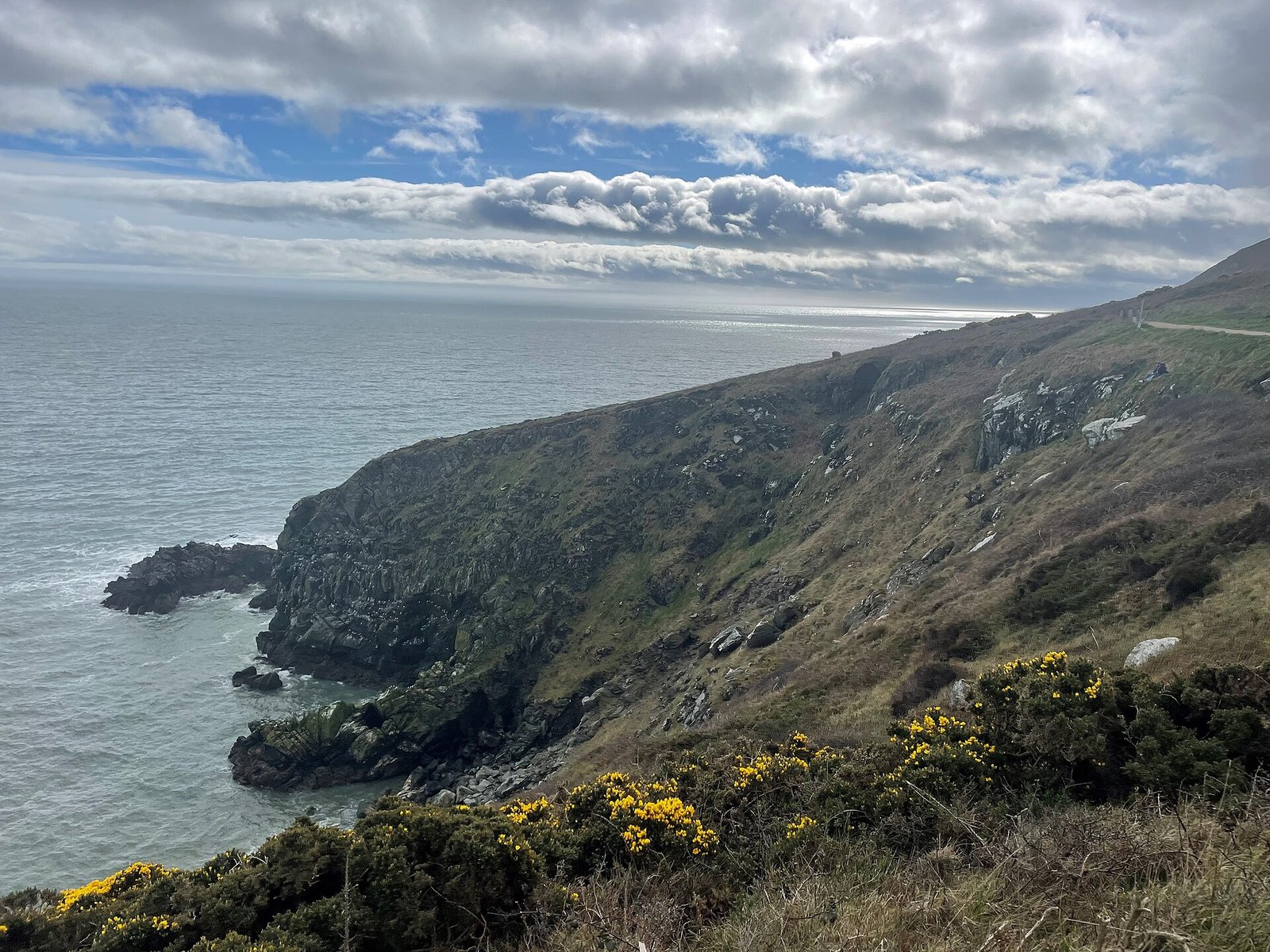
Howth combines harbor scenery, seafood, and cliff paths within rail reach of Dublin. Allow half a day and choose a route based on wind, mud, daylight, and ability. Check official trail notices and DART service before leaving. The cliffs are exposed; stay behind barriers and use a village-focused alternative in poor weather.
A PRACTICAL ROUTE
Suggested itinerary
Georgian and central Dublin
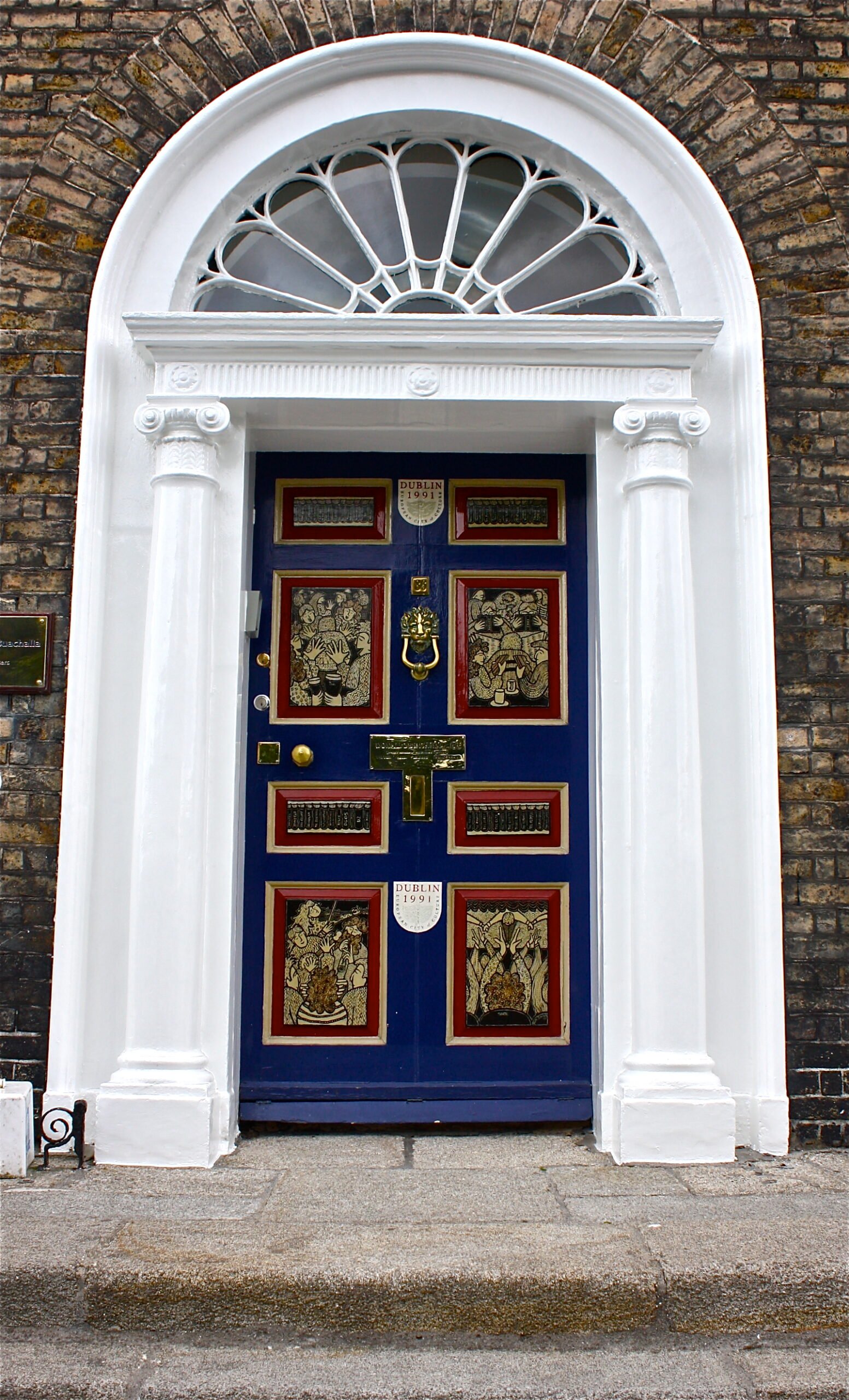
Begin around St Stephen’s Green, walk Georgian streets, and use a reserved Trinity College slot. Continue along the river and finish in a researched music venue rather than remaining only in Temple Bar.
Castle and national history
Visit Dublin Castle and Chester Beatty, add one cathedral or historic street cluster, and keep the evening south of the river. Avoid booking several guided tours back-to-back.
Kilmainham and the west
Use a timed Kilmainham Gaol ticket, then explore the Liberties, a museum, or Phoenix Park according to weather. Confirm the transport route before departure.
Dublin Bay
Take DART to Howth or another coastal town in suitable conditions, complete a conservative walk, and return before late evening service becomes less frequent.
Flexible culture day
Add the National Gallery, EPIC, a literary experience, sporting venue, or missed museum. Keep time for an early dinner if departing for another Irish city the next morning.
REALISTIC BUDGET
Estimated travel costs
USD equivalents for Dublin are rounded planning comparisons where shown. For Dublin, check local tax, gratuity, accommodation fees, and cancellation terms before payment.
TRAVEL WELL
Practical travel tips
- Reserve Kilmainham Gaol and any essential Trinity experience through official systems. Last-minute resale offers should not be trusted.
- Temple Bar is a district, not the only place to hear music or eat. Compare locally programmed venues and neighborhood pubs.
- Dublin weather changes quickly. Carry a waterproof outer layer and choose footwear for wet cobbles and long walks.
- Pub table service, ordering, and tipping customs vary. Observe the venue, return glasses when appropriate, and do not assume every music session is a staged show.
- Cards are widely accepted, but keep a small euro backup. Decline home-currency conversion when the rate is not favorable.
- Check sports and concert calendars before booking. Large events affect hotel prices, transport, and late-night crowds.
- Use official coastal paths and turn back in high wind or poor visibility. Cliff edges and wet grass create serious fall risk.
- Solo female travelers should select an active central base, plan the route home after late music, manage alcohol carefully, and use regulated taxis when needed.
COMMON QUESTIONS
Dublin travel FAQ
How many days do you need in Dublin?
Three days cover the historic core and major museums. Four or five days allow Kilmainham, a coastal trip, and a calmer pace before traveling elsewhere in Ireland.
Is Dublin expensive?
Accommodation and pub dining can be expensive, especially during events. Free national museums, parks, walking, and public transport help control the budget.
Do you need a car in Dublin?
No. Walking, buses, Luas, DART, trains, and taxis cover the city. Rent a car only when leaving for an itinerary not served well by public transport.
What is the best month to visit Dublin?
May, June, and September provide long or useful daylight with generally manageable temperatures. Rain is possible in every month, and events affect prices.
Is Temple Bar worth visiting?
It is worth walking through for atmosphere and cultural venues, but food and drink can be expensive. Explore other districts for a broader view of Dublin.
Is Dublin safe for solo female travelers?
Many women visit independently. Apply normal city awareness, avoid poorly lit shortcuts, monitor drinks, and use official transport after late events.
KEEP EXPLORING
Related The Wander Muse guides
CHECK BEFORE DEPARTURE
Sources and official resources
Schedules, fares, closures, and timed-entry systems affecting Dublin can change. Recheck the official resources below shortly before departure.