
START HERE
Why visit Edinburgh
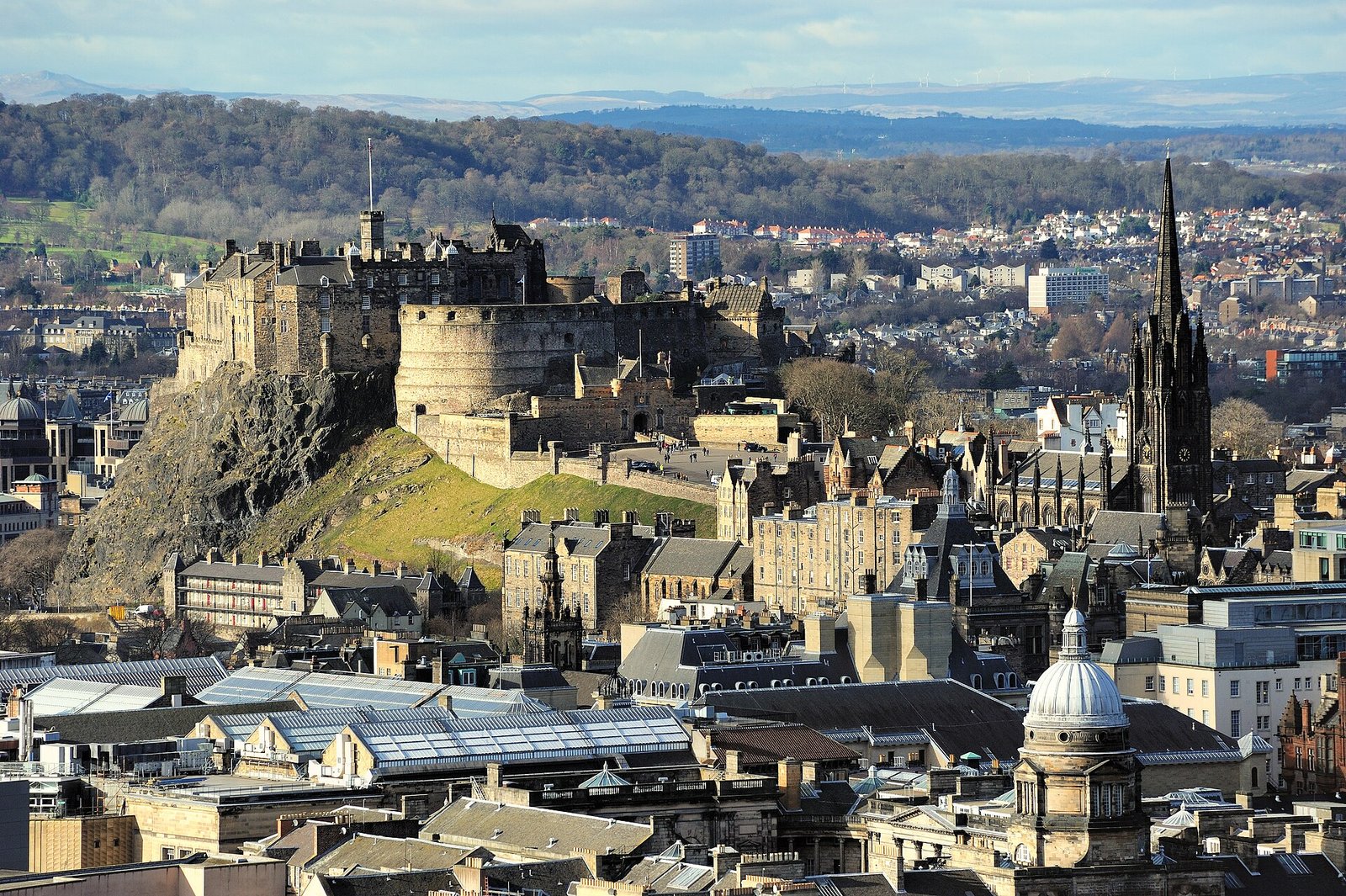
Edinburgh’s volcanic hills, medieval Old Town, Georgian New Town, museums, and festival culture create one of Europe’s most visually coherent city breaks. It suits history enthusiasts, literature fans, solo travelers, couples, families with older children, and visitors beginning a wider Scotland itinerary. Three days cover the castle, Royal Mile, major museum, and one hill; four or five allow Leith, Dean Village, or weather flexibility. This guide explains Edinburgh’s seasons, airport tram, steep streets, accommodation areas, advance reservations, realistic pound costs, and an itinerary that groups sights by elevation and neighborhood. The most important planning variable is the calendar: August festivals and Hogmanay transform availability, prices, pedestrian flow, and performance schedules, while ordinary weeks are much easier to navigate. Book the fixed event first, then choose accommodation within a practical walking or tram route.
AT A GLANCE
Edinburgh quick travel summary
Edinburgh budgets below are planning ranges, not quotes. Festival dates, weekend stays, rail fares, castle time slots, and exchange rates can change the total, so confirm current details before booking.
WHEN TO GO
Best time to visit
Spring (March–May)
Spring is cool, windy, and increasingly bright, with blossom and lower crowds before peak summer. Easter and school holidays affect prices. Rain and sudden cold remain possible. May is excellent for hills and neighborhood walks. Carry waterproof layers and avoid scheduling an exposed summit as the only plan for a day.
Summer and festivals (June–August)
Long daylight and cultural events make summer extremely popular. August festivals bring dense crowds, sold-out rooms, road closures, and premium prices. Reserve accommodation and priority performances months ahead, leave travel buffer between venues, and expect four seasons in one day. June can offer a calmer compromise.
Fall (September–November)
September retains cultural activity with fewer peak-festival crowds, while October and November become cooler, darker, and wetter. Accommodation prices often ease outside events. Hills and parks gain autumn color, but wet stone becomes slippery. Use museums and closes as weather alternatives and check daylight before Arthur’s Seat.
Winter (December–February)
Winter has short days, cold wind, rain, occasional snow, and a strong festive atmosphere. Christmas and Hogmanay are busy and expensive; January and February can be quieter. Museums, whisky experiences, and restaurants work well, but ice affects steep streets. Dress for wind and plan outdoor viewpoints in the limited daylight.
ARRIVING
How to get there
Edinburgh Airport connects with the city by tram, express bus, taxi, and private transfer. The tram stop is beside the terminal and reaches central stops in roughly 30–35 minutes under normal operation, continuing toward Leith and Newhaven. Buy or validate tickets according to current rules before travel. Waverley Station sits between Old and New Town but involves steep approaches and multiple exits; Haymarket is convenient for the west end and tram. Intercity trains connect London, York, Newcastle, Glasgow, and other cities. Taxis are useful with heavy luggage, while driving into the center adds parking and low-emission-zone considerations. Check festival diversions and engineering work before arrival, and do not choose accommodation solely by straight-line distance from Waverley.
MOVING AROUND
Getting around
Most central sights are reachable on foot, but hills, stairways, cobbles, and closes make Edinburgh more demanding than its size suggests. Lothian buses provide dense city coverage, while trams connect the airport, west end, center, Leith, and Newhaven. Use contactless payment or tickets under the current operator rules and remember to follow any tram tap-on/tap-off requirement. Cycling suits confident riders on selected routes. Taxis are useful after late performances when festival crowds overwhelm buses. A rental car is unnecessary for the city and should begin only when the Scotland road trip starts. Travelers with mobility needs should inspect gradients, Waverley exits, castle access, and individual historic buildings before finalizing the route.
CHOOSE A BASE
Where to stay
Old Town — best for first-time atmosphere
Old Town places the Royal Mile, castle, museums, and many tours within walking distance. It suits short stays and travelers prioritizing history. Steep closes, cobbles, nightlife, and festival noise are significant disadvantages. Ask about lifts and street-facing rooms before booking.
New Town or West End — best for balance
Georgian streets, restaurants, shops, and transport connections make New Town practical without losing character. West End is convenient for Haymarket and airport transit. Both suit couples and repeat visitors. Prices remain high, and reaching upper Old Town still involves a climb.
Leith — best for food and longer stays
Leith has waterfront restaurants, local venues, and direct tram access to central Edinburgh. It suits food-focused visitors and longer trips seeking calmer evenings. The castle and Royal Mile are not walkable for everyone, and late travel should be planned around current tram or bus hours.
PLAN YOUR DAYS
Best things to do
Edinburgh Castle
The castle dominates the city and contains military, royal, and national history within a steep fortified site. Allow two and a half to four hours. Reserve an official timed ticket, arrive before the busiest mid-day period, and check closures caused by ceremonies or weather. Accessibility support exists but historic surfaces and gradients remain; review the official guide before booking.
Royal Mile and Old Town closes
The Royal Mile links the castle with Holyrood through churches, museums, historic closes, shops, and performance spaces. Spend half a day while selecting only a few interiors. Early morning is quietest. Join a reputable history tour for context, respect residential closes, and avoid reducing the area to souvenir stores and ghost-story marketing.
National Museum of Scotland
The museum spans Scottish history, science, design, nature, and global collections. Admission is generally free, and two to four hours is realistic. It provides an excellent weather backup and family option. Arrive near opening during holidays, check gallery changes, and do not attempt every floor in one visit.
Arthur’s Seat or Calton Hill
Arthur’s Seat offers a substantial uneven hill walk with exposure, while Calton Hill provides an easier central viewpoint. Choose according to weather, daylight, footwear, and ability. Allow two to three hours for Arthur’s Seat or about an hour for Calton Hill. Avoid high wind, ice, darkness, and unstable edges.
Dean Village, Stockbridge, or Leith
These districts show different sides of Edinburgh beyond the Royal Mile. Dean Village works as a short riverside walk, Stockbridge adds cafés and market life, and Leith provides waterfront history and food. Choose one coherent half day. Keep voices low in residential lanes and avoid blocking doorways for photographs.
A PRACTICAL ROUTE
Suggested itinerary
Castle and upper Old Town
Enter Edinburgh Castle at a reserved morning time, descend the upper Royal Mile slowly, and finish near Grassmarket or the Old Town without crossing the city again.
Museum and New Town
Visit the National Museum in the morning, walk Princes Street Gardens and New Town later, and use Calton Hill for a weather-suitable viewpoint.
Holyrood and hill choice
Explore the lower Royal Mile, choose Holyroodhouse or the Parliament area, and attempt Arthur’s Seat only in safe conditions. Use a gallery alternative in poor weather.
Stockbridge and Dean Village
Follow a compact Water of Leith and Stockbridge route, then return for a reserved performance or restaurant. Avoid stacking distant festival venues.
Leith or wider Scotland transition
Take the tram to Leith and Newhaven, or use the day to collect a rental car and begin the regional trip. Do not drive central Edinburgh unnecessarily.
REALISTIC BUDGET
Estimated travel costs
USD equivalents for Edinburgh are rounded planning comparisons where shown. For Edinburgh, check local tax, gratuity, accommodation fees, and cancellation terms before payment.
TRAVEL WELL
Practical travel tips
- August accommodation and performances sell extremely early. Secure the essential event and a refundable room before filling the schedule.
- Edinburgh’s hills and stairs punish heavy luggage. Choose the correct station exit, tram stop, and hotel access before arrival.
- Carry a waterproof shell even in summer. Wind can make the castle and hills much colder than sheltered streets.
- Purchase castle tickets only through the official site or an authorized channel, and verify event closures before walking uphill.
- Cards are widely accepted, but a small sterling backup is useful. Scotland uses pound sterling, including its own banknote designs.
- Free festival performances may still require tickets, queues, or donations. Leave travel buffer between venues and support artists when possible.
- Residential closes, Dean Village, and Circus Lane are lived-in places. Keep entrances clear and photograph respectfully.
- Solo female travelers should use active routes after late shows, manage drinks, check the last tram or bus, and take a licensed taxi when streets empty.
COMMON QUESTIONS
Edinburgh travel FAQ
How many days do you need in Edinburgh?
Three days cover the castle, Old Town, major museum, and a viewpoint. Four or five days allow neighborhoods, Leith, festival events, and weather flexibility.
Is Edinburgh expensive?
Accommodation is expensive in summer and extremely costly during August festivals and Hogmanay. Free museums, parks, hills, and walking help balance the budget.
Do you need a car in Edinburgh?
No. Walking, buses, trams, trains, and taxis cover the city. Collect a rental car only when leaving for a regional route.
What is the best month to visit Edinburgh?
May, June, and September usually balance daylight and manageable crowds. August is best specifically for festivals but requires a much larger budget and early booking.
Is Arthur’s Seat difficult?
Routes vary, but surfaces are uneven, steep, and exposed. Calton Hill is a more accessible viewpoint for many travelers. Avoid Arthur’s Seat in dangerous wind, ice, or darkness.
Is Edinburgh safe for solo female travelers?
Many women visit independently. Use normal city precautions, plan late festival transport, avoid isolated hill routes after dark, and follow current local advice.
KEEP EXPLORING
Related The Wander Muse guides
CHECK BEFORE DEPARTURE
Sources and official resources
Schedules, fares, closures, and timed-entry systems affecting Edinburgh can change. Recheck the official resources below shortly before departure.