START HERE
Why visit Ljubljana and Lake Bled
Ljubljana and Lake Bled pair a relaxed, walkable capital with Slovenia’s most recognizable alpine lake in a journey that works without a car. Ljubljana offers riverside architecture, markets, museums, and easy evenings; Bled adds lake circuits, viewpoints, castle scenery, and access toward the Julian Alps. The combination suits couples, families, solo rail travelers, photographers, and first-time Central Europe visitors. Five days allow three city days and two lake days, or a slower split with weather flexibility. This guide explains seasonal differences, airport and rail access, transport between bases, realistic costs, and an efficient itinerary. The important planning choice is where to sleep: Bled is quieter early and late but more expensive, while a Ljubljana base simplifies connections. Reserve only constrained lodging and activities, then let mountain weather determine the exact outdoor day.
AT A GLANCE
Ljubljana and Lake Bled quick travel summary
Lake lodging, regional buses, rail works, and outdoor activities vary by season. Use these euro ranges as estimates and verify fares, station locations, weather, taxes, and cancellation terms.
WHEN TO GO
Best time to visit
Spring (March–May)
March can be cool and wet, with snow still visible or present on higher routes. April is changeable; May usually brings greener landscapes and comfortable city walking. Easter and holiday weekends add demand around Bled. Prices remain below summer on many dates. Pack rain layers, check trail conditions, and keep a Ljubljana museum day ready for poor mountain weather.
Summer (June–August)
Summer provides long daylight, warm lake conditions, and the broadest outdoor schedules. It also brings crowds, high Bled room prices, afternoon storms, and pressure on buses and parking. Begin lake walks early, reserve accommodation, and avoid exposed viewpoints during thunderstorms. Ljubljana can be hot at midday, making riverside evenings and indoor culture especially useful.
Fall (September–November)
September and early October often balance mild weather with fewer peak-summer visitors, though popular weekends remain busy. Autumn color and clear alpine views are possible, but rain and colder nights increase later. Prices usually soften after September. Use shorter daylight carefully, carry layers, and verify seasonal boat, gorge, and mountain access rather than assuming summer operations continue.
Winter (December–February)
Ljubljana has festive markets and year-round culture, while Bled becomes cold, quiet, and sometimes snowy or icy. Lake paths may be slippery and alpine excursions require winter experience. Holiday dates can be expensive despite reduced outdoor services. This season suits city atmosphere, spa time, and snow scenery more than casual hiking. Confirm heating, transport, and closures before travel.
ARRIVING
How to get there
Ljubljana Jože Pučnik Airport lies north of the capital. Scheduled buses, authorized taxis, rental cars, and transfer services connect with Ljubljana and, on some arrangements, Bled; use current airport and operator information because frequencies vary. Ljubljana’s rail and bus stations sit near the center and receive domestic and international connections, though engineering works can introduce replacement buses. Bled has more than one useful stop: intercity buses generally reach the town, while rail routes may use Lesce-Bled or Bled Jezero followed by local transport or walking. The easiest first trip is airport to Ljubljana, then a direct bus to Bled; the cheapest depends on current public-transport fares. Reserve international rail only after checking the exact station and transfer. Avoid a tight same-day flight connection from Bled because road congestion and weather can delay the journey.
MOVING AROUND
Getting around
Ljubljana’s center is compact and largely pedestrianized, making walking the default. City buses reach outer districts, while the public bicycle system can help confident riders after registration. Taxis are useful late or with luggage; a rental car creates parking problems and is unnecessary for the capital. Direct buses are usually the simplest link with Bled, while trains can work when their station and connection suit the hotel. Around Bled, the lake circuit is walkable in a few hours, local buses reach selected regional destinations, and bicycles or e-bikes suit prepared riders. Parking is regulated and expensive near popular areas. Stay overnight at Bled for dawn and evening calm, or day-trip from Ljubljana if simplicity matters more than atmosphere.
CHOOSE A BASE
Where to stay
Ljubljana Old Town or Center — best for first-time visitors
The riverside center puts bridges, markets, museums, restaurants, and castle access within an easy walk. It suits short trips and car-free travelers. Rooms in historic buildings may lack elevators, and late-evening street noise varies. Rates rise on summer weekends. Confirm whether a property is inside a vehicle-restricted area if arriving with luggage or by taxi.
Trnovo or Krakovo — best for calm and neighborhood character
These green districts sit south of the center near the river, small restaurants, and residential streets. Couples and repeat visitors can enjoy a quieter base while remaining walkable to major sights. Hotel choice is smaller and the station is farther away. Check the exact late-night route and flood or weather notices along riverside paths.
Bled town or Mlino — best for lake atmosphere
Central Bled offers the broadest restaurants, buses, and services, while Mlino provides a quieter lakeside feel closer to the island-facing shore. Staying overnight gives early walks before day visitors arrive. Prices are high in summer, lake-view labels vary, and slopes can be substantial. Map the bus stop and gradient rather than judging distance alone.
PLAN YOUR DAYS
Best things to do
Ljubljana Old Town and riverside
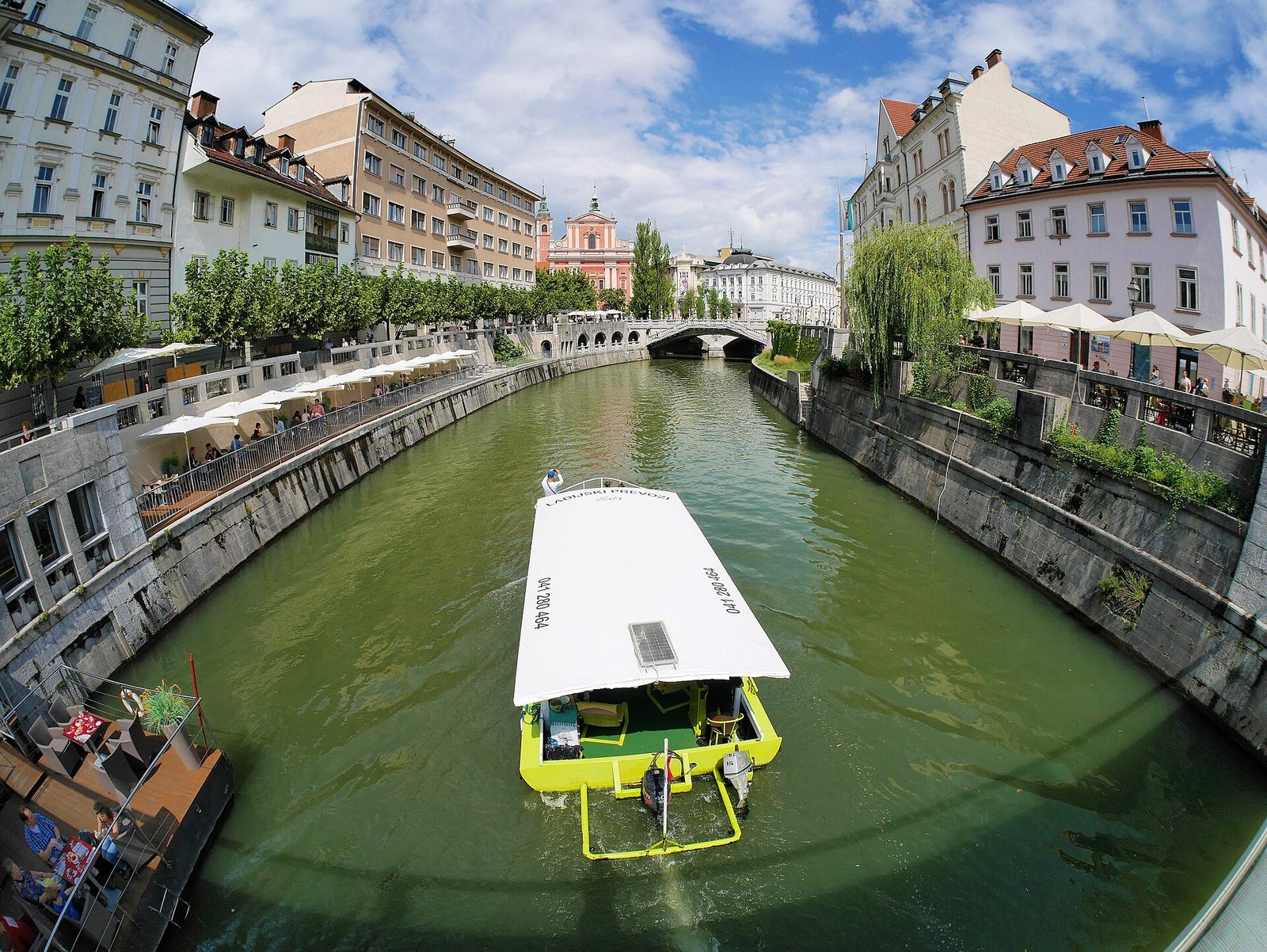
The Triple Bridge, Central Market, river embankments, and layered architecture create a coherent half-day on foot. Start in the morning when deliveries and market activity add local context, then return for an evening meal. Public spaces are free, while individual museums and boat trips vary. Respect cycling lanes and residential entrances, and do not turn every bridge into a separate checklist item.
Ljubljana Castle
The hilltop castle offers city views, exhibitions, and context for Ljubljana’s history. Allow two to three hours including the ascent. Walk up if conditions suit or use the funicular according to current hours and tickets. Late afternoon can provide softer light, but event closures occur. Visitors interested only in the panorama can choose exterior areas, while museum travelers should reserve more time.
Tivoli Park and a city museum
Tivoli provides an easy green counterpoint to the compact center, with paths, outdoor displays, and access toward cultural institutions. Pair it with one carefully chosen museum and allow half a day. Morning suits walking or running, while rain favors the indoor component. Check exhibition schedules and Monday closures. This combination works well for families and travelers needing a lower-intensity day.
Lake Bled circuit, island, and castle views
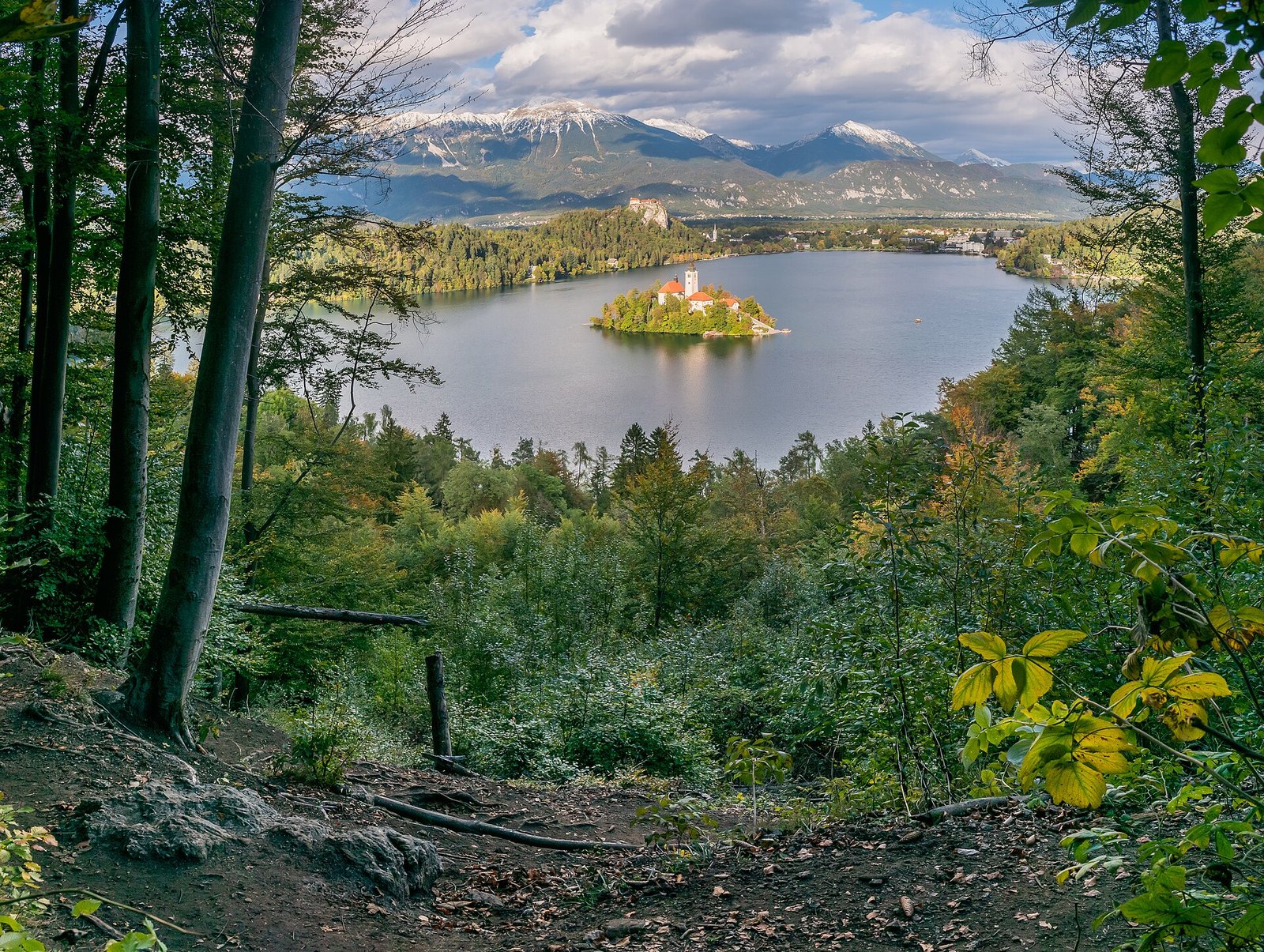
Walking the roughly six-kilometer lake circuit takes about two hours without stops and most of a day when combined with viewpoints, swimming, a boat, or the castle. Start early to avoid summer congestion. Boat options and castle tickets should be verified officially. Use designated swimming areas, stay off private property, and choose only one elevated viewpoint if the day is hot.
Vintgar Gorge or a Bohinj extension
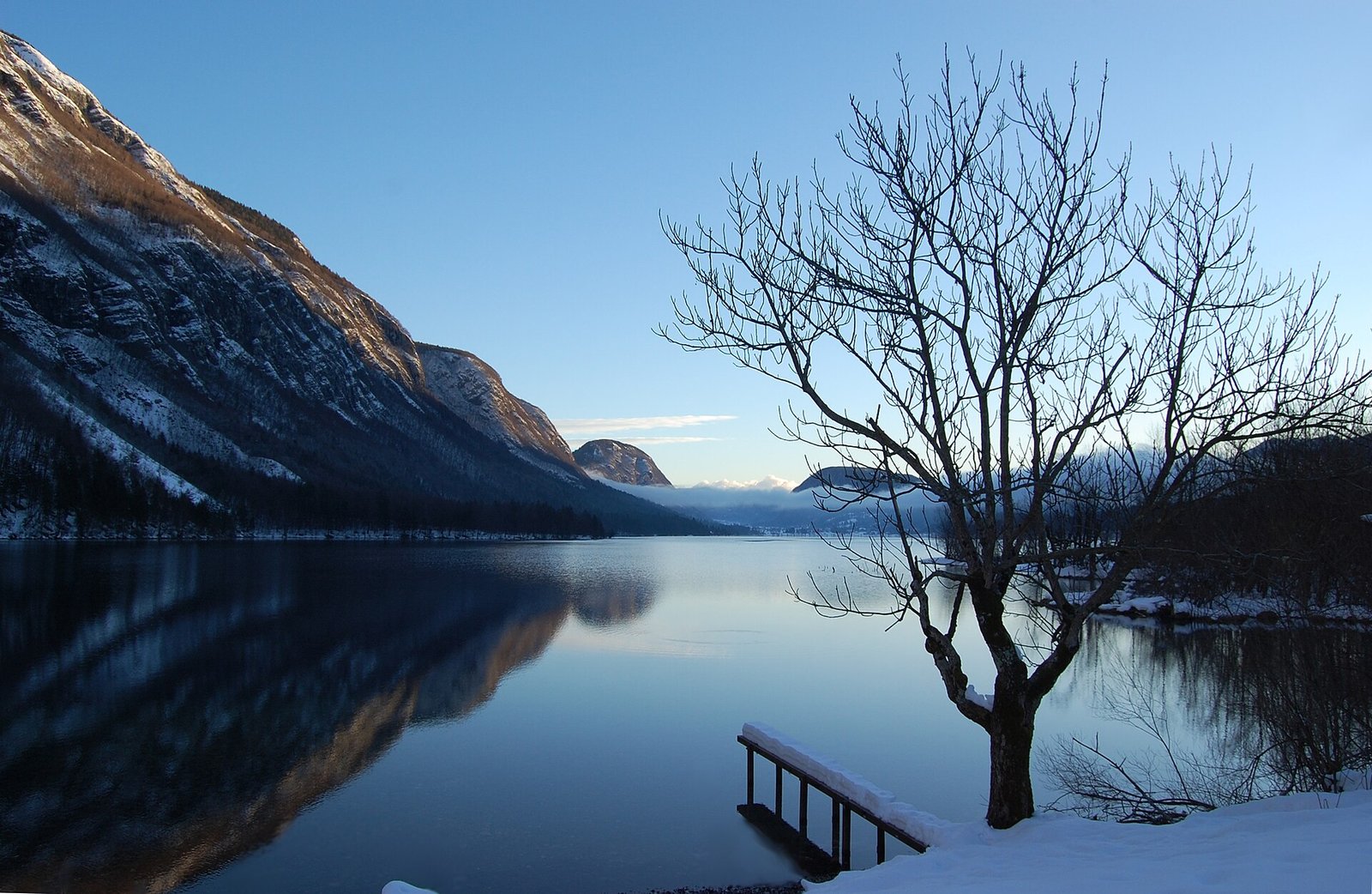
Vintgar Gorge is a seasonal, managed attraction with timed access and transport rules that can change; Bohinj is a broader alpine destination deserving a full day. Do not squeeze both into a Bled afternoon. Reserve or verify access before departure, wear shoes with grip, and follow one-way route instructions. Bohinj suits travelers with more time and a clear bus or car plan.
A PRACTICAL ROUTE
Suggested itinerary
Ljubljana riverside
Arrive, walk the market and central bridges, and eat near the river. Keep the first evening flexible for delayed transport.
Castle and city culture
Visit the castle in the morning, then choose one museum and a different neighborhood. Finish in Trnovo rather than repeating the same central streets.
Tivoli and local life
Walk Tivoli Park, explore a market or architecture route, and prepare an overnight bag for Bled. Move in the late afternoon if convenient.
Lake Bled
Circle the lake early, choose the island, castle, or one viewpoint, and leave the afternoon for swimming or a relaxed café.
Gorge or alpine extension
Use a confirmed Vintgar arrangement or a full Bohinj trip, then return with ample time for the final bus or an additional Bled night.
REALISTIC BUDGET
Estimated travel costs
A hostel or simple-room traveler using buses can plan around €75–125 per person per day. A mid-range trip with a shared hotel, restaurant dinner, paid castle or gorge access, and intercity transport commonly reaches €160–290. Bled weekends and summer lake views cost more. Compare tourist tax, breakfast, station transfers, parking, activity equipment, and cancellation terms. Treat Ljubljana and Lake Bled’s dollar figures as orientation. They convert Euro (EUR) at August 1, 2026 reference rates for Ljubljana and Lake Bled, before later market movement or payment fees.
TRAVEL WELL
Practical travel tips
- Check the exact Bled station or bus stop on every ticket; similarly named stops are not interchangeable.
- Reserve Bled lodging and any managed gorge access early in summer, but keep the outdoor day weather-flexible.
- Carry euros and a payment card; small rural businesses and lockers may have limited payment options.
- Use marked paths and current mountain guidance rather than following an old trail description after storms or snow.
- Dress for churches and cultural sites, and keep swimwear for designated lake areas.
- Save transport tickets and hotel directions offline because international roaming settings can fail after crossing borders.
- Do not drive into pedestrianized Ljubljana streets; confirm hotel drop-off and parking instructions before arrival.
- Solo travelers generally find both bases approachable, but should plan the last bus and avoid isolated trails after dark.
COMMON QUESTIONS
Ljubljana and Lake Bled travel FAQ
How many days do you need for Ljubljana and Lake Bled?
Five days allow three in Ljubljana and two around Bled. Seven days support Bohinj, slower museums, or weather flexibility without constant transfers.
Can you visit Lake Bled as a day trip?
Yes, direct buses make it practical from Ljubljana. Staying overnight provides quieter early and late hours and more flexibility for hikes or poor weather.
Do you need a car in Slovenia?
No for Ljubljana and Bled. Walking, buses, and trains support this route. A car becomes useful for remote valleys or a broader alpine circuit.
What is the best month to visit?
June offers long days before the heaviest summer pressure, while September often combines mild weather with fewer peak-season visitors.
Is Lake Bled expensive?
Lake-view hotels, boats, and summer restaurants can be expensive. Day-tripping, staying away from the shore, walking the lake, and using buses reduce costs.
Is the route suitable for solo travelers?
Yes. Both destinations are easy to navigate, but solo hikers should share routes, check conditions, and avoid unplanned remote paths or missed final buses.
KEEP EXPLORING
Related The Wander Muse guides
CHECK BEFORE DEPARTURE
Sources and official resources
Schedules, fares, closures, and timed-entry systems affecting Ljubljana and Lake Bled can change. Recheck the official resources below shortly before departure.