START HERE
Why visit Manchester
Manchester turns industrial heritage into a contemporary city break of music, design, football, and restaurants, with many leading museums offering free entry. A well-paced visit connects Northern Quarter, Science and Industry Museum, and John Rylands Library without turning every day into a race. Northern Quarter suits nightlife and design; Deansgate is central; Ancoats is food-focused; Salford Quays works for media and waterfront museums. The Manchester plan keeps Northern Quarter or Ancoats transfers realistic, leaves meal time near Northern Quarter and Ancoats, and stays readable on a phone. The city fits culture-focused weekends, solo travel, football or concert trips, and visitors using northern England’s rail network. The main practical issues are event-driven hotel prices, rain, stadium transport, and temporary museum works rather than a need for a rental car. The Manchester guide ties seasonal conditions to the main gateway, Northern Quarter or Ancoats, local-currency costs, and an itinerary centered on Northern Quarter and Ancoats.
AT A GLANCE
Manchester quick travel summary
Manchester prices are planning ranges. Confirm the final amount in Pound sterling (GBP), including taxes, booking terms, and exactly what each Manchester transport or activity ticket covers.
WHEN TO GO
Best time to visit
Spring (September–November)
In Manchester, this period brings longer daylight, blossom, wind, and rapidly changing temperatures. Weekends and event dates lift demand from winter levels. For Manchester, its main advantage is gardens, waterfronts, and lower-elevation walks; the disadvantage is that mountain snow and cold fronts can still close routes. Longer light and improving temperatures suit canal walks, while rain remains possible at any hour. Before an outdoor day in Manchester, recheck official weather and the transport needed for Northern Quarter and Ancoats.
Summer (December–February)
In Manchester, this period brings the warmest conditions, long light, and comparatively broad regional access. Rooms, cars, ferries, and tours reach their highest pressure. For Manchester, its main advantage is road trips, markets, coast days, and hiking; the disadvantage is that wind, sun exposure, and sudden cold remain possible. Festivals and events bring energy and hotel demand; warm spells can make older rooms without cooling uncomfortable. Before an outdoor day in Manchester, recheck official weather and the transport needed for Northern Quarter and Ancoats.
Autumn (March–May)
In Manchester, this period brings cooler mornings, seasonal color, and shortening daylight. Prices soften unevenly after the main holiday period. For Manchester, its main advantage is food, city walks, and selected regional drives; the disadvantage is that storms and early snow make high-country plans less dependable. September often balances mild weather with cultural calendars before nights become colder and wetter. Before an outdoor day in Manchester, recheck official weather and the transport needed for Northern Quarter and Ancoats.
Winter (June–August)
In Manchester, this period brings cold rain, short light, mountain snow, and occasional clear days. City accommodation may offer value outside festivals. For Manchester, its main advantage is museums, restaurants, and compact urban experiences; the disadvantage is that rural driving and exposed hiking require a much larger safety margin. Short daylight and frequent rain favor museums, music, and food, with festive weekends creating exceptions to low-season pricing. Before an outdoor day in Manchester, recheck official weather and the transport needed for Northern Quarter and Ancoats.
ARRIVING
How to get there
Manchester Airport connects to the city by frequent train, Bee Network transport, coach, taxi, and private transfer; the best choice depends on the terminal, arrival time, and exact hotel. Rail normally reaches Piccadilly efficiently, but service disruption or late-night maintenance should be checked before departure. Long-distance trains connect London, Edinburgh, Liverpool, York, and other cities through Piccadilly and Victoria. A taxi is easier with substantial luggage, while a car creates parking cost and restricted-street complications. Buy rail through an official retailer, allow for terminal walking, and never assume the final onward tram operates after a delayed late flight.
MOVING AROUND
Getting around
Central Manchester is walkable, with Bee Network trams and buses connecting Salford Quays, stadium areas, southern districts, and outer neighborhoods. Local rail can be useful for selected trips. Daily fare caps or contactless rules may provide value, but travelers should verify the product and use the same payment method consistently. Taxis help after events when trams crowd, while driving is unnecessary for a central stay. Cycling works on selected protected routes and canals for confident riders. Group Northern Quarter and Ancoats, central libraries and museums, and Salford Quays into separate zones. For a 3–4 days visit, use Northern Quarter or Ancoats for the arrival-focused days, group Northern Quarter and Ancoats with Science and Industry Museum, and protect John Rylands Library for the period with the best conditions. Put Northern Quarter and Ancoats and Science and Industry Museum on different Manchester stages; the separation protects meal time and a weather fallback. Accessible Manchester bookings should confirm walking access and the precise final approach to Northern Quarter and Ancoats.
CHOOSE A BASE
Where to stay
Northern Quarter or Ancoats — best for food, music, and nightlife
Independent restaurants, design, bars, and central walking create the city’s most energetic base. Weekend noise, street activity, and premium boutique rooms require careful selection.
Deansgate or central city — best for first-time convenience
Major libraries, shops, tram lines, and several museums are close, simplifying a short visit. Business and event dates can be expensive, and central streets remain lively late.
Salford Quays — best for waterfront museums and quieter evenings
The Quays suit media, football, and tram users who prefer modern space. The traditional center requires a ride, and the area can feel quiet outside events.
PLAN YOUR DAYS
Best things to do
Northern Quarter and Ancoats
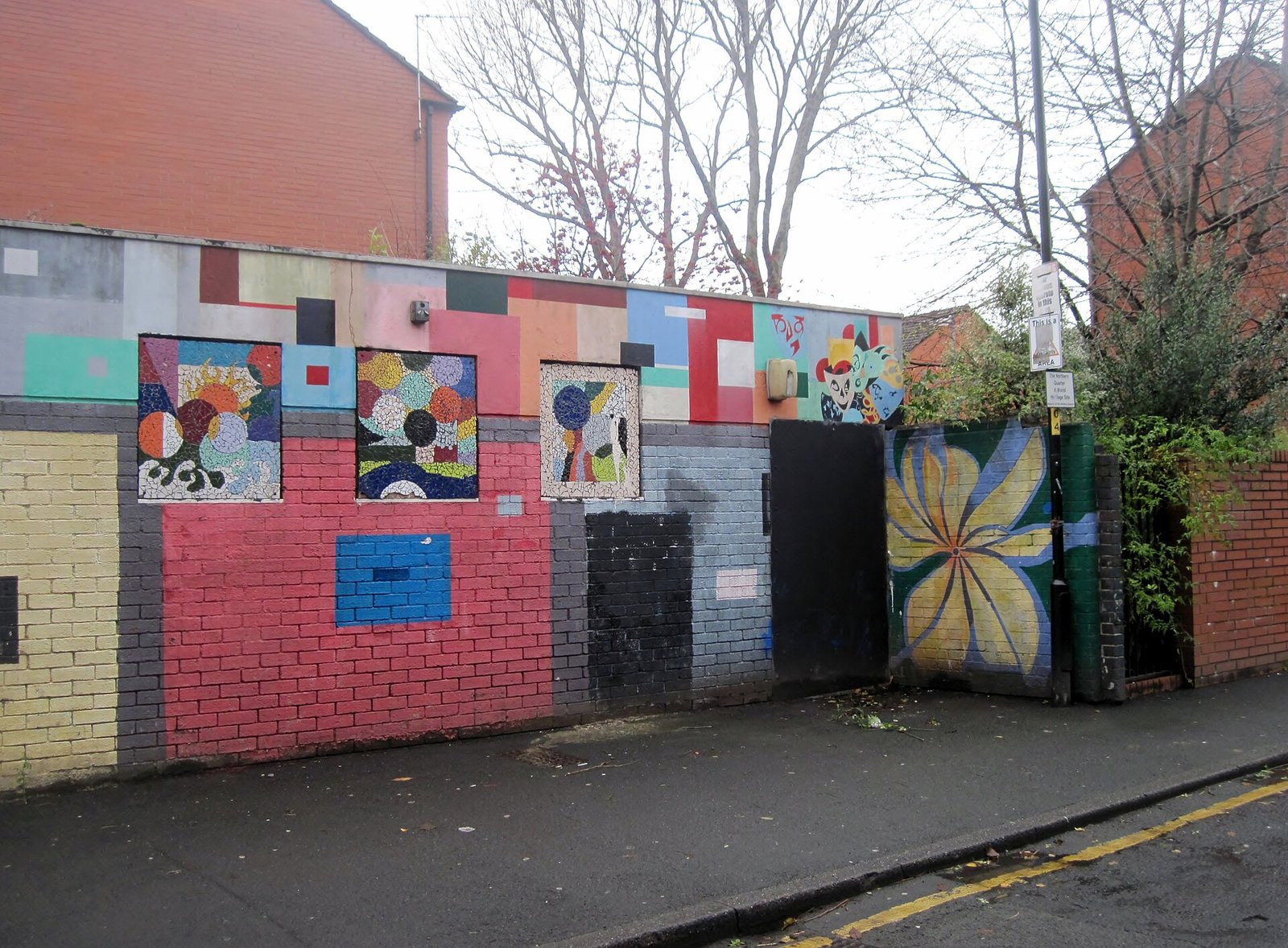
Street art, independent shops, music history, and restaurants reveal Manchester’s contemporary character. Allow 3–5 hours. Explore in daylight into early evening, reserve a priority restaurant, and avoid photographing people without permission. Keep Northern Quarter and Ancoats only when it serves the traveler’s Manchester priorities, not merely to lengthen the list.
Science and Industry Museum
Industrial and technological history explains the forces that shaped modern Manchester. Allow 2–4 hours. Check the official site for gallery closures or building works, because access can change during redevelopment. Keep Northern Quarter and Ancoats only when it serves the traveler’s Manchester priorities, not merely to lengthen the list.
John Rylands Library
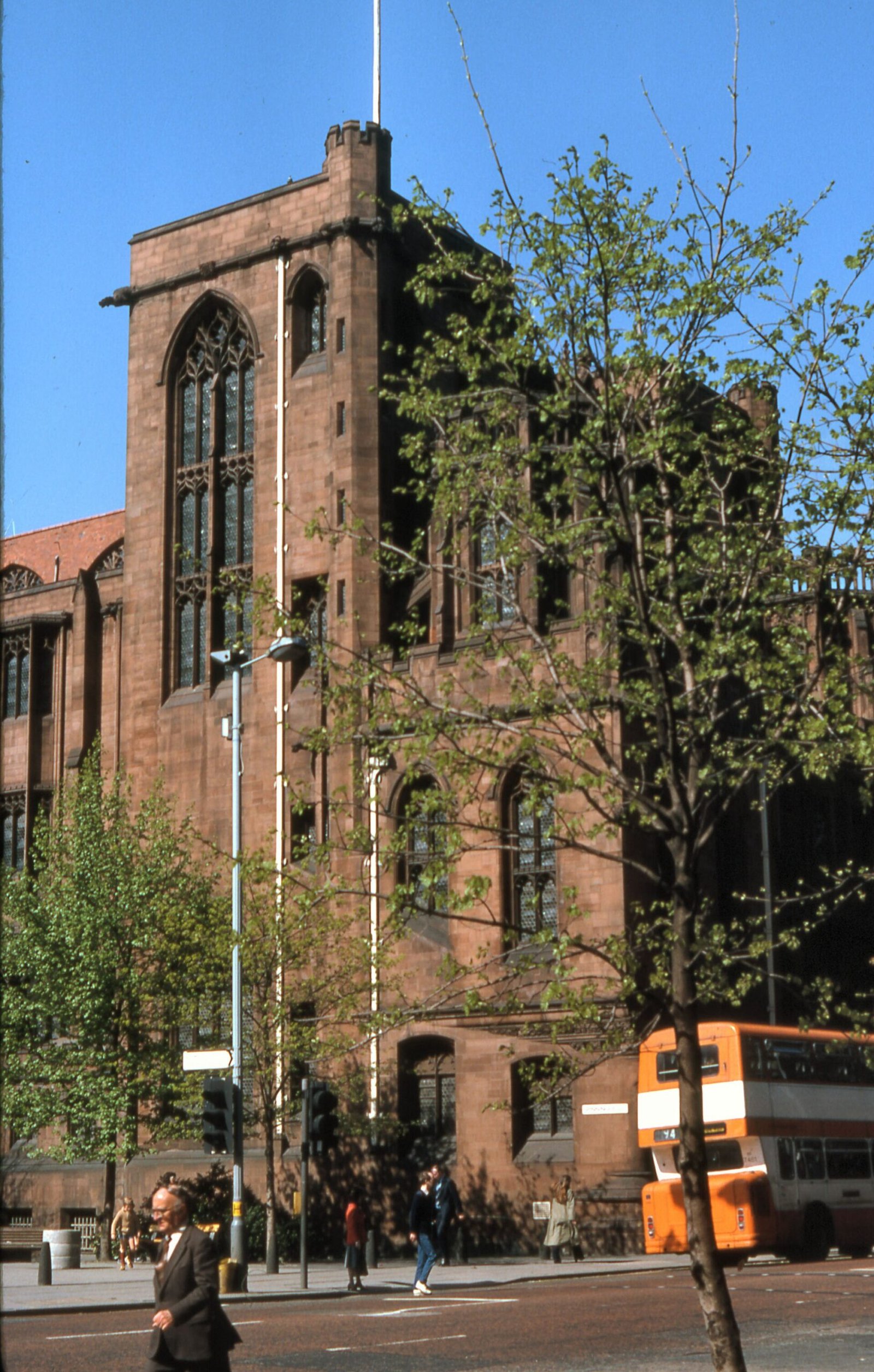
Gothic architecture and historic collections create one of the center’s most memorable free stops. Allow 1–2 hours. Verify visitor hours, remain quiet around researchers, and pair the library with Deansgate. Keep Northern Quarter and Ancoats only when it serves the traveler’s Manchester priorities, not merely to lengthen the list.
Football experience
A match, stadium tour, or National Football Museum visit can add context without requiring every traveler to be a devoted fan. Allow 3–6 hours. Buy only from official clubs or authorized sellers and follow event transport instructions. Keep Northern Quarter and Ancoats only when it serves the traveler’s Manchester priorities, not merely to lengthen the list.
Salford Quays and waterfront museums
Modern architecture, media spaces, museums, and canals form a distinct half-day west of the center. Allow 3–5 hours. Use the tram, check museum closed days, and stay for sunset only after confirming the late return. Keep Northern Quarter and Ancoats only when it serves the traveler’s Manchester priorities, not merely to lengthen the list.
A PRACTICAL ROUTE
Suggested itinerary
Central Manchester
Walk libraries, civic architecture, and Deansgate, then eat near the chosen hotel.
Industrial history and neighborhoods
Visit the museum during confirmed hours, continue through Castlefield, and finish in Ancoats.
Football or Salford Quays
Use official event timing for a match or tour, adding the Quays only when the route remains efficient.
Music, markets, and buffer time
Explore Northern Quarter, choose a performance, or protect the day against rail and weather changes.
REALISTIC BUDGET
Estimated travel costs
Manchester costs move most with May–June or September, booking timing, taxes, and the specific room location in Northern Quarter or Ancoats. Keep the Manchester budget in Pound sterling (GBP). Rounded dollar equivalents for Manchester use August 1, 2026 reference rates; actual card statements will differ.
TRAVEL WELL
Practical travel tips
- Check football, concert, and convention calendars before booking because one event can transform room prices.
- Carry a compact waterproof layer even when the morning forecast looks settled.
- Buy match tickets only from the club or an authorized seller; unofficial resale carries financial and entry risk.
- Verify museum building works and closed days instead of relying on an old itinerary.
- Solo travelers can use active central districts confidently with normal precautions, but should pre-plan the ride after a late venue closes.
- For Manchester, use licensed taxis, official transit, or well-reviewed ride-hailing after dark.
- For Manchester, keep phones and wallets secure in busy stations, markets, and nightlife districts.
- For Manchester, save the accommodation address offline and confirm the final train or bus before evening plans.
COMMON QUESTIONS
Manchester travel FAQ
How many days do you need in Manchester?
Manchester works best with 3–4 days for a first visit. A short Manchester trip should pair Northern Quarter and Ancoats with one nearby priority; extra time belongs to meals, weather, or walking delays.
Is Manchester expensive?
In Manchester, a budget traveler can plan around £65–110 (about US$88–148) per person per day before long-distance arrival costs. The largest Manchester premiums come from Northern Quarter or Ancoats, peak dates, private transport, and guided access to Northern Quarter and Ancoats.
Do you need a car in Manchester?
A car is unnecessary for central Manchester, the airport, stadiums, and Salford Quays. Rail, tram, bus, and walking are usually simpler.
What is the best month to visit Manchester?
September often combines mild weather with active cultural calendars and fewer school-holiday pressures than August.
Is Manchester safe for solo female travelers?
Many solo female travelers can plan Manchester with ordinary destination-appropriate precautions. Solo travelers can use active central districts confidently with normal precautions, but should pre-plan the ride after a late venue closes. For Manchester, a final review of official advice, local conditions, and the route from the main gateway belongs in the departure checklist.
What should you book in advance for Manchester?
Reserve football, concerts, popular dining, and event-weekend hotels. Many museums are free but may use timed entry for special exhibitions.
KEEP EXPLORING
Related The Wander Muse guides
CHECK BEFORE DEPARTURE
Sources and official resources
Schedules, fares, access rules, closures, and entry systems affecting Manchester can change. Recheck the official resources below shortly before departure.