START HERE
Why visit Yorkshire
Yorkshire combines medieval York, stone villages, open moors, industrial cities, abbey ruins, and a dramatic North Sea coast across England’s largest historic county. It suits history, rail travel, hiking, villages, coast, literature, families, and road trips and works best when York historic center and Yorkshire Dales stay on separate compact days. A first visit works best when York historic center, Yorkshire Dales, and Whitby and abbey are arranged around realistic transport and weather windows. York is the best first-time rail base, Skipton or Grassington supports the Dales, and Whitby places the coast and North York Moors within reach. Yorkshire planning connects York railway station; Leeds Bradford Airport (LBA) for selected flights, national rail, York, and York historic center with the six-row Pound sterling (GBP) budget and 5–8 days route below. Before booking Yorkshire, use the linked authorities to verify opening days, national rail, and any timed entry for York historic center.
AT A GLANCE
Yorkshire quick travel summary
Yorkshire prices are planning ranges rather than quotes. For Yorkshire, compare the final checkout total—not only the advertised price—and verify every transfer or ticket inclusion.
WHEN TO GO
Best time to visit
Spring (March–May)
Across Yorkshire, expect mild days, changeable rain, and lengthening daylight; conditions near York historic center can vary. For Yorkshire, crowds and prices are moderate except around school and public holidays. York historic center is the most practical Yorkshire focus during this period. The limitation is that visitors in Yorkshire should pack a waterproof layer and expect cool mornings. Rain, wind, short winter daylight, moorland fire risk, and seasonal bus or heritage-rail schedules affect rural plans. Recheck Yorkshire weather and the operating status of York historic center shortly before any weather-sensitive or reservation-dependent day.
Summer (June–August)
Across Yorkshire, expect the warmest weather and the longest usable days; conditions near Yorkshire Dales can vary. This is the busiest and most expensive period for Yorkshire. For Yorkshire, this window favors Yorkshire Dales. Schedule it only after accounting for the fact that visitors in Yorkshire should reserve accommodation and timed attractions early. Rain, wind, short winter daylight, moorland fire risk, and seasonal bus or heritage-rail schedules affect rural plans. Recheck Yorkshire weather and the operating status of York historic center shortly before any weather-sensitive or reservation-dependent day.
Autumn (September–November)
Across Yorkshire, expect cooler air, changing foliage, and shorter daylight; conditions near Whitby and abbey can vary. Expect lighter crowds after early September. This period creates better conditions for Whitby and abbey in Yorkshire; the main drawback is that visitors in Yorkshire should check reduced hours and weather-sensitive services. Rain, wind, short winter daylight, moorland fire risk, and seasonal bus or heritage-rail schedules affect rural plans. Recheck Yorkshire weather and the operating status of York historic center shortly before any weather-sensitive or reservation-dependent day.
Winter (December–February)
Across Yorkshire, expect cold conditions with the possibility of rain, snow, or storms; conditions near North York Moors Railway can vary. Expect quiet periods interrupted by holiday peaks. North York Moors Railway is the most practical Yorkshire focus during this period. The limitation is that in Yorkshire, transport disruption and limited daylight require buffers. Rain, wind, short winter daylight, moorland fire risk, and seasonal bus or heritage-rail schedules affect rural plans. Recheck Yorkshire weather and the operating status of York historic center shortly before any weather-sensitive or reservation-dependent day.
ARRIVING
How to get there
York is the most practical rail gateway, with direct services from London, Edinburgh, Manchester, and other cities. Leeds Bradford provides selected flights, followed by bus, taxi, or rail connections. Trains reach Leeds, Harrogate, Scarborough, and other towns, while rural Dales and moor routes may require seasonal buses or a car. Book long-distance rail through recognized operators and check engineering work. Drivers should expect narrow stone-walled lanes, livestock, limited village parking, and slower travel than a map suggests.
MOVING AROUND
Getting around
York and major towns are walkable and linked by rail. DalesBus and other local services can support specific car-free walks on operating days, but timetables are not frequent enough for every village combination. A small rental car increases rural flexibility, while heritage railways are experiences rather than a full transport network. Cyclists need hill, wind, and traffic preparation. Never park in passing places, block farm gates, or rely on mobile reception across moorland. For a 5–8 days visit, group York historic center with Yorkshire Dales, then protect Whitby and abbey for the strongest weather or access window. York historic center and Yorkshire Dales belong on separate compact Yorkshire stages; that leaves room for a delayed national rail connection. Accessible Yorkshire planning needs four checks: national rail boarding, surfaces, restrooms, and the final approach to York historic center.
CHOOSE A BASE
Where to stay
York — best for first-time history and rail
The Minster, walls, museums, restaurants, and national rail links support a car-free opening stay. Day-trip crowds and weekend room prices are high.
Skipton or Grassington — best for Yorkshire Dales access
Market-town services and nearby valleys make these practical hiking bases. Evening transport is limited and a car may still be useful.
Whitby — best for coast and North York Moors
Abbey views, harbor food, coastal paths, and moor connections create a distinctive final base. Summer crowds, steep streets, and scarce parking require planning.
PLAN YOUR DAYS
Best things to do
York historic center
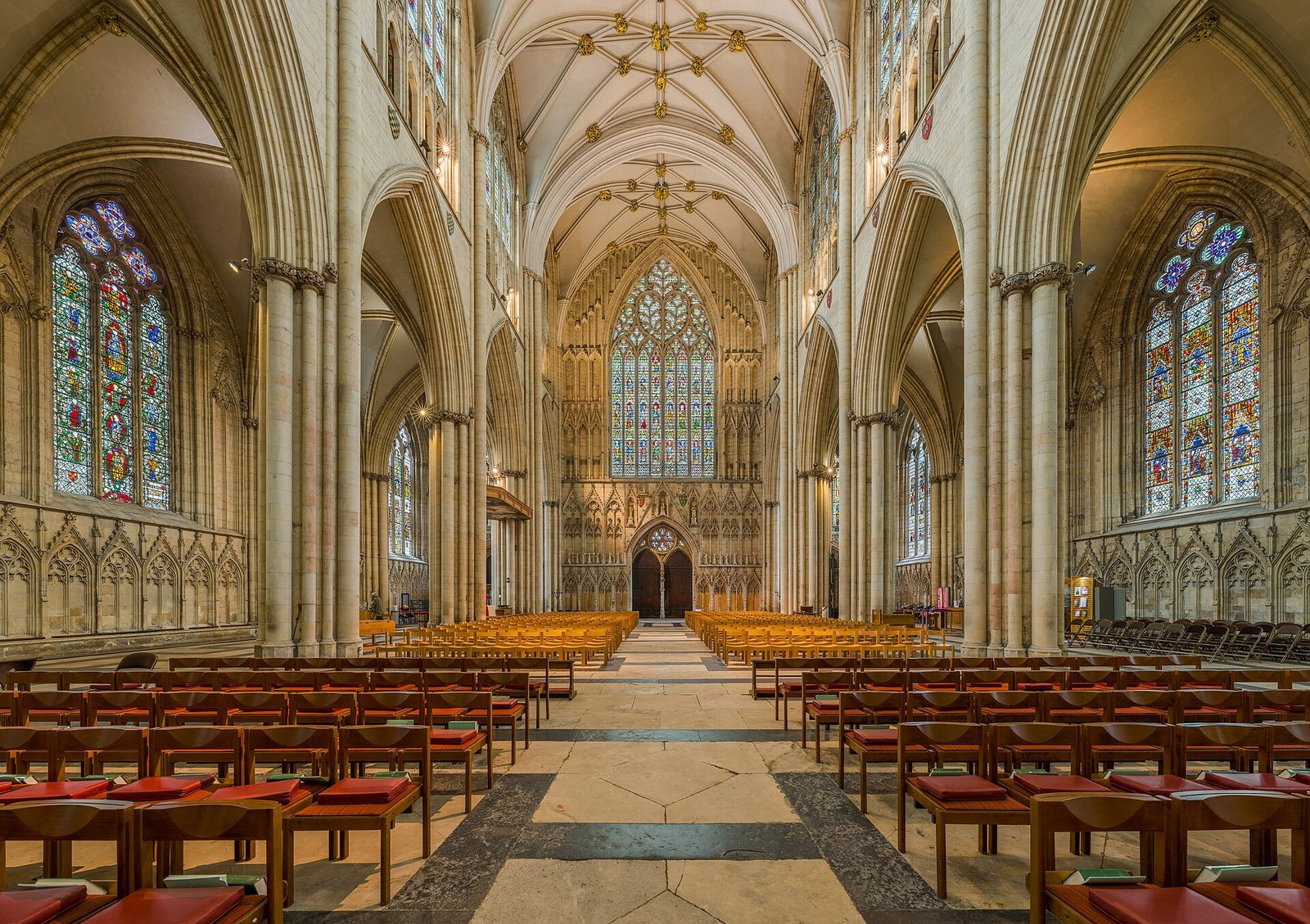
The Minster, walls, medieval lanes, and museums form one of England’s strongest compact history days. Allow Full day. Start early and spread paid interiors across the day. Priority attractions may need timed booking. Street and wall walks are free; interiors vary. Use park-and-ride or rail instead of central driving. It is best suited to first-time visitors and families; visitors with little time should retain York historic center only if it stays near another priority.
Yorkshire Dales
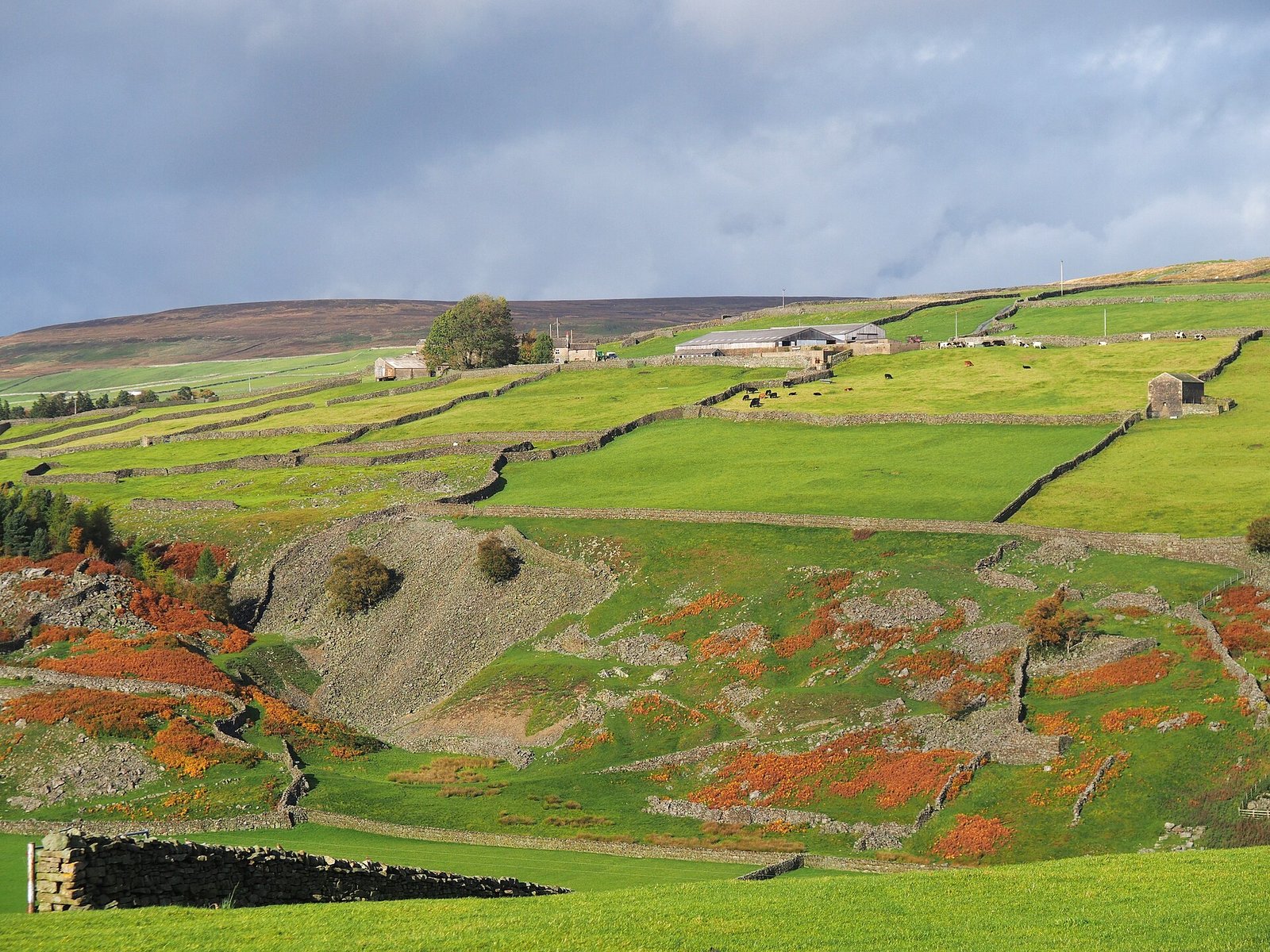
Limestone valleys, stone villages, waterfalls, and upland paths reward a base rather than a rushed coach circuit. Allow 1–3 days. Choose routes for forecast, daylight, and current path conditions. Popular parking or guided walks may need booking. Public paths are free; parking and attractions vary. Carry navigation and close gates behind you. It is best suited to hikers and slow travelers; on a short stay, keep Yorkshire Dales only when access and geography suit that day.
Whitby and abbey
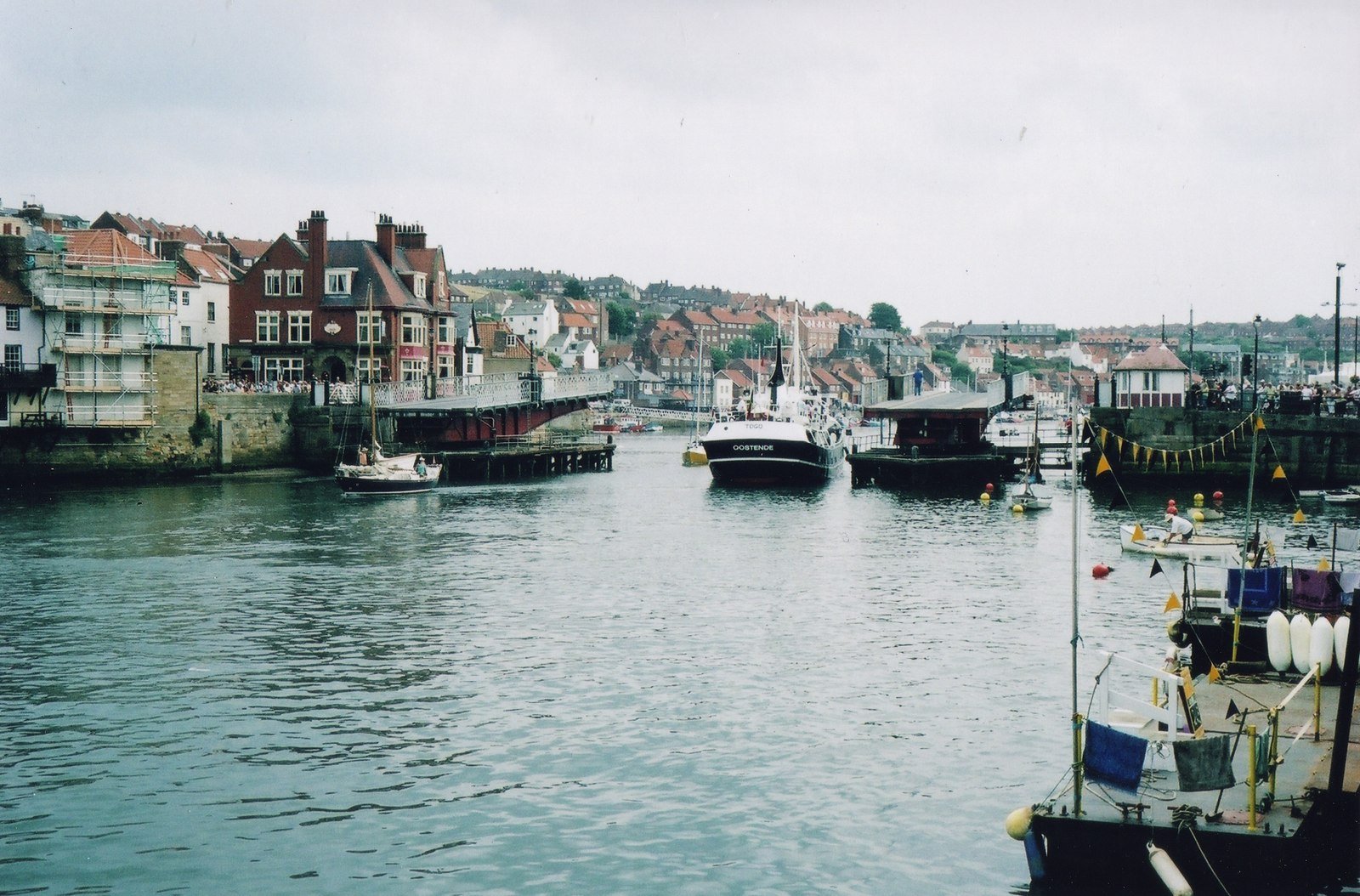
Harbor streets, headland ruins, and literary associations connect coast and history. Allow Full day. Arrive early and prepare for stairs and wind. Abbey entry may benefit from advance booking. Town walking is free; abbey admission applies. Check tide and cliff-path closures before coastal extensions. It is best suited to history, food, and coast travelers; On a short Yorkshire visit, Whitby and abbey should not force a cross-destination transfer.
North York Moors Railway
Heritage trains cross moorland and link atmospheric stations on a seasonal timetable. Allow Half to full day. Check operating dates and choose a route with realistic return trains. Advance reservation is recommended. Paid fares vary by service. Treat it as a scheduled journey, not a hop-on service with unlimited capacity. It is best suited to rail enthusiasts and families; time-limited visitors should add North York Moors Railway only when it fits the same area and current conditions.
Fountains Abbey or Saltaire
A major monastic ruin or model industrial village adds a different layer of Yorkshire history. Allow 3–5 hours. Choose one based on the route rather than crossing the county twice. Fountains Abbey entry and tours may need booking. Saltaire streets are free; individual sites vary. Check National Trust or museum opening times. It is best suited to architecture and UNESCO travelers; visitors with little time should retain Fountains Abbey or Saltaire only if it stays near another priority.
A PRACTICAL ROUTE
Suggested itinerary
York arrival
Arrive by rail, walk the walls or river, and keep the first museum visit modest.
York in depth
Visit the Minster early, choose one major museum, and use evening streets after day-trip crowds leave.
Move to the Dales
Travel to Skipton or Grassington, stopping only where it fits the rail or road route.
Dales walk
Use the best forecast for one proper valley or upland route and retain a village alternative for rain.
Cross to the moors
Move toward Pickering or Whitby without stacking a long hike on the transfer day.
Heritage railway and moors
Use the booked train schedule and add only a short walk connected to the same stations.
Whitby coast
Visit the abbey and harbor, check cliff conditions, and depart with a weather and traffic buffer.
REALISTIC BUDGET
Estimated travel costs
Yorkshire costs move most with May–June or September, booking timing, taxes, and the exact position of a room in York. Keep the Yorkshire budget in Pound sterling (GBP). Rounded dollar equivalents for Yorkshire use August 1, 2026 reference rates; actual card statements will differ.
TRAVEL WELL
Practical travel tips
- Check National Rail engineering work and rural bus dates before committing to a car-free route.
- Carry waterproof layers, warm clothing, navigation, food, and a charged phone on moor and Dales walks.
- Close farm gates, keep dogs controlled, and follow rights of way without entering private land.
- Book York, Whitby, and Dales rooms early for summer and bank-holiday weekends.
- Use park-and-ride in York and never block passing places or gates in villages.
- Check tides, cliff closures, and wind before coastal paths.
- Cards are common, but retain some sterling for rural parking and small businesses.
- Solo hikers should share the route and choose conservative daylight plans when buses are infrequent.
COMMON QUESTIONS
Yorkshire travel FAQ
How many days do you need in Yorkshire?
5–8 days is a practical first-visit range for Yorkshire. If 5–8 days is not available, keep one compact Yorkshire base and York historic center; additional days are most useful as weather and transport buffers.
Is Yorkshire expensive?
In Yorkshire, a realistic daily planning range is £75–125 (about US$101–169) budget; £180–330 (about US$243–445) mid-range, per person. Costs rise fastest when a Yorkshire trip combines the most convenient base with peak-season rooms and privately arranged outings.
Do you need a car in Yorkshire?
A car is unnecessary in York and on main rail routes, but useful for remote Dales and moor villages. A carefully timed rural bus itinerary is possible on selected days.
What is the best month to visit Yorkshire?
June often combines long daylight, active seasonal services, and greener landscapes before peak school-holiday pressure.
Is Yorkshire safe for solo female travelers?
Yorkshire is generally comfortable for solo women. City precautions are ordinary, while solo moor and Dales walks require route sharing and reliable transport. Recheck official travel advice for Yorkshire, then compare it with the latest conditions affecting York historic center.
What should you book in advance for Yorkshire?
Reserve York and Whitby rooms, heritage trains, major historic interiors, rural guides, and holiday-period rail.
KEEP EXPLORING
Related The Wander Muse guides
PLAN WITH CURRENT INFORMATION
Official resources
For Yorkshire, opening hours, fares, permits, weather rules, and transport arrangements can change. Use the linked authorities to recheck Yorkshire access, opening times, and transport before departure.