START HERE
Why visit Big Sky
Big Sky spreads across a high Montana mountain valley where a major ski resort, summer trails, rivers, ranch landscapes, and access toward Yellowstone create a year-round outdoor base. It suits skiers, snowboarders, hikers, mountain bikers, families, couples, anglers, and road-trippers willing to plan around weather and distance. Five days allow three focused mountain days, one valley activity, and a weather buffer; Yellowstone requires a separate full day and an early start. This guide explains seasonal extremes, Bozeman airport transfers, car needs, accommodation areas, realistic costs, and an efficient itinerary. The central planning challenge is dispersion: Mountain Village, Meadow Village, trailheads, and Yellowstone roads are not one walkable resort core. Choose lodging around the primary season and activity, reserve constrained transport and lessons, and build conservative mountain safety margins.
AT A GLANCE
Big Sky quick travel summary
Lodging, lift access, lessons, rental cars, and shuttles vary dramatically by season. Use these as planning ranges and verify resort dates, insurance, fees, weather policies, and cancellation terms.
WHEN TO GO
Best time to visit
Winter (December–March)
Winter brings the main ski season, deep cold, snow, short daylight, and rapidly changing mountain conditions. Holiday and school-break lodging is expensive, while lift, lesson, and rental capacity may sell out. Reserve the fixed elements early, carry true winter layers, and never assume an all-wheel-drive vehicle removes the need for safe driving or traction compliance.
Spring (April–May)
Spring is a transition with variable snow, mud, limited resort operations, and many mountain trails still unsuitable. Some businesses close between seasons, making food and transport less convenient. Prices can be lower, but activity choice is narrow. Verify every lift, trail, and restaurant, avoid muddy paths, and prepare for winter conditions at elevation even on a warm valley day.
Summer (June–August)
Summer supports hiking, biking, rafting, fishing, and Yellowstone trips, with long days and strong family demand. Afternoon thunderstorms, smoke, heat, and wildlife require flexibility. Lodging and rental cars remain expensive. Start exposed activities early, carry layers and bear spray where recommended, and avoid scheduling Yellowstone as a short afternoon outing.
Fall (September–November)
September can provide clear hiking weather and lighter crowds, followed by colder nights, snow risk, and reduced services. Hunting seasons affect some public lands and require awareness. October and November are quiet transition months rather than guaranteed autumn hiking. Wear visible colors where advised, check access and closures, and reserve flexible lodging around early storms.
ARRIVING
How to get there
Bozeman Yellowstone International Airport is the principal gateway, roughly a substantial mountain-road transfer from Big Sky. Pre-booked shuttles, authorized taxis, rental cars, and private transfers operate according to season and demand; verify schedules and flight-delay policies before travel. There is no passenger rail service to Big Sky. Drivers reach the valley primarily along U.S. Highway 191, a scenic but wildlife-prone corridor that can be icy, congested, or slow after dark. The easiest option for a resort stay is a confirmed airport shuttle plus local resort transport; a rental car is useful for dispersed lodging, summer trailheads, and Yellowstone. The cheapest depends on group size and parking. Avoid arriving with no transfer during holiday weeks, and never build a tight departing flight around a winter road journey.
MOVING AROUND
Getting around
Big Sky is not fully walkable. Mountain Village, Meadow Village, Town Center, and dispersed rentals require shuttles, buses, rides, or a car. Seasonal local services may connect key areas, while the ski resort operates its own access systems; check current maps and final service times. A rental car adds freedom but must match winter conditions, parking rules, and driver ability. Taxis and rideshare supply are limited, so reserve late dinners or airport transfers rather than assuming an app will find a vehicle. Summer bicycles work on designated trails, not as universal valley transport. Choose a base tied to the primary activity: slope access for ski days, Town Center for restaurants, or canyon lodging only when a car and isolation are acceptable.
CHOOSE A BASE
Where to stay
Mountain Village — best for ski access and resort families
Slope-side lodging places lifts, rentals, lessons, and resort dining close together, reducing winter driving. It suits first-time ski groups and families prioritizing convenience. Rates, fees, and restaurant prices are high, while evening choice is limited compared with Town Center. Confirm true ski-in access, altitude, parking, and whether amenities operate on the travel dates.
Meadow Village or Town Center — best for restaurants and year-round convenience
The valley center offers groceries, restaurants, community events, and access to local transport, with a broader range of lodging. Couples, mixed-activity groups, and summer travelers often prefer it. Reaching ski lifts requires a shuttle or car, and winter return times matter. Choose accommodation close to the actual stop rather than relying on a broad area label.
Gallatin Canyon or outlying rentals — best for scenery and quiet
Canyon lodges and secluded homes provide river or forest atmosphere and may suit anglers, families, and larger groups. They require a car, careful winter driving, and advance groceries or dinner planning. Mobile service and rides can be limited. Verify the road, snow removal, emergency access, cleaning fees, and distance to Big Sky before committing.
PLAN YOUR DAYS
Best things to do
Big Sky Resort ski or bike day
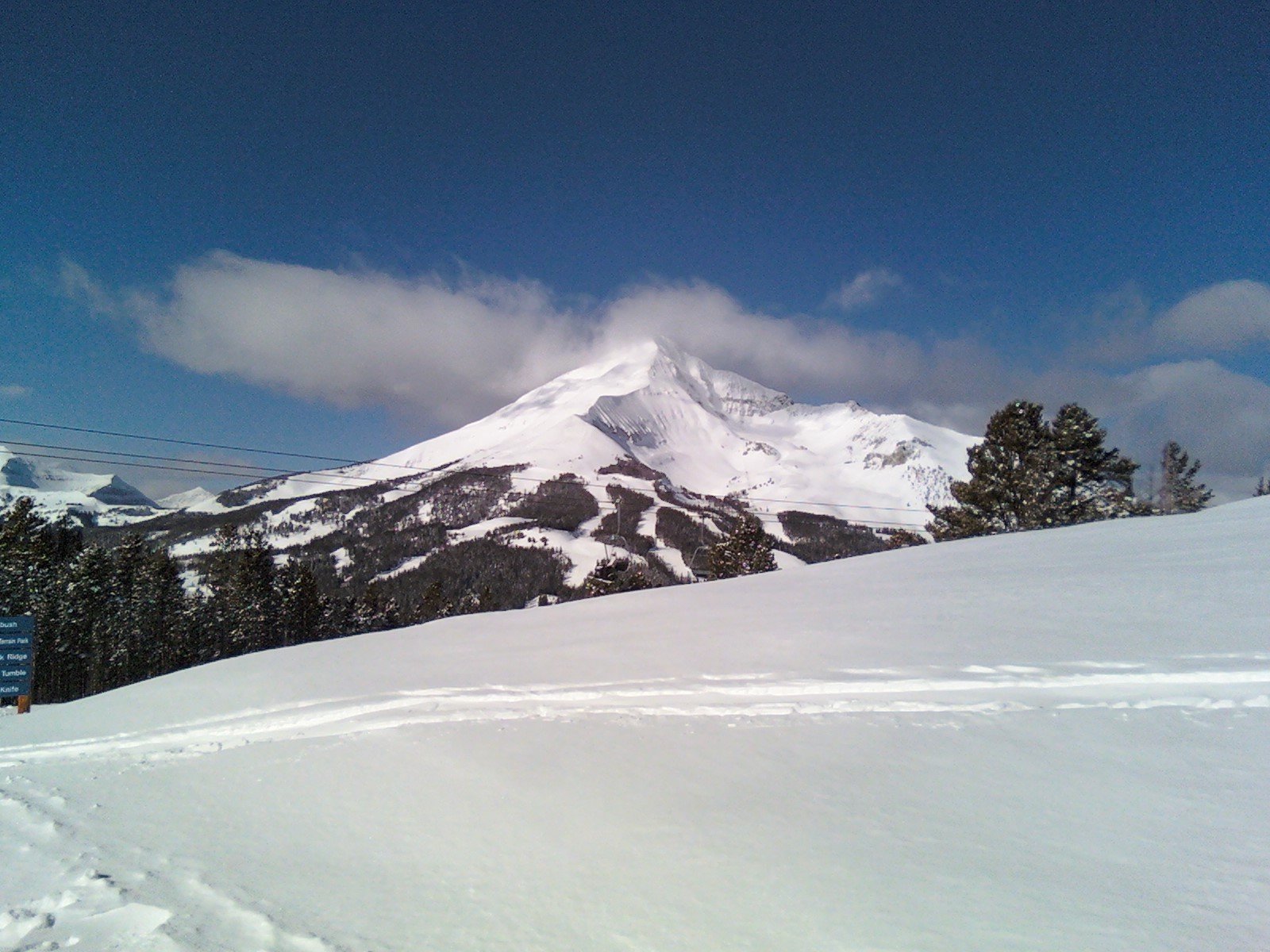
The resort’s large terrain deserves a full day matched to ability, weather, and current operations. Reserve lessons and equipment early on peak dates, review lift access officially, and begin with conservative terrain. In summer, bike parks require appropriate skills and protection. Mountain conditions change quickly; obey patrol, closure, and lightning instructions rather than pursuing a fixed summit plan.
Lone Peak experience or high-alpine viewpoint
High-elevation access can provide exceptional views but may require special tickets, equipment, fitness, and weather approval. Allow half a day and verify age, footwear, altitude, and operating restrictions directly. It is unsuitable during storms or for travelers with certain health conditions. A lower-elevation scenic option is still worthwhile when the summit closes, so never make the entire trip depend on one ride.
Ousel Falls or another appropriate local trail
Ousel Falls offers an accessible introduction to the valley, though snow, ice, mud, and crowds change difficulty. Allow one to two hours and use traction or turn back when conditions demand. For longer hikes, use official land-management information, carry bear spray where recommended, make noise, and keep distance from wildlife. Never approach a moose for a photograph.
Gallatin River activity
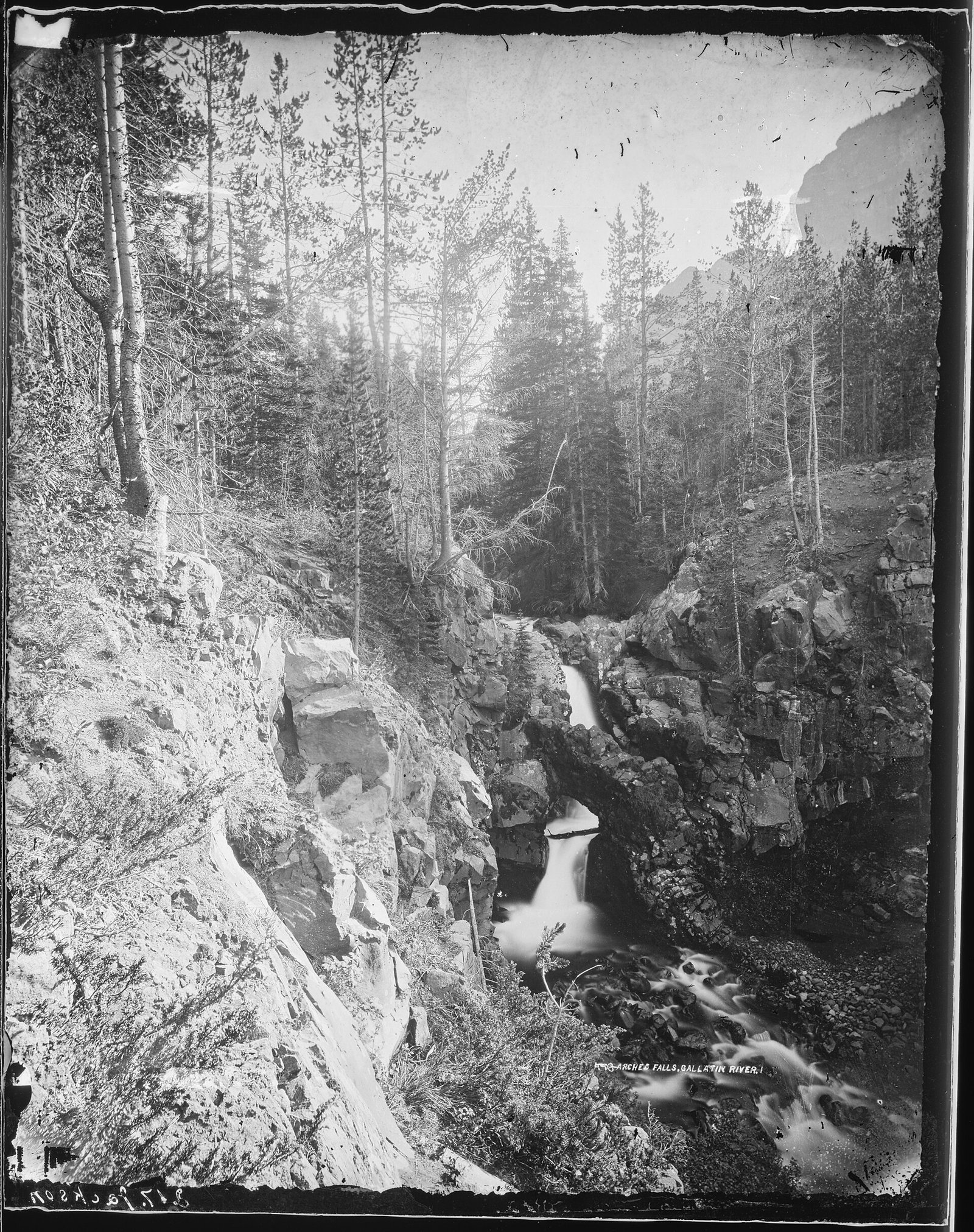
Rafting, fly-fishing, and riverside scenery provide a different experience from the resort. Book a reputable licensed or permitted outfitter, disclose ability, and follow cold-water safety instructions. Allow half or a full day. River levels and temperatures vary by season. Wear provided safety equipment, protect sensitive banks, and do not wade unfamiliar water alone.
Yellowstone day trip
Big Sky can access Yellowstone’s west side, but a meaningful outing requires a full day and substantial driving. Choose one park region rather than attempting the entire loop. Check National Park Service roads, entrances, weather, and wildlife guidance before departure. Start early, carry food and layers, and maintain safe animal distances. Never schedule the return close to a flight.
A PRACTICAL ROUTE
Suggested itinerary
Arrive and prepare
Complete rentals or groceries, learn the shuttle system, and take a short altitude-adjustment walk. Keep the evening near the lodging.
Primary mountain day
Ski, bike, or hike according to season and ability, starting conservatively and obeying all patrol or weather closures.
Valley and river
Choose Ousel Falls plus Town Center, or a reserved rafting or fishing experience. Avoid stacking it after a long Yellowstone drive.
Yellowstone
Leave early for one park region, follow current road and wildlife guidance, and return before fatigue and darkness compound the canyon drive.
Weather-flexible finish
Use the best forecast for another resort day, a guided outing, or quiet valley time, leaving ample airport-transfer margin.
REALISTIC BUDGET
Estimated travel costs
A budget Big Sky trip is difficult in peak ski season but may run US$150–250 per person per day with shared lodging and limited paid access. A mid-range trip with a shared condo, car or shuttle, resort tickets, rentals, and restaurant meals commonly reaches US$350–700. Holidays exceed this range. Compare resort fees, taxes, parking, equipment, insurance, and cancellation policies.
TRAVEL WELL
Practical travel tips
- Reserve airport transfers, lodging, lessons, and rental equipment before peak ski or summer dates fill.
- Treat Highway 191 as a mountain wildlife corridor, not a fast airport road; avoid fatigued or rushed driving.
- Carry layers, water, sun protection, and weather information even on a short lift-served outing.
- Use bear-aware practices, maintain wildlife distance, and carry bear spray where land managers recommend it.
- Do not rely on rideshare for late or remote trips; confirm transport and final shuttle times.
- Acclimatize gradually and stop activity for severe headache, breathing difficulty, or other concerning symptoms.
- Follow official fire, smoke, avalanche, trail, and lightning guidance rather than an old trip report.
- Solo travelers should share routes, carry offline navigation, and avoid unsupported backcountry activity.
COMMON QUESTIONS
Big Sky travel FAQ
How many days do you need in Big Sky?
Four days cover three mountain or valley activities. Five to seven days add Yellowstone and weather flexibility without turning every day into a transfer.
Do you need a car in Big Sky?
A resort-focused winter stay can work with an airport shuttle and local services. A car is useful for summer trailheads, groceries, dispersed lodging, and Yellowstone.
What is the best month to visit Big Sky?
February and March often offer strong ski conditions, while July and September work well for summer trails. Weather and smoke vary each year.
Is Big Sky expensive?
Yes, particularly for slope-side lodging, lift access, lessons, rentals, and airport transport. Shared condos, groceries, and shoulder dates help.
Can you visit Yellowstone from Big Sky?
Yes as a full-day trip to a selected region. Road conditions, entrance status, traffic, and wildlife stops make a complete park loop unrealistic.
Is Big Sky good for beginners?
Yes with professional lessons and terrain matched to ability. Beginners should reserve instruction, disclose fitness, and avoid progressing based on group pressure.
KEEP EXPLORING
Related The Wander Muse guides
CHECK BEFORE DEPARTURE
Sources and official resources
Schedules, fares, closures, and timed-entry systems affecting Big Sky can change. Recheck the official resources below shortly before departure.