START HERE
Why visit Vail
Vail combines a large ski mountain, pedestrian villages, summer trails, events, and easy in-town buses within Colorado’s high Rockies. It suits skiers, snowboarders, hikers, mountain bikers, families, couples, and travelers willing to pay for a polished resort experience. Five days allow three mountain days, one valley or culture day, and weather flexibility without turning a short stay into a rushed regional road trip. This guide explains the winter and summer seasons, Eagle and Denver airport transfers, village bases, realistic costs, and an efficient itinerary. The main planning issue is expense and altitude: lodging, parking, lift access, lessons, dining, and transfers accumulate quickly, while exertion above 8,000 feet can affect newcomers. Reserve the constrained elements, use free local transport, and build a lighter first day before demanding terrain.
AT A GLANCE
Vail quick travel summary
Vail is expensive, with large seasonal changes in rooms, lifts, lessons, rentals, and transfers. Use these as planning ranges and verify resort dates, fees, insurance, parking, and cancellation terms.
WHEN TO GO
Best time to visit
Winter (December–March)
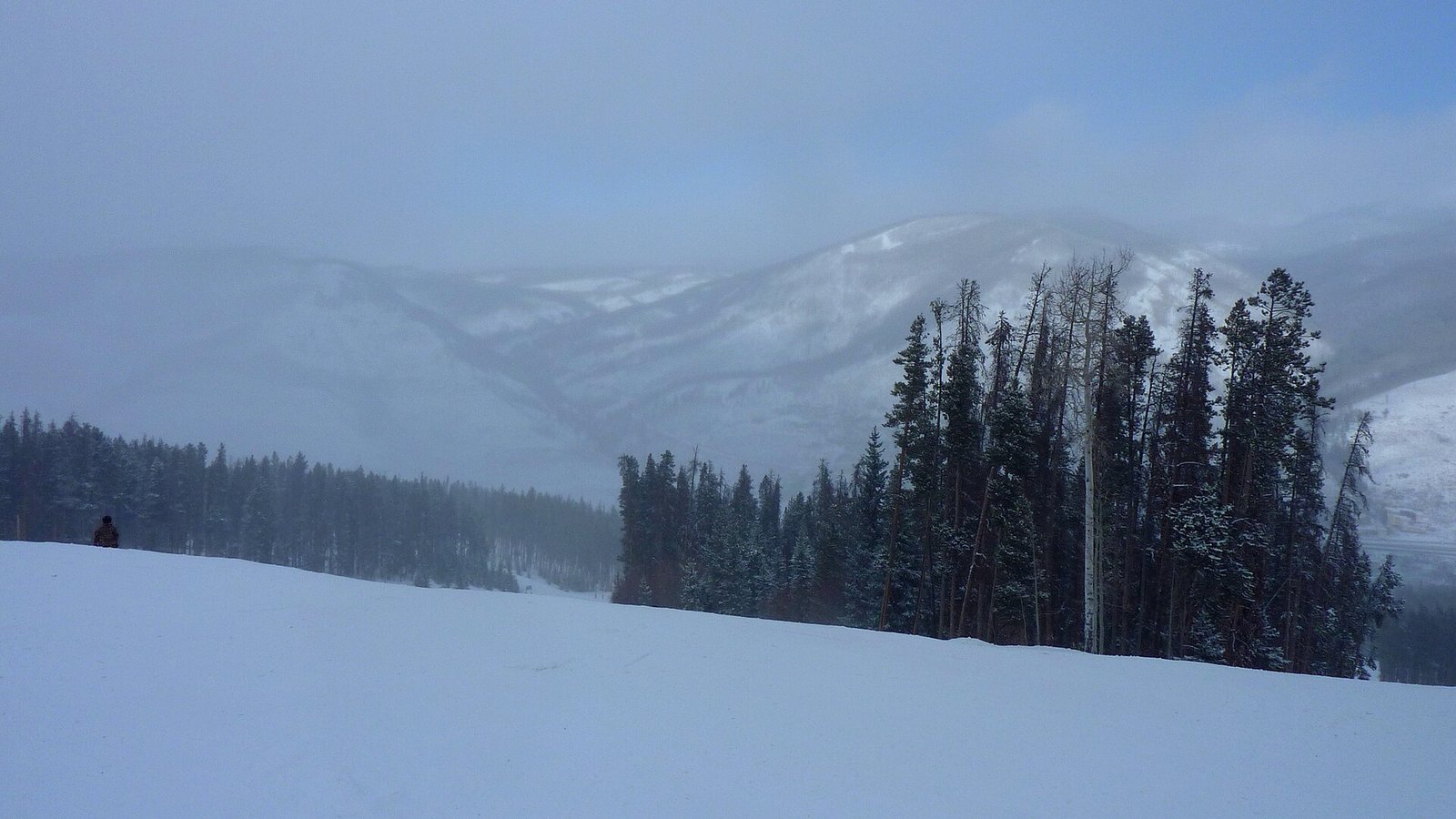
Winter brings skiing, deep cold, snowfall, holiday demand, and possible Interstate 70 disruption. January through March often offers the strongest overall ski period, but conditions vary. Reserve rooms, lessons, equipment, and transfers early. Carry proper layers, follow patrol and avalanche guidance, and never assume a booked flight protects the road journey to Denver.
Spring (April–May)
April can support late-season skiing according to operations, followed by mud season with limited lifts, trails, and restaurants. May weather alternates between snow and warm sun while high routes remain unsuitable. Prices may fall, but activity choice narrows. Confirm every business and trail, avoid muddy surfaces, and use the transition for spas, dining, and lower-elevation walks.
Summer (June–August)
Summer supports hiking, biking, gardens, concerts, and family travel with cool mornings and strong sun. Afternoon thunderstorms are a recurring mountain hazard, and festival weekends raise prices. Start high or exposed activities early, descend for lightning, and reserve event lodging. Smoke and fire restrictions vary each year, requiring official updates.
Fall (September–November)
September can offer aspens and comfortable trails, followed quickly by colder nights, snow risk, and shoulder-season closures. Foliage weekends are busy and exact timing varies. October and November are not guaranteed hiking months. Carry winter-capable layers, check lift and restaurant schedules, and avoid driving mountain passes casually after storms.
ARRIVING
How to get there
Eagle County Regional Airport is the closest commercial airport, with seasonal flight patterns and road transfers through the valley. Denver International Airport offers more routes but requires a long Interstate 70 journey vulnerable to traffic, snow, closures, and weekend ski congestion. Shared shuttles, private transfers, rental cars, and regional bus combinations operate according to season; reserve rather than expecting a same-day vehicle. The easiest resort stay is a confirmed shuttle to a village hotel, followed by free local buses. A rental car is useful for a wider Colorado route but creates parking costs in Vail. The cheapest option depends on group size and airfare. Leave a major buffer before a DEN flight and never schedule the final shuttle around a best-case mountain drive.
MOVING AROUND
Getting around
Vail’s central villages are pedestrianized and connected by free Town of Vail buses, making a car unnecessary for most resort activities. Verify routes, operating periods, and final service times. Eagle County regional transit supports selected valley journeys, while hotel and resort shuttles fill some gaps. Walking is easy within villages but altitude, snow, ice, and uneven paths matter. Bicycles work on designated summer paths and trails according to ability. Taxis and rideshare availability is limited during peak demand, so pre-book airport and late regional transfers. Drivers should use official parking, understand winter traction laws, and avoid moving the car daily. Choose lodging near the bus route that serves the actual lift or activity.
CHOOSE A BASE
Where to stay
Vail Village — best for first-time resort convenience
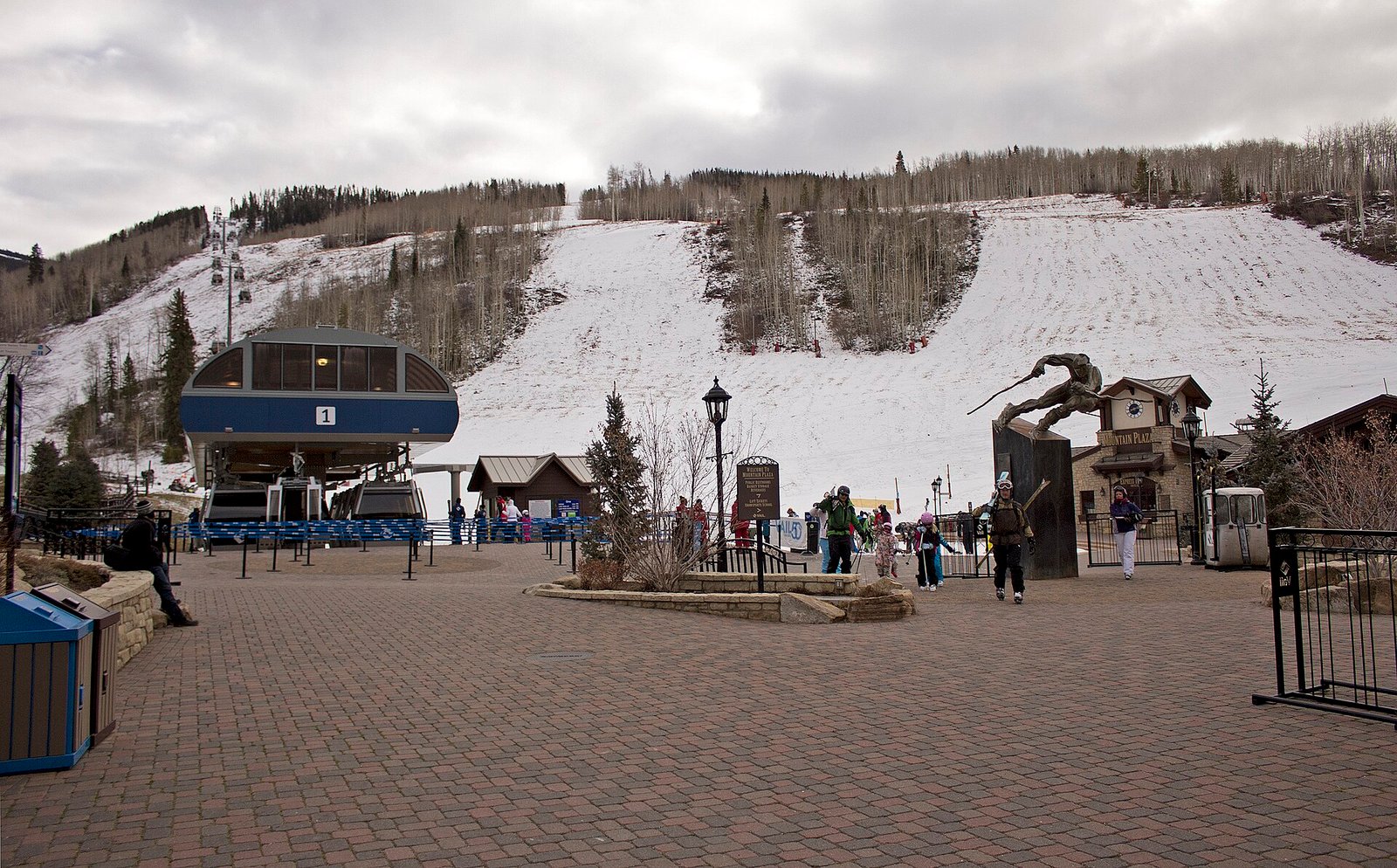
Vail Village places lifts, restaurants, shops, and pedestrian streets close together. It suits short ski trips, couples, and visitors who prioritize atmosphere. Rooms, valet parking, and dining are exceptionally expensive, while evening noise varies around events. Confirm the walking distance in boots and whether the property stores ski or bicycle equipment.
Lionshead — best for families and lift access
Lionshead offers gondola access, lodging, rentals, dining, and a slightly more contained village arrangement. Families and groups often value its convenience. Prices remain high, and crossing to eastern Vail requires a bus or walk. Check lesson meeting points, because the closest lift is not automatically the correct ski-school base.
West Vail or Avon — best for value and longer stays
West Vail provides groceries, condos, and bus access; Avon offers a separate valley center with connections toward Beaver Creek and regional services. Both can reduce lodging costs. They require transport planning, and late dinners or early lessons become less convenient. Stay only after confirming the exact bus, parking, and transfer schedule.
PLAN YOUR DAYS
Best things to do
Vail Mountain ski or bike day
The mountain deserves a full day matched to ability and current terrain. Reserve lessons, lift access, and equipment early on peak dates, then begin conservatively. Summer bike terrain requires skills and protective equipment. Weather, wind, avalanche control, and lightning can close lifts. Follow patrol instructions and do not leave marked or open terrain based on an old map.
Betty Ford Alpine Gardens and village walks
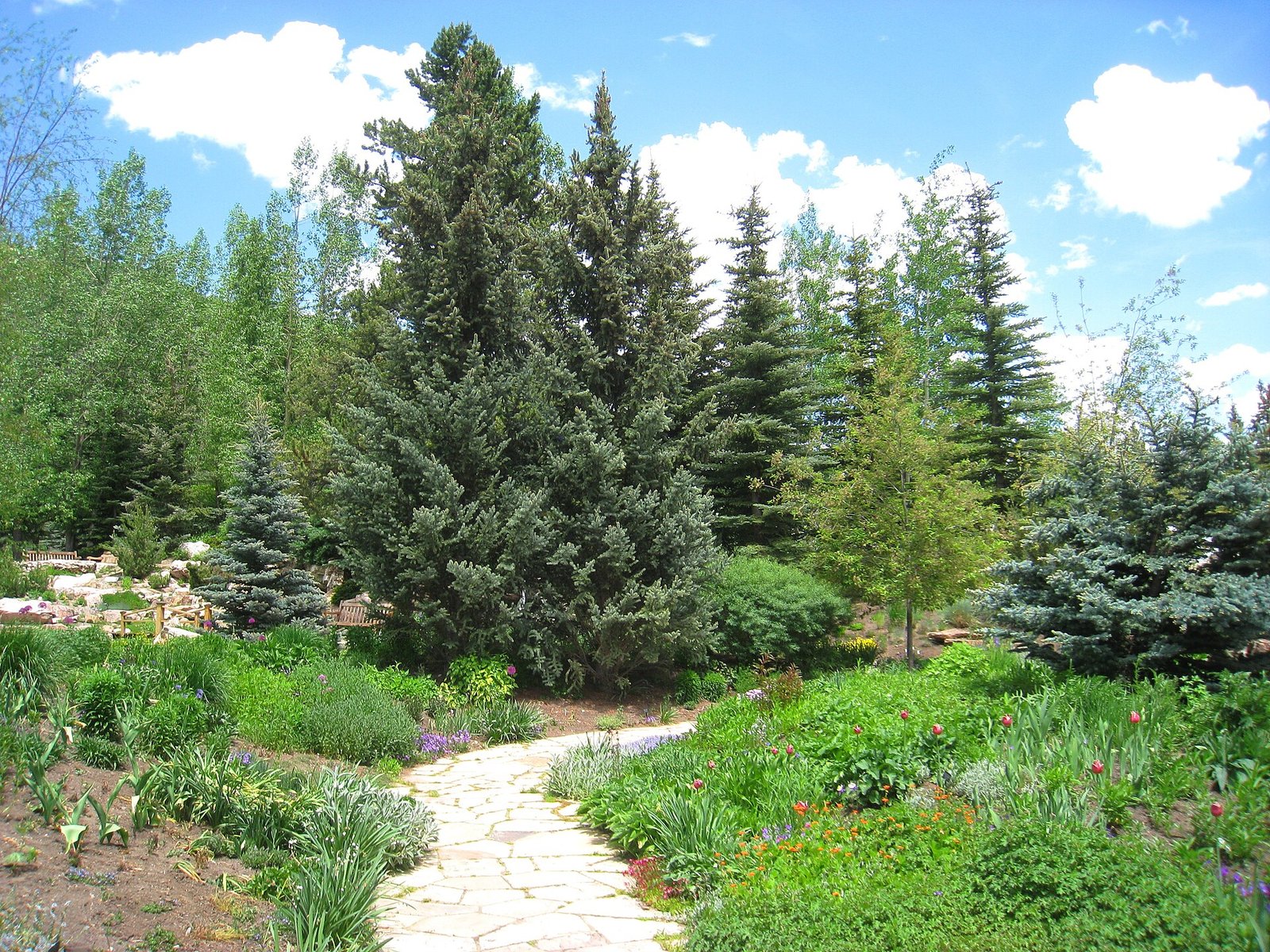
The high-elevation gardens and nearby public spaces offer a lower-intensity summer experience, generally requiring one to two hours. Check seasonal opening and program information because snow covers the area much of the year. Combine the gardens with a village architecture or creek walk, use sun protection, and stay on paths to protect alpine plants.
Appropriate hiking trail
Vail accesses short walks and demanding mountain routes, but snow, mud, lightning, wildlife, and altitude change suitability. Select a current officially open trail based on fitness, start early, and carry water, layers, navigation, and appropriate wildlife knowledge. Allow two to six hours. Turn back for thunderstorms or symptoms of altitude illness; reaching a viewpoint is never mandatory.
Gore Creek and valley cycling
The creek corridor and paved valley routes provide a gentler day for walking or cycling. Rent a suitable bicycle and choose a route that avoids heavy traffic, accounting for elevation and the return grade. Allow half a day. Wear a helmet, yield to pedestrians, and stay out of cold fast water. Seasonal construction may reroute paths.
Colorado mountain culture or regional day
Concerts, farmers markets, art programs, and nearby valley towns can balance intensive mountain days. Select one event or destination based on the official calendar and transit. A full regional excursion requires a car or confirmed bus. Avoid turning a Vail stay into repeated Interstate 70 driving, especially on ski weekends or before a flight.
A PRACTICAL ROUTE
Suggested itinerary
Arrive and acclimatize
Check in, learn the bus loop, organize rentals, and take a short village or creek walk. Keep alcohol and exertion moderate.
Primary mountain day
Ski, bike, or hike according to the season and current conditions, beginning on terrain below the group’s maximum ability.
Village and valley
Use gardens, culture, a creek walk, or valley cycling for a lower-intensity day and an unhurried dinner.
Second mountain day
Return to appropriate open terrain with a lesson, guide, or different route, staying flexible for wind, lightning, or snow.
Weather buffer
Use the strongest forecast for a final activity, nearby town, or recovery day, then leave a large airport-road margin.
REALISTIC BUDGET
Estimated travel costs
A budget Vail trip is difficult in peak season but may run US$170–280 per person per day with shared lodging and limited paid activity. A mid-range stay with a shared condo, airport transfer, resort access, rental equipment, and dining commonly reaches US$400–800. Holidays exceed both. Compare resort fees, lodging tax, parking, lift terms, insurance, and cancellation policies.
TRAVEL WELL
Practical travel tips
- Acclimatize on the first day, hydrate, and take altitude symptoms seriously rather than pushing through them.
- Reserve airport transport, lodging, lift access, lessons, and rentals before peak ski or event weekends.
- Use free local buses and avoid paying for a car that remains parked throughout the stay.
- Check resort, weather, avalanche, fire, smoke, trail, and Interstate 70 information before travel.
- Carry sun protection and layers in every season because ultraviolet exposure and temperature changes are strong.
- Follow marked terrain and patrol instructions; nearby backcountry requires separate training and equipment.
- Compare accommodation fees, parking, grocery access, and lesson meeting points before judging value.
- Solo travelers should share mountain routes and avoid unsupported backcountry or late remote transport.
COMMON QUESTIONS
Vail travel FAQ
How many days do you need in Vail?
Four days allow three activity days and one recovery block. Five or six days provide weather flexibility and a less rushed resort stay.
Do you need a car in Vail?
No for a central stay. Airport shuttles, free town buses, walking, and regional transit are practical. A car is useful for a broader Colorado trip.
What is the best month to visit Vail?
February and March are popular for skiing, while July and September suit summer or fall activities. Conditions vary, so verify current operations.
Is Vail expensive?
Yes. Lodging, lift access, rentals, lessons, dining, and transfers are premium-priced. Shared condos, groceries, free buses, and shoulder dates help.
Is Vail suitable for beginners?
Yes with professional lessons and suitable terrain. Beginners should reserve early, confirm meeting points, and avoid progressing because of group pressure.
Can you visit Vail from Denver as a day trip?
It is possible but unreliable during mountain traffic or snow. An overnight stay reduces fatigue and the risk of missing activities or flights.
KEEP EXPLORING
Related The Wander Muse guides
CHECK BEFORE DEPARTURE
Sources and official resources
Schedules, fares, closures, and timed-entry systems affecting Vail can change. Recheck the official resources below shortly before departure.