START HERE
Why visit Sumba
Sumba’s appeal lies in wide landscapes and living Marapu culture, but the island requires respectful local guidance and much more road time than its map suggests. A well-paced visit connects Ratenggaro village, Weekuri Lagoon, and Wairinding Hills without turning every day into a race. Tambolaka works for the west; Waikabubak is cultural; Waingapu serves the east; splitting bases is essential. The Sumba plan keeps Tambolaka or southwest Sumba transfers realistic, leaves meal time near Ratenggaro village, and stays readable on a phone. It is best for culturally curious travelers, photographers, surfers, and adventurous couples who accept long drives and limited infrastructure. Village access, ceremonial etiquette, road conditions, and the need for a respectful local guide matter far more than ticking off a large list of waterfalls. The Sumba guide ties seasonal conditions to the main gateway, Tambolaka or southwest Sumba, local-currency costs, and an itinerary centered on Ratenggaro village.
AT A GLANCE
Sumba quick travel summary
Sumba prices are planning ranges. Confirm the final amount in Indonesian rupiah (IDR), including taxes, booking terms, and exactly what each Sumba transport or activity ticket covers.
WHEN TO GO
Best time to visit
Early dry season (April–June)
In Sumba, this period brings declining rain, green landscapes, and increasingly reliable roads. Demand rises as outdoor access improves. Its main advantage is villages, waterfalls, and long road days; the disadvantage is that humidity and remaining washouts still require checks. Green landscapes transition toward the drier season, with improving roads and warm, humid days. Before an outdoor day in Sumba, recheck official weather and the transport needed for Ratenggaro village.
Core dry season (July–September)
In Sumba, this period brings hot dry days, dust, and dependable road access. Resorts and drivers reach higher demand. Its main advantage is landscapes, surf, and photography; the disadvantage is that heat and dust make midday travel tiring. Dry weather favors roads, villages, and surf, while dust, heat, and peak resort prices increase. Before an outdoor day in Sumba, recheck official weather and the transport needed for Ratenggaro village.
Late dry season (October–November)
In Sumba, this period brings very dry golden landscapes and building pre-monsoon heat. Prices vary as holiday travel approaches. Its main advantage is sunrise hills and coastal routes; the disadvantage is that water scarcity and dust reduce comfort. Late dry season produces golden hills and strong photography conditions, with water sources and afternoons increasingly dry. Before an outdoor day in Sumba, recheck official weather and the transport needed for Ratenggaro village.
Wet season (December–March)
In Sumba, this period brings heavy storms, lush scenery, and less predictable roads. Rates may soften outside holidays. Its main advantage is culture and short trips around safe weather windows; the disadvantage is that flooding and road damage can cancel remote plans. Wet-season storms green the island but can damage roads, swell rivers, and make ambitious transfers unreliable. Before an outdoor day in Sumba, recheck official weather and the transport needed for Ratenggaro village.
ARRIVING
How to get there
TMC serves western Sumba near Tambolaka, while WGP serves Waingapu in the east. A one-way route between the airports can avoid retracing several long drives, but vehicle and flight logistics must be confirmed before booking. Most international visitors connect through Bali or another Indonesian hub. Airport taxis and prearranged drivers are the practical arrival options; public transport is not designed for a comprehensive visitor route. Arrange a reputable driver through established accommodation or operator, confirm daily inclusions, and do not schedule a remote village immediately after a late or delayed flight.
MOVING AROUND
Getting around
A private car with a knowledgeable local driver is the most practical and responsible option for a first trip. Distances are deceptive, roads vary, bridges or river approaches can change, and navigation alone does not explain customary access. Experienced, properly licensed drivers may rent a vehicle, but breakdown support and night driving are concerns. Motorbikes expose visitors to dust, animals, rain, poor lighting, and insurance problems. Walking is only local to villages, beaches, and viewpoints. Split west and east bases, begin early, and protect a full transfer day between them. For a 6–9 days visit, use Tambolaka or southwest Sumba for the arrival-focused days, group Ratenggaro village with Weekuri Lagoon, and protect Wairinding Hills for the period with the best conditions. Put Ratenggaro village and Weekuri Lagoon on different Sumba stages; the separation protects meal time and a weather fallback. Accessible Sumba bookings should confirm private car with driver access and the precise final approach to Ratenggaro village.
CHOOSE A BASE
Where to stay
Tambolaka or southwest Sumba — best for first-time western access
This base is closest to TMC, Weekuri, Ratenggaro, and many western lodges. It is far from East Sumba, and resort isolation can make meals or drivers expensive.
Waikabubak — best for culture and budget
The inland town supports access to traditional villages and a more local stay. Comfort and English-language services are simpler than at coastal resorts.
Waingapu or East Sumba coast — best for savanna, hills, and eastern beaches
Waingapu provides airport, services, and a base for Wairinding and eastern routes. Western highlights require a full-day transfer and the landscape is hotter and drier.
PLAN YOUR DAYS
Best things to do
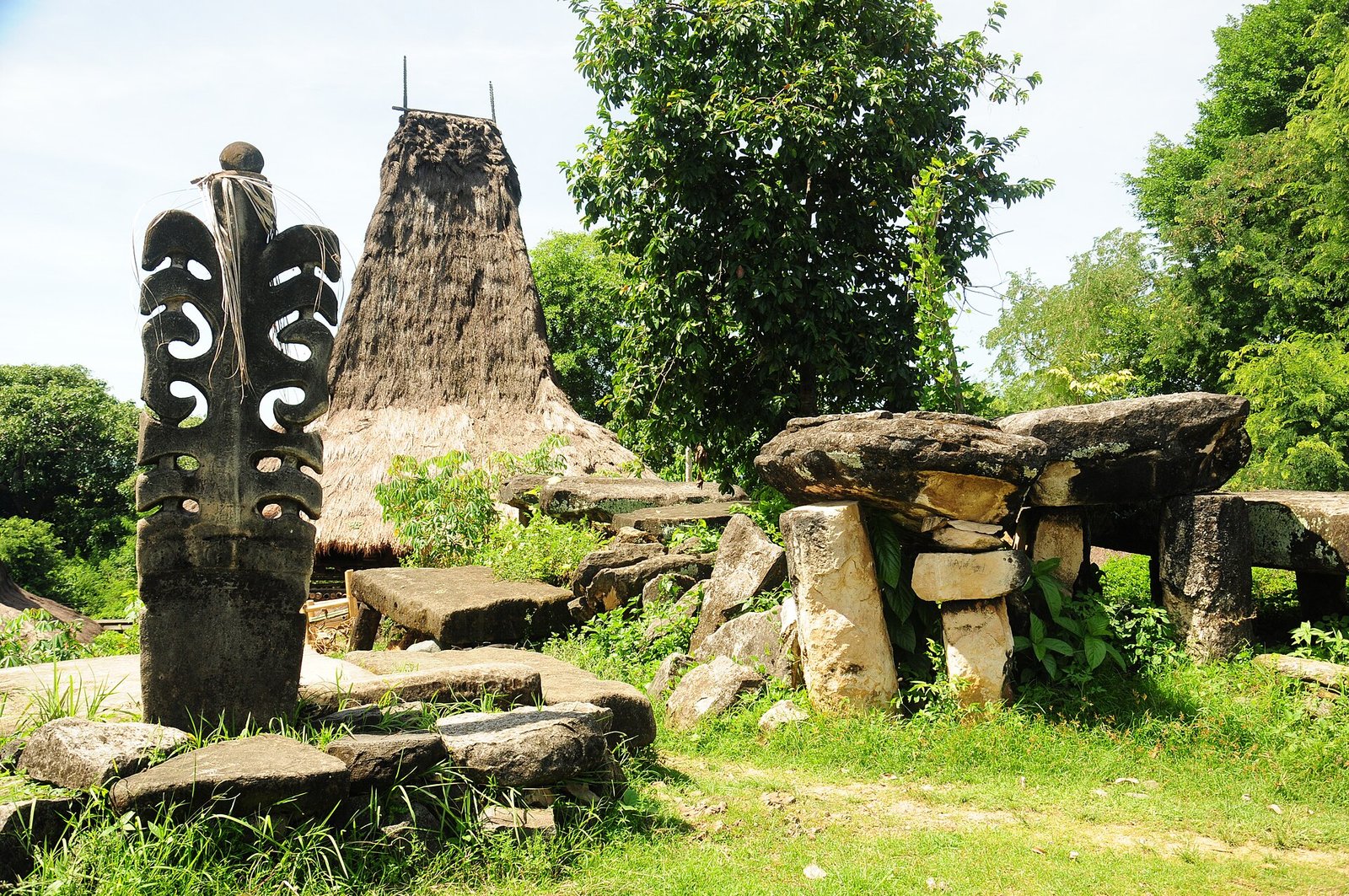
Ratenggaro village
High-roofed houses, ancestral tombs, and living community traditions require context and respectful behavior. Allow 2–3 hours. Visit with a local guide, ask before photographing people or ceremonies, dress modestly, and clarify the community contribution. Keep Ratenggaro village only when it serves the traveler’s Sumba priorities, not merely to lengthen the list.
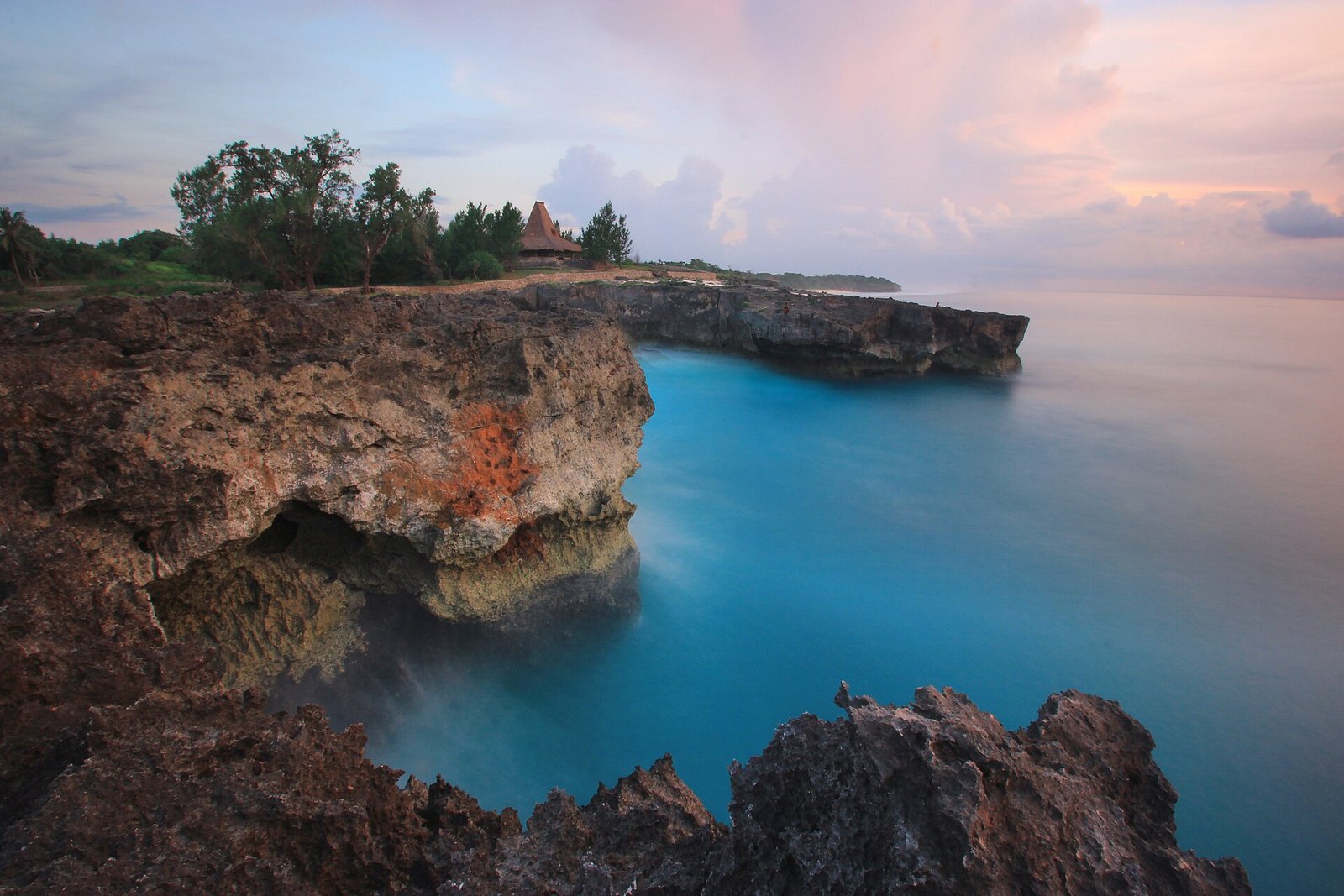
Weekuri Lagoon
Bright enclosed water creates one of western Sumba’s most distinctive swimming landscapes. Allow 2–3 hours. Arrive before midday crowds, check access and depth locally, and never leave valuables unattended. Keep Ratenggaro village only when it serves the traveler’s Sumba priorities, not merely to lengthen the list.
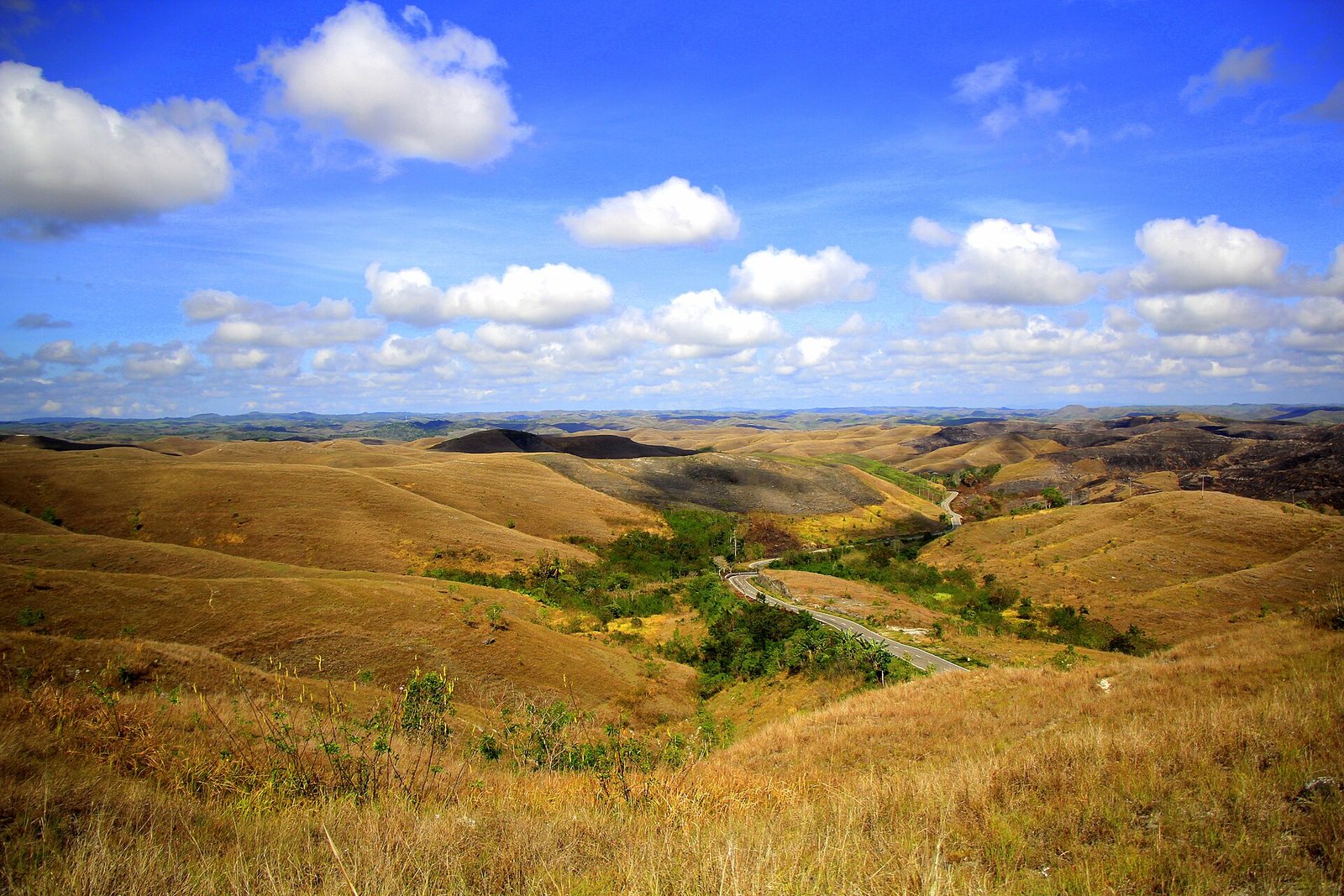
Wairinding Hills
Rolling savanna changes from green to gold across the seasons and offers wide evening light. Allow 1–2 hours. Use late afternoon, carry water, remain on established paths, and arrange the return before full darkness. Keep Ratenggaro village only when it serves the traveler’s Sumba priorities, not merely to lengthen the list.
East Sumba beaches and villages
Long coasts and traditional settlements reveal a less resorted side of the island. Allow Full day. Choose a focused route with a guide, verify road conditions, and avoid photographing funerary or sacred activity without permission. Keep Ratenggaro village only when it serves the traveler’s Sumba priorities, not merely to lengthen the list.
Tanggedu Waterfall or a condition-appropriate alternative
A guided inland walk can add freshwater landscape when roads and water levels are safe. Allow Half day. Check official or local access after rain, use a reputable guide, and replace the outing when crossings are unsafe. Keep Ratenggaro village only when it serves the traveler’s Sumba priorities, not merely to lengthen the list.
A PRACTICAL ROUTE
Suggested itinerary
Arrive in western Sumba
Meet the confirmed driver, settle near Tambolaka, and keep the first evening close.
Ratenggaro and southwest coast
Visit the community with guidance, then add one nearby beach rather than a long western loop.
Weekuri and west landscapes
Reach the lagoon early, pause through the hottest period, and return before dark.
Waikabubak culture
Move inland, explore only with invited or guided access, and leave time for local meals.
West-to-east transfer
Treat the long drive as a full day with selected safe viewpoints, not a sightseeing race.
Wairinding and Waingapu
Visit the hills in the best light and use the city for practical services.
Eastern villages or waterfall
Choose one route according to road and water conditions, guided throughout.
Weather buffer and departure
Repeat a missed landscape or keep a conservative transfer to WGP.
REALISTIC BUDGET
Estimated travel costs
Sumba costs move most with April–October, booking timing, taxes, and the specific room location in Tambolaka or southwest Sumba. For Sumba, let the final Indonesian rupiah (IDR) total control the decision. For Sumba, its August 1, 2026 dollar conversion may differ at checkout.
TRAVEL WELL
Practical travel tips
- Ask permission before photographing people, houses, tombs, ceremonies, or sacred objects.
- Use a local guide for traditional villages and clarify contributions without treating the visit as a transaction.
- Avoid night driving; animals, road damage, limited lighting, and fatigue make the risk unnecessary.
- Carry cash in smaller denominations because ATMs and card acceptance thin outside towns.
- Solo female travelers should use a vetted driver, share daily routes, and avoid isolated beach or waterfall visits alone.
- Use licensed drivers and boat operators, especially after dark or in remote areas.
- Monitor tropical storms, heat, water quality, and ferry changes.
- Ask permission before entering villages, ceremonies, or private land.
COMMON QUESTIONS
Sumba travel FAQ
How many days do you need in Sumba?
Sumba works best with 6–9 days for a first visit. A short Sumba trip should pair Ratenggaro village with one nearby priority; extra time belongs to meals, weather, or private car with driver delays.
Is Sumba expensive?
In Sumba, a budget traveler can plan around Rp650,000–1,100,000 (about US$36–61) per person per day before long-distance arrival costs. The largest Sumba premiums come from Tambolaka or southwest Sumba, peak dates, private transport, and guided access to Ratenggaro village.
Do you need a car in Sumba?
Most first-time visitors should hire a car with a local driver. Independent driving demands experience with variable roads and offers little cultural guidance.
What is the best month to visit Sumba?
June usually offers improving dry-season roads before the driest, dustiest late-season conditions, while September gives golden landscapes.
Is Sumba safe for solo female travelers?
Many solo female travelers can plan Sumba with ordinary destination-appropriate precautions. Solo female travelers should use a vetted driver, share daily routes, and avoid isolated beach or waterfall visits alone. Use current government guidance and destination notices—not an old booking page—to make the final Sumba risk check.
What should you book in advance for Sumba?
Reserve flights, drivers, remote lodges, and one-way airport logistics early. Village and waterfall access should still be reconfirmed locally.
KEEP EXPLORING
Related The Wander Muse guides
CHECK BEFORE DEPARTURE
Sources and official resources
Schedules, fares, access rules, closures, and entry systems affecting Sumba can change. Recheck the official resources below shortly before departure.