
START HERE
Why visit Phu Quoc
Phu Quoc mixes traditional fishing communities and national-park landscapes with fast resort development, making neighborhood choice central to the experience. A well-paced visit connects Dương Đông market, Northern island and national park, and An Thoi islands without turning every day into a race. Dương Đông is practical and local; Ông Lang is quieter; Long Beach is convenient; the south suits boat and cable-car trips. The Phu Quoc plan keeps Dương Đông transfers realistic, leaves meal time near Dương Đông market and town, and stays readable on a phone. It fits couples, families, beach travelers, and independent visitors who want both local food and resort comfort. Fast development, large resort compounds, marine weather, visa rules, and the difference between northern and southern transfers should shape the choice of hotel. The Phu Quoc guide ties seasonal conditions to the main gateway, Dương Đông, local-currency costs, and an itinerary centered on Dương Đông market and town.
AT A GLANCE
Phu Quoc quick travel summary
Phu Quoc prices are planning ranges. Confirm the final amount in Vietnamese đồng (VND), including taxes, booking terms, and exactly what each Phu Quoc transport or activity ticket covers.
WHEN TO GO
Best time to visit
Late dry season (March–May)
In Phu Quoc, this period brings rising heat and humidity with showers becoming more common. Shoulder weeks can offer value outside holidays. Its main advantage is beaches, markets, and early outdoor trips; the disadvantage is that marine conditions become less reliable. Dry-season weather continues before humidity and showers increase; holiday periods keep resorts busy. Before an outdoor day in Phu Quoc, recheck official weather and the transport needed for Dương Đông market and town.
Wet season (June–August)
In Phu Quoc, this period brings frequent heavy rain, rougher seas, and tropical storms. Prices may fall while some services reduce. Its main advantage is food, wellness, and flexible land-based days; the disadvantage is that boats and remote roads can be cancelled at short notice. Frequent rain, rougher sea, and limited boat reliability reduce prices but require a flexible indoor or food plan. Before an outdoor day in Phu Quoc, recheck official weather and the transport needed for Dương Đông market and town.
Transition season (September–November)
In Phu Quoc, this period brings gradually improving conditions with rain still possible. Demand rises as operators restore full schedules. Its main advantage is landscape, culture, and cautious marine planning; the disadvantage is that old monsoon damage or swell can remain. Rain remains common early, then conditions gradually improve; resort reopening and road conditions vary. Before an outdoor day in Phu Quoc, recheck official weather and the transport needed for Dương Đông market and town.
Dry season (December–February)
In Phu Quoc, this period brings lower rainfall, warm sun, and generally better sea conditions. This is peak demand with higher rooms and tours. Its main advantage is beaches, boats, and island exploration; the disadvantage is that popular resorts and flights require early booking. Drier skies and calmer-water periods create peak demand for beaches and island trips. Before an outdoor day in Phu Quoc, recheck official weather and the transport needed for Dương Đông market and town.
ARRIVING
How to get there
PQC is the island’s main gateway, with official taxis, app-based rides where supported, hotel transfers, shuttles, and rental vehicles with or without drivers. Sun Group became the airport operator in 2026, so current terminal and ground information should be checked on the official airport site rather than an older operator page. Dương Đông and Long Beach are relatively close, while northern and far-southern resorts require longer transfers. Ferries also connect the mainland on weather-dependent services. Confirm visa or visa-exemption rules through Vietnam’s official immigration channels, provide the exact resort name, and arrange late arrivals before flying.
MOVING AROUND
Getting around
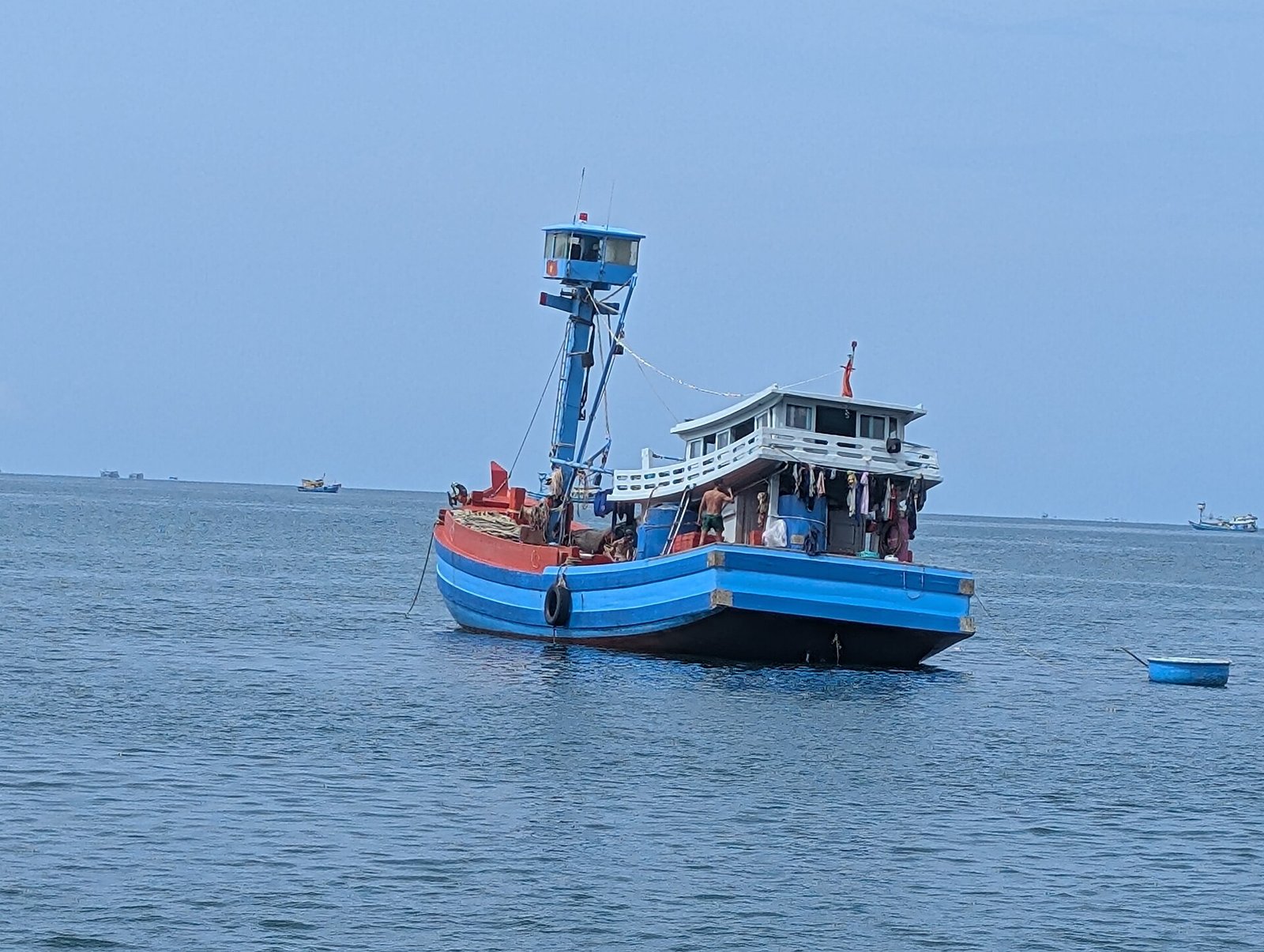
Official taxis, app-based rides, hotel shuttles, and private drivers cover most island journeys. Scooters are common but should be considered only by properly licensed, insured, experienced riders wearing a real helmet; rain, sand, darkness, and road construction increase risk. Public transport is limited for a broad sightseeing route. Boats serve the An Thoi islands and other marine experiences only when conditions allow. Walking works within Dương Đông or an individual resort strip, not between major coasts. First-time visitors can choose one central base and use two planned transfer days rather than changing beaches constantly. For a 4–6 days visit, use Dương Đông for the arrival-focused days, group Dương Đông market and town with Northern island and national-park landscapes, and protect An Thoi islands for the period with the best conditions. Put Dương Đông market and town and Northern island and national-park landscapes on different Phu Quoc stages; the separation protects meal time and a weather fallback. Accessible Phu Quoc bookings should confirm hotel transfer access and the precise final approach to Dương Đông market and town.
CHOOSE A BASE
Where to stay
Dương Đông — best for first-time visitors and local food
The market, services, restaurants, and central position create the most practical independent base. Beaches are less secluded and traffic can feel hectic.
Ông Lang — best for quiet couples and sunsets
Smaller resorts and a calmer west-coast atmosphere suit travelers who want rest without the largest compounds. Dining and transport choice are thinner.
Long Beach or the southern resort zone — best for families and organized activities
Long Beach is convenient to the airport, while the south favors cable-car and boat departures. Large developments can feel isolated and taxi costs accumulate.
PLAN YOUR DAYS
Best things to do
Dương Đông market and town
Seafood, daily commerce, temples, and the working center provide context beyond resort beaches. Allow 2–3 hours. Visit in active daylight, keep bags secure, ask prices before ordering, and avoid blocking vendors for photographs. Keep Dương Đông market and town only when it serves the traveler’s Phu Quoc priorities, not merely to lengthen the list.
Northern island and national-park landscapes
Forest roads, quieter beaches, and rural scenery show the island beyond the densest west coast. Allow Half or full day. Use a reputable driver, check road and weather conditions, and do not enter restricted or unmarked forest areas. Keep Dương Đông market and town only when it serves the traveler’s Phu Quoc priorities, not merely to lengthen the list.
An Thoi islands
Clear-water stops and snorkeling can be the trip’s best marine day when conditions cooperate. Allow Half or full day. Choose a licensed operator, verify life jackets and inclusions, and postpone when wind or sea conditions are poor. Keep Dương Đông market and town only when it serves the traveler’s Phu Quoc priorities, not merely to lengthen the list.
Sunset coast
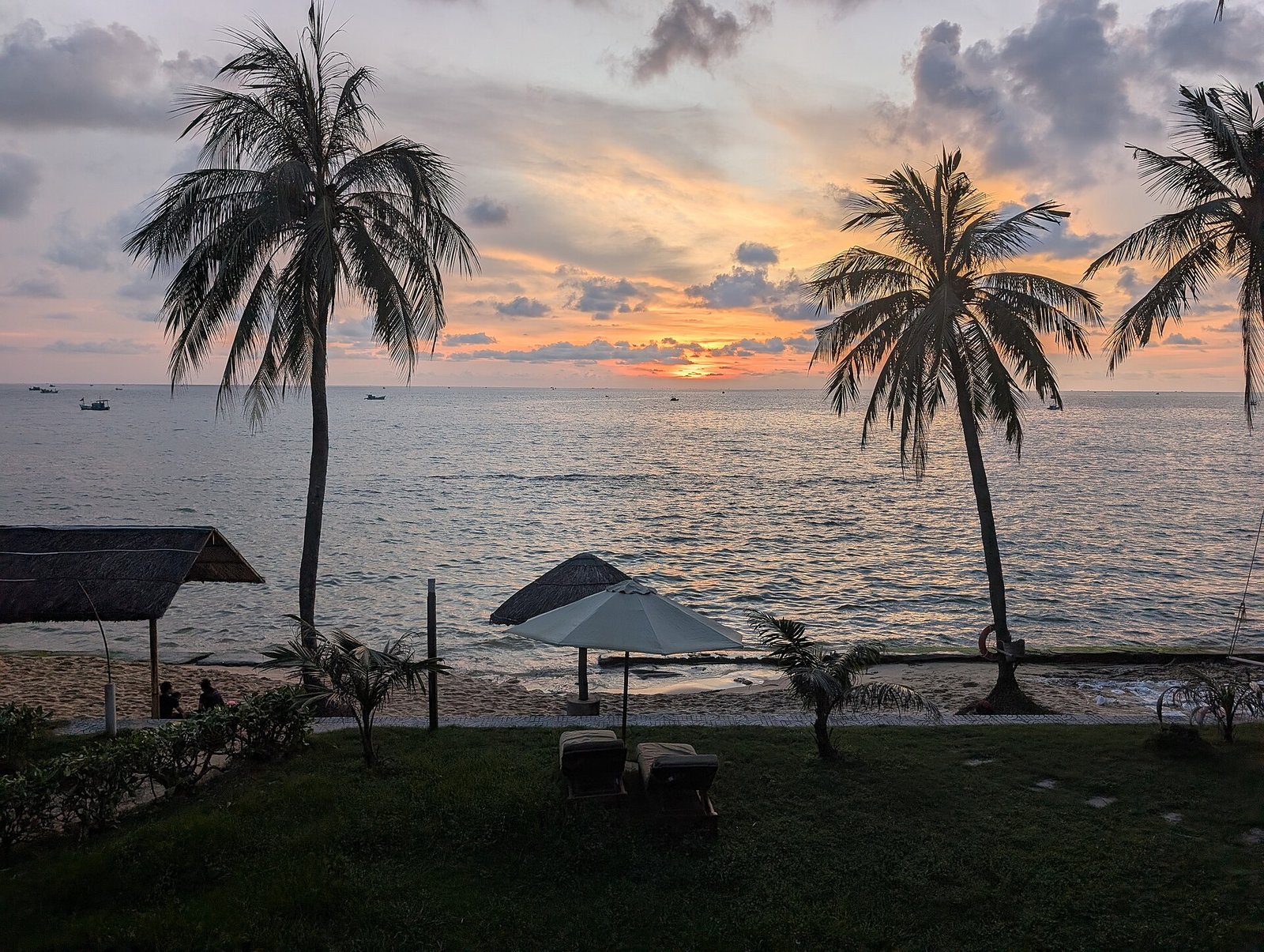
The west-facing beaches support relaxed late afternoons, but each bay differs in access and development. Allow 2–4 hours. Stay near the chosen beach through sunset, secure valuables, and arrange the return before remote roads become dark. Keep Dương Đông market and town only when it serves the traveler’s Phu Quoc priorities, not merely to lengthen the list.
Fish sauce, pepper, or community-based producer visit
A responsible small visit can explain products closely associated with Phu Quoc. Allow 2–3 hours. Choose an established operation with transparent visitor access and avoid tours that turn working sites into intrusive photo stops. Keep Dương Đông market and town only when it serves the traveler’s Phu Quoc priorities, not merely to lengthen the list.
A PRACTICAL ROUTE
Suggested itinerary
Dương Đông
Settle in, explore the market and town in daylight, and choose a nearby west-coast sunset.
Northern Phu Quoc
Use a driver for forest, villages, and one beach, avoiding an island-wide loop.
Marine day
Take a reserved An Thoi outing only in suitable conditions, with a land-based backup prepared.
Southern coast
Visit selected southern sights and remain in that area rather than returning north for lunch.
Flexible beach day
Repeat the best beach, book a producer visit, or recover the activity displaced by monsoon weather.
REALISTIC BUDGET
Estimated travel costs
Phu Quoc costs move most with November–April, booking timing, taxes, and the specific room location in Dương Đông. Recalculate Phu Quoc’s dollar comparison when booking. The figures here convert Vietnamese đồng (VND) at August 1, 2026 reference rates and exclude later card charges.
TRAVEL WELL
Practical travel tips
- Check entry requirements only through Vietnam’s official immigration and e-visa channels.
- Do not rent a scooter without the legally valid licence, insurance, riding experience, and a proper helmet.
- Choose boat operators that provide life jackets, clear passenger limits, and a weather cancellation policy.
- Confirm the exact resort because similarly named properties can be far apart on different coasts.
- Solo female travelers should use verified late transport, keep drinks attended, and avoid empty beach roads after dark.
- Use licensed drivers and boat operators, especially after dark or in remote areas.
- Monitor tropical storms, heat, water quality, and ferry changes.
- Ask permission before entering villages, ceremonies, or private land.
COMMON QUESTIONS
Phu Quoc travel FAQ
How many days do you need in Phu Quoc?
Phu Quoc works best with 4–6 days for a first visit. A short Phu Quoc trip should pair Dương Đông market and town with one nearby priority; extra time belongs to meals, weather, or hotel transfer delays.
Is Phu Quoc expensive?
In Phu Quoc, a budget traveler can plan around ₫800,000–1,400,000 (about US$30–53) per person per day before long-distance arrival costs. The largest Phu Quoc premiums come from Dương Đông, peak dates, private transport, and guided access to Dương Đông market and town.
Do you need a car in Phu Quoc?
A self-drive car is rarely necessary. Most visitors use taxis, app rides, hotel transfers, or a private driver; scooters require valid licensing and real experience.
What is the best month to visit Phu Quoc?
February often provides reliable dry-season conditions after the year-end holiday peak, although rooms remain in demand.
Is Phu Quoc safe for solo female travelers?
Many solo female travelers can plan Phu Quoc with ordinary destination-appropriate precautions. Solo female travelers should use verified late transport, keep drinks attended, and avoid empty beach roads after dark. Use current government guidance and destination notices—not an old booking page—to make the final Phu Quoc risk check.
What should you book in advance for Phu Quoc?
Reserve dry-season resorts, airport transfers to remote properties, boat trips, and holiday dining. Keep marine activities cancellable for weather.
KEEP EXPLORING
Related The Wander Muse guides
CHECK BEFORE DEPARTURE
Sources and official resources
Schedules, fares, access rules, closures, and entry systems affecting Phu Quoc can change. Recheck the official resources below shortly before departure.