START HERE
Why visit Shenzhen
Shenzhen is a modern design-and-technology city with excellent metro access, ambitious museums, and a surprisingly long coastal edge. A well-paced visit connects Civic Center and skyline, OCT-LOFT, and Sea World Culture and Arts Center without turning every day into a race. Futian is central and connected; Nanshan suits design and tech; Luohu is convenient for Hong Kong rail links. The Shenzhen plan keeps Futian transfers realistic, leaves meal time near Civic Center and Shenzhen Museum, and stays readable on a phone. Shenzhen suits architecture, technology, contemporary art, family attractions, and travelers entering or leaving Hong Kong. Border controls, station names, mobile payment, humid weather, and the city’s long east–west scale make preparation more important than a dense sightseeing list. The Shenzhen guide ties seasonal conditions to the main gateway, Futian, local-currency costs, and an itinerary centered on Civic Center and Shenzhen Museum.
AT A GLANCE
Shenzhen quick travel summary
Shenzhen prices are planning ranges. Confirm the final amount in Chinese yuan or renminbi (CNY), including taxes, booking terms, and exactly what each Shenzhen transport or activity ticket covers.
WHEN TO GO
Best time to visit
Spring (March–May)
In Shenzhen, this period brings warming humid days, heavier rain, and thunderstorms. Trade fairs or holidays can create sudden price spikes. For Shenzhen, its main advantage is food, museums, and shorter outdoor walks; the disadvantage is that rain and humidity reduce long, unbroken itineraries. Increasing humidity and rain can disrupt coastal days, while exhibition calendars move business-hotel prices. Before an outdoor day in Shenzhen, recheck official weather and the transport needed for Civic Center and Shenzhen Museum.
Summer (June–August)
In Shenzhen, this period brings intense heat, heavy rain, and typhoon potential. School holidays keep major attractions busy despite weather. For Shenzhen, its main advantage is indoor culture and carefully timed waterfront evenings; the disadvantage is that storm disruption and heat demand a flexible plan. Extreme heat, heavy rain, and typhoon risk make indoor museums and flexible transport essential. Before an outdoor day in Shenzhen, recheck official weather and the transport needed for Civic Center and Shenzhen Museum.
Autumn (September–November)
In Shenzhen, this period brings declining humidity, clearer skies, and comfortable evenings. This is a popular period with strong weekend demand. For Shenzhen, its main advantage is architecture, parks, food, and regional rail trips; the disadvantage is that holiday peaks and lingering early-season storms affect transport. Drier air and comfortable evenings create the best city-and-coast balance, with high weekend demand. Before an outdoor day in Shenzhen, recheck official weather and the transport needed for Civic Center and Shenzhen Museum.
Winter (December–February)
In Shenzhen, this period brings cooler, sometimes damp weather and shorter light. Ordinary weeks can be good value outside national holidays. For Shenzhen, its main advantage is markets, museums, and urban walking; the disadvantage is that cold rain and holiday transport crowds complicate some days. Cooler days favor architecture and parks; holiday travel and occasional damp cold affect outdoor plans. Before an outdoor day in Shenzhen, recheck official weather and the transport needed for Civic Center and Shenzhen Museum.
ARRIVING
How to get there
SZX connects to the metro, official taxis, airport ground transport, and high-speed rail links. The metro is usually the cheapest route to Nanshan or Futian when operating; an official taxi is easier with luggage or after a late flight. Shenzhen North, Futian, Shenzhen, and other rail stations serve different national and Hong Kong routes, and border crossings have distinct immigration procedures. Travelers entering from Hong Kong must carry the correct documents and allow time for formalities. Save the hotel name in Chinese, verify the exact station, and never treat ‘Shenzhen’ as one interchangeable terminal.
MOVING AROUND
Getting around
Shenzhen Metro covers the airport, Futian, Nanshan, Luohu, and many cultural zones at low cost. City buses extend coverage; official taxis and major local ride platforms are useful for last-mile trips. Walking works within Civic Center, OCT, Shekou, and selected waterfront parks, but the full city is too long for casual surface travel. Mobile payment dominates, so prepare an accepted method while retaining backup. Bicycles can suit designated greenways in good weather. Group Futian, Nanshan, Shekou, and Dapeng into separate days, and avoid border travel at a tightly timed departure. For a 3–5 days visit, use Futian for the arrival-focused days, group Civic Center and Shenzhen Museum with OCT-LOFT, and protect Sea World Culture and Arts Center for the period with the best conditions. Put Civic Center and Shenzhen Museum and OCT-LOFT on different Shenzhen stages; the separation protects meal time and a weather fallback. Accessible Shenzhen bookings should confirm shenzhen metro access and the precise final approach to Civic Center and Shenzhen Museum.
CHOOSE A BASE
Where to stay
Futian — best for first-time visitors and rail convenience
Civic museums, business towers, parks, metro interchange, and Hong Kong rail are close. Weekday business rates and a polished rather than historic atmosphere are the trade-offs.
Nanshan — best for design, technology, and families
OCT, museums, universities, and major attractions suit a contemporary culture trip. The airport and Luohu are farther, and the district itself is large.
Luohu — best for Hong Kong border and market access
The railway and border position help short cross-boundary stays. Crowds, older hotels, and distance from western design districts require careful planning.
PLAN YOUR DAYS
Best things to do
Civic Center and Shenzhen Museum
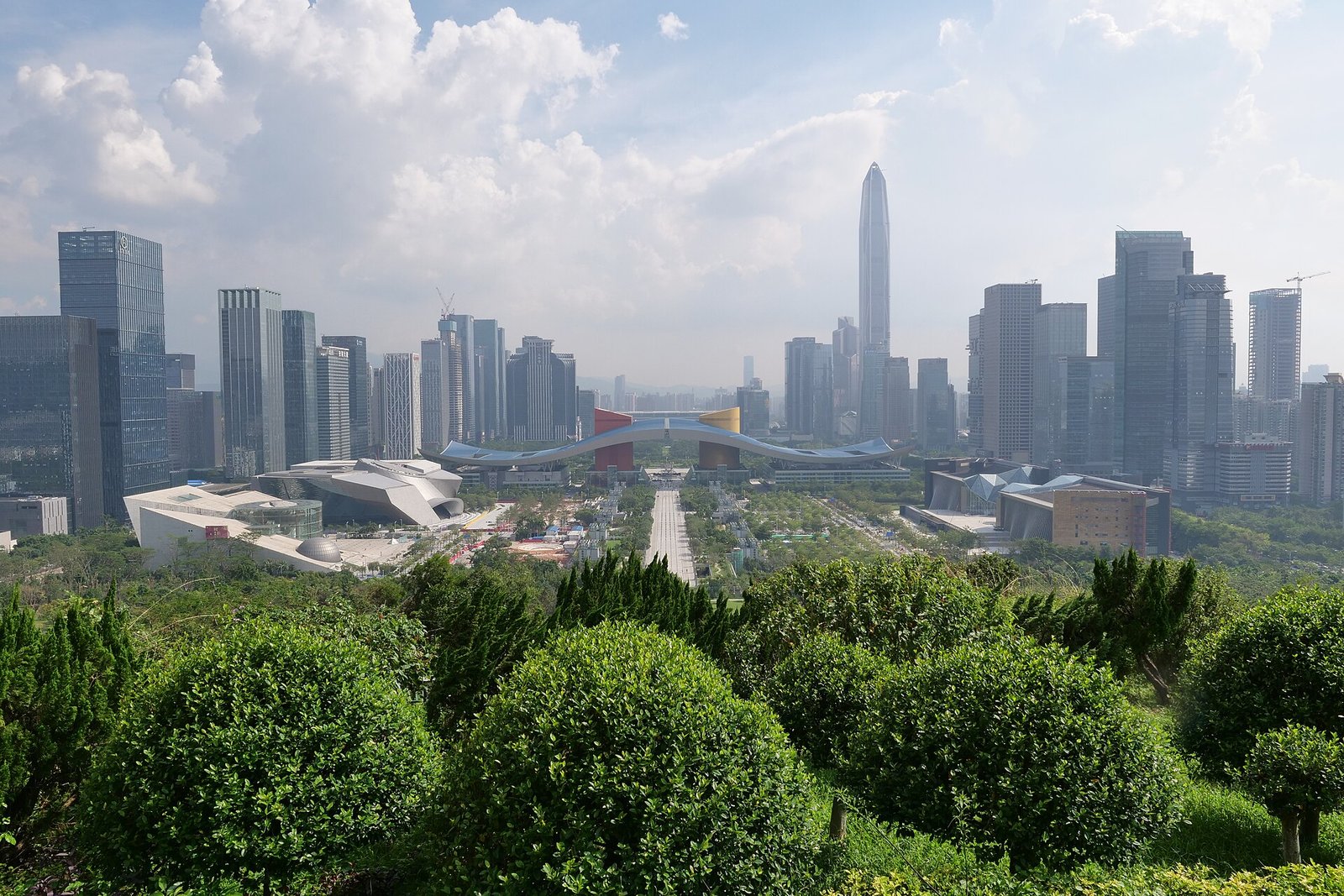
Civic architecture, broad public space, skyline views, and museum interpretation explain the planned city. Allow 3–4 hours. Check museum reservation and identity rules, visit in daylight, and remain for evening lighting only with a confirmed return. Keep Civic Center and Shenzhen Museum only when it serves the traveler’s Shenzhen priorities, not merely to lengthen the list.
OCT-LOFT
Creative studios, exhibitions, cafés, and adapted industrial space reveal Shenzhen’s design culture. Allow 2–4 hours. Check gallery closed days and event schedules; weekday afternoons are usually calmer than festival weekends. Keep Civic Center and Shenzhen Museum only when it serves the traveler’s Shenzhen priorities, not merely to lengthen the list.
Sea World Culture and Arts Center
Architecture, exhibitions, waterfront views, and Shekou history form an efficient half-day. Allow 3–4 hours. Reserve special exhibitions when needed and combine the visit with the surrounding waterfront. Keep Civic Center and Shenzhen Museum only when it serves the traveler’s Shenzhen priorities, not merely to lengthen the list.
Shenzhen Bay Park
A long coastal greenway provides city views, birdlife, and space beyond shopping districts. Allow 2–3 hours. Use cooler, dry hours, follow cycling lanes, and check typhoon or heavy-rain warnings. Keep Civic Center and Shenzhen Museum only when it serves the traveler’s Shenzhen priorities, not merely to lengthen the list.
Dapeng Peninsula
Historic settlements and beaches provide a very different eastern-Shenzhen day. Allow Full day. Plan transport carefully, start early, verify beach and heritage access, and avoid holiday traffic if possible. Keep Civic Center and Shenzhen Museum only when it serves the traveler’s Shenzhen priorities, not merely to lengthen the list.
A PRACTICAL ROUTE
Suggested itinerary
Futian
Visit civic museums and central parks, then see the skyline without adding a western-city attraction.
OCT and Nanshan
Explore OCT-LOFT, choose one nearby museum, and keep dinner in the same district.
Shekou
Use metro for the culture center and waterfront, allowing a slower evening before the return.
Dapeng or Shenzhen Bay
Choose the peninsula for a long dry-weather day or the bay parks for a lower-risk urban alternative.
REALISTIC BUDGET
Estimated travel costs
Shenzhen costs move most with October–December, booking timing, taxes, and the specific room location in Futian. Recalculate Shenzhen’s dollar comparison when booking. The figures here convert Chinese yuan or renminbi (CNY) at August 1, 2026 reference rates and exclude later card charges.
TRAVEL WELL
Practical travel tips
- Confirm the exact rail station and border crossing; Shenzhen’s terminals are not interchangeable.
- Prepare an accepted mobile-payment method and retain a physical card and some cash backup.
- Carry the passport where official transport, border, hotel, or attraction rules require identity.
- Use official typhoon and heavy-rain alerts before beaches, parks, or cross-border departures.
- Solo travelers should verify ride details, keep late walks to active districts, and leave a large buffer around immigration.
- For Shenzhen, use licensed taxis, official transit, or well-reviewed ride-hailing after dark.
- For Shenzhen, keep phones and wallets secure in busy stations, markets, and nightlife districts.
- For Shenzhen, save the accommodation address offline and confirm the final train or bus before evening plans.
COMMON QUESTIONS
Shenzhen travel FAQ
How many days do you need in Shenzhen?
Shenzhen works best with 3–5 days for a first visit. A short Shenzhen trip should pair Civic Center and Shenzhen Museum with one nearby priority; extra time belongs to meals, weather, or shenzhen metro delays.
Is Shenzhen expensive?
In Shenzhen, a budget traveler can plan around CN¥350–600 (about US$52–89) per person per day before long-distance arrival costs. The largest Shenzhen premiums come from Futian, peak dates, private transport, and guided access to Civic Center and Shenzhen Museum.
Do you need a car in Shenzhen?
Visitors do not need a car. The metro, taxis, rail, and walking by district are more practical, while Dapeng can be reached by verified bus or tour.
What is the best month to visit Shenzhen?
November usually brings lower humidity and comfortable outdoor conditions before winter holiday travel builds.
Is Shenzhen safe for solo female travelers?
Many solo female travelers can plan Shenzhen with ordinary destination-appropriate precautions. Solo travelers should verify ride details, keep late walks to active districts, and leave a large buffer around immigration. Use current government guidance and destination notices—not an old booking page—to make the final Shenzhen risk check.
What should you book in advance for Shenzhen?
Reserve high-speed rail, Hong Kong connections, major museum slots, theme parks, and holiday hotels. Parks and public architecture remain flexible.
KEEP EXPLORING
Related The Wander Muse guides
CHECK BEFORE DEPARTURE
Sources and official resources
Schedules, fares, access rules, closures, and entry systems affecting Shenzhen can change. Recheck the official resources below shortly before departure.