START HERE
Why visit Fukuoka
Fukuoka combines one of Japan’s easiest airport arrivals with canal-side nightlife, compact temple districts, major shopping, beaches, and a food culture that extends far beyond tonkotsu ramen. The city suits first-time Japan visitors, repeat travelers seeking a slower urban base, food lovers, solo travelers, and anyone connecting Kyushu by rail. Four days allow Hakata’s historic area, Tenjin and the waterfront, a neighborhood food day, and one regional excursion without constant transit. This guide explains the seasons, airport and Shinkansen access, the best bases, realistic costs, and a practical route. The main planning advantage is compactness, but that can encourage over-scheduling. Choose a few meals and districts deliberately, check holiday closures, and leave room for a day trip only after giving Fukuoka itself more than an arrival evening.
AT A GLANCE
Fukuoka quick travel summary
Accommodation, rail, and restaurant prices rise during holidays, festivals, and weekends. Use these yen ranges for planning and confirm fares, seat reservations, taxes, and cancellation rules officially.
WHEN TO GO
Best time to visit
Spring (March–May)
March begins cool and becomes mild, while blossom timing varies each year. Late April and early May overlap with Golden Week, when trains, flights, attractions, and lodging become crowded and expensive. Spring suits temple walks, parks, and coastal outings. Carry a light rain layer, reserve intercity seats during holidays, and avoid building the trip around an exact blossom forecast months ahead.
Summer (June–August)
June brings the rainy season, followed by hot, humid weather and possible intense downpours. Festival dates can add energy and demand, while typhoons may affect Kyushu later in summer. Schedule outdoor districts in the morning, use malls and museums during peak heat, and carry water. Flexible tickets and official weather alerts matter more than a rigid beach plan.
Fall (September–November)
September can remain hot and within typhoon season, but October and November usually provide comfortable walking weather and clearer days. Prices are moderate outside long weekends, while autumn color appears later than in northern Japan. Food markets, temples, and day trips work especially well. Pack layers and verify transport after severe-weather warnings.
Winter (December–February)
Winter is cool, sometimes windy, and generally milder than much of mainland Japan, though snow or cold rain is possible. Illumination events and hearty food make the city appealing, with lower demand outside New Year. Many businesses close or change hours around the holiday period. Wear layers, confirm seasonal schedules, and keep a warm indoor alternative for bay-front days.
ARRIVING
How to get there
Fukuoka Airport sits unusually close to the center. The domestic terminal connects directly to the city subway, while passengers using the international terminal should follow current airport instructions for the terminal shuttle or authorized ground transport. Subway travel to Hakata and Tenjin is normally the simplest low-cost option, but operating details and terminal arrangements should be verified before arrival. Hakata Station receives the Sanyō and Kyushu Shinkansen plus regional trains, making rail practical from Hiroshima, Osaka, Kumamoto, and other cities. Highway buses may be cheaper for selected routes but take longer. Taxis are convenient with luggage or late arrival and use designated stands. The easiest city arrival is airport-plus-subway or Shinkansen to Hakata; the cheapest depends on advance rail and bus fares. Reserve seats during Golden Week, Obon, New Year, and major events.
MOVING AROUND
Getting around
The subway links the airport, Hakata, Tenjin, Ohori Park, and coastal areas, while buses fill gaps to museums, shrines, and neighborhoods. Check official route maps, fares, last trains, and accepted payment methods; nationwide IC cards are widely useful but should not replace current operator information. Hakata’s temple zone, Tenjin, Nakasu, and Canal City are walkable in separate clusters, not as one endless loop. JR trains help with Dazaifu-area connections when combined with other operators, and regional rail supports day trips. Taxis are reliable but expensive for repeated cross-city journeys. Renting a car is unnecessary in central Fukuoka and only useful for a rural Kyushu itinerary. Group each day around one subway corridor and avoid rush-hour travel with large luggage.
CHOOSE A BASE
Where to stay
Hakata Station — best for first-time visitors and rail connections
Hakata places Shinkansen, regional trains, subway services, buses, shopping, and restaurants in one practical hub. It suits short stays, airport transfers, and Kyushu day trips. The station area feels commercial, rooms can be compact, and nightlife is less atmospheric than Tenjin. Choose the correct station exit and verify walking distance because the complex is large.
Tenjin or Daimyo — best for dining, shopping, and nightlife
Tenjin offers department stores, subway access, underground passages, and restaurants, while Daimyo adds smaller bars and boutiques. The area suits couples, solo travelers, and visitors who prioritize evenings. Weekend noise and room rates can be high, and Hakata rail departures require a short subway ride. Request a quieter room if staying near late-night streets.
Ohori Park or Yakuin — best for calm and neighborhood character
Ohori Park provides green space and museum access; Yakuin has cafés, restaurants, and a more residential rhythm near central districts. Both work for repeat visitors and longer stays. Hotel choice is smaller, and some attractions need a bus or transfer. Map the nearest station and late-evening route before booking a lower-priced side street.
PLAN YOUR DAYS
Best things to do
Hakata old town and Kushida Shrine
The compact temple-and-shrine district reveals Fukuoka’s trading history and festival traditions. Allow two to three hours for a deliberate walk that includes Kushida Shrine and selected temples rather than every marked site. Morning is quieter. Religious grounds are generally free, but museums and special exhibitions vary. Dress respectfully, avoid blocking worship, and check whether festival preparations alter access.
Ohori Park and Fukuoka Art Museum
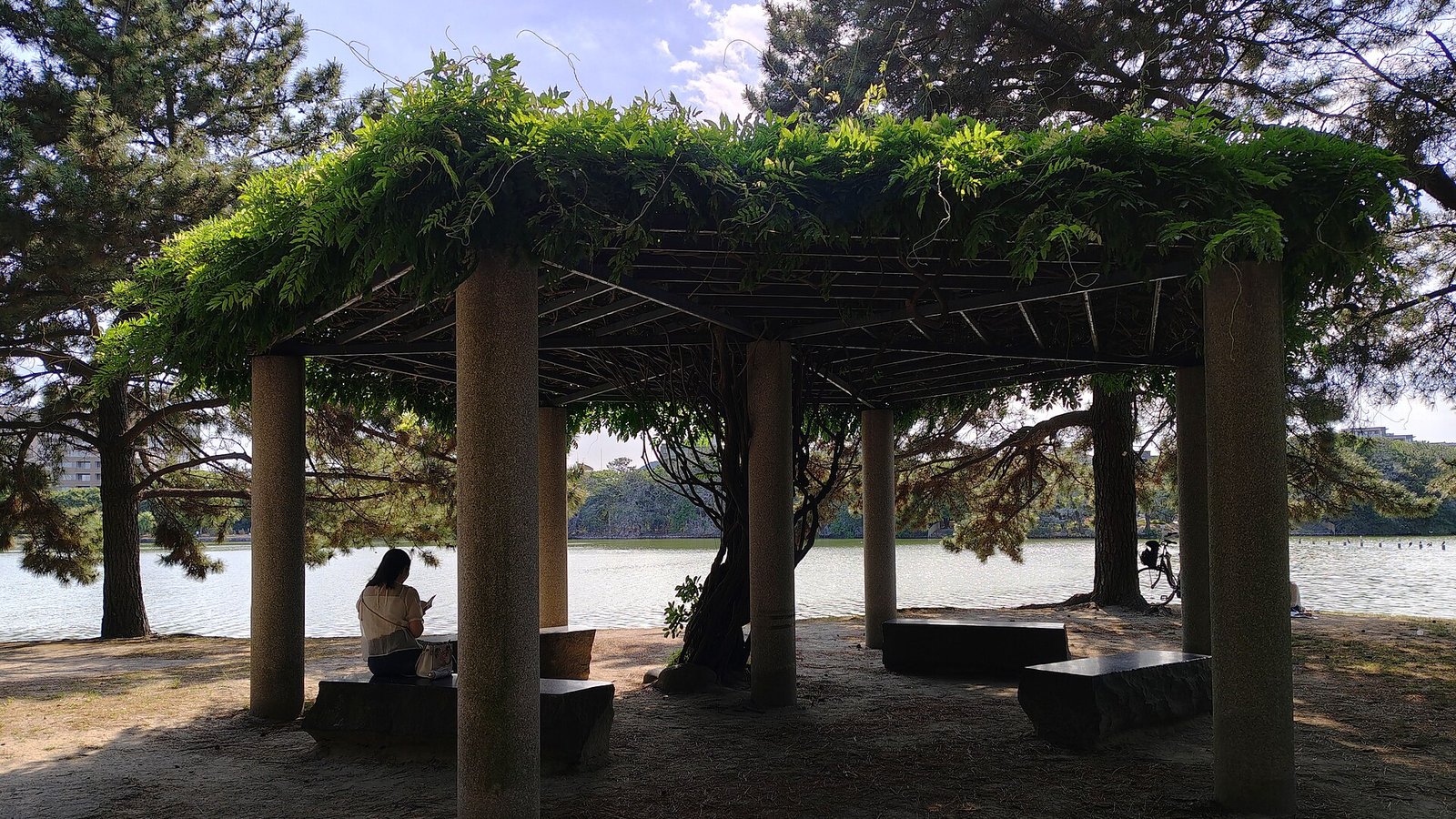
The lake loop, gardens, and museum create an easy half-day away from the busiest commercial streets. Walk early in summer or visit near sunset, then use the museum during warmer hours. Allow two to four hours depending on exhibitions. Check official opening days and tickets, and do not assume every garden shares the same schedule. It suits families, runners, and art-focused travelers.
Tenjin, Canal City, and Nakasu after dark
These districts show modern Fukuoka through shopping, entertainment, river views, and dense dining. Spend a late afternoon and evening, using transit between clusters if tired. Canal City programs and shop hours change, while Nakasu becomes busier at night. Keep valuables secure and choose a clear return route. Travelers uninterested in nightlife can focus on architecture, food halls, and illuminated river walks.
Fukuoka’s yatai and ramen culture
Licensed evening food stalls are part of the city’s identity, but seating is limited and menus, opening nights, and payment methods vary. Treat a yatai as one meal or drink stop, not a guaranteed multi-course experience. Arrive outside peak time, order considerately, and do not hold seats after finishing. Compare stalls with permanent ramen shops, seafood restaurants, and market counters for a broader food picture.
Dazaifu or Itoshima day trip
Dazaifu offers major shrines, museums, and a straightforward cultural excursion; Itoshima provides coast, cafés, and rural scenery with more transport planning. Choose one and allow most of a day. Check train or bus connections and official opening information. Dazaifu suits first-time cultural travelers, while Itoshima rewards visitors prepared for less frequent local transport or a carefully arranged car day.
A PRACTICAL ROUTE
Suggested itinerary
Hakata orientation
Arrive, leave luggage, walk the historic temple district, and eat near Hakata Station. Keep reservations light in case transport is delayed.
Ohori Park and Tenjin
Start around the park and art museum, move to Tenjin after lunch, and finish in Daimyo or Yakuin without returning repeatedly to Hakata.
Dazaifu or Itoshima
Choose one full regional outing based on interests and transport. Return for a simple local dinner rather than adding another distant neighborhood.
Markets, waterfront, and final meal
Explore a verified market or museum, continue to the bay or Canal City, and reserve one final meal near the departure corridor.
REALISTIC BUDGET
Estimated travel costs
A budget traveler using a hostel or simple room can plan around ¥9,000–15,000 per person per day. A mid-range trip with a shared hotel, varied restaurants, city transit, and paid culture commonly reaches ¥20,000–38,000. Holiday dates can exceed both ranges. Compare taxes, breakfast, luggage fees, rail reservations, and whether a restaurant adds a seating or service charge. For Fukuoka, let the final Japanese yen (JPY) total control the decision. For Fukuoka, its August 1, 2026 dollar conversion may differ at checkout.
TRAVEL WELL
Practical travel tips
- Do not assume the international airport terminal has the same subway access as the domestic terminal; follow current official transfer instructions.
- Carry some yen because small ramen shops, yatai, lockers, and older ticket machines may not accept every card.
- Queue in the indicated direction and avoid talking loudly on public transport, especially during commuter periods.
- Check Golden Week, Obon, and New Year dates before booking because transport and business hours change substantially.
- Reserve only a few high-priority restaurants; many excellent smaller establishments use walk-in or same-day systems.
- Save Japanese addresses and hotel names offline so station staff or drivers can help when Romanized names differ.
- Typhoon or heavy-rain alerts can interrupt rail and flights; use operator updates rather than social-media estimates.
- Solo travelers should choose a well-connected base and use standard nightlife precautions around late Nakasu hours.
COMMON QUESTIONS
Fukuoka travel FAQ
How many days do you need in Fukuoka?
Three days cover Hakata, Tenjin, Ohori Park, and the main food experiences. Four or five days allow Dazaifu, Itoshima, or another Kyushu day trip.
Is Fukuoka worth visiting?
Yes. It combines easy transport, strong food, historic districts, and access to northern Kyushu while feeling less overwhelming than Japan’s largest cities.
Do you need a car in Fukuoka?
No for the city and Dazaifu. Subway, buses, trains, and walking are sufficient. A car is useful only for selected rural or coastal routes with limited transit.
What is the best month to visit Fukuoka?
April and November usually offer comfortable walking weather. Avoid Golden Week if lower prices and lighter transport demand are more important than holiday atmosphere.
Is Fukuoka expensive?
It can be less expensive than Tokyo for comparable lodging and meals, but holiday dates and premium dining still raise costs. Transit and many temples remain affordable.
Can you visit Fukuoka without speaking Japanese?
Yes, especially around the airport, subway, and major sights. Basic phrases, translated addresses, and patience are still valuable in small restaurants and regional transport.
KEEP EXPLORING
Related The Wander Muse guides
CHECK BEFORE DEPARTURE
Sources and official resources
Schedules, fares, closures, and timed-entry systems affecting Fukuoka can change. Recheck the official resources below shortly before departure.