START HERE
Why visit Bora Bora
Bora Bora’s volcanic peak and reef-protected lagoon create an exceptional marine landscape, but the experience depends more on transfer planning than on choosing the most expensive bungalow. It suits lagoon scenery, snorkeling, honeymoons, couples, marine wildlife, and slow island stays and works best when Lagoon circle tour and Matira Beach stay on separate compact days. A first visit works best when Lagoon circle tour, Matira Beach, and Coral garden snorkeling are arranged around realistic transport and weather windows. Matira and the main island offer restaurants and road access, while motu resorts provide the iconic view in exchange for boat dependence and higher meal costs. Bora Bora planning connects Bora Bora Airport (BOB) via Tahiti Faa’a International Airport (PPT), airport boat, Matira, and Lagoon circle tour with the six-row CFP franc (XPF) budget and 4–6 days route below. Before booking Bora Bora, use the linked authorities to verify opening days, airport boat, and any timed entry for Lagoon circle tour.
AT A GLANCE
Bora Bora quick travel summary
Bora Bora prices are planning ranges rather than quotes. Ask for the complete Bora Bora price in writing, including taxes, payment fees, booking terms, and any connection from Bora Bora Airport (BOB) via Tahiti Faa’a International Airport (PPT).
WHEN TO GO
Best time to visit
Dry season (May–October)
Across Bora Bora, expect lower humidity, cooler evenings, and the most reliable road conditions; conditions near Lagoon circle tour can vary. For Bora Bora, visitor demand is at its peak, especially in July and August. Lagoon circle tour is the most practical Bora Bora focus during this period. The limitation is that visitors in Bora Bora should reserve cars, ferries, and preferred rooms early. Lagoon visibility, wind, and boat comfort can vary within any month, so the most exposed excursion should remain movable. Recheck Bora Bora weather and the operating status of Lagoon circle tour shortly before any weather-sensitive or reservation-dependent day.
Shoulder months (April and November)
Across Bora Bora, expect warm conditions with a growing chance of showers; conditions near Matira Beach can vary. Expect moderate crowds and more room flexibility. This period creates better conditions for Matira Beach in Bora Bora; the main drawback is that visitors in Bora Bora should leave weather-dependent activities movable. Lagoon visibility, wind, and boat comfort can vary within any month, so the most exposed excursion should remain movable. Recheck Bora Bora weather and the operating status of Lagoon circle tour shortly before any weather-sensitive or reservation-dependent day.
Wet season (December–March)
Across Bora Bora, expect humid heat, heavy showers, and possible cyclones; conditions near Coral garden snorkeling can vary. Demand is lower outside holiday periods. For Bora Bora, this window favors Coral garden snorkeling. Schedule it only after accounting for the fact that in Bora Bora, insurance and flexible bookings matter more than small savings. Lagoon visibility, wind, and boat comfort can vary within any month, so the most exposed excursion should remain movable. Recheck Bora Bora weather and the operating status of Lagoon circle tour shortly before any weather-sensitive or reservation-dependent day.
Holiday and event weeks
Across Bora Bora, expect conditions determined by the surrounding season; conditions near Main-island circuit can vary. For Bora Bora, crowds and prices are busy flights, ferries, and family travel. Main-island circuit is the most practical Bora Bora focus during this period. The limitation is that in Bora Bora, Sunday, public-holiday, or village schedules may reduce services. Lagoon visibility, wind, and boat comfort can vary within any month, so the most exposed excursion should remain movable. Recheck Bora Bora weather and the operating status of Lagoon circle tour shortly before any weather-sensitive or reservation-dependent day.
ARRIVING
How to get there
All ordinary visitor journeys connect through Tahiti, followed by an Air Tahiti domestic flight to BOB. The airport sits on a motu; an airport boat reaches Vaitape, while many resorts arrange a separate direct launch. Confirm whether the airport boat, resort transfer, baggage handling, and late-arrival service are included before comparing room prices. A same-ticket international-to-domestic connection is not guaranteed, so allow a safe Tahiti buffer and consider the first or final night there when schedules are tight. Buy the domestic segment through the official airline and send flight details to the accommodation well before arrival.
MOVING AROUND
Getting around
The main-island road is roughly circular and manageable by bicycle, scooter, small rental car, or taxi, although heat, rain, and limited lighting affect comfort. Motu resorts rely on scheduled launches, and an extra restaurant trip may require a paid boat. Lagoon tours combine coral gardens and motu stops more efficiently than trying to charter transfers separately. Ask operators about wildlife-distance rules and reef-safe anchoring. Travelers staying at Matira can walk locally, while a split guesthouse-and-resort stay must account for luggage handoffs between boat systems. For a 4–6 days visit, group Lagoon circle tour with Matira Beach, then protect Coral garden snorkeling for the strongest weather or access window. Lagoon circle tour and Matira Beach belong on separate compact Bora Bora stages; that leaves room for a delayed airport boat connection. Accessible Bora Bora planning needs four checks: airport boat boarding, surfaces, restrooms, and the final approach to Lagoon circle tour.
CHOOSE A BASE
Where to stay
Matira — best for first-time independence and value
The main island’s best-known beach area has eateries, shops, road transport, and lagoon access without a resort launch. Rooms are less secluded than remote motu resorts and availability is limited in the dry season.
Vaitape and western main island — best for guesthouses and practical services
Markets, ferry connections, and lower-priced pensions make this the most useful budget base. The setting is less postcard-perfect and reaching Matira or quieter beaches needs wheels.
Private motu resorts — best for scenery and a special stay
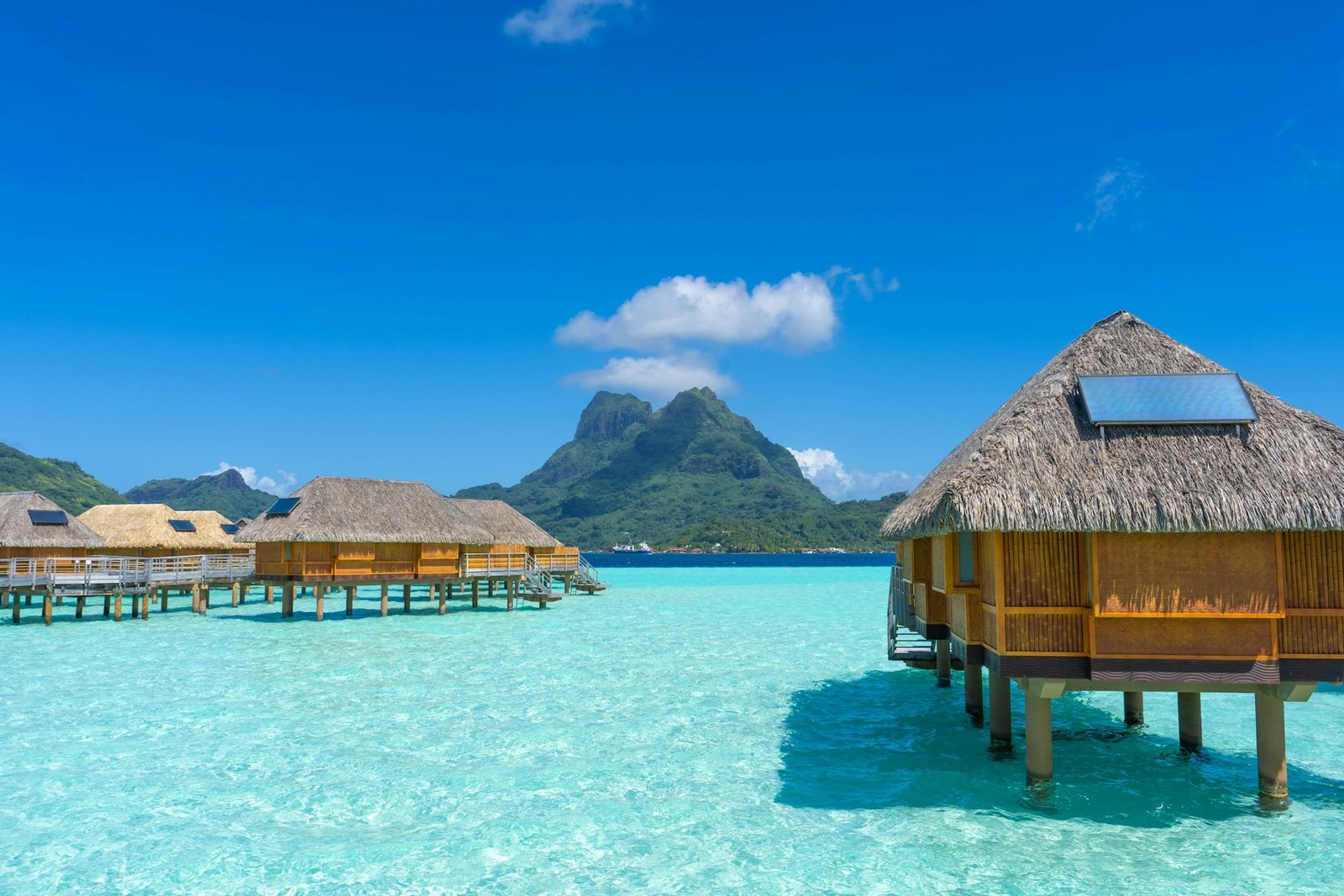
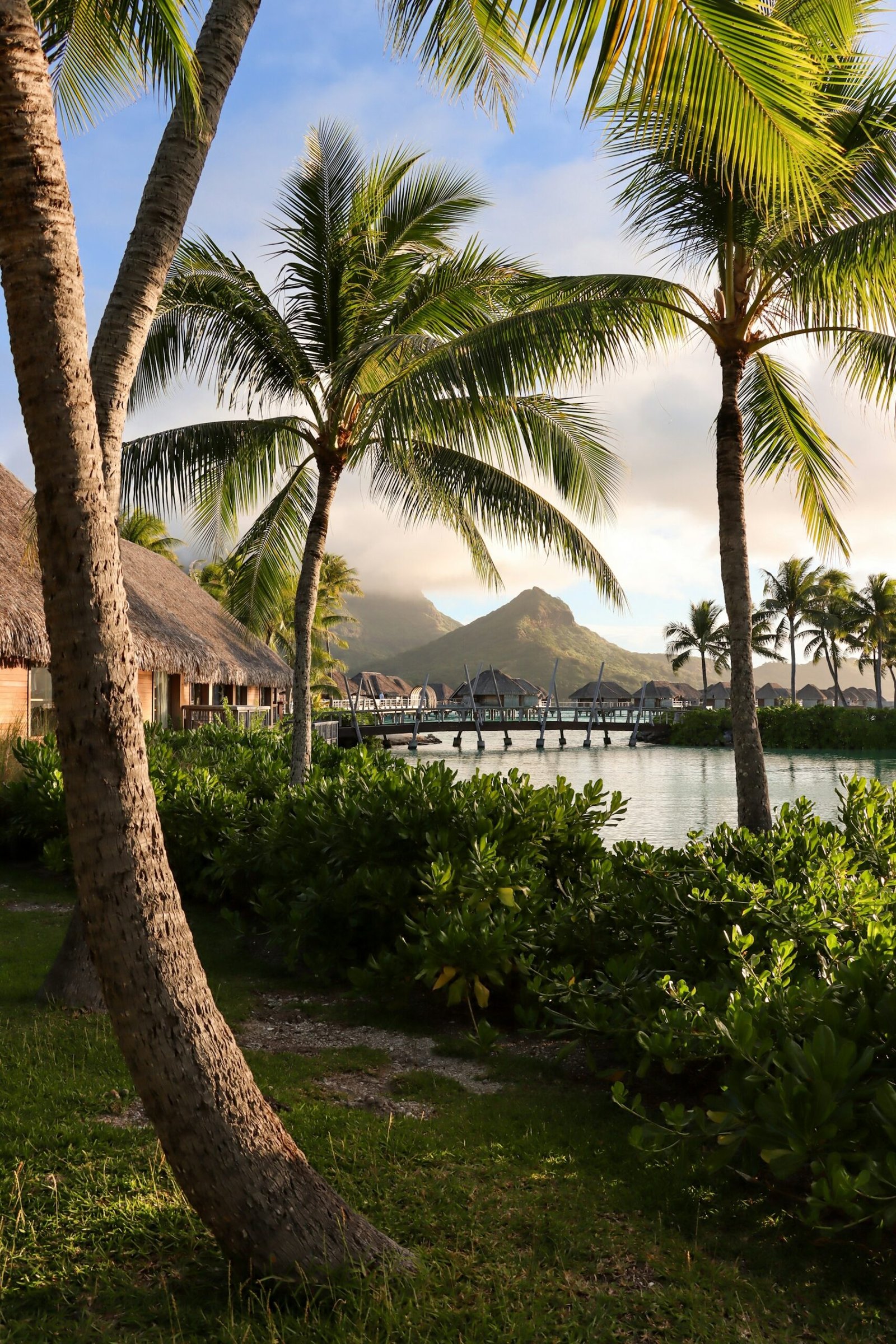
Overwater villas face the lagoon or Mount Otemanu and include immediate resort facilities. Boat transfers, meal plans, taxes, and activities can make the final bill far higher than the room rate.
PLAN YOUR DAYS
Best things to do
Lagoon circle tour
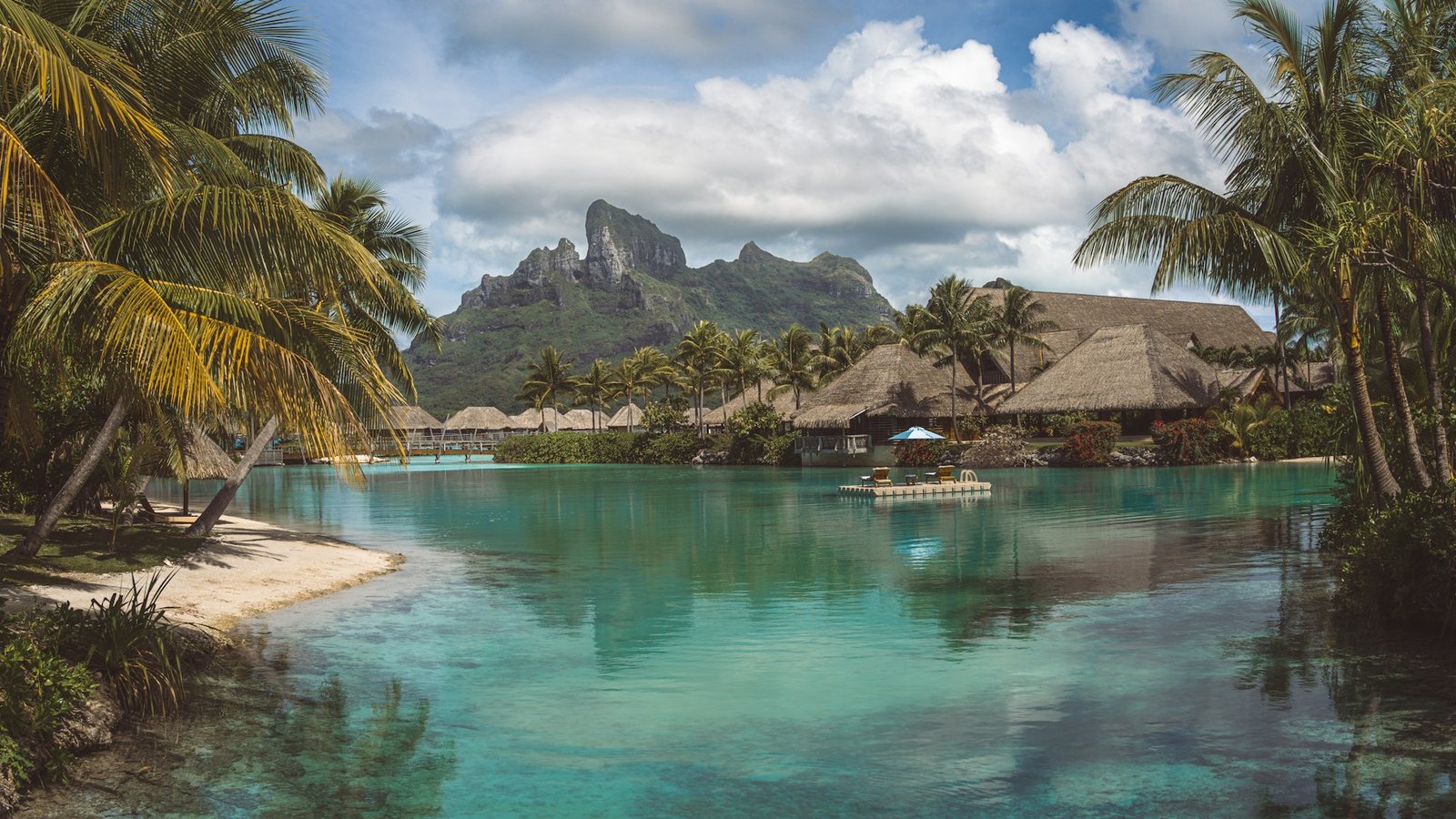
A small-boat circuit reveals Mount Otemanu from every side and reaches coral areas unavailable from the road. Allow 5–7 hours. Choose the calmest forecast early in the stay so a cancellation can be moved. Advance reservation is strongly recommended in dry season. Shared tours commonly use a paid package; confirm lunch and equipment. Select an operator that does not chase, touch, or feed wildlife. It is best suited to snorkelers, couples, and first-time visitors; time-limited visitors should add Lagoon circle tour only when it fits the same area and current conditions.
Matira Beach
Shallow turquoise water and public main-island access make this the easiest independent lagoon day. Allow 2–5 hours. Arrive in the morning for shade and calmer conditions. No reservation is needed for public beach access. The beach is free; chairs and food are separate. Protect valuables and avoid standing on coral fragments. It is best suited to budget travelers, families, and swimmers; On a short Bora Bora visit, Matira Beach should not force a cross-destination transfer.
Coral garden snorkeling
Clear shallow sites can show reef fish without requiring a scuba certification. Allow 1–2 hours within a tour. Go when the guide confirms visibility, current, and safe entry. Reserve through a responsible licensed boat operator. Usually bundled into a lagoon tour. Use reef-conscious sun protection and never touch coral. It is best suited to confident swimmers and marine-life travelers; on a short stay, keep Coral garden snorkeling only when access and geography suit that day.
Main-island circuit
A bicycle, scooter, or car loop passes villages, viewpoints, churches, and quieter lagoon edges. Allow 3–5 hours. Start early before heat and afternoon traffic. Vehicle or scooter rental should be booked in peak periods. Rental and fuel costs vary by vehicle. Wear a helmet and avoid riding after dark or in heavy rain. It is best suited to independent travelers and repeat visitors; visitors with little time should retain Main-island circuit only if it stays near another priority.
Mount Otemanu viewpoints
The volcanic peak anchors the island’s identity and changes shape from each shore and motu. Allow 30–90 minutes per viewpoint. Use morning light from the appropriate side and keep private land boundaries in mind. No reservation is needed for public roadside views. Public viewpoints are generally free. Do not attempt unmarked summit routes; choose a qualified guide for land excursions. It is best suited to photographers and landscape-focused visitors; time-limited visitors should add Mount Otemanu viewpoints only when it fits the same area and current conditions.
A PRACTICAL ROUTE
Suggested itinerary
Arrival and lagoon orientation
Complete the airport and hotel boat transfer, verify return arrangements, and keep the first swim close to the accommodation.
Lagoon circuit
Use the best early forecast for a responsible shared boat tour with snorkeling and a motu lunch, leaving evening plans flexible.
Matira and main island
Travel the island road, spend several hours at Matira, and buy supplies before returning to any boat-dependent resort.
Slow resort or guesthouse day
Enjoy the house reef, kayak, or beach without stacking paid tours; move accommodations only if the split stay creates real savings or value.
Weather buffer and favorite view
Use the buffer for a postponed lagoon trip, a guided land experience, or a final unhurried beach day before confirming the airport launch.
REALISTIC BUDGET
Estimated travel costs
Bora Bora costs move most with May–October, booking timing, taxes, and the exact position of a room in Matira. For Bora Bora, let the final CFP franc (XPF) total control the decision. For Bora Bora, its August 1, 2026 dollar conversion may differ at checkout.
TRAVEL WELL
Practical travel tips
- Confirm every airport and resort boat segment in writing; a room rate may not include the final launch.
- Compare meal plans before booking a motu because independent restaurants may require another paid boat.
- Use reef-conscious sun protection, keep fins above coral, and never touch or feed marine wildlife.
- Carry a small amount of XPF for pensions and roadside stops even when resorts accept major cards.
- Build the weather-sensitive lagoon tour early in the stay rather than on the day before departure.
- Cyclists and scooter riders need sun protection, water, lights, and a plan to return before darkness or rain.
- Solo female travelers should use arranged launches and known taxis rather than waiting alone at an uncertain dock.
- Keep medications, swimwear, and one change of clothes in cabin baggage because inter-island baggage delays are disruptive.
COMMON QUESTIONS
Bora Bora travel FAQ
How many days do you need in Bora Bora?
4–6 days is a practical first-visit range for Bora Bora. If 4–6 days is not available, keep one compact Bora Bora base and Lagoon circle tour; additional days are most useful as weather and transport buffers.
Is Bora Bora expensive?
In Bora Bora, a realistic daily planning range is XPF 18,000–30,000 (about US$174–290) budget; XPF 45,000–95,000 (about US$435–919) mid-range, per person. The main premiums are well-placed accommodation, travel during May–October, and private or guided versions of Lagoon circle tour.
Do you need a car in Bora Bora?
A car is not essential. Matira guests can walk locally and use a taxi or one-day rental, while motu-resort guests depend mainly on scheduled boats.
What is the best month to visit Bora Bora?
June and September often balance drier weather with slightly less pressure than the busiest July–August period, though lagoon conditions can vary daily.
Is Bora Bora safe for solo female travelers?
Bora Bora is generally straightforward for solo women at established accommodations. The main issue is transport isolation, so confirm boat and taxi times and avoid unlit road travel alone. Before departing for Bora Bora, review current government advice alongside local weather and transport notices.
What should you book in advance for Bora Bora?
Reserve the Tahiti–Bora Bora flight, all boat transfers, dry-season accommodation, a responsible lagoon tour, and any special dinner or overwater night.
KEEP EXPLORING
Related The Wander Muse guides
PLAN WITH CURRENT INFORMATION
Official resources
For Bora Bora, opening hours, fares, permits, weather rules, and transport arrangements can change. The official sources below are the final reference for Bora Bora schedules, restrictions, and visitor rules.