START HERE
Why visit Cartagena
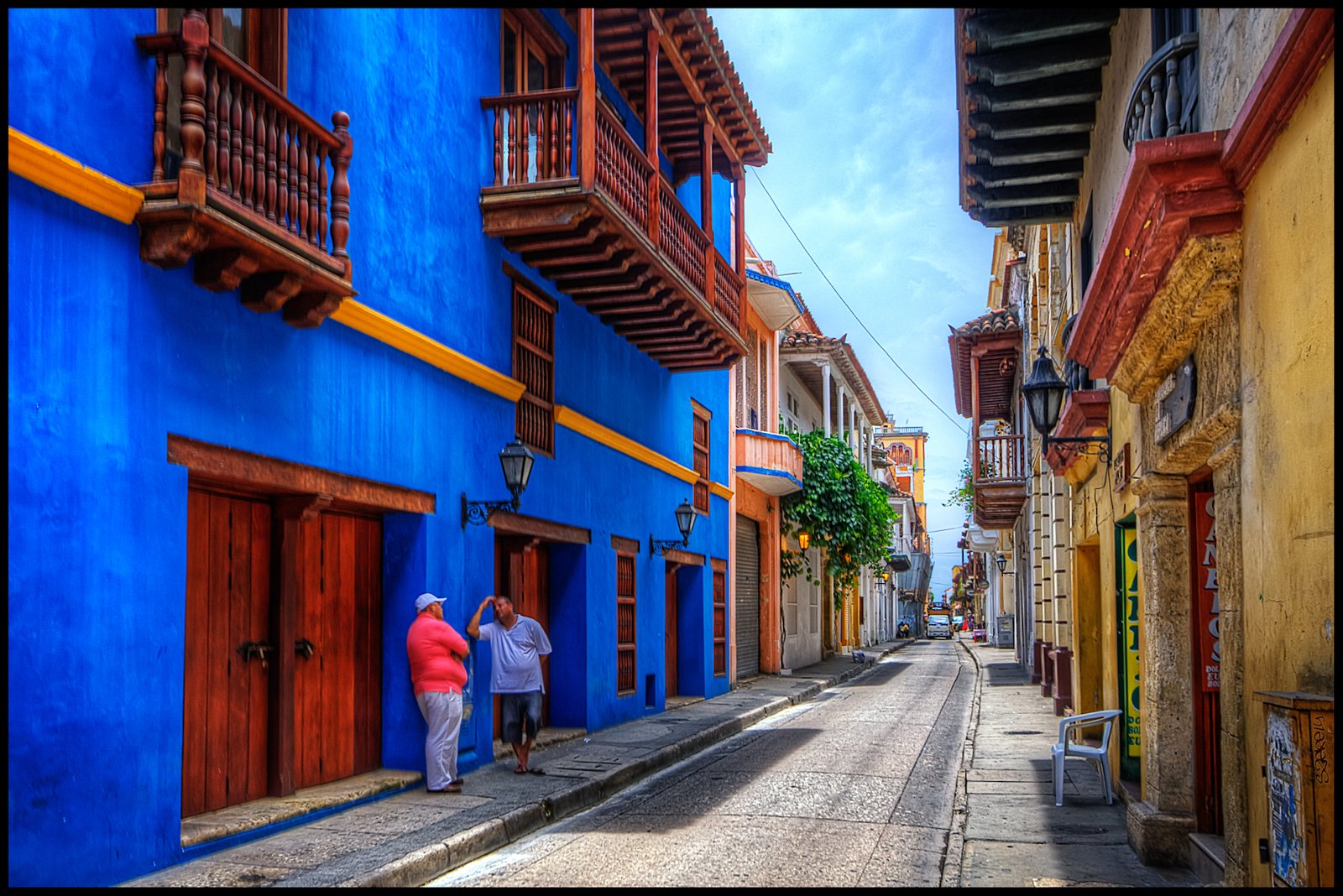
Cartagena rewards travelers who combine fortified Caribbean streets, Afro-Colombian culture, plazas, music, food, and nearby island water with enough time for shaded courtyards, Getsemaní art, late-afternoon walks, and meals beyond the busiest squares. It is especially rewarding for history, food, architecture, couples, solo travel, nightlife, and Caribbean breaks. Heat, humidity, aggressive sales, boat quality, cruise crowds, and block-specific late-night conditions require firm planning. Walled City is the most balanced first base, Getsemaní offers art and social energy, and Bocagrande suits visitors prioritizing modern hotels and sea views. Cartagena planning links Rafael Núñez International (CTG), walking in historic districts, Walled City, and Walk the walls in the cool morning to the six-row Colombian peso (COP) costs and 3–5 days itinerary below. Before paying for a Cartagena booking, confirm current weather limits, closures, permits, walking in historic districts, and timed entry through an official source.
AT A GLANCE
Cartagena quick travel summary
For Cartagena, historic areas free; forts and museums commonly cop 20,000–35,000 (about us$5–9). Cartagena estimates can exclude taxes; verify Walk the walls in the cool morning fees, card charges, transport, and seasonal supplements.
WHEN TO GO
Best time to visit
Drier season (December–February)
Across Cartagena, expect warm days, lower humidity, trade winds, and generally fewer heavy showers; conditions near Walk the walls in the cool morning can vary. Crowd and price pressure is high around year-end and winter escapes. The strongest reason to travel then is beach, wildlife, walking, and boat days are easier to schedule; the trade-off is that popular rooms and tours need early booking, while rough water can persist. Extreme heat, heavy rain, rough seas, boat compliance, cruise crowds, pickpocketing, and persistent vendors can still change a carefully planned day, so retain one lower-risk alternative and check official forecasts, road or marine notices, and reservation calendars shortly before every exposed outing.
Warming season (March–May)
Across Cartagena, expect hotter afternoons, rising humidity, and increasingly variable rain; conditions near Explore Getsemaní with local context can vary. Crowd and price pressure is moderate outside holidays. The strongest reason to travel then is good value and a mix of land and water activities; the trade-off is that heat and the first stronger storms reward early starts. Extreme heat, heavy rain, rough seas, boat compliance, cruise crowds, pickpocketing, and persistent vendors can still change a carefully planned day, so retain one lower-risk alternative and check official forecasts, road or marine notices, and reservation calendars shortly before every exposed outing.
Wetter season (June–August)
Across Cartagena, expect heat, humidity, frequent showers, and possible tropical systems; conditions near Visit Castillo San Felipe can vary. Crowd and price pressure is mixed, with school-holiday peaks. The strongest reason to travel then is lush landscapes, cultural travel, and quieter periods between holidays; the trade-off is that flooding, lightning, rough seas, and mosquitoes can cancel exposed plans. Extreme heat, heavy rain, rough seas, boat compliance, cruise crowds, pickpocketing, and persistent vendors can still change a carefully planned day, so retain one lower-risk alternative and check official forecasts, road or marine notices, and reservation calendars shortly before every exposed outing.
Transition season (September–November)
Across Cartagena, expect warm water, high humidity, storms, and gradually improving conditions; conditions near Choose a reputable Rosario Islands boat can vary. Crowd and price pressure is lower except festival periods. The strongest reason to travel then is better availability and green scenery; the trade-off is that cyclone or hurricane risk must be checked through official forecasts. Extreme heat, heavy rain, rough seas, boat compliance, cruise crowds, pickpocketing, and persistent vendors can still change a carefully planned day, so retain one lower-risk alternative and check official forecasts, road or marine notices, and reservation calendars shortly before every exposed outing.
ARRIVING
How to get there
Rafael Núñez International Airport sits close to the historic districts, with authorized taxis and verified app transport under current pickup rules. Confirm the fare or meter arrangement before departure. Long-distance buses arrive farther out and require a planned final connection, especially after dark. From Rafael Núñez International (CTG), compare luggage handling and service hours through to Walled City; the cheapest Cartagena fare may leave an impractical final connection. For a late Rafael Núñez International (CTG) arrival, get the Cartagena transfer instructions in writing and decline undocumented rides.
MOVING AROUND
Getting around
The Walled City and Getsemaní are best explored on foot in cooler hours. Use verified cars for Bocagrande, La Boquilla, or late returns. Island trips depend on licensed vessels, marine forecasts, passenger limits, life jackets, and a clear return beach or pier. Group the Walled City with fortifications, Getsemaní as a separate street-and-food period, and only one licensed island or mangrove day under safe marine conditions. This Cartagena order avoids repeated transfers and keeps Explore Getsemaní with local context available when weather, queues, or transport disrupt Walk the walls in the cool morning. Accessible Cartagena plans should verify walking in historic districts boarding, surfaces, restrooms, and the final approach to Walk the walls in the cool morning.
CHOOSE A BASE
Where to stay
Walled City — best for historic atmosphere
Major plazas, walls, museums, and restaurants sit within an easy early-morning and evening walk. Rooms are expensive and nightlife or street noise can be intense. For Walled City, verify the exact Cartagena block, evening access, transfer time, and cancellation terms.
Getsemaní — best for art and social energy
Murals, food, hostels, and active plazas create a lively base near the walls. Choose the exact street carefully for noise and late-night comfort. Before selecting Getsemaní, compare the Cartagena walking distance, luggage transfer, late arrival plan, and refund terms.
Bocagrande — best for modern hotels and sea views
Larger hotels, pools, services, and broad taxi access suit families or resort preferences. The urban beach is busy and the historic center needs a transfer. A room labeled Bocagrande can still be inconvenient in Cartagena; check its location, after-dark route, and connection.
PLAN YOUR DAYS
Best things to do
Walk the walls in the cool morning
An early Walled City walk reveals defensive architecture, churches, balconies, museums, and daily life before heat and groups peak. Allow 4–7 hours. Start early, use a guide for colonial and Afro-Caribbean context, and protect midday for shade. Streets are free; museums and guided walks vary from modest fees to private-tour rates.. Before Walk the walls in the cool morning, verify Cartagena access, then assess the fitness demands and return connection for Walk the walls in the cool morning.
Explore Getsemaní with local context
Castillo San Felipe explains the military engineering and strategic geography behind Cartagena’s fortifications. Allow 2–3 hours. Arrive near opening, carry water, and use marked passages rather than rushing through dark tunnels. Entry commonly costs the COP equivalent of roughly US$8–12.. Explore Getsemaní with local context must fit the traveler’s ability and current Cartagena conditions; wildlife distances remain firm.
Visit Castillo San Felipe
Getsemaní combines community history, murals, plazas, music, and food beyond a simple photo stop. Allow 3–5 hours. Walk with respect, ask before photographing residents or performances, and keep late routes active. Public streets are free; guided cultural experiences and food add cost.. Confirm transport to Visit Castillo San Felipe, then follow any Cartagena closure, barrier, or guide direction.
Choose a reputable Rosario Islands boat
Rosario Islands or another marine day can provide clearer water, but vessel and beach quality vary enormously. Allow 7–10 hours. Choose a licensed operator, verify life jackets and inclusions, check marine weather, and reject animal-handling attractions. Shared trips commonly cost COP 180,000–450,000 (about US$44–110) before some fees and meals.. For Choose a reputable Rosario Islands boat, let Cartagena access rules and staff instructions set the safe limit.
Bazurto-inspired food or a La Boquilla mangrove experience
A responsible food or mangrove experience connects fishing, Afro-Colombian heritage, ingredients, and ecosystems outside the old walls. Allow 3–6 hours. Use a community-linked operator, clarify transport and meal hygiene, and avoid tours that stage residents as props. Small-group experiences commonly cost COP 150,000–400,000 (about US$37–98).. Before Bazurto-inspired food or a La Boquilla mangrove experience, verify Cartagena access, then assess the fitness demands and return connection for Bazurto-inspired food or a La Boquilla mangrove experience.
A PRACTICAL ROUTE
Suggested itinerary
Arrive and orient
Reach Walled City, settle in near Walled City, check walking in historic districts hours, and orient only around the route to Walk the walls in the cool morning.
Walk the walls in the cool morning
Use the first full itinerary stage for walk the walls in the cool morning. After Walk the walls in the cool morning, eat near Walled City instead of adding a cross-Cartagena transfer.
Explore Getsemaní with local context
Build the next itinerary stage around explore getsemaní with local context, adding visit castillo san felipe only if Cartagena access and the transfer from Walled City remain practical.
A different side of the destination
Use Getsemaní or Bocagrande to reach choose a reputable rosario islands boat with less backtracking. Keep an independent meal, rest, or indoor alternative.
Flexible priority and departure
Choose bazurto-inspired food or a la boquilla mangrove experience, repeat time near Walled City, or recover Walk the walls in the cool morning after a weather delay. End the Cartagena route with a real buffer for luggage, traffic, security, and the Rafael Núñez International (CTG) connection.
REALISTIC BUDGET
Estimated travel costs
Cartagena costs move most with December–April, the location of Walled City, and the choice between walking in historic districts and private transfers. Recalculate Cartagena’s dollar comparison when booking. The figures here convert Colombian peso (COP) at August 1, 2026 reference rates and exclude later card charges.
TRAVEL WELL
Practical travel tips
- Walk early, rest in midday heat, and carry water, sun cover, and breathable clothing.
- Use authorized airport or verified app transport and confirm the fare before departure.
- Choose only licensed boats with life jackets, passenger limits, and a clear return arrangement.
- Ask the complete price before accepting photos, massages, chairs, food, or beach services.
- Keep phones and wallets controlled in crowded plazas and active nightlife streets.
- Decline persistent sales calmly and firmly without entering a long negotiation.
- Avoid captive-wildlife selfies and tours that treat communities as scenery.
- Solo women should select a well-reviewed exact block, use verified transport after nightlife, and avoid empty sections of the walls or beach after dark.
COMMON QUESTIONS
Cartagena travel FAQ
How many days do you need in Cartagena?
3–5 days is a realistic first-visit range for Cartagena. If 3–5 days is not possible, keep Walled City and Walk the walls in the cool morning; extra Cartagena days should absorb recovery, weather, or reservation changes.
Is Cartagena expensive?
A practical daily planning range is COP 250,000–450,000 (about US$61–110) budget; COP 650,000–1,300,000 (about US$159–317) mid-range, per person. For Cartagena, room location, peak dates, private transport, permits, and guided access to Walk the walls in the cool morning drive the largest increases; compare full inclusions, not headline prices.
Is the Walled City or Getsemaní better to stay?
The Walled City offers landmark access and polished hotels; Getsemaní is livelier and often better value. Exact street noise and nighttime route matter in both.
Are Rosario Islands worth it?
They can be, but boat standards and beach experiences vary. A smaller licensed operator with transparent inclusions is usually better than the cheapest crowded package.
How do you handle persistent vendors?
Ask prices before accepting anything, say no once clearly, keep walking, and involve venue or police staff if behavior crosses into harassment.
What should you book first?
Reserve peak rooms, a vetted small-group island or mangrove trip, and priority restaurants first. Historic walking can remain flexible around heat.
KEEP EXPLORING
Related The Wander Muse guides
PLAN WITH CURRENT INFORMATION
Official resources
Opening hours, fares, permits, weather rules, and transport arrangements in Cartagena can change. Recheck current Cartagena operating information below, especially before reserving Explore Getsemaní with local context.