START HERE
Why visit Kansas City
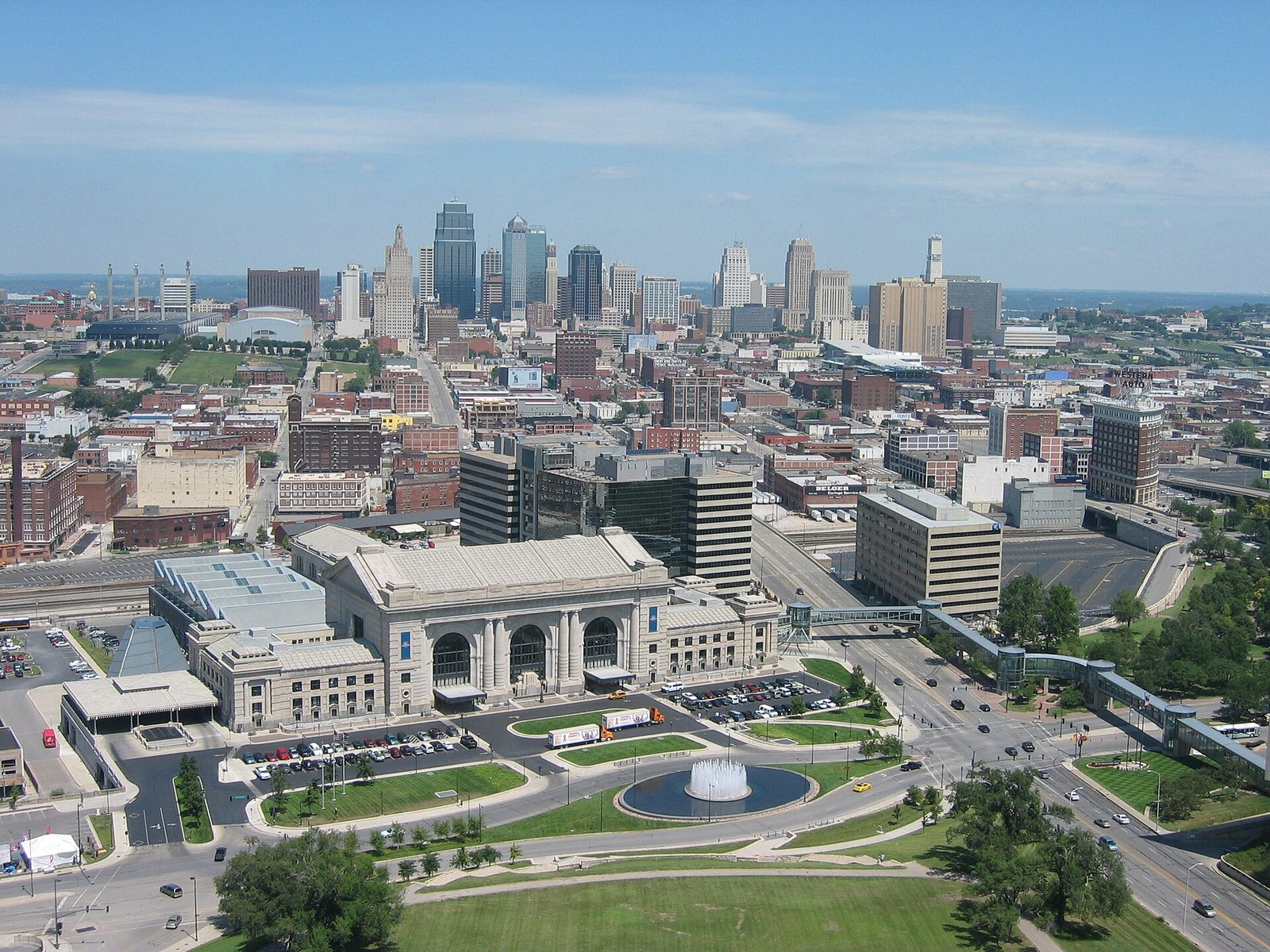
Kansas City earns a place on a first or repeat trip for travelers who want barbecue, jazz, art museums, and relaxed neighborhood exploring. The strongest itinerary connects National WWI Museum and Memorial, Nelson-Atkins Museum of Art, and 18th & Vine Jazz District without turning every day into a race. Crossroads Arts District is best for galleries and restaurants; the Plaza is polished and walkable; downtown works for events and streetcar access. This Kansas City guide uses a realistic route, transparent planning ranges, and a slower schedule designed to be useful from a phone while you travel. The challenge is distance rather than complexity: museums south of downtown, the 18th & Vine district, stadium events, and restaurants do not all sit on one walkable corridor. The free streetcar is valuable, but a complete visit still needs carefully grouped neighborhoods and occasional rides. The Kansas City guide ties seasonal conditions to the main gateway, Crossroads Arts District, local-currency costs, and an itinerary centered on National WWI Museum and Memorial.
AT A GLANCE
Kansas City quick travel summary
Kansas City prices are planning ranges. Confirm the final amount in US dollar (USD), including taxes, booking terms, and exactly what each Kansas City transport or activity ticket covers.
WHEN TO GO
Best time to visit
Spring (March–May)
In Kansas City, this period brings changeable mild weather, rain, and occasional storms. Weekends and school breaks lift demand unevenly. For Kansas City, its main advantage is parks, neighborhoods, and outdoor landmarks; the disadvantage is that rapid weather changes can interrupt the route. Baseball, gardens, and patio weather return, although thunderstorms can interrupt outdoor plans. Before an outdoor day in Kansas City, recheck official weather and the transport needed for National WWI Museum and Memorial.
Summer (June–August)
In Kansas City, this period brings long daylight, heat, humidity, and periodic storms. Family travel and major events keep central prices firm. For Kansas City, its main advantage is early outdoor time and air-conditioned museums; the disadvantage is that midday exposure and busy event dates reduce flexibility. Heat and humidity make midday district-hopping tiring; indoor museums become especially valuable. Before an outdoor day in Kansas City, recheck official weather and the transport needed for National WWI Museum and Memorial.
Autumn (September–November)
In Kansas City, this period brings cooler days, changing foliage, and shorter but comfortable light. For Kansas City, festival and sports weekends can raise rooms while ordinary weeks soften. For Kansas City, its main advantage is walking, food, and mixed indoor-outdoor plans; the disadvantage is that late-season cold or rain becomes increasingly possible. Football dates and fall festivals can tighten hotels even when the weather is ideal. Before an outdoor day in Kansas City, recheck official weather and the transport needed for National WWI Museum and Memorial.
Winter (December–February)
In Kansas City, this period brings cold days, short light, and occasional snow or ice. Holiday peaks interrupt otherwise lower demand. For Kansas City, its main advantage is museums, food, and value-focused city time; the disadvantage is that transport disruption and limited outdoor hours narrow the plan. Holiday lighting brings atmosphere, but ice, wind, and reduced daylight favor a museum-led plan. Before an outdoor day in Kansas City, recheck official weather and the transport needed for National WWI Museum and Memorial.
ARRIVING
How to get there
Kansas City International Airport lies northwest of the central districts. The easiest arrival for most visitors is a licensed taxi, app-based ride, or reserved shuttle directly to the hotel; a public bus can be the cheapest choice when its current schedule matches the flight and luggage is manageable. Renting a car at MCI helps with suburban restaurants, stadium events, or regional extensions, but downtown parking adds cost. Intercity rail reaches Union Station, which connects naturally to central attractions and the streetcar corridor. Compare the total hotel-parking cost before defaulting to a car, and verify airport bus times through RideKC rather than an old blog or timetable screenshot.
MOVING AROUND
Getting around
Use the free KC Streetcar for the River Market, downtown, Crossroads, and Union Station corridor, then add RideKC buses or rideshare for museums and neighborhoods farther south and east. Walking works within each district but not between every highlight, especially in summer heat. A car is useful for stadiums, suburban barbecue, or multiple dispersed stops, while parking is unnecessary for a compact downtown itinerary. Bicycles and scooters work on selected paths but should not be treated as universal transport. First-time visitors can build each day around one corridor and avoid losing time to repeated cross-city rides. For a 3–4 days visit, use Crossroads Arts District for the arrival-focused days, group National WWI Museum and Memorial with Nelson-Atkins Museum of Art, and protect 18th & Vine Jazz District for the period with the best conditions. Put National WWI Museum and Memorial and Nelson-Atkins Museum of Art on different Kansas City stages; the separation protects meal time and a weather fallback. Accessible Kansas City bookings should confirm kc streetcar access and the precise final approach to National WWI Museum and Memorial.
CHOOSE A BASE
Where to stay
Crossroads Arts District — best for first-time visitors who prioritize food and culture
Galleries, restaurants, Union Station, and the streetcar are close, so this is the most balanced short-trip base. Weekend noise and event-driven rates are the drawbacks.
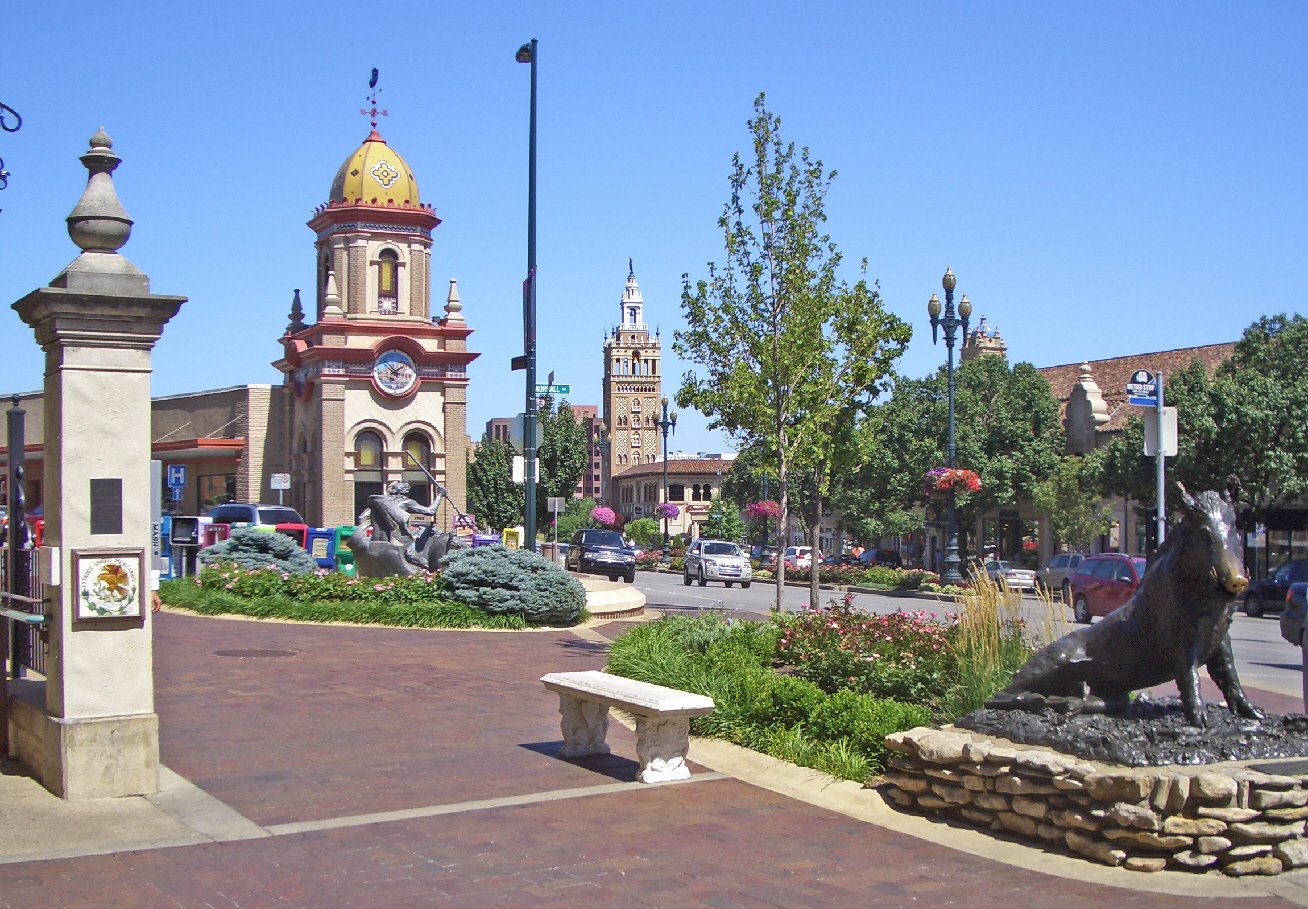
Country Club Plaza — best for walkable shopping and a polished stay
The Plaza has fountains, restaurants, and easy access to the Nelson-Atkins area. It is removed from the streetcar corridor and can feel commercial outside its landscaped core.
Downtown or River Market — best for streetcar convenience and events
This area works for convention visitors, market mornings, and car-free central days. Some blocks become quiet after office hours, and rides are still needed for 18th & Vine or the art museums.
PLAN YOUR DAYS
Best things to do
National WWI Museum and Memorial
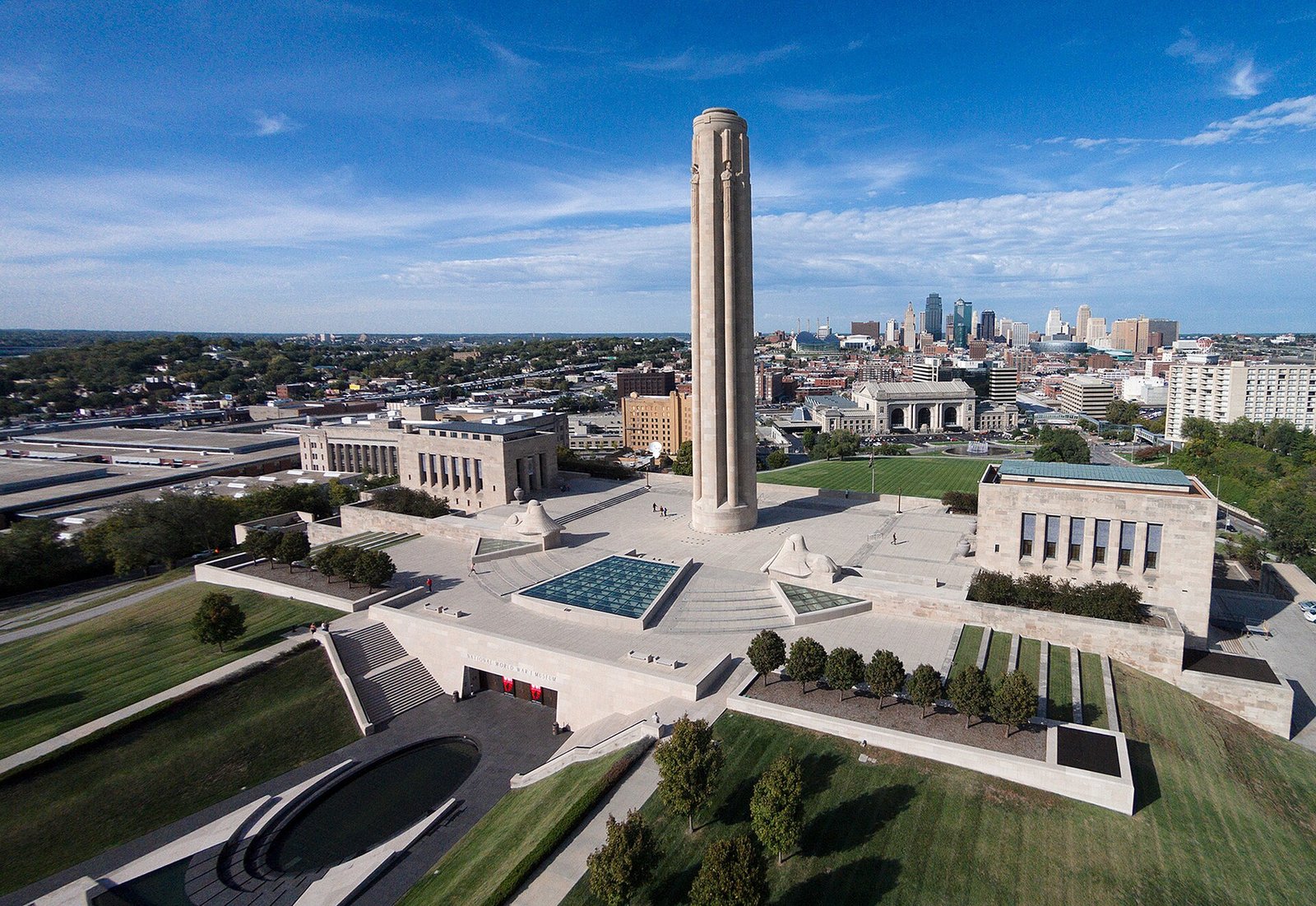
The exhibitions and tower give unusually deep historical context and a broad view over Union Station. Allow 3–4 hours. Arrive near opening for a quieter start; buy a timed or special ticket through the museum when required. Keep National WWI Museum and Memorial only when it serves the traveler’s Kansas City priorities, not merely to lengthen the list.
Nelson-Atkins Museum of Art
A major global collection and sculpture park make this one of the city’s best-value cultural stops. Allow 2–4 hours. General access policies can change for special exhibitions, so verify current entry and visit on a weekday when possible. Keep National WWI Museum and Memorial only when it serves the traveler’s Kansas City priorities, not merely to lengthen the list.
18th & Vine Jazz District
Music history, the American Jazz Museum area, and evening performances explain a central part of Kansas City identity. Allow 3–5 hours. Use daytime for museums and return for a verified performance; arrange the late ride rather than walking across districts. Keep National WWI Museum and Memorial only when it serves the traveler’s Kansas City priorities, not merely to lengthen the list.
Country Club Plaza
Spanish-inspired architecture, fountains, shops, and dining create an easy late-afternoon district walk. Allow 2–3 hours. No reservation is needed for the streets, but restaurant bookings help on weekends and during holiday lighting. Keep National WWI Museum and Memorial only when it serves the traveler’s Kansas City priorities, not merely to lengthen the list.
City Market and the riverfront
A market morning and nearby river history offer a lighter counterpoint to large museums. Allow 2–3 hours. Weekend mornings are liveliest and busiest; use the streetcar and combine the stop with downtown rather than driving twice. Keep National WWI Museum and Memorial only when it serves the traveler’s Kansas City priorities, not merely to lengthen the list.
A PRACTICAL ROUTE
Suggested itinerary
Downtown and Union Station
Ride the streetcar through River Market and downtown, then explore Union Station and the Crossroads at an easy pace.
World War I history and the Plaza
Give the museum a full morning, continue to the Nelson-Atkins, and eat near the Plaza without crossing the city again.
Jazz and barbecue
Visit 18th & Vine during museum hours, schedule a barbecue meal, and return for a verified live performance.
Neighborhood choice
Use the final day for City Market, a sports event, additional art, or a carefully chosen suburban restaurant.
REALISTIC BUDGET
Estimated travel costs
Kansas City costs move most with April–May or September–October, booking timing, taxes, and the specific room location in Crossroads Arts District. Treat Kansas City’s dollar figures as orientation. They convert US dollar (USD) at August 1, 2026 reference rates for Kansas City, before later market movement or payment fees.
TRAVEL WELL
Practical travel tips
- Check the event calendar before choosing hotel dates because games, conventions, and concerts affect rates and traffic.
- Do not assume every famous barbecue restaurant is close to downtown; map the meal into the surrounding day.
- Summer visitors should schedule museums through the hottest hours and carry water between streetcar stops.
- Use a verified rideshare pickup point after major events, when road closures can make the obvious corner inaccessible.
- Solo travelers should keep late-night jazz and dining within a planned transport corridor rather than improvising a long walk.
- Use ride-hailing between spread-out districts after dark.
- Check event calendars because major games and conventions affect hotel prices.
- Plan heat breaks for midsummer afternoons.
COMMON QUESTIONS
Kansas City travel FAQ
How many days do you need in Kansas City?
Kansas City works best with 3–4 days for a first visit. A short Kansas City trip should pair National WWI Museum and Memorial with one nearby priority; extra time belongs to meals, weather, or kc streetcar delays.
Is Kansas City expensive?
In Kansas City, a budget traveler can plan around $90–150 per person per day before long-distance arrival costs. The largest Kansas City premiums come from Crossroads Arts District, peak dates, private transport, and guided access to National WWI Museum and Memorial.
Do you need a car in Kansas City?
A car is optional for a downtown, Crossroads, and museum-focused visit. Rent one for stadiums, suburban restaurants, or a wider regional trip.
What is the best month to visit Kansas City?
October often combines comfortable temperatures with strong cultural and sports calendars, although event weekends can raise prices.
Is Kansas City safe for solo female travelers?
Many solo female travelers can plan Kansas City with ordinary destination-appropriate precautions. Solo travelers should keep late-night jazz and dining within a planned transport corridor rather than improvising a long walk. Before departing for Kansas City, review current government advice alongside local weather and transport notices.
What should you book in advance for Kansas City?
Reserve event tickets, popular restaurants, and special museum exhibitions. General streetcar travel and many museum collections do not require advance booking.
KEEP EXPLORING
Related The Wander Muse guides
CHECK BEFORE DEPARTURE
Sources and official resources
Schedules, fares, access rules, closures, and entry systems affecting Kansas City can change. Recheck the official resources below shortly before departure.