START HERE
Why visit Dallas–Fort Worth
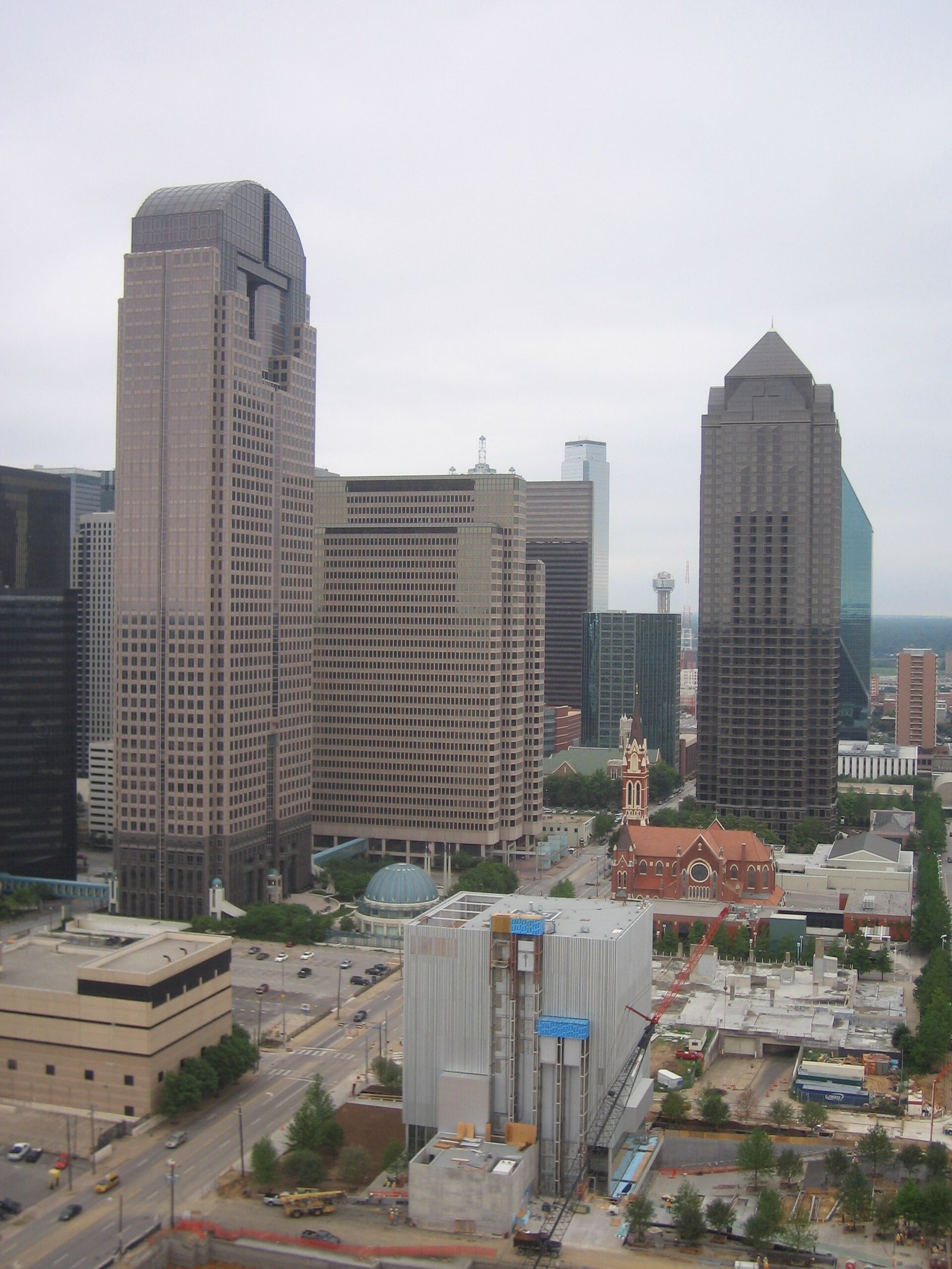
Dallas–Fort Worth earns a place on a first or repeat trip for travelers who want major museums, Texas dining, live events, and western heritage. The strongest itinerary connects Dallas Arts District, Fort Worth Stockyards, and Sixth Floor Museum at Dealey Plaza without turning every day into a race. Stay in Uptown or downtown Dallas for urban access, or central Fort Worth for Stockyards and museum days; splitting the stay can reduce driving. This Dallas–Fort Worth guide uses a realistic route, transparent planning ranges, and a slower schedule designed to be useful from a phone while you travel. Dallas and Fort Worth are separate city experiences connected by a large metropolitan region, not adjacent neighborhoods. The best plan either splits the stay or dedicates whole days to each side, then uses rail, rideshare, or a car according to the exact event and hotel. The Dallas–Fort Worth guide ties seasonal conditions to the main gateway, Downtown or Uptown Dallas, local-currency costs, and an itinerary centered on Dallas Arts District.
AT A GLANCE
Dallas–Fort Worth quick travel summary
Dallas–Fort Worth prices are planning ranges. Confirm the final amount in US dollar (USD), including taxes, booking terms, and exactly what each Dallas–Fort Worth transport or activity ticket covers.
WHEN TO GO
Best time to visit
Spring (March–May)
In Dallas–Fort Worth, this period brings warm variable days, thunderstorms, and severe-weather potential. Festivals and school breaks create uneven hotel pressure. Its main advantage is parks, districts, and outdoor dining; the disadvantage is that hail, flooding, or storms can force sudden changes. Bluebonnet-season drives and patio days are appealing, but hail and severe-weather alerts can disrupt travel. Before an outdoor day in Dallas–Fort Worth, recheck official weather and the transport needed for Dallas Arts District.
Summer (June–August)
In Dallas–Fort Worth, this period brings extreme heat, humidity, and strong sun. Conventions and family travel keep selected dates expensive. Its main advantage is museums and evening events; the disadvantage is that long outdoor transfers become exhausting and unsafe. Long hot afternoons make air-conditioned museums essential and increase the cost of parking close to venues. Before an outdoor day in Dallas–Fort Worth, recheck official weather and the transport needed for Dallas Arts District.
Autumn (September–November)
In Dallas–Fort Worth, this period brings cooler days after early-season heat and a busy event calendar. Sports and festivals can raise rooms sharply. Its main advantage is food, parks, and neighborhood exploration; the disadvantage is that event traffic can undermine otherwise comfortable weather. Fair, football, and festival dates bring energy and hotel pressure even as temperatures become comfortable. Before an outdoor day in Dallas–Fort Worth, recheck official weather and the transport needed for Dallas Arts District.
Winter (December–February)
In Dallas–Fort Worth, this period brings generally mild days interrupted by cold fronts and occasional ice. Ordinary weeks can offer value outside holidays. Its main advantage is museums, dining, and compact city routes; the disadvantage is that rare freezes can disrupt flights and roads. Ordinary winter weeks can be good value, but abrupt cold fronts and occasional ice affect driving and flights. Before an outdoor day in Dallas–Fort Worth, recheck official weather and the transport needed for Dallas Arts District.
ARRIVING
How to get there
DFW Airport sits between the two cities and connects to Dallas by DART rail and to Fort Worth through the regional rail system; verify the terminal connection and last train before relying on it. Dallas Love Field is closer to central Dallas and has local transit and taxi options. A rideshare or taxi is simplest for late arrivals and multi-person groups, while a rental car helps with suburban attractions and split-city plans. Amtrak serves both downtowns, and the Trinity Railway Express links Dallas and Fort Worth on its published operating days. Choose the first hotel before choosing the airport transfer, because a low fare can be outweighed by a cross-region ride.
MOVING AROUND
Getting around
Treat Dallas and Fort Worth as two separate daily zones. DART covers central Dallas and selected corridors, Trinity Metro serves Fort Worth, and TRE links the downtowns on its current timetable. Rideshare fills gaps but can surge after sports and concerts. A car offers the greatest reach, yet downtown parking, traffic, and long distances add expense. Dallas Arts District and central Fort Worth are walkable internally; the region as a whole is not. Visitors focused on museums can combine rail and rides, while families or event-heavy itineraries often prefer a car and one carefully chosen base. For a 4–5 days visit, use Downtown or Uptown Dallas for the arrival-focused days, group Dallas Arts District with Fort Worth Stockyards, and protect Sixth Floor Museum at Dealey Plaza for the period with the best conditions. Put Dallas Arts District and Fort Worth Stockyards on different Dallas–Fort Worth stages; the separation protects meal time and a weather fallback. Accessible Dallas–Fort Worth bookings should confirm dart access and the precise final approach to Dallas Arts District.
CHOOSE A BASE
Where to stay
Downtown or Uptown Dallas — best for first-time Dallas access
Museums, restaurants, rail, and central attractions are convenient, with Uptown offering a more residential evening scene. Event noise, parking fees, and the long trip to Fort Worth are the trade-offs.
Downtown Fort Worth or the Stockyards — best for western heritage and Fort Worth museums
Central Fort Worth works for the cultural district, while the Stockyards favors evening atmosphere. Staying here makes Dallas days longer and the Stockyards can be noisy.
Las Colinas or the DFW Airport area — best for flight and business convenience
This middle position reduces airport stress and can suit a split regional schedule. It lacks the street life of either downtown, so most meals and sights require transport.
PLAN YOUR DAYS
Best things to do
Dallas Arts District
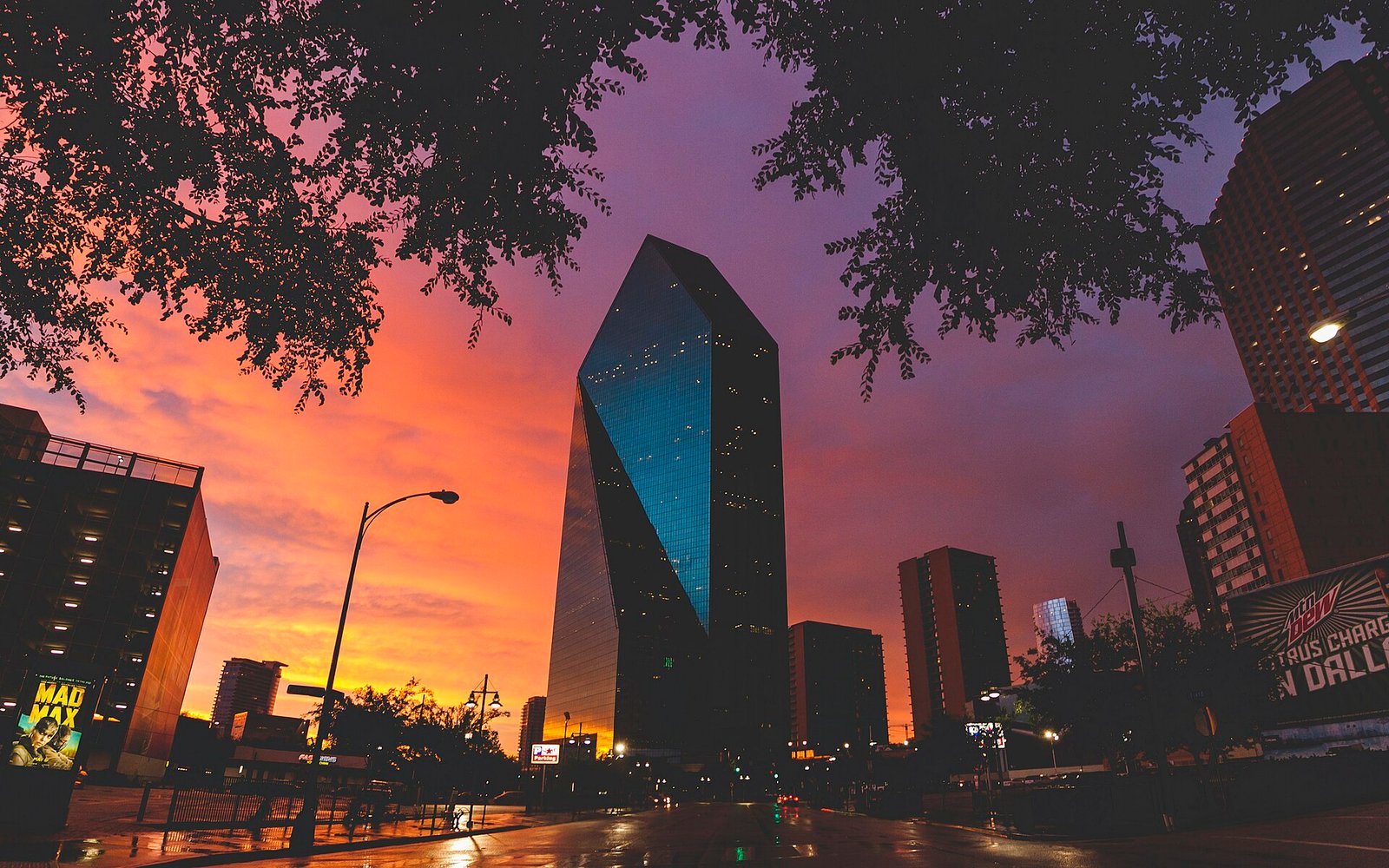
Major museums, performance venues, and contemporary architecture create the region’s densest cultural corridor. Allow Half to full day. Check free-entry policies and timed exhibitions, then arrive before midday heat or event traffic. Keep Dallas Arts District only when it serves the traveler’s Dallas–Fort Worth priorities, not merely to lengthen the list.
Fort Worth Stockyards
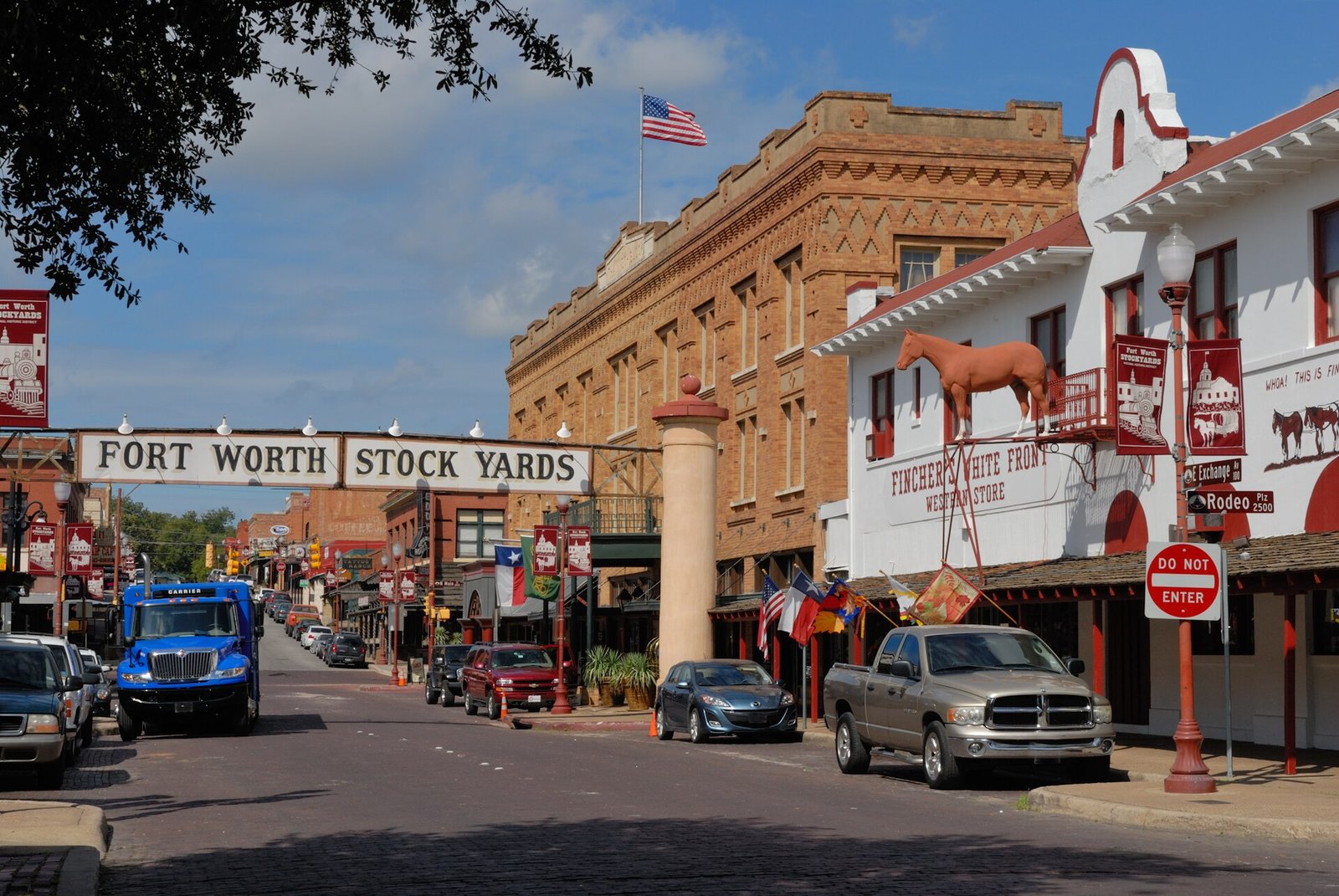
Historic cattle-industry interpretation, brick streets, shops, and live entertainment offer a distinct Fort Worth experience. Allow 4–6 hours. Verify official demonstration and event times, reserve popular evening shows, and expect crowds on weekends. Keep Dallas Arts District only when it serves the traveler’s Dallas–Fort Worth priorities, not merely to lengthen the list.
Sixth Floor Museum at Dealey Plaza
The museum gives careful historical context to a site that is often reduced to a quick photograph. Allow 2–3 hours. Timed entry can sell out, so book through the official museum and arrive early enough for security and orientation. Keep Dallas Arts District only when it serves the traveler’s Dallas–Fort Worth priorities, not merely to lengthen the list.
Kimbell Art Museum and the Cultural District
A celebrated collection and architecture sit close to several other Fort Worth museums. Allow 3–5 hours. Choose one or two institutions rather than rushing all of them; check each museum’s closed day and special exhibitions. Keep Dallas Arts District only when it serves the traveler’s Dallas–Fort Worth priorities, not merely to lengthen the list.
Fort Worth Botanic Garden
Gardens provide a slower, outdoor counterpoint to the Stockyards and indoor museum schedule. Allow 2–3 hours. Morning is best in warm months; confirm current ticket, weather, and seasonal display information. Keep Dallas Arts District only when it serves the traveler’s Dallas–Fort Worth priorities, not merely to lengthen the list.
A PRACTICAL ROUTE
Suggested itinerary
Central Dallas
Begin with downtown history and one museum, then remain in the Arts District or Uptown for dinner.
Dealey Plaza and neighborhoods
Use a reserved museum time, add a food or design district, and avoid a same-day Fort Worth return.
Fort Worth culture
Travel directly to the Kimbell and surrounding museums, then eat in central Fort Worth.
Stockyards
Give the district a separate afternoon and evening, using verified event times to shape arrival.
Flexible regional day
Choose gardens, sports, an additional museum, or a low-stress departure day based on the final hotel.
REALISTIC BUDGET
Estimated travel costs
Dallas–Fort Worth costs move most with March–April or October–November, booking timing, taxes, and the specific room location in Downtown or Uptown Dallas. Recalculate Dallas–Fort Worth’s dollar comparison when booking. For Dallas–Fort Worth, the figures here convert US dollar (USD) at August 1, 2026 reference rates and exclude later card charges.
TRAVEL WELL
Practical travel tips
- Never plan a Dallas museum morning and Fort Worth evening without checking the actual cross-region travel time.
- Verify severe-weather warnings during spring; hail and flash flooding can make driving unsafe.
- Prebook popular sports, rodeo, concert, and museum tickets instead of assuming the region’s size guarantees availability.
- Use the official pickup area after stadium events, where ordinary rideshare pins may be blocked.
- Solo visitors should group evening stops in one active district and avoid waiting alone in empty transit areas late at night.
- Use ride-hailing after late events and verify pickup zones.
- Build indoor breaks into hot-weather itineraries.
- Check severe-weather alerts in spring and early summer.
COMMON QUESTIONS
Dallas–Fort Worth travel FAQ
How many days do you need in Dallas–Fort Worth?
Dallas–Fort Worth works best with 4–5 days for a first visit. A short Dallas–Fort Worth trip should pair Dallas Arts District with one nearby priority; extra time belongs to meals, weather, or dart delays.
Is Dallas–Fort Worth expensive?
In Dallas–Fort Worth, a budget traveler can plan around $100–170 per person per day before long-distance arrival costs. The largest Dallas–Fort Worth premiums come from Downtown or Uptown Dallas, peak dates, private transport, and guided access to Dallas Arts District.
Do you need a car in Dallas–Fort Worth?
A car is useful for a broad regional itinerary, but rail and rideshare can cover a focused Dallas or Fort Worth visit. Parking cost should be included in the decision.
What is the best month to visit Dallas–Fort Worth?
October usually offers comfortable temperatures, but the State Fair and sports dates can increase demand in parts of the region.
Is Dallas–Fort Worth safe for solo female travelers?
Many solo female travelers can plan Dallas–Fort Worth with ordinary destination-appropriate precautions. Solo visitors should group evening stops in one active district and avoid waiting alone in empty transit areas late at night. Recheck official travel advice for Dallas–Fort Worth, then compare it with the latest conditions affecting Dallas Arts District.
What should you book in advance for Dallas–Fort Worth?
Reserve the Sixth Floor Museum, major games, performances, and Stockyards events. Many art collections allow more flexible entry.
KEEP EXPLORING
Related The Wander Muse guides
CHECK BEFORE DEPARTURE
Sources and official resources
Schedules, fares, access rules, closures, and entry systems affecting Dallas–Fort Worth can change. Recheck the official resources below shortly before departure.