
START HERE
Why visit New Orleans
New Orleans is not simply a party stop: it is a layered port city shaped by Black, Creole, Cajun, Caribbean, French, Spanish, and American histories. Live music, neighborhood architecture, distinctive food, and the Mississippi River make it ideal for culture-focused couples, friends, solo travelers, and repeat U.S. city breakers. Three full days provide an introduction, while four or five let you hear more music, visit museums, and explore beyond the French Quarter. This guide covers weather and festival timing, airport transfers, streetcars, the best areas to stay, respectful ways to experience local traditions, realistic budgets, and an itinerary arranged by neighborhood. The main planning issue is the calendar: Mardi Gras, Jazz Fest, major conventions, summer heat, and hurricane season can completely alter prices, crowds, opening hours, and transport, so verify dates before committing to non-refundable bookings.
AT A GLANCE
New Orleans quick travel summary
New Orleans budgets below are planning ranges, not quotes. For New Orleans, exchange rates, taxes, seasonal demand, event dates, and operator terms can change the final amount, so confirm current details before booking.
WHEN TO GO
Best time to visit
Late winter and spring (February–May)
Comfortable weather, Mardi Gras season, festivals, and peak cultural calendars make this the most popular period. Crowds and accommodation prices can be very high around parade weekends and Jazz Fest. Book early, study parade routes, and expect street closures. Outside major events, March and April are excellent for walking and courtyard dining, with increasing humidity by May.
Summer (June–August)
Summer is hot, extremely humid, rainy, and quieter. Hotel deals are more common, but afternoon storms and heat can limit outdoor sightseeing. Hurricane season begins in June, so monitor forecasts and choose flexible reservations. Schedule cemeteries and neighborhood walks early, use air-conditioned museums midday, hydrate, and avoid planning a nonstop outdoor itinerary.
Fall (September–November)
September remains hot and within the most active part of hurricane season; October and November are usually more comfortable. Crowds and prices rise around Halloween, football games, festivals, and major events. Music, food, and neighborhood walks are rewarding, but maintain travel insurance and storm-aware booking terms through the season.
Winter holidays and January
December and January can bring mild days, cool nights, holiday decorations, and lower demand between events. Cold snaps and rain are possible. Carnival preparations begin before Mardi Gras, adding local energy without always reaching peak crowds. This period suits travelers who prioritize restaurants, museums, and music and can pack for variable temperatures.
ARRIVING
How to get there
Louis Armstrong New Orleans International Airport is west of the city. Airport buses provide the lowest-cost connection, but routes, stops, luggage practicality, and operating hours must be checked with the current transit agencies. A taxi or verified ride app is usually the easiest door-to-door option, particularly for late arrivals or groups sharing the fare; travel time to central districts often ranges from about 25 minutes to more than an hour in traffic. Amtrak serves New Orleans Union Passenger Terminal near the Central Business District, with long-distance services that require generous schedule flexibility. Drivers should reserve secure hotel parking and avoid relying on a car in the French Quarter. During festivals or parades, road closures can move pickup points, so confirm your accommodation’s arrival instructions shortly before travel.
MOVING AROUND
Getting around
Streetcars are part of the experience and useful along St. Charles Avenue, Canal Street, and the riverfront, but they are slower than a subway and can be delayed by crowds or traffic. Buses extend the network, while the official fare app and Jazzy Pass options can simplify payment; check current fares through the Regional Transit Authority. The French Quarter, Marigny, and parts of the Central Business District are walkable, though heat, uneven pavement, and sudden rain matter. Taxis and ride apps are sensible after late music sets, especially when the final route is quiet. Cycling is possible on selected corridors for experienced riders. A rental car is unnecessary for the central itinerary and difficult to park. Travelers with mobility needs should verify vehicle and stop accessibility in advance.
CHOOSE A BASE
Where to stay
French Quarter — best for first-time convenience
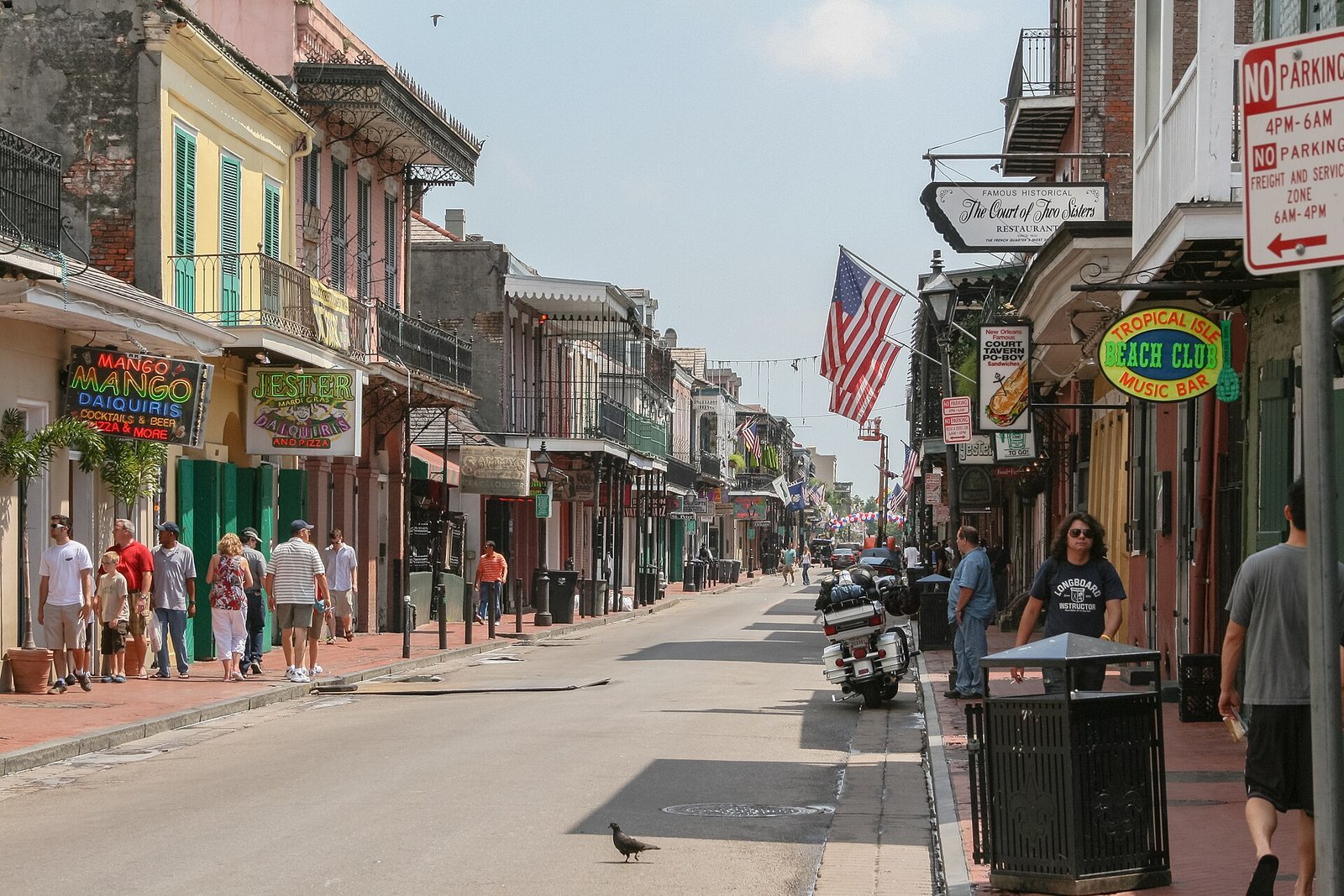
The Quarter places historic streets, restaurants, river access, and many venues within walking distance. Choose a hotel away from Bourbon Street if sleep matters. Rooms are often expensive, noise can continue late, and weekend crowds are intense. It suits short stays and travelers who want minimal transport.
Central Business District and Warehouse District — best for balance
These adjacent areas offer larger hotels, museums, restaurants, and straightforward access to both the Quarter and St. Charles streetcar. They work well for families, conference visitors, and travelers who prefer quieter nights. Some blocks feel businesslike after dark, so inspect the exact location and route to nearby stops.
Marigny or Garden District — best for character
Marigny is convenient for Frenchmen Street music and colorful residential streets; the Garden District offers grand architecture and a calmer pace near St. Charles Avenue. Both suit repeat visitors and longer stays. Marigny can be noisy near venues, while the Garden District requires more travel for downtown attractions. Respect residential homes and short-term rental regulations.
PLAN YOUR DAYS
Best things to do
French Quarter beyond Bourbon Street
Royal Street, Jackson Square, the riverfront, courtyards, museums, and quieter residential edges reveal more than the nightlife strip. Allow half a day, preferably starting early before heat and crowds. Many public streets are free, while museums and tours have separate admission. Be wary of unsolicited street transactions and do not block entrances or photograph residents without permission.
National WWII Museum
This large museum uses artifacts, personal histories, and multimedia exhibits to explain the global conflict. A focused visit needs three to four hours; enthusiasts may spend most of the day. Buy timed admission ahead on weekends and rainy days, and check film or special-exhibit schedules. It is best for older children and adults comfortable with serious subject matter.
Live music on Frenchmen Street and beyond
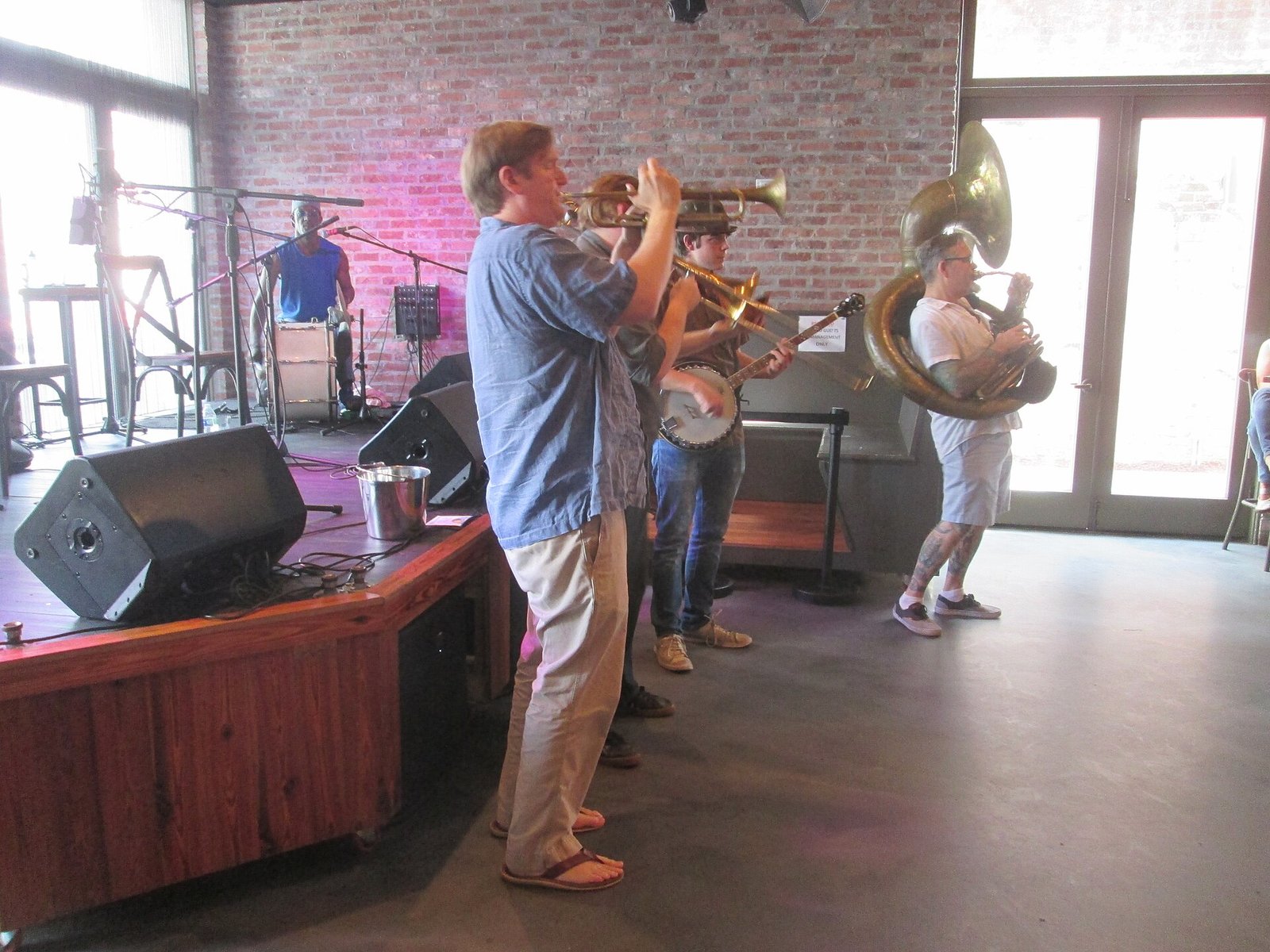
Music is a central reason to visit, but the best evening is not a single famous venue. Check official venue calendars, listen before committing, and plan two nearby options. Sets may require tickets, covers, drink minimums, or age restrictions. Arrive early for respected small rooms, tip performers when appropriate, and use verified transport home after late shows.
Garden District and Magazine Street
Historic architecture, tree-lined streets, shops, and restaurants make an easy half day. Ride the St. Charles streetcar when service is operating normally, then walk a compact loop rather than entering private property. Morning provides cooler weather and quieter sidewalks. Guided architecture tours add context; independent visitors must respect residents and cemetery access rules.
Jean Lafitte sites or a wetland excursion
The region’s wetlands and cultural landscapes provide essential context beyond the city center. Options vary from official park sites to commercial boat tours. Allow at least half a day, book with a responsible operator, and confirm transport, weather policies, accessibility, and wildlife practices. Avoid tours that handle or bait animals for entertainment.
A PRACTICAL ROUTE
Suggested itinerary
French Quarter and river
Begin at Jackson Square and Royal Street, visit one museum, and walk the riverfront. Rest before an early dinner, then choose a reserved or researched music venue rather than drifting between distant nightlife areas.
Warehouse District and music
Spend the morning and early afternoon at the National WWII Museum, continue through the Warehouse District, and finish with live music on Frenchmen Street or another scheduled venue.
Garden District
Take the streetcar when operating, follow a respectful architecture route, and continue along a manageable part of Magazine Street. Return before crossing the city for dinner.
Culture beyond the center
Choose the Backstreet Cultural Museum when available, Tremé history with a qualified guide, or a Jean Lafitte and wetlands day. Confirm opening hours and transport the day before.
Flexible food and neighborhood day
Visit City Park or a missed museum, reserve one meaningful food experience, and leave time for weather or music discovered earlier. Avoid stacking a late night before an early flight.
REALISTIC BUDGET
Estimated travel costs
USD equivalents for New Orleans are rounded planning comparisons where shown. For New Orleans, check local tax, gratuity, accommodation fees, and cancellation terms before payment.
TRAVEL WELL
Practical travel tips
- Check the festival and parade calendar before booking. A route that works on an ordinary weekend may be impossible during street closures.
- Mardi Gras is a season, not only one day. Learn parade etiquette, stay behind barriers, and never move official equipment.
- Heat and humidity can be dangerous. Carry water, schedule rest, and treat summer morning hours as the main outdoor window.
- Hurricane season requires flexible bookings, travel insurance that matches your needs, and attention to official local instructions.
- Cards are common, but cash is useful for small covers and musician tips. Ask before assuming a venue is free.
- Do not enter closed cemeteries or private courtyards. Access policies change, and many spaces require an authorized tour.
- New Orleans food and culture should not be reduced to stereotypes. Choose locally rooted guides, museums, and venues that credit the communities behind the traditions.
- Solo female travelers should plan the route home before a late set, stay on active streets, and use licensed taxis or verified rides rather than walking alone through quiet blocks.
COMMON QUESTIONS
New Orleans travel FAQ
How many days do you need in New Orleans?
Three full days give an introduction to the Quarter, music, and one major museum. Four or five days allow the Garden District, a regional excursion, and a more relaxed evening schedule.
Is New Orleans only worth visiting during Mardi Gras?
No. Music, food, architecture, museums, and neighborhood culture are available year-round. Mardi Gras offers a unique experience but also brings high prices, road closures, and very large crowds.
Do you need a car in New Orleans?
Not for the central city. Walking, streetcars, buses, taxis, and ride apps are more practical. A car may help for a regional itinerary but requires secure parking.
What is the best month to visit New Orleans?
March, April, late October, and November often provide comfortable weather, but festivals affect prices. Travelers should compare the exact event calendar with their tolerance for crowds.
Is New Orleans expensive?
Costs are moderate on ordinary dates but can surge during Mardi Gras, Jazz Fest, major games, and conventions. Booking lodging early and using public transit helps control the budget.
Is New Orleans safe for solo female travelers?
Many women visit independently, but late-night planning matters. Stay in a well-reviewed, active area, use verified transport after venues, limit alcohol, and follow current local guidance.
KEEP EXPLORING
Related The Wander Muse guides
CHECK BEFORE DEPARTURE
Sources and official resources
Schedules, fares, closures, and timed-entry systems affecting New Orleans can change. Recheck the official resources below shortly before departure.