START HERE
Why visit Punta Cana
Punta Cana is designed for easy Caribbean relaxation, but choosing the right resort zone, meal plan, transfer, and excursion determines whether the trip feels effortless or restrictive. The region suits couples, families, groups, first-time all-inclusive travelers, and visitors prioritizing beach time over independent city exploration. Five nights provide enough time for two relaxed resort days, one nature or island excursion, and a weather reserve; seven nights suit travelers who want a slower rhythm. This guide explains the difference between Bávaro, Cap Cana, and quieter northern areas, how to arrive from Punta Cana International Airport, what an all-inclusive price may not cover, and how to plan realistic spending in Dominican pesos and U.S. dollars. The main caution is distance: resorts are spread along a long coastline, and walking beyond individual properties is not a reliable transport plan.
AT A GLANCE
Punta Cana quick travel summary
Punta Cana prices are broad planning ranges. Package inclusions, room category, school holidays, hurricane season, airport transfers, premium dining, and excursion operators can change the total substantially.
WHEN TO GO
Best time to visit
Dry high season (December–February)
This period brings warm days, lower humidity, and the strongest demand from North America and Europe. Resort rates and flights rise around Christmas, New Year, and school holidays. Beaches and excursions are busy. Reserve the preferred room category and airport transfer early, and keep one unplanned day in case wind or sea conditions affect a boat trip.
Spring shoulder (March–May)
March and April remain popular, while May often brings more humidity, showers, and lower package prices. Easter can be extremely busy with local and international travel. Seaweed conditions vary by beach and year. Use this period for value after holiday peaks, but confirm resort renovation work and cancellation terms before choosing a deeply discounted rate.
Summer (June–August)
Summer is hot, humid, and popular with families. Brief heavy rain is common, and tropical weather becomes a larger consideration. Rates may be attractive outside peak family weeks. Schedule outdoor activities early, protect against sun and dehydration, and buy travel insurance that clearly covers relevant weather disruptions rather than assuming a resort guarantee solves every problem.
Hurricane-season fall (September–November)
September and October carry the highest tropical-storm risk, with lower demand and some of the year’s best advertised prices. November begins transitioning toward drier weather. Excursions, flights, and beach conditions can change quickly. Choose flexible bookings, monitor official forecasts, and do not travel for a nonrefundable bargain if schedule disruption would be financially difficult.
ARRIVING
How to get there
Punta Cana International Airport is the region’s primary gateway and sits within driving distance of Cap Cana, Bávaro, and Uvero Alto, though transfer time varies by resort location and traffic. The easiest arrival is a pre-booked transfer confirmed directly with the resort or a reputable licensed provider. Official airport taxis and rental cars are alternatives, but a car is unnecessary for a resort-centered trip. Verify the pickup meeting point and avoid accepting unsolicited transport offers. Every traveler entering or leaving the Dominican Republic must follow the current official electronic entry and exit process; use only the government E-Ticket portal because imitation sites may charge unnecessary fees. Complete the form according to official timing and airline guidance, and keep the generated confirmation accessible offline.
MOVING AROUND
Getting around
Resort districts are dispersed and sidewalks are inconsistent, so walking works mainly within a property or compact commercial area. Licensed taxis, arranged transfers, and resort transportation are the practical choices for independent restaurants or golf. Organized excursions normally include pickup, but travelers should confirm whether the exact resort is covered and how long the collection circuit takes. Public buses are not designed as simple visitor transport between every resort. Rental cars add navigation, road, parking, and insurance complexity and are best reserved for experienced drivers with a wider Dominican Republic route. Always agree on the fare or official booking terms before departure and keep the resort address available in Spanish.
CHOOSE A BASE
Where to stay
Bávaro and El Cortecito — best for first-time choice and activity
Bávaro has the largest concentration of resorts, excursions, restaurants, and broad beach access. El Cortecito adds a more walkable pocket outside some properties. Competition creates many price points, but the shoreline and atmosphere vary by section. This area suits first-time visitors, groups, and travelers wanting options beyond one resort.
Cap Cana — best for upscale calm and airport convenience
Cap Cana offers polished resorts, marina settings, golf, and a controlled, quieter environment close to the airport. Rooms, restaurants, and activities are usually expensive, and leaving the development requires transport. It suits couples, luxury stays, and short trips where smooth logistics matter more than local exploration.
Uvero Alto or Macao — best for quiet beaches and space
Northern areas provide larger resorts, fewer commercial strips, and a more secluded atmosphere. Some beaches have stronger waves than Bávaro, and transfer times are longer. Independent dining and spontaneous nightlife are limited. Choose this zone for couples, wellness, and travelers comfortable spending most evenings at the property.
PLAN YOUR DAYS
Best things to do
Bávaro Beach and a resort day
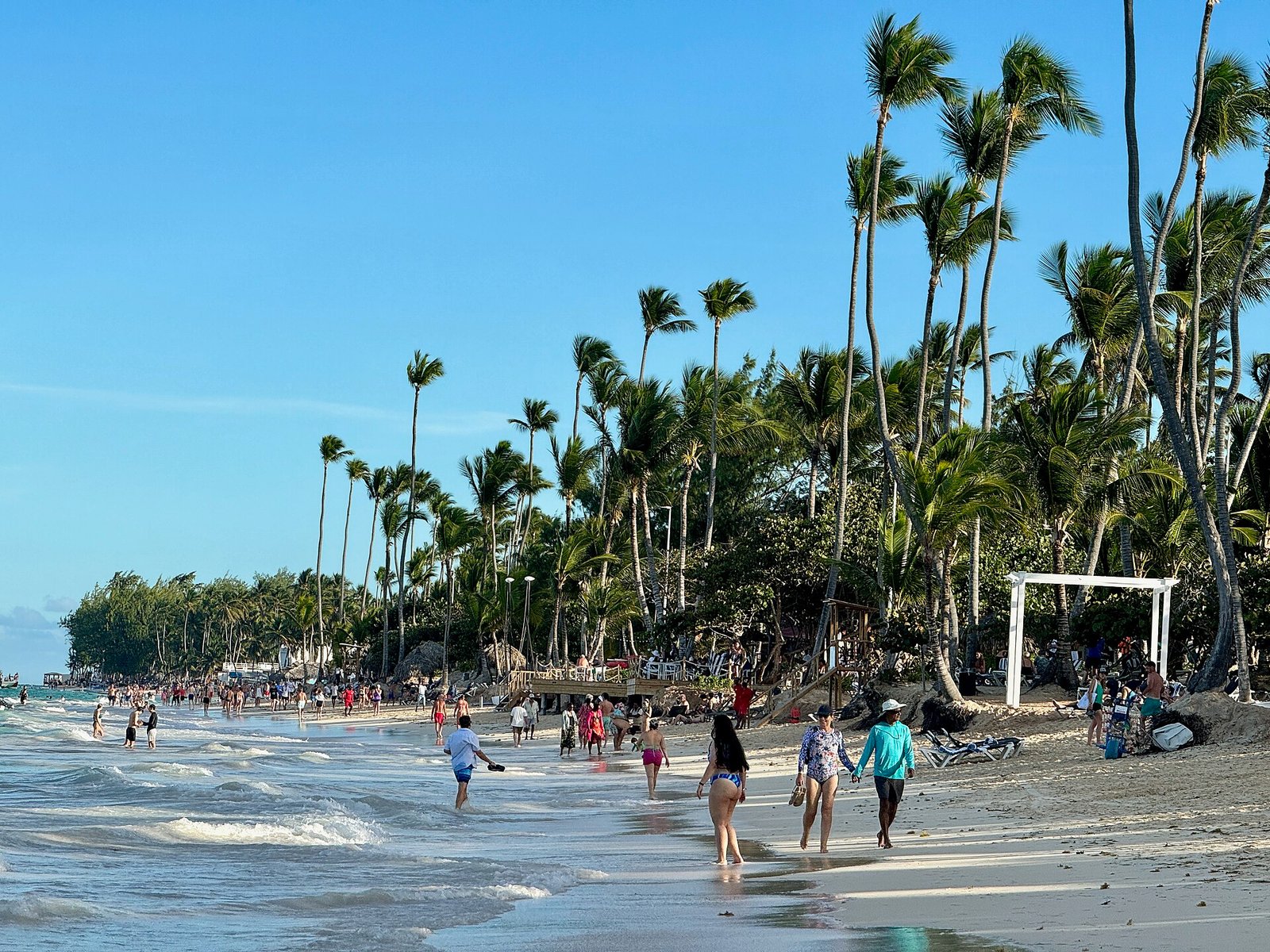
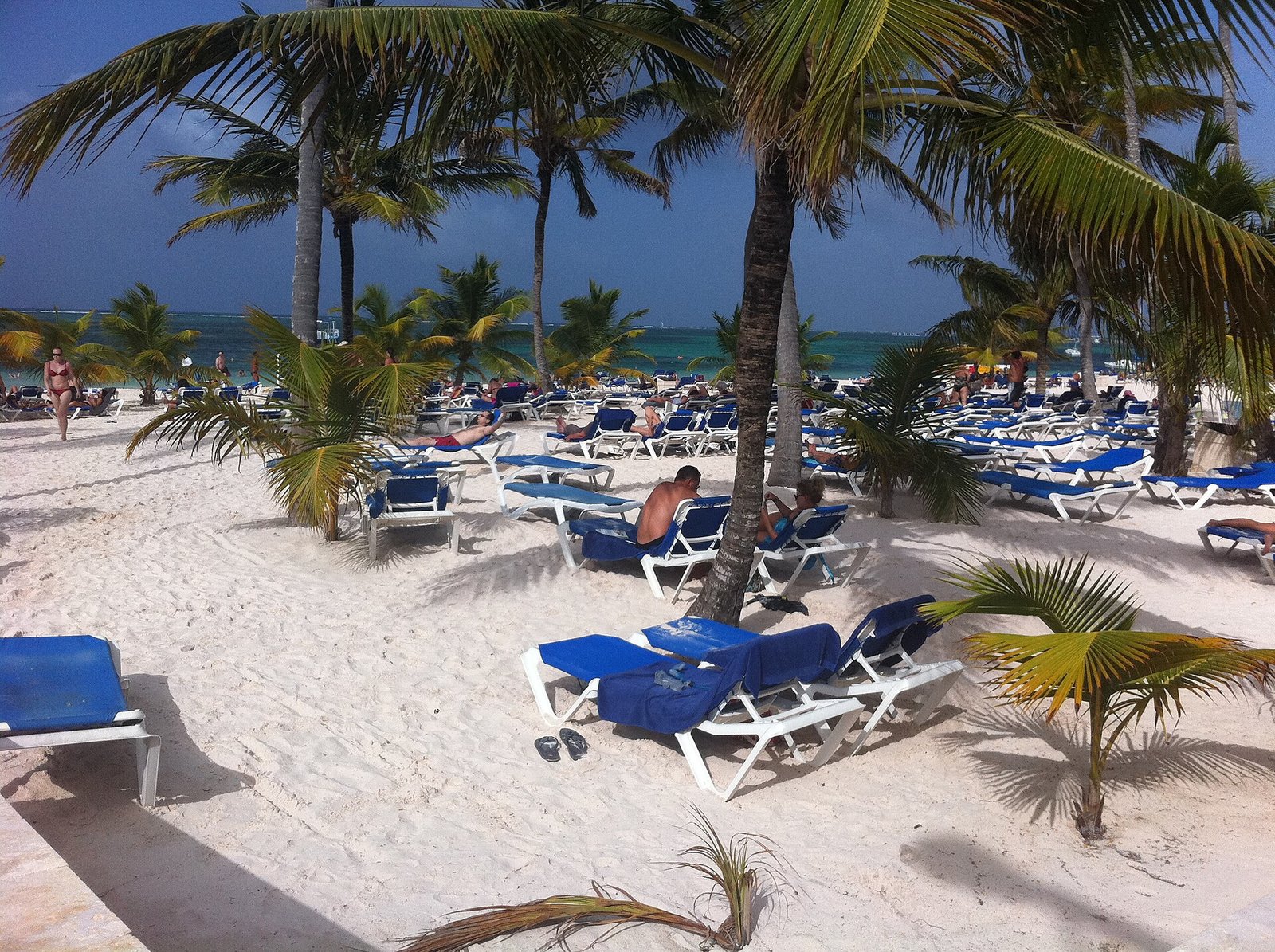
The region’s signature experience is a full beach-and-pool day rather than constant sightseeing. Reserve loungers only through legitimate resort systems, follow flag warnings, and ask staff about currents or seaweed conditions. No excursion booking is needed, but beachfront access and services depend on the property. This day suits every traveler and should remain flexible for the clearest weather.
Saona Island excursion
Saona trips combine a long transfer, boat travel, beaches, and protected natural areas. Expect most of a day and compare group size, departure port, inclusions, conservation practices, and return time rather than buying solely on price. Sea conditions can cancel or alter departures. Use a licensed operator, protect coral and wildlife, and bring sun protection that will remain effective on open water.
Indigenous Eyes Ecological Reserve or a local nature reserve
Managed reserves offer trails, freshwater lagoons, and an alternative to a resort-only schedule. Access rules and reservations vary by property or visitor status, so confirm directly before traveling. Allow three to five hours including transport. Wear walking shoes, use insect protection, and follow swimming restrictions. Nature-focused couples and families benefit most from this quieter outing.
Macao Beach
Macao offers a less resort-dominated beach landscape and stronger Atlantic energy. Allow half a day, arriving in daylight with arranged return transport. Waves and currents can be powerful, so use staffed areas and avoid swimming when conditions are unsuitable. Confirm prices before accepting chairs, food, or activities. It suits confident beach travelers and photographers more than those seeking calm lagoon water.
Cultural or countryside excursion
A responsibly operated countryside visit can add food, farming, or community context beyond the resort corridor. Quality varies sharply. Choose operators that explain where fees go, limit intrusive home visits, and avoid staged wildlife encounters. Allow most of a day and ask about vehicle type, accessibility, toilets, and meal hygiene before paying. This option suits curious travelers willing to trade beach time for regional context.
A PRACTICAL ROUTE
Suggested itinerary
Arrival and resort orientation
Use a confirmed airport transfer, check the room and package inclusions, and learn the beach flags, dining reservations, and property layout. Keep the first evening at the resort rather than adding an off-site booking after a flight.
Full beach and pool day
Begin with the beach before midday heat and keep the schedule open. Reserve only the dining experience that requires advance booking and use the afternoon to compare official excursion options.
Saona or nature excursion
Take one full-day boat or ecological outing with verified pickup and return times. Do not add a late nonrefundable dinner because weather, boat operations, and resort collection can delay arrival.
Resort activity and off-site dinner
Use the morning for kayaking, spa, golf, or a quiet beach. Travelers wanting independent food can arrange a licensed taxi to Bávaro or Cap Cana, confirming the return before leaving.
Macao or weather reserve
Choose Macao, a countryside tour, or another resort day according to sea and weather conditions. Keeping the final full day flexible prevents one canceled excursion from disrupting the entire trip.
REALISTIC BUDGET
Estimated travel costs
Punta Cana totals should be compared by full package inclusion rather than room rate alone. Confirm transfers, premium dining, gratuities, and excursion cancellation terms.
TRAVEL WELL
Practical travel tips
- Read the package inclusions line by line: airport transfers, premium restaurants, room service, spa, motorized sports, and tips may be excluded.
- Complete the Dominican Republic E-Ticket only through the official government portal and save the confirmation offline.
- Use pre-booked or licensed transport and ignore unsolicited airport representatives who cannot verify the reservation.
- Check beach flags and current seaweed conditions; the appearance of one shoreline does not represent the entire region.
- Cards and U.S. dollars are common in resorts, but compare exchange treatment and keep small Dominican peso notes for appropriate local purchases.
- Protect drinks, use the room safe for passports, and do not leave valuables unattended on loungers.
- Solo women travelers should favor organized transfers, verified excursions, and populated resort routes after dark.
- Accessibility differs among beaches, boats, older excursion vehicles, and resort categories; obtain written confirmation before booking.
COMMON QUESTIONS
Punta Cana travel FAQ
How many days do you need in Punta Cana?
Five nights allow beach time, one full excursion, and a weather reserve. Seven nights are better for travelers who want several resort days without feeling pressure to schedule every morning.
Is an all-inclusive resort worth it in Punta Cana?
It is convenient when beach time, meals, and pools are the priority. Compare the actual inclusions and location; a cheaper package can cost more after transfers, premium dining, and activities.
What is the best month to visit Punta Cana?
January through April usually provides lower humidity and strong beach demand. May and June can offer better value, while fall requires greater weather flexibility.
Do you need a car in Punta Cana?
No for a typical resort stay. Pre-booked transfers, licensed taxis, and excursion pickups are easier. Rent only for a wider independent Dominican Republic itinerary.
Is Punta Cana expensive?
Package pricing ranges widely. All-inclusive food can simplify budgeting, but flights, premium rooms, private transfers, golf, spa visits, and excursions raise the daily total quickly.
Is Punta Cana safe for solo female travelers?
A well-reviewed resort with verified transport can be straightforward. Avoid unlicensed rides, protect drinks, share excursion plans, and use populated areas or arranged vehicles after dark.
KEEP EXPLORING
Related The Wander Muse guides
CHECK BEFORE DEPARTURE
Sources and official resources
Schedules, fares, closures, access rules, and reservations affecting Punta Cana can change. Recheck the official resources below shortly before departure.