START HERE
Why visit Gdańsk
Gdańsk combines reconstructed merchant streets, shipyard history, major museums, amber traditions, and easy access to the Baltic coast within Poland’s interconnected Tricity. It suits history travelers, couples, solo city-breakers, families, architecture enthusiasts, and rail itineraries linking northern Poland. Four days allow the Main Town, the European Solidarity Centre, the Museum of the Second World War, and a Sopot or Gdynia outing without treating museums as quick stops. This guide explains the Baltic seasons, airport and rail arrivals, local transport, best bases, realistic costs, and an efficient route. The central planning issue is historical density: two large museums in one day can be exhausting, while waterfront distances add up. Reserve only essential timed visits, alternate indoor history with neighborhoods or the coast, and remember that the postcard center is reconstructed rather than an untouched medieval town.
AT A GLANCE
Gdańsk quick travel summary
Museum tickets, event dates, rail works, and coastal lodging affect costs. Use these złoty ranges for planning and verify fares, opening days, taxes, and cancellation terms officially.
WHEN TO GO
Best time to visit
Spring (March–May)
March is chilly and windy, while April and May bring longer days and milder walking conditions. Rain remains possible and the Baltic is cold. Easter and May holidays increase domestic travel. Prices are generally below summer except event dates. Pack a windproof waterproof layer, visit museums during cold spells, and use brighter afternoons for the waterfront or Oliwa.
Summer (June–August)
Summer has the warmest weather, long evenings, festivals, and busy Baltic beaches. It also brings the highest accommodation prices, crowded trains to Sopot, and occasional heat or thunderstorms. Reserve central rooms and major museums, start the Main Town early, and expect beach water to remain cool. Weekend nightlife and cruise visitors concentrate around the waterfront.
Fall (September–November)
September often provides pleasant city weather after school holidays, though coastal wind and rain increase. October and November become colder with shorter daylight and fewer seasonal services. Prices usually soften outside conferences. Early fall is excellent for museums, architecture, and quieter coast trips. Carry layers and check sunset before planning exposed piers or Westerplatte.
Winter (December–February)
Winter is cold, damp, and windy, with possible snow or ice. Christmas markets bring atmosphere and demand on selected dates, while January and February can be quiet. Museums and restaurants keep the city viable. Wear insulated waterproof shoes, allow extra transport time, and verify holiday closures. A winter visit suits history and food more than a beach-focused Tricity itinerary.
ARRIVING
How to get there
Gdańsk Lech Wałęsa Airport connects with the city and Tricity through rail, buses, authorized taxis, and app-based services according to current airport information. Some rail journeys require a change, so check the exact destination and platform rather than boarding any train marked Gdańsk. Gdańsk Główny receives long-distance PKP Intercity and regional trains from Warsaw, Kraków, and other cities. Advance rail tickets can offer value, but service changes and seat rules vary. Intercity buses use stops that should be confirmed on the ticket. The easiest central arrival is rail to Gdańsk Główny; an airport taxi is more convenient with late arrival or heavy luggage. A car is unnecessary for the Tricity and creates parking complications. Leave extra time during summer weekends and major events.
MOVING AROUND
Getting around
Gdańsk’s Main Town is best explored on foot, while trams and buses reach the shipyard, Oliwa, beaches, and residential districts. SKM and regional trains form the spine of Tricity travel to Sopot and Gdynia. Tickets, validation, zones, and operator boundaries can confuse visitors, so consult official transport information and validate where required. Taxis and recognized apps help late at night. Cycling is possible on selected flat routes, particularly toward the coast, but weather and tram tracks require attention. A rental car adds little for a four-day stay. Plan one central walking day, one museum-and-shipyard day, and one rail-based coast day rather than crossing the entire metropolitan area repeatedly.
CHOOSE A BASE
Where to stay
Main Town — best for first-time visitors
Staying around the reconstructed historic core puts the waterfront, restaurants, and major architecture within an early walk. It suits short trips, couples, and first-time visitors. Summer noise, high rates, and tourist-oriented dining are drawbacks, and cobbles challenge wheeled luggage. Check whether the property faces a nightlife street and whether an elevator is available.
Old Town or station area — best for transport and value
North and west of the Main Town, accommodation near Gdańsk Główny offers convenient rail and tram access, often at better value. It suits day-trippers and visitors with early trains. Immediate streets feel less picturesque and road noise varies. Choose a well-reviewed route between the station and hotel rather than selecting solely by map distance.
Wrzeszcz or Oliwa — best for neighborhoods and Tricity access
Wrzeszcz has shops, restaurants, and strong rail links; Oliwa offers parks, cathedral surroundings, and a calmer base between Gdańsk and Sopot. Both suit repeat visitors and longer stays. The Main Town requires a train or tram, and evening options are more dispersed. Stay close to the actual station or line needed for the itinerary.
PLAN YOUR DAYS
Best things to do
Main Town and the Motława waterfront
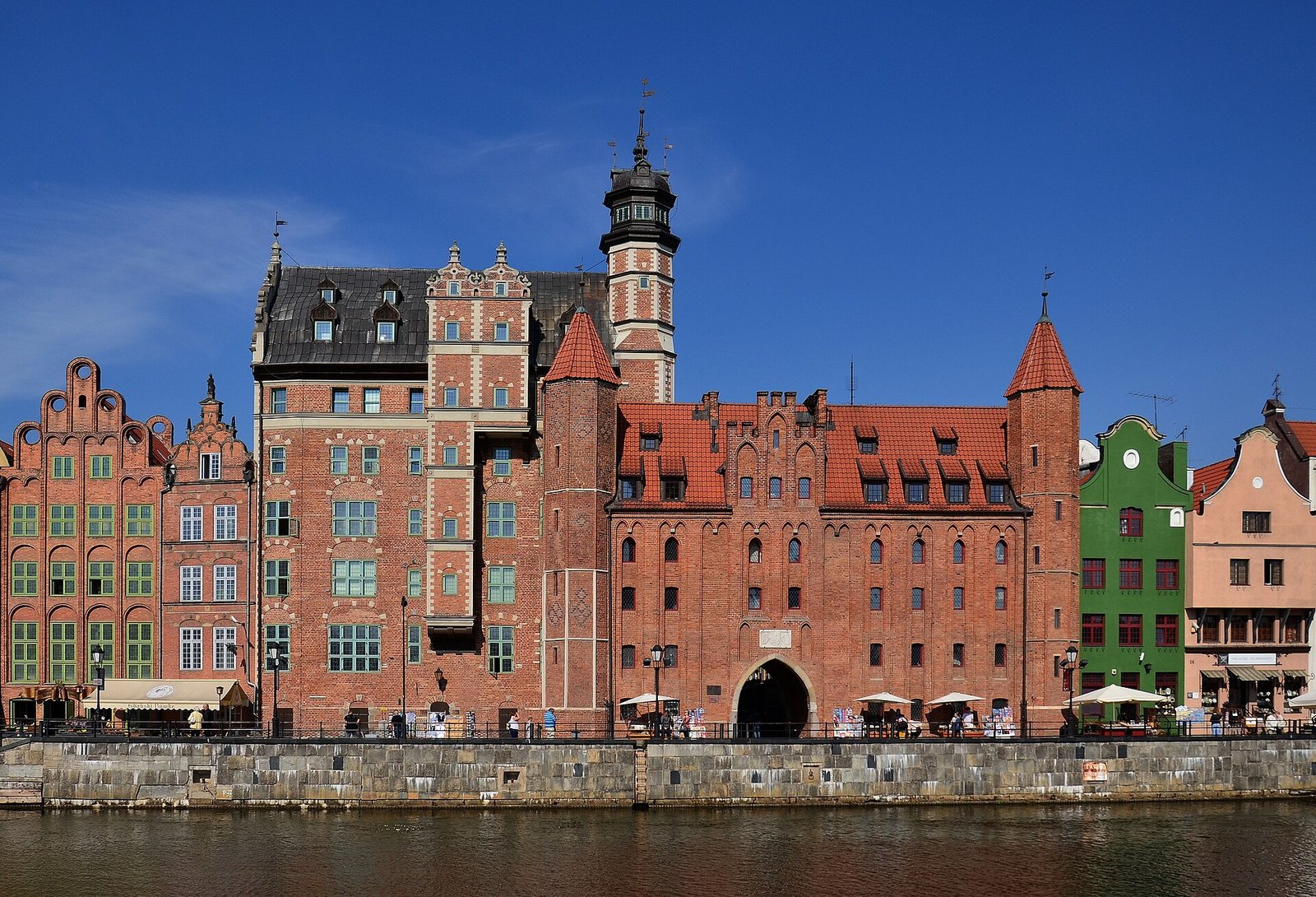
The Royal Route, Long Market, gates, churches, and riverfront tell a story of merchant wealth and extensive postwar reconstruction. Allow three to four hours, ideally early before tour groups. Tower climbs and interiors use individual tickets and hours. Look beyond façades to understand reconstruction choices, and wear shoes suited to cobbles. An official or responsible guide can distinguish historic fabric from later rebuilding.
Museum of the Second World War
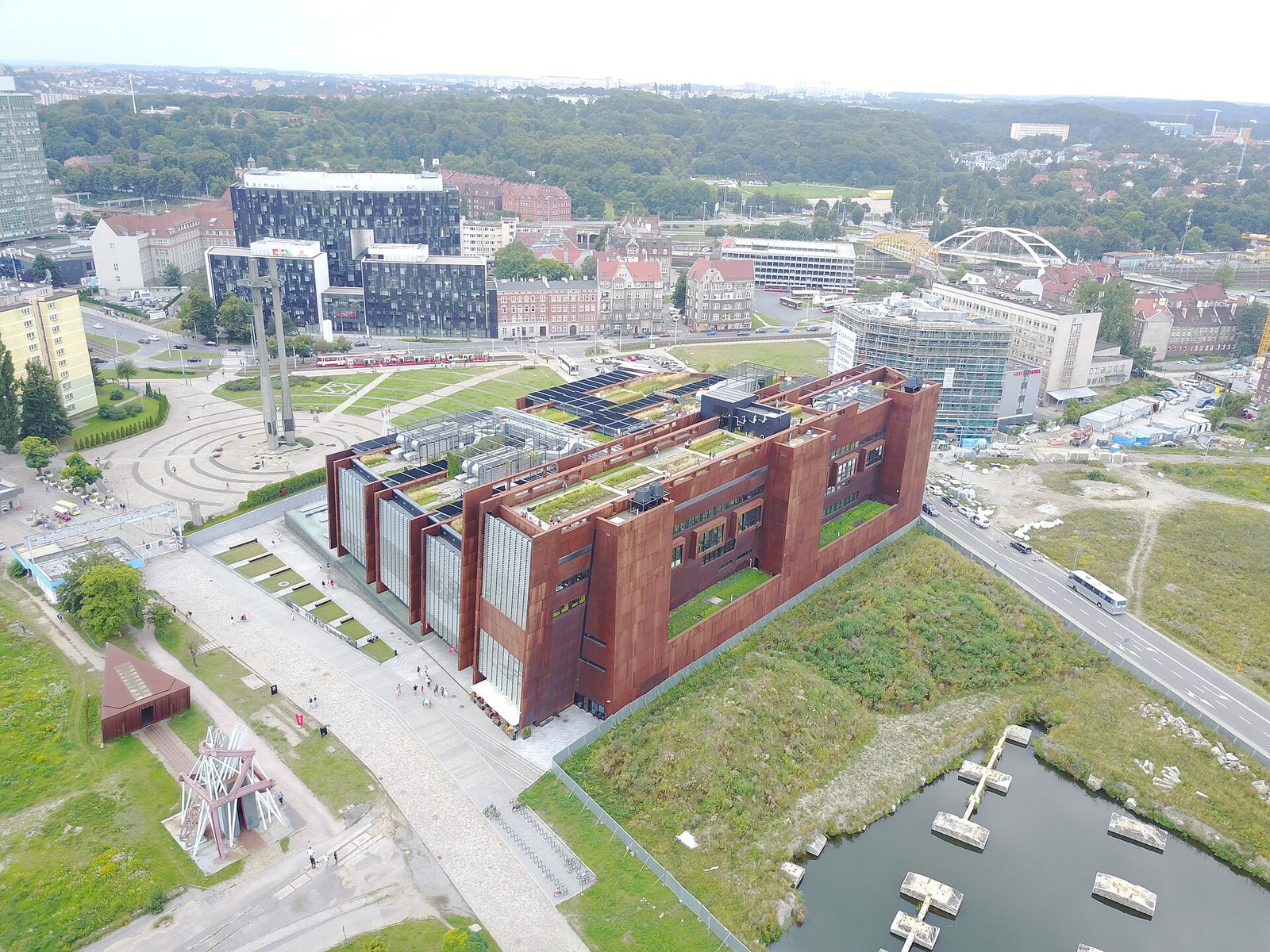
This major museum uses objects, testimony, and broad international context to examine the war’s causes and human consequences. Reserve three to four hours and check timed-ticket guidance. Exhibitions can be intense and tiring, particularly for children. Arrive early, use lockers as directed, and avoid scheduling another large history museum immediately afterward. The building itself also merits time.
European Solidarity Centre and shipyard area
The centre explains the Solidarity movement, labor history, and democratic change beside the former shipyard. Allow three hours plus a walk through marked public areas. Use official information because redevelopment changes routes. It suits modern-history travelers and families with older children. Respect active workplaces and memorial spaces, and do not enter fenced industrial areas for photographs.
Westerplatte
Westerplatte’s monuments and interpretive landscape mark the opening battles of the Second World War. Allocate half a day including transport, using current bus, boat, or tour information. Weather is exposed and services can be limited. Visit in daylight, wear wind protection, and read interpretation rather than treating the site as a single monument stop. Accessibility varies across outdoor paths.
Sopot or Gdynia day trip
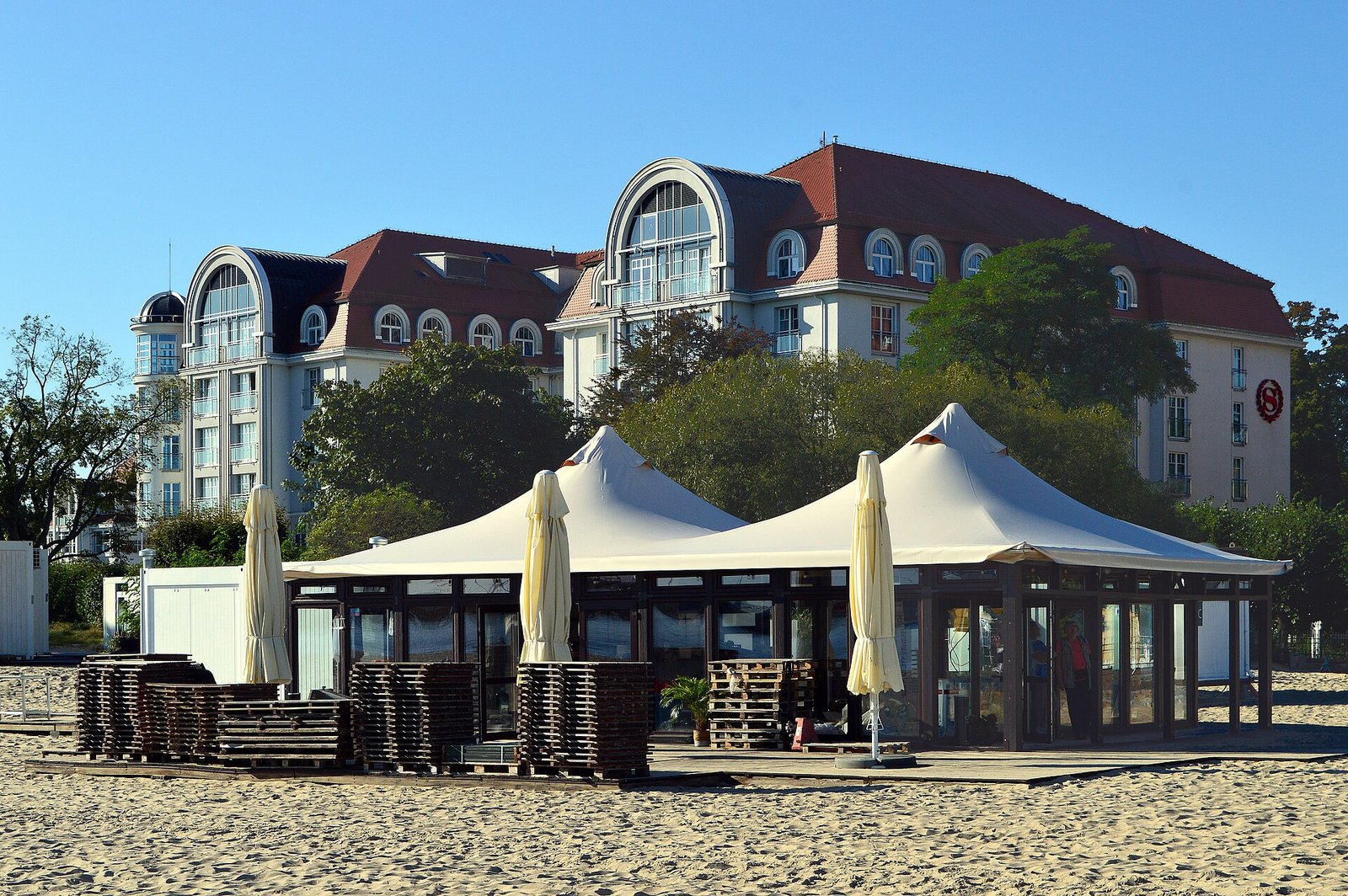
Sopot offers a beach, pier, spa architecture, and a lively center; Gdynia adds maritime museums and a modern port-city identity. Choose one focus or combine only selected stops by SKM. Allow most of a day. Summer weekends are crowded and beach weather is uncertain. Verify pier or museum tickets, protect valuables on the sand, and keep the last train in mind.
A PRACTICAL ROUTE
Suggested itinerary
Main Town and waterfront
Walk the Royal Route early, select one church or tower, and follow the riverfront. Finish with dinner away from the busiest first-row terraces.
Second World War history
Visit the museum near opening, take a long break, and use the afternoon for a gentle waterfront or neighborhood walk rather than another major exhibition.
Solidarity and shipyard
Explore the European Solidarity Centre and designated shipyard area, then continue to Wrzeszcz or Oliwa for a contrasting local evening.
Baltic coast
Take SKM to Sopot or Gdynia, choose one museum or pier, and return before late-night service becomes less convenient.
REALISTIC BUDGET
Estimated travel costs
A budget traveler using a hostel or simple room can plan around PLN 250–420 per person per day. A mid-range visit with a shared central hotel, restaurant dinner, museum tickets, and Tricity transport commonly reaches PLN 550–1,000. Summer weekends can exceed this range. Compare breakfast, city tax, card conversion, parking, and whether a tour includes admission. Treat Gdańsk’s dollar figures as orientation. They convert Polish złoty (PLN) at August 1, 2026 reference rates for Gdańsk, before later market movement or payment fees.
TRAVEL WELL
Practical travel tips
- Validate transport tickets where required and check whether the chosen ticket covers ZTM, SKM, or a regional operator.
- Reserve the major history museums during summer and allow several hours rather than stacking them together.
- Carry a windproof waterproof layer; Baltic weather changes quickly even after a sunny forecast.
- Cards are widely accepted, but keep some złoty for small kiosks, markets, lockers, and backup.
- Decline unfavorable dynamic currency conversion and pay in Polish złoty when your card allows.
- Respect memorials and active shipyard zones, following barriers and photography instructions.
- Check Sunday trading and holiday opening rules before assigning a shopping or market day.
- Solo travelers should use normal station and nightlife precautions and choose populated routes after late arrivals.
COMMON QUESTIONS
Gdańsk travel FAQ
How many days do you need in Gdańsk?
Three days cover the Main Town and two major historical themes. Four or five days allow Sopot, Gdynia, Westerplatte, or a slower museum pace.
Is Gdańsk worth visiting?
Yes, especially for modern European history, waterfront architecture, museums, and easy Baltic coast access. It works well as a standalone city break.
What is the best month to visit Gdańsk?
June offers very long days but rising crowds. September often balances pleasant temperatures with somewhat lower peak-season pressure.
Do you need a car in Gdańsk?
No. Walking, trams, buses, SKM trains, and occasional taxis cover the city and Tricity. A car adds parking costs in the historic core.
Is Gdańsk expensive?
It remains moderate compared with many Western European city breaks, but summer central hotels and waterfront restaurants can be costly. Public transport and simple Polish meals help.
Can you visit Sopot as a day trip?
Yes. Frequent rail connections make Sopot an easy half- or full-day outing. Check the correct train, ticket, and last convenient return.
KEEP EXPLORING
Related The Wander Muse guides
CHECK BEFORE DEPARTURE
Sources and official resources
Schedules, fares, closures, and timed-entry systems affecting Gdańsk can change. Recheck the official resources below shortly before departure.