
START HERE
Why visit Christchurch
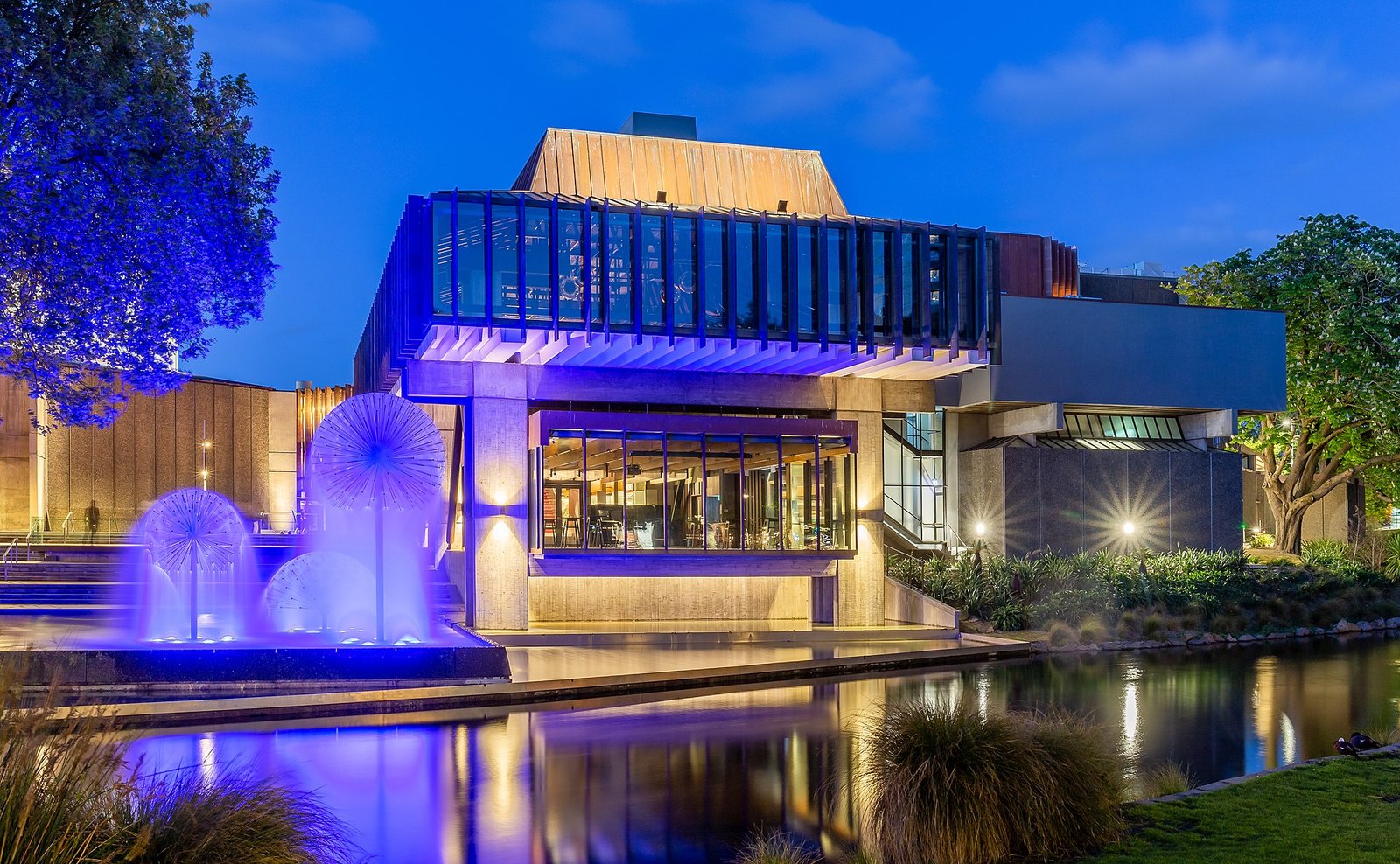
Christchurch mixes thoughtful post-earthquake architecture and a green central city with direct access to volcanic harbors and the Southern Alps. A well-paced visit connects Central city and Riverside Market, Christchurch Botanic Gardens, and Lyttelton and Banks Peninsula without turning every day into a race. Central Christchurch is walkable; Riccarton is practical; Lyttelton or Akaroa suits a separate peninsula night. The Christchurch plan keeps Central Christchurch transfers realistic, leaves meal time near Central city and Riverside Market, and stays readable on a phone. Christchurch suits families, architecture travelers, hikers, cyclists, and road trippers beginning a South Island journey. The city itself is easy; mountain weather, left-side driving, long day-trip distances, and road closures require more conservative planning beyond the urban grid. The Christchurch guide ties seasonal conditions to the main gateway, Central Christchurch, local-currency costs, and an itinerary centered on Central city and Riverside Market.
AT A GLANCE
Christchurch quick travel summary
Christchurch prices are planning ranges. Confirm the final amount in New Zealand dollar (NZD), including taxes, booking terms, and exactly what each Christchurch transport or activity ticket covers.
WHEN TO GO
Best time to visit
Spring (September–November)
In Christchurch, this period brings longer daylight, blossom, wind, and rapidly changing temperatures. Weekends and event dates lift demand from winter levels. For Christchurch, its main advantage is gardens, waterfronts, and lower-elevation walks; the disadvantage is that mountain snow and cold fronts can still close routes. Longer light, blossoms, and improving trails contrast with strong winds and changeable alpine conditions. Before an outdoor day in Christchurch, recheck official weather and the transport needed for Central city and Riverside Market.
Summer (December–February)
In Christchurch, this period brings the warmest conditions, long light, and comparatively broad regional access. Rooms, cars, ferries, and tours reach their highest pressure. For Christchurch, its main advantage is road trips, markets, coast days, and hiking; the disadvantage is that wind, sun exposure, and sudden cold remain possible. Warm urban days and full visitor services create peak demand for cars, rail, and peninsula accommodation. Before an outdoor day in Christchurch, recheck official weather and the transport needed for Central city and Riverside Market.
Autumn (March–May)
In Christchurch, this period brings cooler mornings, seasonal color, and shortening daylight. Prices soften unevenly after the main holiday period. For Christchurch, its main advantage is food, city walks, and selected regional drives; the disadvantage is that storms and early snow make high-country plans less dependable. March can be settled, while later autumn brings cool mornings, color, and greater road-weather uncertainty. Before an outdoor day in Christchurch, recheck official weather and the transport needed for Central city and Riverside Market.
Winter (June–August)
In Christchurch, this period brings cold rain, short light, mountain snow, and occasional clear days. City accommodation may offer value outside festivals. For Christchurch, its main advantage is museums, restaurants, and compact urban experiences; the disadvantage is that rural driving and exposed hiking require a much larger safety margin. City museums remain easy, but snow, ice, short daylight, and alpine closures narrow ambitious day trips. Before an outdoor day in Christchurch, recheck official weather and the transport needed for Central city and Riverside Market.
ARRIVING
How to get there
CHC is close to the city and connects by Metro public bus, taxi, rideshare, shuttle, and rental car. The bus is generally the cheapest central arrival; a shuttle or taxi is easier with large luggage. Intercity coaches and the scenic rail terminal use separate locations that should be confirmed before travel. A car is unnecessary for central Christchurch but central to many South Island road trips. Drivers must keep left, understand one-lane bridge and rural-road etiquette, and avoid collecting a vehicle immediately after a long-haul flight if not rested. Check New Zealand entry rules and road conditions through official sources.
MOVING AROUND
Getting around
Central Christchurch is flat and walkable, with a useful Metro bus network and extensive cycling infrastructure. Contactless or stored-value products should be checked through the current Metro system. Rideshare and taxis fill late gaps. Lyttelton can be reached by public transport, while Akaroa, Arthur’s Pass, and dispersed trailheads usually require a car, tour, or booked rail option. Central parking is unnecessary for an urban day. Group the central city and gardens together, Lyttelton and coastal hills together, and alpine travel as a separate weather-dependent day. For a 4–6 days visit, use Central Christchurch for the arrival-focused days, group Central city and Riverside Market with Christchurch Botanic Gardens, and protect Lyttelton and Banks Peninsula for the period with the best conditions. Put Central city and Riverside Market and Christchurch Botanic Gardens on different Christchurch stages; the separation protects meal time and a weather fallback. Accessible Christchurch bookings should confirm metro bus access and the precise final approach to Central city and Riverside Market.
CHOOSE A BASE
Where to stay
Central Christchurch — best for first-time visitors and car-free days
Riverside Market, museums, parks, restaurants, and buses are close. Construction or nightlife noise varies by block, and central rooms may cost more.
Riccarton — best for budget, families, and practical services
Broader accommodation, shops, restaurants, and park access suit longer stays. The central sights require bus, bicycle, or a longer walk.
Lyttelton or Akaroa — best for harbor scenery and a slower extension
A separate peninsula night creates quieter morning access and local atmosphere. It is less convenient for city museums, airport departures, and alpine routes.
PLAN YOUR DAYS
Best things to do
Central city and Riverside Market
New architecture, memorial spaces, the river, and a strong food hall explain contemporary Christchurch. Allow 3–5 hours. Walk in daylight, allow reflective sites proper time, and visit the market outside the densest lunch period. Keep Central city and Riverside Market only when it serves the traveler’s Christchurch priorities, not merely to lengthen the list.
Christchurch Botanic Gardens
Mature collections and the Avon provide a green anchor beside major cultural institutions. Allow 2–3 hours. Visit in a dry morning, check seasonal glasshouse access, and combine the gardens with nearby museums. Keep Central city and Riverside Market only when it serves the traveler’s Christchurch priorities, not merely to lengthen the list.
Lyttelton and Banks Peninsula
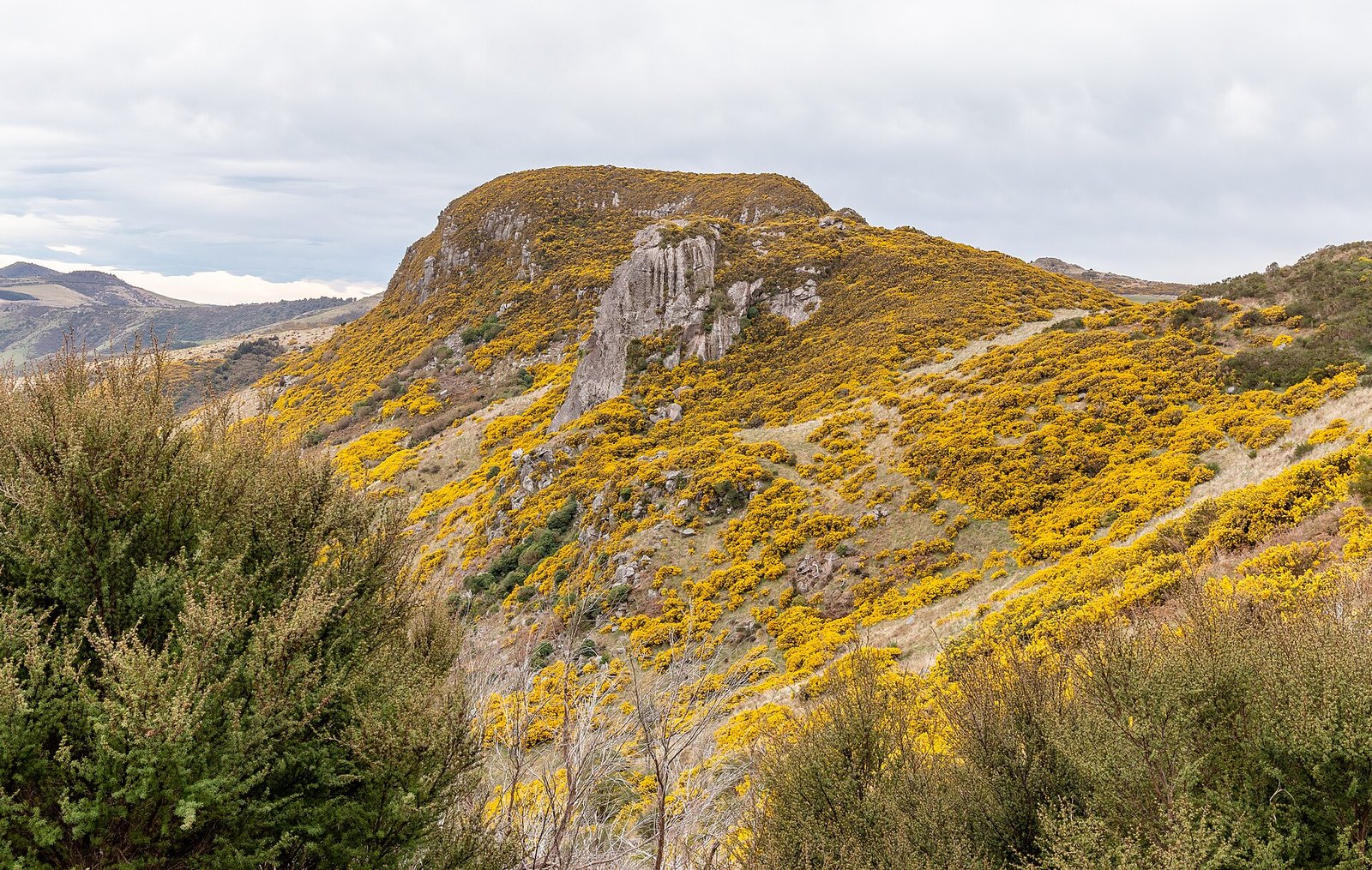
Volcanic harbor landscapes and port-town character offer an accessible change from the flat city. Allow Half or full day. Use public transport for Lyttelton or plan a careful drive farther out; check wind and road conditions. Keep Central city and Riverside Market only when it serves the traveler’s Christchurch priorities, not merely to lengthen the list.
Arthur’s Pass
Alpine scenery and walks are possible by road, tour, or selected rail experience. Allow Full day. Check NZTA road status and Department of Conservation alerts, carry layers, and never force the trip in severe weather. Keep Central city and Riverside Market only when it serves the traveler’s Christchurch priorities, not merely to lengthen the list.
Canterbury Museum sites and city galleries
Changing museum arrangements and galleries provide a useful cultural layer during poor weather. Allow 2–4 hours. Verify the current venue and exhibition address, as redevelopment can change where collections are shown. Keep Central city and Riverside Market only when it serves the traveler’s Christchurch priorities, not merely to lengthen the list.
A PRACTICAL ROUTE
Suggested itinerary
Central Christchurch
Walk Riverside, the river, civic architecture, and memorial spaces, keeping dinner central.
Gardens and museums
Use the botanical gardens in the best dry hours and add one verified cultural venue.
Lyttelton
Take the bus or drive to the harbor, then choose a short coastal walk matched to wind conditions.
Arthur’s Pass
Use the strongest alpine forecast for a rail, tour, or self-drive day with official road checks.
Weather buffer
Add Akaroa, cycling, food, or the mountain day that conditions moved.
REALISTIC BUDGET
Estimated travel costs
Christchurch costs move most with November–April, booking timing, taxes, and the specific room location in Central Christchurch. Recalculate Christchurch’s dollar comparison when booking. The figures here convert New Zealand dollar (NZD) at August 1, 2026 reference rates and exclude later card charges.
TRAVEL WELL
Practical travel tips
- Check NZTA road status and Department of Conservation alerts before every alpine route.
- Drive on the left, allow longer than map estimates, and never begin after a long-haul flight while fatigued.
- Carry windproof and waterproof layers because Canterbury weather can change rapidly.
- Verify the current address of museum exhibitions during major redevelopment.
- Solo hikers should share the route, carry offline maps, and choose maintained tracks appropriate to the forecast.
- For Christchurch, check mountain weather and trail access even when conditions in the city look settled.
- For Christchurch, use official transport after dark and keep valuables out of sight in parked cars.
- For Christchurch, share remote plans and carry offline navigation beyond the urban area.
COMMON QUESTIONS
Christchurch travel FAQ
How many days do you need in Christchurch?
Christchurch works best with 4–6 days for a first visit. A short Christchurch trip should pair Central city and Riverside Market with one nearby priority; extra time belongs to meals, weather, or metro bus delays.
Is Christchurch expensive?
In Christchurch, a budget traveler can plan around NZ$ 120–200 (about US$71–118) per person per day before long-distance arrival costs. The largest Christchurch premiums come from Central Christchurch, peak dates, private transport, and guided access to Central city and Riverside Market.
Do you need a car in Christchurch?
A car is unnecessary in central Christchurch and Lyttelton. It becomes useful for Banks Peninsula, Arthur’s Pass, and a wider South Island trip.
What is the best month to visit Christchurch?
February often offers warm urban weather and long days, while November gives spring color with greater wind and weather variability.
Is Christchurch safe for solo female travelers?
Many solo female travelers can plan Christchurch with ordinary destination-appropriate precautions. Solo hikers should share the route, carry offline maps, and choose maintained tracks appropriate to the forecast. Before departing for Christchurch, review current government advice alongside local weather and transport notices.
What should you book in advance for Christchurch?
Reserve summer cars, scenic rail, Akaroa wildlife trips, and holiday rooms. Keep alpine days movable until the forecast is reliable.
KEEP EXPLORING
Related The Wander Muse guides
CHECK BEFORE DEPARTURE
Sources and official resources
Schedules, fares, access rules, closures, and entry systems affecting Christchurch can change. Recheck the official resources below shortly before departure.