START HERE
Why visit Mauritius
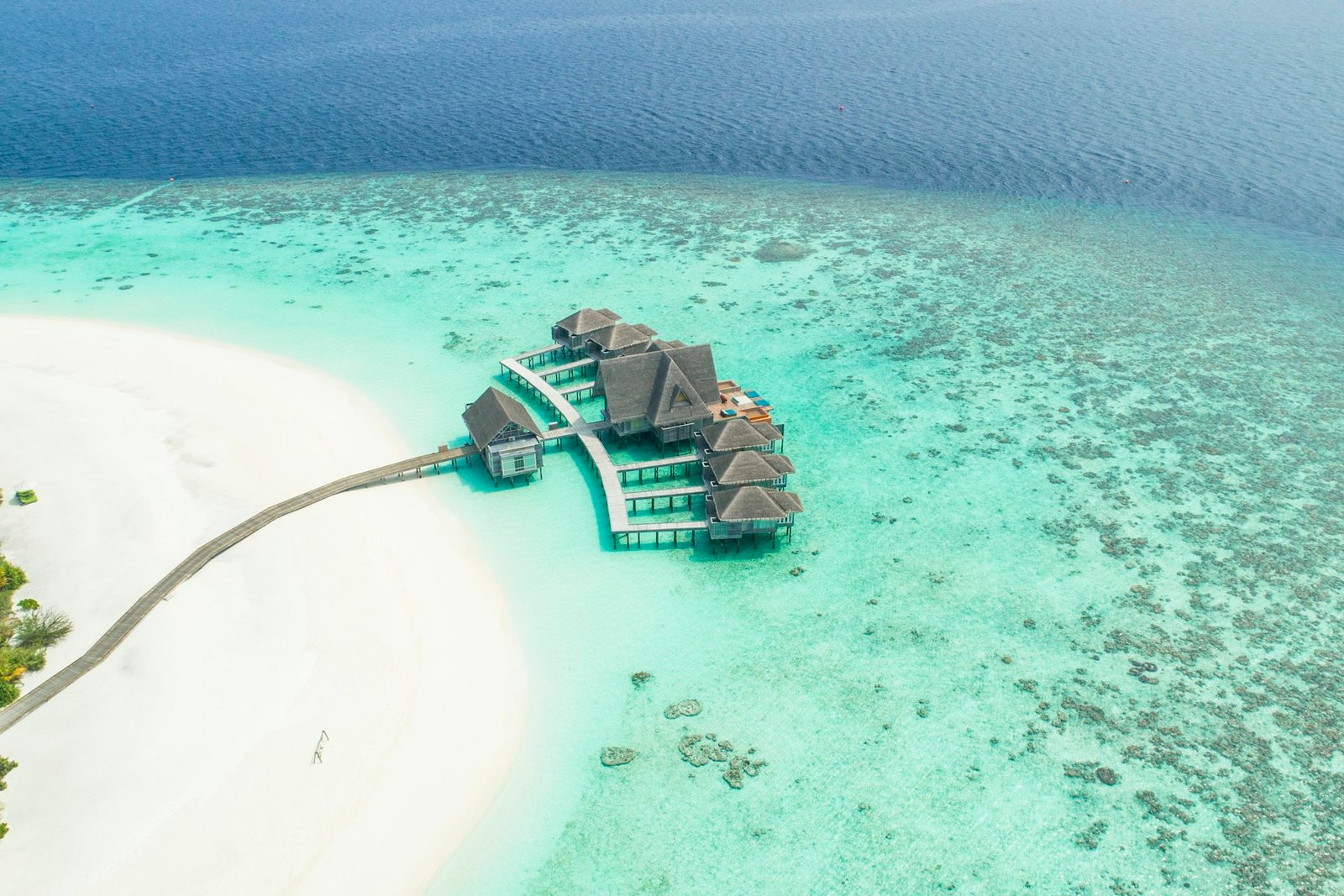
Mauritius rewards travelers who combine lagoon beaches, volcanic mountains, multicultural food, botanical landscapes, villages, and varied coastlines with enough time for market meals, garden walks, quiet lagoon mornings, and one base change rather than daily cross-island driving. It is especially rewarding for beaches, hiking, food, families, honeymoons, road trips, and water sports. Wind, cyclone season, lagoon depth, road congestion, hike exposure, and resort isolation make coast and base choice important. Grand Baie or Trou aux Biches is the most balanced first base, Flic en Flac or Tamarin offers west-coast sunsets and access, and Le Morne or southeast coast suits visitors prioritizing scenery and resort quiet. Mauritius planning links Sir Seewoosagur Ramgoolam (MRU), rental car, Grand Baie or Trou aux Biches, and Choose the coast by season and wind to the six-row Mauritian rupee (MUR) costs and 7–10 days itinerary below. Before paying for a Mauritius booking, confirm current weather limits, closures, permits, rental car, and timed entry through an official source.
AT A GLANCE
Mauritius quick travel summary
For Mauritius, beaches free; attractions commonly mur 300–1,000 (about us$7–22). Mauritius estimates can exclude taxes; verify Choose the coast by season and wind fees, card charges, transport, and seasonal supplements.
WHEN TO GO
Best time to visit
Late wet season (March–May)
March to May moves from hot, humid summer toward cooler and drier conditions. Cyclone risk declines through autumn, while Easter can sustain demand. Hiking, gardens, and mixed coast days become more comfortable. Residual heavy rain or rough seas can still interrupt plans. Keep early-March bookings flexible and check the specific coast before snorkeling or boat travel.
Dry season (June–August)
June to August is Mauritius’s cool, comparatively dry winter, with trade winds and cooler evenings. Demand is high during school holidays. Hiking, road trips, and sheltered-coast beach time are often reliable. The east and south can feel windy, and water temperatures are lower. Choose the base according to wind exposure rather than expecting identical beach conditions around the island.
Hot shoulder season (September–November)
September to November warms steadily and is often dry before summer humidity returns. Visitor pressure and prices rise toward year-end. Clear mornings suit Le Morne, Black River Gorges, and lagoon activities. Heat and early storms become more likely later in November. Start exposed hikes early and reserve popular holiday accommodation before demand peaks.
Wet season (December–February)
December to February is hot, humid, rainy, and within the southwest Indian Ocean cyclone season. Festive weeks are expensive. Warm lagoons and lush scenery remain appealing, but flooding, high surf, and tropical systems can cancel roads or boats. Follow Mauritius Meteorological Services and the current guidance for the chosen beach, and keep transport and accommodation reservations refundable.
ARRIVING
How to get there
Sir Seewoosagur Ramgoolam International Airport lies in the southeast, far from many north and west resorts. Pre-arrange a licensed transfer or collect a rental car only after understanding left-side driving, insurance, deposit, and night arrival. Match the first and last coast to flight timing to avoid a stressful island crossing. From Sir Seewoosagur Ramgoolam (MRU), compare luggage handling and service hours through to Grand Baie or Trou aux Biches; the cheapest Mauritius fare may leave an impractical final connection. For a late Sir Seewoosagur Ramgoolam (MRU) arrival, get the Mauritius transfer instructions in writing and decline undocumented rides.
MOVING AROUND
Getting around
Public buses connect towns inexpensively but are slow for complex sightseeing. A car provides flexibility for beaches, Black River Gorges, and villages, yet traffic near Port Louis and resort corridors is substantial. Boats require licensed operators, flotation, and a route appropriate to wind and reef conditions. Group the north with Port Louis or gardens, the west and southwest landscapes together, and one east or southeast lagoon day without crossing the island repeatedly. This Mauritius order avoids repeated transfers and keeps Explore Le Morne and the southwest available when weather, queues, or transport disrupt Choose the coast by season and wind. Accessible Mauritius plans should verify rental car boarding, surfaces, restrooms, and the final approach to Choose the coast by season and wind.
CHOOSE A BASE
Where to stay
Grand Baie or Trou aux Biches — best for services and north-coast variety
Restaurants, shops, boat choice, and calmer lagoon options support first-time convenience. Development and traffic reduce the secluded-island feel. A room labeled Grand Baie or Trou aux Biches can still be inconvenient in Mauritius; check its location, after-dark route, and connection.
Flic en Flac or Tamarin — best for west-coast sunsets and access
Beaches, sunsets, and proximity toward Black River suit active travelers. Surf, lagoon depth, and traffic vary by exact area. For Flic en Flac or Tamarin, verify the exact Mauritius block, evening access, transfer time, and cancellation terms.
Le Morne or southeast coast — best for scenery and resort quiet
Mountain landscapes, lagoons, kitesurfing, and quieter resorts support a restorative split stay. Dining and independent transport can be limited or expensive. Before selecting Le Morne or southeast coast, compare the Mauritius walking distance, luggage transfer, late arrival plan, and refund terms.
PLAN YOUR DAYS
Best things to do
Choose the coast by season and wind
A selected lagoon day can combine swimming, snorkeling, paddle sports, and shade when current and reef conditions are safe. Allow 4–7 hours. Use lifeguarded or locally advised water, protect coral, and confirm wind and tide. Public beach access is generally free; chairs, equipment, and transport vary.. Before Choose the coast by season and wind, verify Mauritius access, then assess the fitness demands and return connection for Choose the coast by season and wind.
Explore Le Morne and the southwest
Black River Gorges and the southwest reveal endemic forest, viewpoints, waterfalls, and volcanic terrain. Allow 5–8 hours. Use official trails or a qualified guide, carry water, and avoid cliff-edge shortcuts or storm-exposed routes. Park access is generally free; guides and transport cost extra.. Explore Le Morne and the southwest must fit the traveler’s ability and current Mauritius conditions; wildlife distances remain firm.
Visit markets and cultural sites
Le Morne’s landscape carries important maroon history as well as a demanding mountain route. Allow 4–7 hours. Use a qualified guide where required or prudent, start early, and choose historical interpretation rather than only a summit image. Guiding commonly costs MUR 1,500–3,500 (about US$33–76) per person or group share.. Confirm transport to Visit markets and cultural sites, then follow any Mauritius closure, barrier, or guide direction.
Take one reef-conscious lagoon day
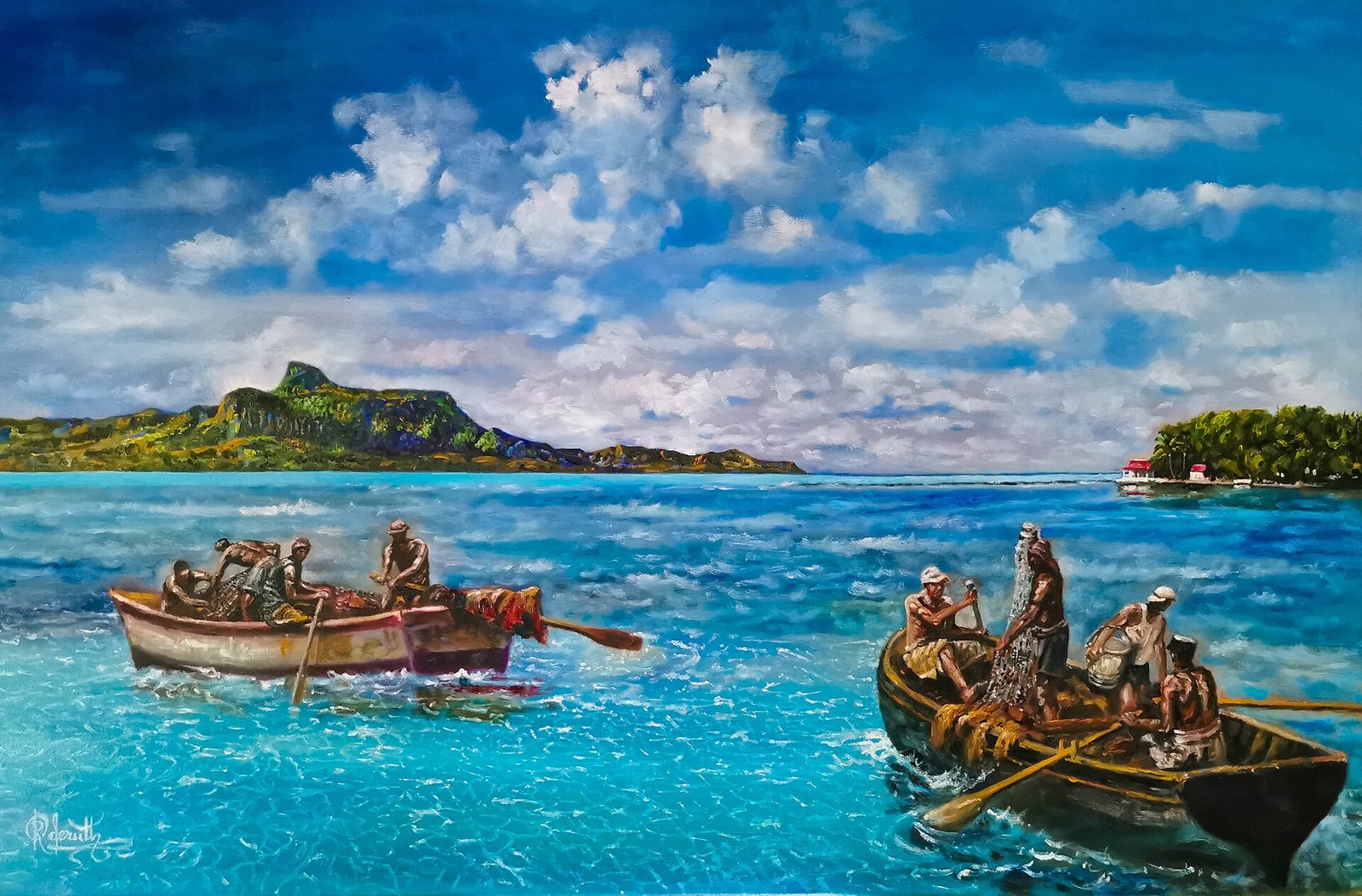
A licensed east-coast or island boat day can add lagoons, waterfalls, beaches, and marine life. Allow 6–9 hours. Verify passenger count, life jackets, weather policy, conservation practice, and whether lunch and fees are included. Shared trips commonly cost MUR 2,000–5,000 (about US$43–109).. For Take one reef-conscious lagoon day, let Mauritius access rules and staff instructions set the safe limit.
Port Louis, markets, gardens, and multicultural food
Port Louis, markets, botanical gardens, temples, and food connect African, Indian, Chinese, European, and Creole histories. Allow 5–8 hours. Visit markets in active daytime, ask before photography, dress respectfully at religious sites, and avoid peak traffic. Markets are free; gardens, museums, food tours, and transport vary.. Before Port Louis, markets, gardens, and multicultural food, verify Mauritius access, then assess the fitness demands and return connection for Port Louis, markets, gardens, and multicultural food.
A PRACTICAL ROUTE
Suggested itinerary
Arrive and orient
Reach Grand Baie or Trou aux Biches, settle in near Grand Baie or Trou aux Biches, check rental car hours, and orient only around the route to Choose the coast by season and wind.
Choose the coast by season and wind
Use the first full itinerary stage for choose the coast by season and wind. After Choose the coast by season and wind, eat near Grand Baie or Trou aux Biches instead of adding a cross-Mauritius transfer.
Explore Le Morne and the southwest
Build the next itinerary stage around explore le morne and the southwest, adding visit markets and cultural sites only if Mauritius access and the transfer from Grand Baie or Trou aux Biches remain practical.
A different side of the destination
Use Flic en Flac or Tamarin or Le Morne or southeast coast to reach take one reef-conscious lagoon day with less backtracking. Keep an independent meal, rest, or indoor alternative.
Flexible priority and departure
Choose port louis, markets, gardens, and multicultural food, repeat time near Grand Baie or Trou aux Biches, or recover Choose the coast by season and wind after a weather delay. End the Mauritius route with a real buffer for luggage, traffic, security, and the Sir Seewoosagur Ramgoolam (MRU) connection.
REALISTIC BUDGET
Estimated travel costs
Mauritius costs move most with May–December, the location of Grand Baie or Trou aux Biches, and the choice between rental car and private transfers. Keep the Mauritius budget in Mauritian rupee (MUR). Rounded dollar equivalents for Mauritius use August 1, 2026 reference rates; actual card statements will differ.
TRAVEL WELL
Practical travel tips
- Choose bases by coast and wind rather than assuming every beach has the same conditions.
- Check official cyclone, heavy-rain, trail, sea, and road notices before outdoor days.
- Drive on the left, inspect the rental car, and understand deposit, excess, and fuel terms.
- Use licensed boats with life jackets and transparent passenger limits.
- Never touch coral, chase dolphins, feed wildlife, or buy protected shells.
- Carry water and sun protection for hikes; use a guide for exposed or culturally sensitive routes.
- Avoid repeated cross-island commuting by splitting north or west with the south or east.
- Solo women should use vetted transfers after dark, avoid isolated beaches and trails after crowds leave, and share boat or hike details.
COMMON QUESTIONS
Mauritius travel FAQ
How many days do you need in Mauritius?
7–10 days is a realistic first-visit range for Mauritius. If 7–10 days is not possible, keep Grand Baie or Trou aux Biches and Choose the coast by season and wind; extra Mauritius days should absorb recovery, weather, or reservation changes.
Is Mauritius expensive?
A practical daily planning range is MUR 3,000–5,200 (about US$65–113) budget; MUR 7,500–14,000 (about US$163–304) mid-range, per person. For Mauritius, room location, peak dates, private transport, permits, and guided access to Choose the coast by season and wind drive the largest increases; compare full inclusions, not headline prices.
Which coast is best in Mauritius?
The north offers services, the west has sunsets and Black River access, and the east or south feels quieter but windier. Match the season and activities.
Do you need a car?
A car is useful for several exploration days, but resort stays can rely on transfers, taxis, buses, and tours. Avoid renting for idle beach days.
Is Le Morne hike suitable for beginners?
Lower sections may be approachable, but upper terrain is exposed and conditions matter. Use current official advice and a qualified local guide.
What should you book first?
Reserve peak rooms, airport transfers, rental-car days, specialist water sports, and a responsible boat or hike guide first.
KEEP EXPLORING
Related The Wander Muse guides
PLAN WITH CURRENT INFORMATION
Official resources
Opening hours, fares, permits, weather rules, and transport arrangements in Mauritius can change. Use the linked authorities to recheck Mauritius access, opening times, and transport before departure.