START HERE
Why visit Atacama Desert
Atacama Desert rewards travelers who combine salt flats, high-altitude lagoons, volcanoes, geysers, stark valleys, and exceptionally dark skies with enough time for San Pedro adobe streets, acclimatization mornings, thermal recovery, and sunset without stacking another dawn tour. It is especially rewarding for landscapes, astronomy, road trips, photography, geology, couples, and active travelers. Altitude, cold dawns, intense sun, dust, long tour days, border controls, and limited water make acclimatization nonnegotiable. Central San Pedro is the most balanced first base, A quiet edge of San Pedro offers rest and dark evenings, and A desert lodge outside town suits visitors prioritizing guided comfort and scenery. Atacama Desert planning links El Loa, Calama (CJC), shared tour, Central San Pedro, and Begin with lower-altitude Moon Valley to the six-row Chilean peso (CLP) costs and 4–6 days itinerary below. Before paying for a Atacama Desert booking, confirm current weather limits, closures, permits, shared tour, and timed entry through an official source.
AT A GLANCE
Atacama Desert quick travel summary
For Atacama Desert, tours commonly clp 30,000–80,000 (about us$32–85) plus reserve fees. Atacama Desert estimates can exclude taxes; verify Begin with lower-altitude Moon Valley fees, card charges, transport, and seasonal supplements.
WHEN TO GO
Best time to visit
Autumn (March–May)
Autumn brings clear days, cold nights, intense ultraviolet exposure, and generally dry roads. Demand is moderate outside holiday periods. It is a strong window for high-altitude lagoons, salt flats, and stargazing without midsummer storm frequency. Acclimatization still controls the first days, and predawn tours can be below freezing. Confirm altitude, road, and observatory conditions before departure.
Winter (June–August)
Winter is dry and bright, with comfortable midday temperatures but freezing dawns and nights. Holiday weeks can raise prices. Stargazing and lower-elevation excursions are often reliable, while high passes may close after snow or wind. Pack for a large temperature range and avoid scheduling the highest outing immediately after arrival. Local road reports take priority over a fixed route.
Spring (September–November)
Spring warms quickly and is often dry, though wind and dust can affect afternoon outings. Visitor pressure is moderate and increases toward year-end. The season suits salt-flat drives, geyser tours, and longer days around San Pedro. Strong sun and altitude remain the governing risks. Start exposed activities early and verify any border or high-lagoon road before leaving town.
Summer (December–February)
Summer brings warm afternoons, cold high-altitude mornings, and the possibility of Altiplano thunderstorms from January into March. Chilean holiday dates add demand. Earlier starts can preserve clear skies, but lightning and flash flooding may close remote roads. This is not a beach or cruise season: build the plan around desert access, altitude, and storm forecasts, with one lower-elevation alternative.
ARRIVING
How to get there
Fly to El Loa Airport in Calama, then use a scheduled transfer or licensed car for the roughly 100-kilometer journey to San Pedro de Atacama. Confirm the hotel drop-off and late arrival. International salt-flat crossings require licensed operators, border formalities, and conditions that cannot be treated like an ordinary taxi transfer. From El Loa, Calama (CJC), compare luggage handling and service hours through to Central San Pedro; the cheapest Atacama Desert fare may leave an impractical final connection. For a late El Loa, Calama (CJC) arrival, get the Atacama Desert transfer instructions in writing and decline undocumented rides.
MOVING AROUND
Getting around
Shared tours are practical for high lagoons, geysers, observatories, and remote roads because they include a prepared vehicle and local condition knowledge. Bicycles suit only nearby low-altitude valleys in favorable heat and wind. Self-drivers need fuel, tires, offline navigation, permits, and high-altitude experience. Group a low-altitude arrival day, nearby valleys before high lagoons, El Tatio only after acclimatization, and stargazing on a moon-and-cloud-appropriate night. This Atacama Desert order avoids repeated transfers and keeps Visit high lagoons after acclimatizing available when weather, queues, or transport disrupt Begin with lower-altitude Moon Valley. Accessible Atacama Desert plans should verify shared tour boarding, surfaces, restrooms, and the final approach to Begin with lower-altitude Moon Valley.
CHOOSE A BASE
Where to stay
Central San Pedro — best for tour pickups and dining
Walkable agencies, restaurants, shops, and common pickup points simplify an activity-heavy first visit. Dust, nightlife, and prices rise on the most central streets. A room labeled Central San Pedro can still be inconvenient in Atacama Desert; check its location, after-dark route, and connection.
A quiet edge of San Pedro — best for rest and dark evenings
More space and calm suit travelers recovering between dawn departures and altitude days. Walking after dark can be dusty and transfers should be confirmed. Before selecting A quiet edge of San Pedro, compare the Atacama Desert walking distance, luggage transfer, late arrival plan, and refund terms.
A desert lodge outside town — best for guided comfort and scenery
Integrated excursions, meals, and transport reduce daily operator decisions. Costs are high and independent dining or town evenings require a vehicle. For A desert lodge outside town, verify the exact Atacama Desert block, evening access, transfer time, and cancellation terms.
PLAN YOUR DAYS
Best things to do
Begin with lower-altitude Moon Valley
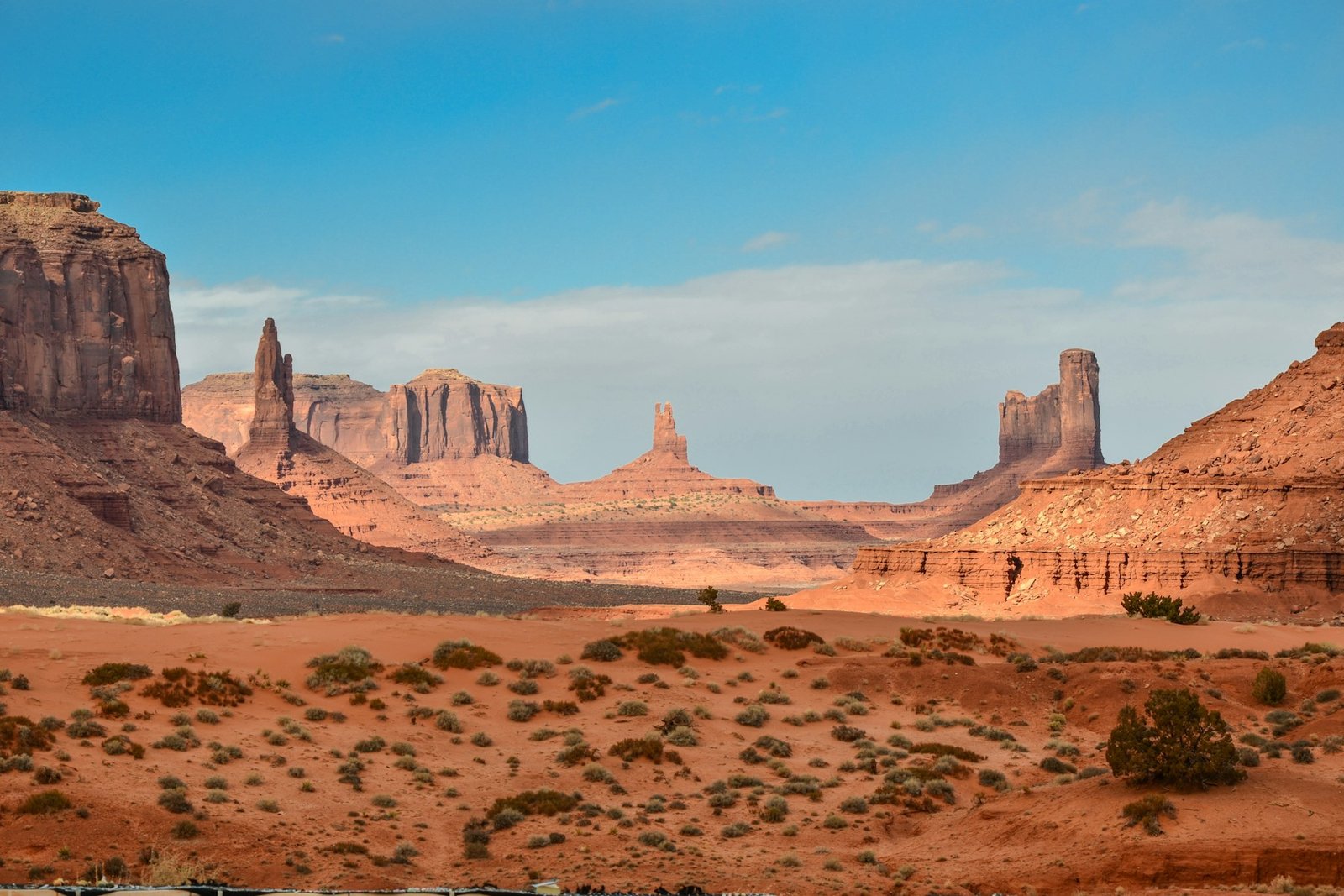
Moon Valley and nearby salt-range landscapes provide a lower-altitude introduction to geology and desert light. Allow 3–5 hours. Reserve current access, carry water and sun cover, and use only marked roads and viewpoints. Entry and shared sunset tours commonly total CLP 25,000–60,000 (about US$27–64).. Begin with lower-altitude Moon Valley must fit the traveler’s ability and current Atacama Desert conditions; wildlife distances remain firm.
Visit high lagoons after acclimatizing
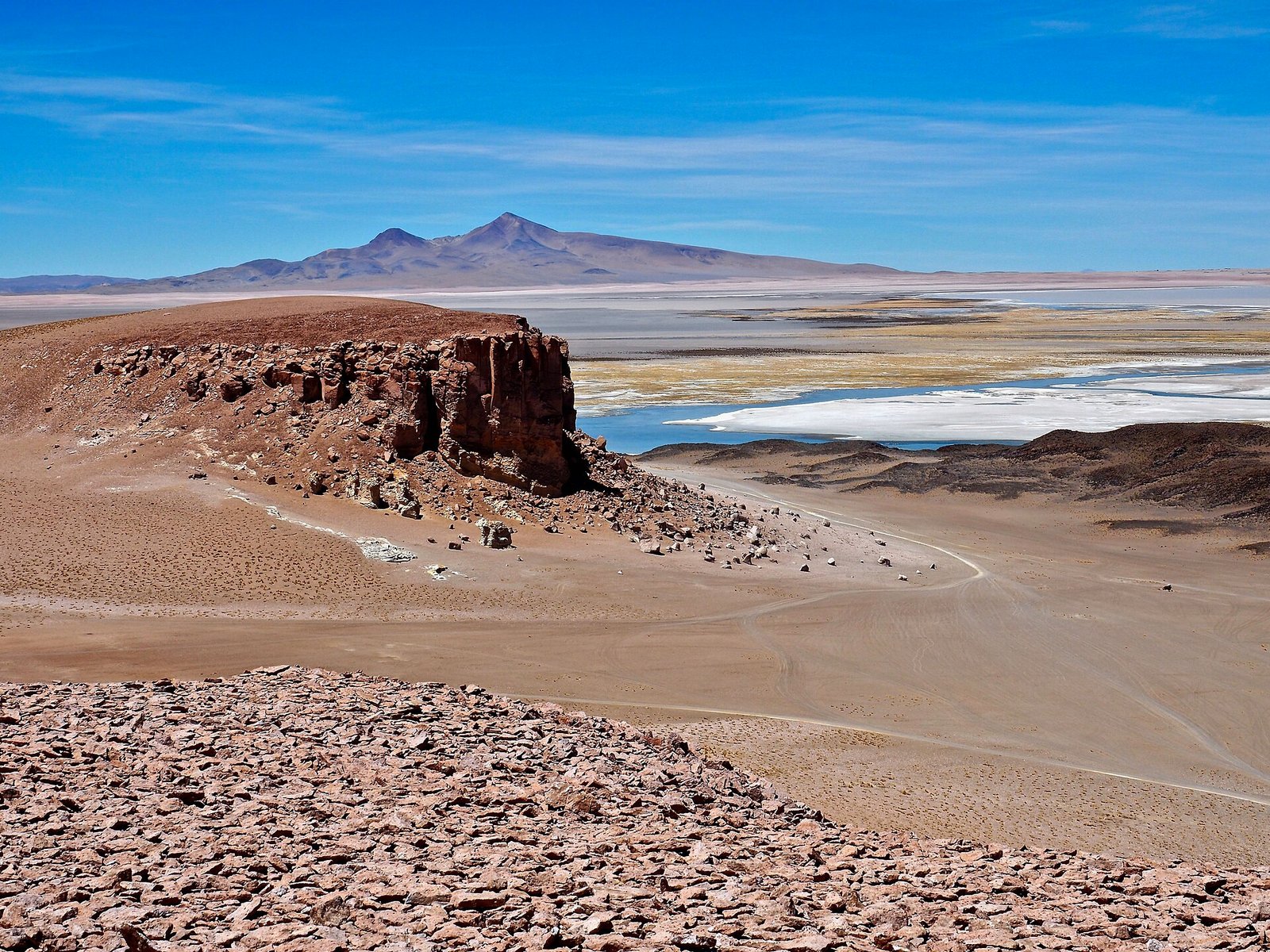
Altiplanic lagoons reveal flamingos, salt, volcanoes, and puna landscapes at elevations capable of causing illness. Allow 7–10 hours. Attempt only after acclimatization, walk slowly, disclose medical concerns, and descend if symptoms worsen. Full-day tours commonly cost CLP 60,000–120,000 (about US$64–129) plus some entries.. Before Visit high lagoons after acclimatizing, verify Atacama Desert access, then assess the fitness demands and return connection for Visit high lagoons after acclimatizing.
See El Tatio with warm layers
El Tatio is a freezing high-altitude dawn field where geothermal activity, darkness, and thin air combine. Allow 7–9 hours. Use a reputable vehicle, wear very warm layers, stay on marked paths, and never approach vents. Tours commonly cost CLP 45,000–85,000 (about US$48–91) plus entry.. For See El Tatio with warm layers, let Atacama Desert access rules and staff instructions set the safe limit.
Book stargazing away from the full moon
Salt lagoons and protected wetlands require strict entry, bathing, wildlife, and mineral-residue rules. Allow 4–7 hours. Choose a currently open site, avoid touching wildlife or salt formations, and bring fresh water for skin care only where permitted. Access and tours vary by community and reserve, often CLP 30,000–80,000 (about US$32–86).. Confirm transport to Book stargazing away from the full moon, then follow any Atacama Desert closure, barrier, or guide direction.
A moon-aware astronomy experience
Atacama astronomy can be exceptional, but moon phase, cloud, wind, language, telescope quality, and start time shape the experience. Allow 2–3 hours at night. Reserve a scientifically responsible operator, carry warm layers, and understand the cancellation policy. Small-group astronomy commonly costs CLP 30,000–55,000 (about US$32–59).. A moon-aware astronomy experience must fit the traveler’s ability and current Atacama Desert conditions; wildlife distances remain firm.
A PRACTICAL ROUTE
Suggested itinerary
Arrive and orient
Reach Central San Pedro, settle in near Central San Pedro, check shared tour hours, and orient only around the route to Begin with lower-altitude Moon Valley.
Begin with lower-altitude Moon Valley
Use the first full itinerary stage for begin with lower-altitude moon valley. After Begin with lower-altitude Moon Valley, eat near Central San Pedro instead of adding a cross-Atacama Desert transfer.
Visit high lagoons after acclimatizing
Build the next itinerary stage around visit high lagoons after acclimatizing, adding see el tatio with warm layers only if Atacama Desert access and the transfer from Central San Pedro remain practical.
A different side of the destination
Use A quiet edge of San Pedro or A desert lodge outside town to reach book stargazing away from the full moon with less backtracking. Keep an independent meal, rest, or indoor alternative.
Flexible priority and departure
Choose a moon-aware astronomy experience, repeat time near Central San Pedro, or recover Begin with lower-altitude Moon Valley after a weather delay. End the Atacama Desert route with a real buffer for luggage, traffic, security, and the El Loa, Calama (CJC) connection.
REALISTIC BUDGET
Estimated travel costs
Atacama Desert costs move most with March–May or September–November, the location of Central San Pedro, and the choice between shared tour and private transfers. For Atacama Desert, let the final Chilean peso (CLP) total control the decision. For Atacama Desert, its August 1, 2026 dollar conversion may differ at checkout.
TRAVEL WELL
Practical travel tips
- Spend the first day low and easy; do not place El Tatio or high lagoons immediately after arrival.
- Hydrate, limit alcohol initially, and descend for severe or worsening altitude symptoms.
- Carry high-SPF sun protection, lip balm, warm layers, water, and dust protection.
- Confirm every tour’s maximum altitude, entry fees, meals, vehicle, language, and pickup.
- Check official road, storm, snow, reserve, and border conditions each morning.
- Never enter a closed salt flat, wetland, geothermal zone, or unmarked desert road.
- Schedule astronomy by moon phase and keep one alternate night for cloud or wind.
- Solo women should use established transfers and tours, share high-altitude routes, and avoid cycling or walking outside town alone after dark.
COMMON QUESTIONS
Atacama Desert travel FAQ
How many days do you need in Atacama Desert?
4–6 days is a realistic first-visit range for Atacama Desert. If 4–6 days is not possible, keep Central San Pedro and Begin with lower-altitude Moon Valley; extra Atacama Desert days should absorb recovery, weather, or reservation changes.
Is Atacama Desert expensive?
A practical daily planning range is CLP 75,000–130,000 (about US$80–139) budget; CLP 180,000–350,000 (about US$193–375) mid-range, per person. For Atacama Desert, room location, peak dates, private transport, permits, and guided access to Begin with lower-altitude Moon Valley drive the largest increases; compare full inclusions, not headline prices.
How long do you need to acclimatize?
Use at least one easy low-altitude day before the highest excursions, and add more if arriving from sea level or feeling symptoms. Individual response varies.
Can you self-drive the Atacama?
Nearby valleys are manageable for experienced drivers, but remote high roads require fuel, tires, navigation, permits, and altitude knowledge. Tours are often safer.
When is stargazing best?
Clear, dry, moon-dark nights are strongest, but cloud and wind still occur. Check moon phase and operator cancellation policy before choosing a date.
What should you book first?
Reserve peak rooms, airport transfers, high-demand astronomy, and any border crossing first; arrange high-altitude days only after protecting acclimatization.
KEEP EXPLORING
Related The Wander Muse guides
PLAN WITH CURRENT INFORMATION
Official resources
Opening hours, fares, permits, weather rules, and transport arrangements in Atacama Desert can change. Recheck current Atacama Desert operating information below, especially before reserving Visit high lagoons after acclimatizing.