START HERE
Why visit Machu Picchu & Cusco
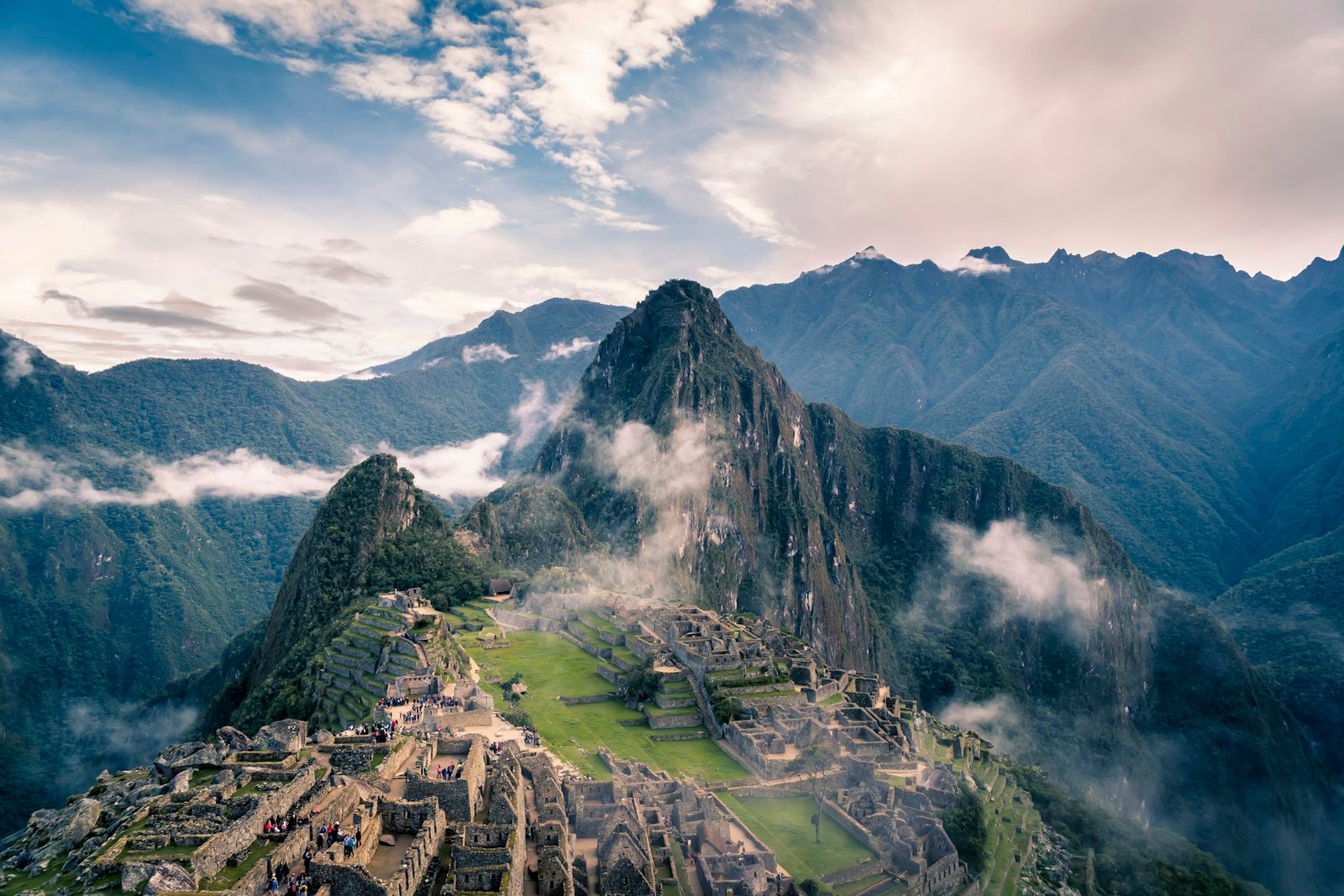
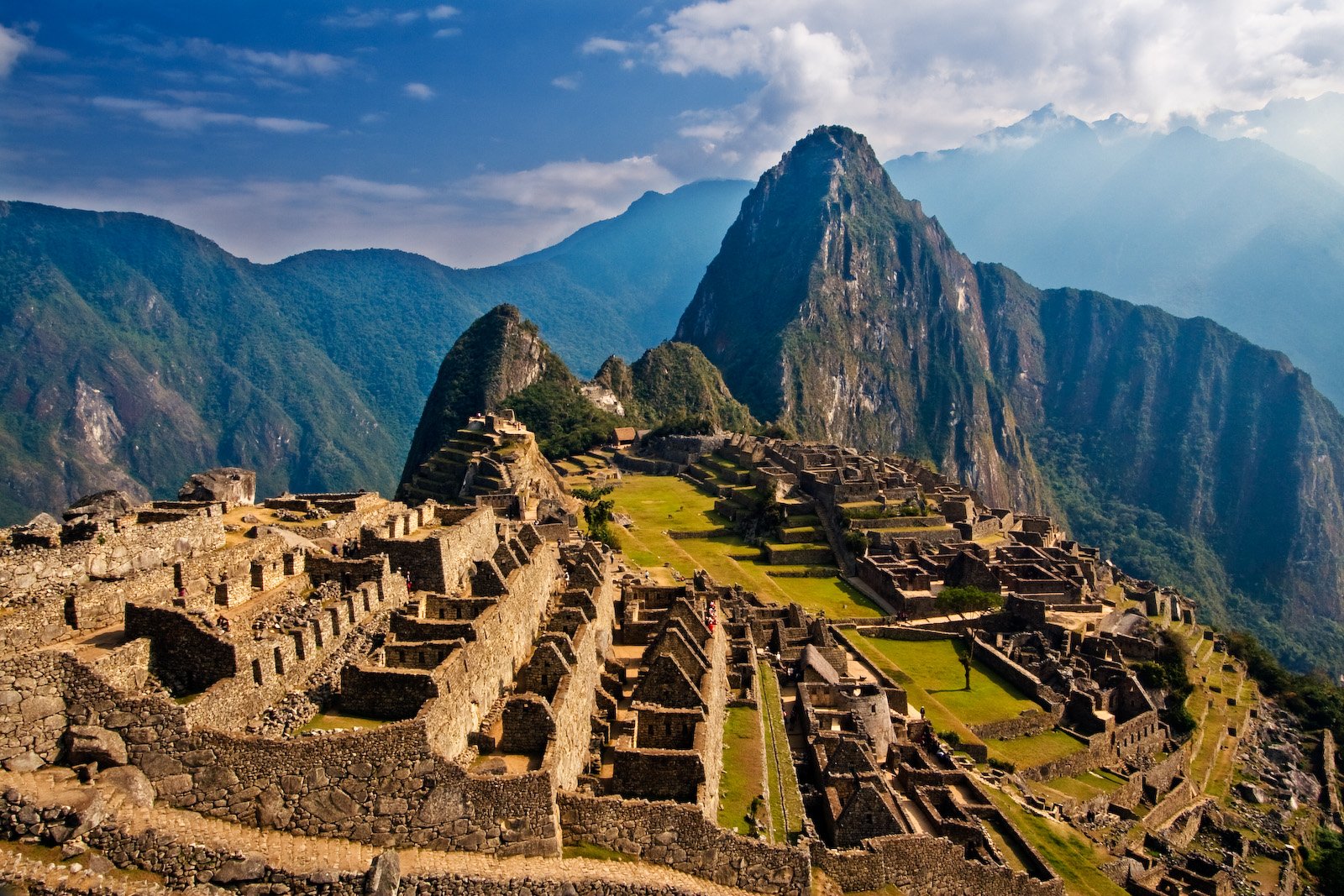
Machu Picchu & Cusco rewards travelers who combine Inca engineering, living Andean culture, highland landscapes, Cusco architecture, and a tightly regulated citadel visit with enough time for acclimatization walks, market meals, textile traditions, and time in the Sacred Valley before the most demanding day. It is especially rewarding for history, archaeology, rail journeys, hiking, culture, photography, and bucket-list travel. Altitude, circuit-specific tickets, train and bus capacity, strikes, rain, and long transfer chains make sequence more important than speed. Cusco historic center edge is the most balanced first base, Ollantaytambo offers sacred valley pacing and trains, and Aguas Calientes suits visitors prioritizing early citadel access. Machu Picchu & Cusco planning links Alejandro Velasco Astete, Cusco (CUZ), domestic flight, Cusco historic center edge, and Acclimatize in Cusco before strenuous plans to the six-row Peruvian sol (PEN) costs and 6–8 days itinerary below. Before paying for a Machu Picchu & Cusco booking, confirm current weather limits, closures, permits, domestic flight, and timed entry through an official source.
AT A GLANCE
Machu Picchu & Cusco quick travel summary
For Machu Picchu & Cusco, machu picchu entry commonly pen 152–200 (about us$42–55). Machu Picchu & Cusco estimates can exclude taxes; verify Acclimatize in Cusco before strenuous plans fees, card charges, transport, and seasonal supplements.
WHEN TO GO
Best time to visit
January–March
January to March is the wettest period around Cusco and Machu Picchu, with heavy rain, cloud, landslides, and trail disruption. Visitor numbers are lower outside holidays. Archaeological visits can still be atmospheric in clear intervals. Multi-day trekking is less reliable and the Inca Trail normally closes for maintenance in February. Use flexible rail bookings and verify official access.
April–June
April to June shifts from rain toward clearer, colder nights. Demand rises sharply from May. This is a strong period for Cusco, the Sacred Valley, and reserved Machu Picchu circuits after acclimatization. Popular trains and entry slots sell out, while residual landslide or trail issues may persist. Book official tickets early and keep the first day at lower intensity.
July–September
July to September is dry, sunny, and cold at night, with the strongest visitor pressure of the year. Trekking and mountain views are generally more reliable. High altitude, intense ultraviolet exposure, dust, and crowded transport remain the main constraints. Carry layers, respect the assigned circuit, and never compress acclimatization to preserve a reservation.
October–December
October to December brings warmer conditions and increasingly frequent rain, while demand falls before year-end peaks. Early October can balance trail access and lighter crowds. Later storms may delay trains or obscure the site. Keep rain protection available, avoid tight onward connections, and recheck PeruRail, Inca Rail, and official ticket notices before travel.
ARRIVING
How to get there
Most visitors fly or travel overland to Cusco, then continue through the Sacred Valley to Ollantaytambo and Aguas Calientes by rail or a regulated trek. Avoid placing Machu Picchu immediately after arrival at altitude. Match the citadel ticket, train stations, shuttle, hotel night, and luggage rules before paying. From Alejandro Velasco Astete, Cusco (CUZ), compare luggage handling and service hours through to Cusco historic center edge; the cheapest Machu Picchu & Cusco fare may leave an impractical final connection. For a late Alejandro Velasco Astete, Cusco (CUZ) arrival, get the Machu Picchu & Cusco transfer instructions in writing and decline undocumented rides.
MOVING AROUND
Getting around
Cusco’s historic center is walkable but steep; licensed taxis help with hills and terminals. Sacred Valley travel works by vetted driver, tour, or colectivos for confident travelers. Machu Picchu access uses a circuit-specific ticket and official approaches; never assume a ticket can be exchanged for another circuit on arrival. Group two acclimatization days in Cusco, a Sacred Valley corridor toward Ollantaytambo, and Machu Picchu with an Aguas Calientes night before returning slowly. This Machu Picchu & Cusco order avoids repeated transfers and keeps Spend time in the Sacred Valley available when weather, queues, or transport disrupt Acclimatize in Cusco before strenuous plans. Accessible Machu Picchu & Cusco plans should verify domestic flight boarding, surfaces, restrooms, and the final approach to Acclimatize in Cusco before strenuous plans.
CHOOSE A BASE
Where to stay
Cusco historic center edge — best for culture and logistics
Walkable plazas, museums, food, and tour offices make acclimatization and planning convenient. Cobblestones, stairs, altitude, and late-night noise vary by block. For Cusco historic center edge, verify the exact Machu Picchu & Cusco block, evening access, transfer time, and cancellation terms.
Ollantaytambo — best for Sacred Valley pacing and trains
Inca streets, ruins, lower elevation, and rail access support a slower transition toward Machu Picchu. Train-day crowds and limited late services require planning. For Ollantaytambo, verify the exact Machu Picchu & Cusco block, evening access, transfer time, and cancellation terms.
Aguas Calientes — best for early citadel access
Sleeping below Machu Picchu removes a same-morning long train connection and protects the timed entry. The town is compact, humid, expensive, and focused on transit. A room labeled Aguas Calientes can still be inconvenient in Machu Picchu & Cusco; check its location, after-dark route, and connection.
PLAN YOUR DAYS
Best things to do
Acclimatize in Cusco before strenuous plans
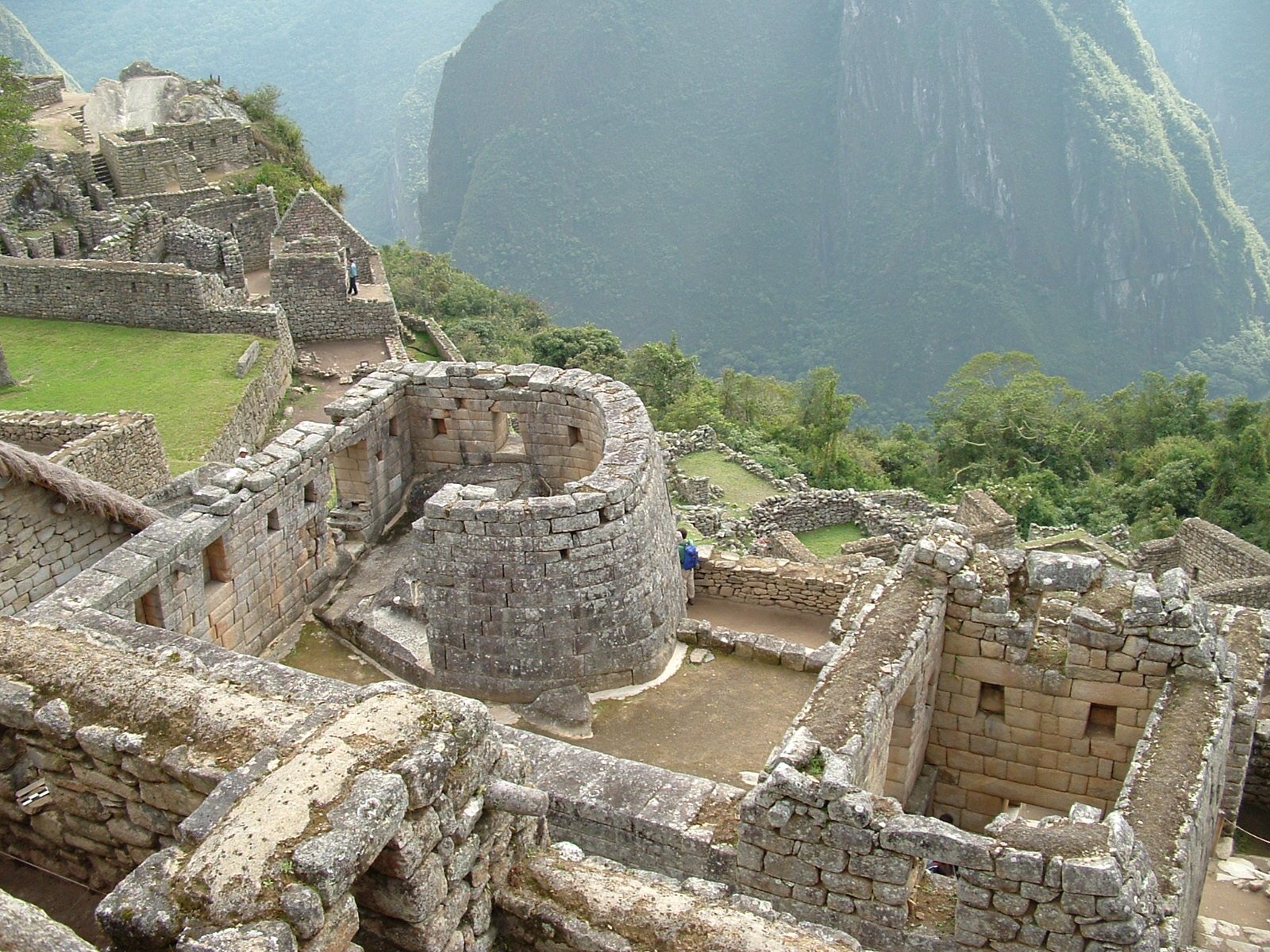
A licensed guide and the correct circuit help reveal Machu Picchu’s planning, stonework, sacred landscape, and conservation rules. Allow 3–5 hours plus access. Carry passport details matching the ticket, arrive for the assigned window, and use only the permitted circuit. Citadel tickets vary by circuit; budget roughly S/150–250 (about US$40–67) before transport.. For Acclimatize in Cusco before strenuous plans, let Machu Picchu & Cusco access rules and staff instructions set the safe limit.
Spend time in the Sacred Valley
Cusco’s plazas, cathedral, Qorikancha, and layered streets show how Inca and colonial power occupy the same urban fabric. Allow 5–8 hours. Use an easy first day, walk slowly, hydrate, and select a knowledgeable guide for historical context. Churches, museums, and visitor passes are charged separately or in combined products.. Confirm transport to Spend time in the Sacred Valley, then follow any Machu Picchu & Cusco closure, barrier, or guide direction.
Reserve the correct Machu Picchu circuit
The Sacred Valley connects archaeological sites, farming landscapes, markets, and living towns below Cusco’s elevation. Allow A full day or two. Travel toward Ollantaytambo rather than returning unnecessarily, and verify which sites a tourist ticket covers. Group tours can begin around S/80–180 (about US$22–48), excluding some entries and meals.. Reserve the correct Machu Picchu circuit must fit the traveler’s ability and current Machu Picchu & Cusco conditions; wildlife distances remain firm.
Use a licensed operator for any multi-day trek
A regulated Inca Trail or alternative trek offers a multi-day approach only for travelers prepared for altitude, weather, and permits. Allow 2–5 days. Use an authorized operator, verify porter welfare and inclusions, and train before arrival. Permitted treks commonly cost hundreds of US dollars and sell out early.. Before Use a licensed operator for any multi-day trek, verify Machu Picchu & Cusco access, then assess the fitness demands and return connection for Use a licensed operator for any multi-day trek.
Cusco museums, markets, and San Blas
Cusco museums, San Pedro Market, and San Blas add food, art, and contemporary Andean life beyond the monument circuit. Allow 4–7 hours. Visit markets respectfully, ask before photographing people, and avoid stacking steep hills on the first altitude day. Markets are free to enter; museums and workshops use varied fees.. For Cusco museums, markets, and San Blas, let Machu Picchu & Cusco access rules and staff instructions set the safe limit.
A PRACTICAL ROUTE
Suggested itinerary
Arrive and orient
Reach Cusco historic center edge, settle in near Cusco historic center edge, check domestic flight hours, and orient only around the route to Acclimatize in Cusco before strenuous plans.
Acclimatize in Cusco before strenuous plans
Use the first full itinerary stage for acclimatize in cusco before strenuous plans. After Acclimatize in Cusco before strenuous plans, eat near Cusco historic center edge instead of adding a cross-Machu Picchu & Cusco transfer.
Spend time in the Sacred Valley
Build the next itinerary stage around spend time in the sacred valley, adding reserve the correct machu picchu circuit only if Machu Picchu & Cusco access and the transfer from Cusco historic center edge remain practical.
A different side of the destination
Use Ollantaytambo or Aguas Calientes to reach use a licensed operator for any multi-day trek with less backtracking. Keep an independent meal, rest, or indoor alternative.
Flexible priority and departure
Choose cusco museums, markets, and san blas, repeat time near Cusco historic center edge, or recover Acclimatize in Cusco before strenuous plans after a weather delay. End the Machu Picchu & Cusco route with a real buffer for luggage, traffic, security, and the Alejandro Velasco Astete, Cusco (CUZ) connection.
REALISTIC BUDGET
Estimated travel costs
Machu Picchu & Cusco costs move most with May–September, the location of Cusco historic center edge, and the choice between domestic flight and private transfers. Recalculate Machu Picchu & Cusco’s dollar comparison when booking. The figures here convert Peruvian sol (PEN) at August 1, 2026 reference rates and exclude later card charges.
TRAVEL WELL
Practical travel tips
- Spend at least two easy nights acclimatizing before a demanding hike or compressed transfer day.
- Buy Machu Picchu tickets only through the official cultural authority and confirm the exact circuit.
- Match ticket time, train station, luggage allowance, Aguas Calientes hotel, and shuttle before payment.
- Carry rain protection and sun cover because highland conditions change quickly.
- Use a licensed, welfare-conscious operator for any regulated trek.
- Keep passport details consistent across tickets and carry the required identification.
- Check official strike, rail, road, landslide, and archaeological access notices before transfers.
- Solo women should use vetted night transfers and trek operators, share the route, and avoid isolated steep streets when unwell from altitude.
COMMON QUESTIONS
Machu Picchu & Cusco travel FAQ
How many days do you need in Machu Picchu & Cusco?
6–8 days is a realistic first-visit range for Machu Picchu & Cusco. If 6–8 days is not possible, keep Cusco historic center edge and Acclimatize in Cusco before strenuous plans; extra Machu Picchu & Cusco days should absorb recovery, weather, or reservation changes.
Is Machu Picchu & Cusco expensive?
A practical daily planning range is S/220–420 (about US$59–113) budget; S/650–1,250 (about US$175–336) mid-range, per person. For Machu Picchu & Cusco, room location, peak dates, private transport, permits, and guided access to Acclimatize in Cusco before strenuous plans drive the largest increases; compare full inclusions, not headline prices.
How many acclimatization days do you need?
Two easy nights in Cusco or the Sacred Valley suit many travelers, but individual response varies. Descend and seek medical help for severe or worsening symptoms.
Which Machu Picchu circuit is best?
There is no universal best circuit. Choose by the viewpoints, structures, mobility, and available time you value, then read the exact current route before purchase.
Should you sleep in Aguas Calientes?
Yes when protecting an early timed entry or avoiding a fragile same-day train chain. Ollantaytambo is a more atmospheric base for the preceding night.
What should you book first?
Reserve circuit-specific Machu Picchu entry, regulated trek permits, trains, and the Aguas Calientes night first, then build Cusco around them.
KEEP EXPLORING
Related The Wander Muse guides
PLAN WITH CURRENT INFORMATION
Official resources
Opening hours, fares, permits, weather rules, and transport arrangements in Machu Picchu & Cusco can change. Use these official links to confirm what is operating during May–September, rather than relying on an older itinerary.