START HERE
Why visit Salar de Uyuni
Salar de Uyuni is a vast high-altitude salt flat surrounded by volcanoes, lagoons, desert formations, and remote communities, not merely a roadside mirror photograph. It suits landscapes, photography, high-altitude adventure, geology, road trips, and stargazing and works best when Salar de Uyuni crossing and Incahuasi or an approved island stop stay on separate compact days. A first visit works best when Salar de Uyuni crossing, Incahuasi or an approved island stop, and Eduardo Avaroa reserve lagoons are arranged around realistic transport and weather windows. Uyuni is the main tour hub, Colchani offers salt-flat proximity with few services, and Tupiza supports longer one-way circuits through southern landscapes. Salar de Uyuni planning connects Uyuni Airport (UYU), Uyuni bus station, or rail services when operating, licensed 4wd tour, Uyuni town, and Salar de Uyuni crossing with the six-row Boliviano (BOB) budget and 3–4 days route below. Before booking Salar de Uyuni, use the linked authorities to verify opening days, licensed 4wd tour, and any timed entry for Salar de Uyuni crossing.
AT A GLANCE
Salar de Uyuni quick travel summary
Salar de Uyuni prices are planning ranges rather than quotes. For Salar de Uyuni, compare the final checkout total—not only the advertised price—and verify every transfer or ticket inclusion.
WHEN TO GO
Best time to visit
Wet-to-dry transition (March–May)
March shifts from the reflection season toward drier conditions, while April and May bring clearer roads, cold nights, and strong ultraviolet exposure. Visitor pressure eases after major holiday dates. Multi-day salt-flat crossings become more predictable as standing water recedes. Some mirrored areas or access tracks may remain flooded, so the driver—not a fixed photo stop—must determine the route. Acclimatize before a remote circuit.
Dry cold season (June–August)
June to August is dry, sunny, and extremely cold before dawn, with reliable salt-flat driving on most established routes. Demand rises during regional holidays. Clear air favors long crossings and high-altitude lagoons, but nights can fall far below freezing. This is winter in Bolivia, not summer. Verify heating, emergency oxygen, vehicle condition, and border procedures before leaving Uyuni.
Windy dry season (September–November)
September to November stays mostly dry and becomes windier and gradually warmer. Roads are usually firm, while dust and afternoon gusts can reduce visibility. Demand is moderate. The period suits overland circuits and stargazing, but high-altitude cold remains possible in every month. Carry sun protection and layers, and confirm fuel, water, and immigration arrangements for any Chile-border route.
Rainy reflection season (December–February)
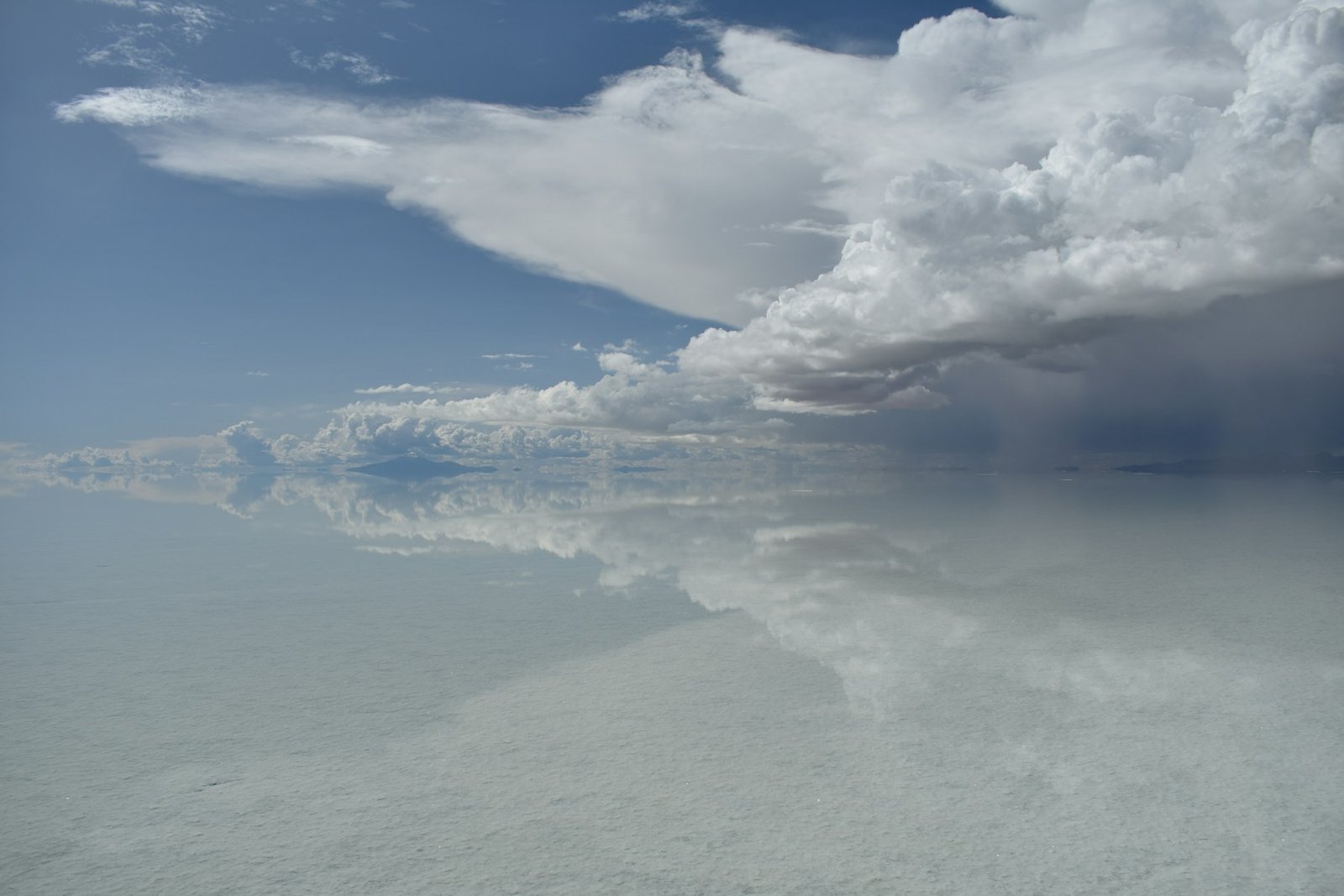
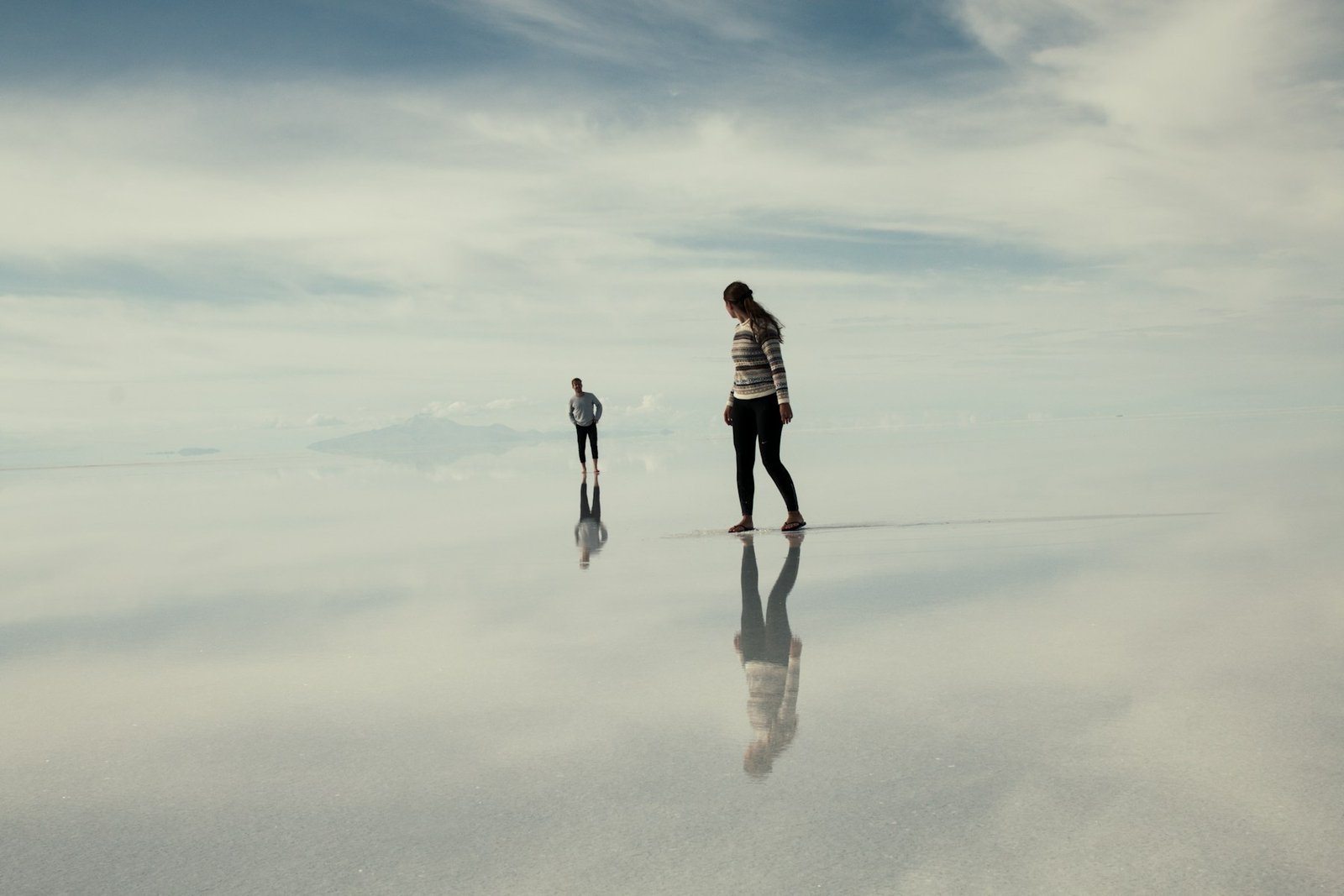
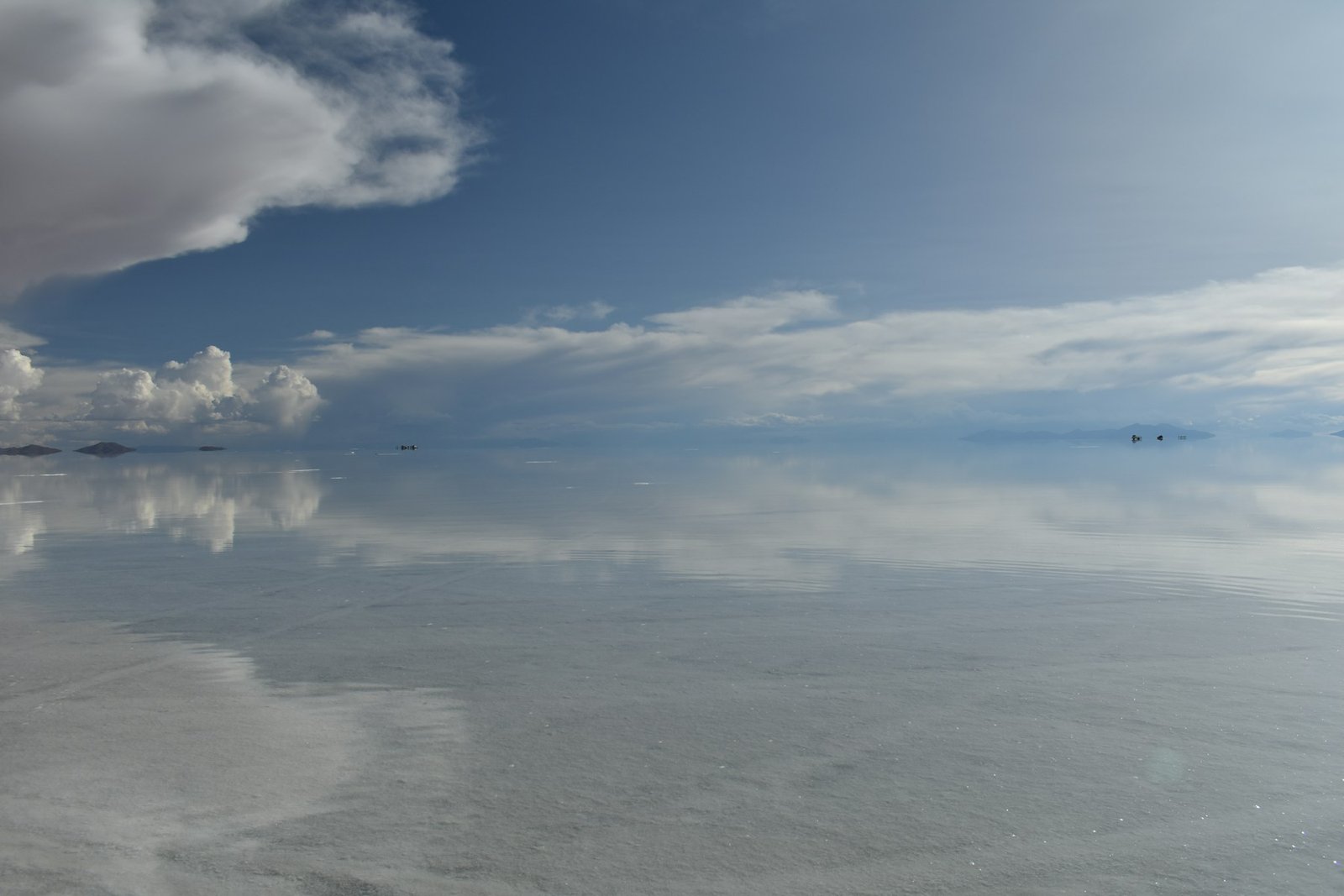
December to February brings summer rain and the possibility of the famous mirror effect, especially after water spreads thinly across the salt. Holiday and Carnival dates raise demand. Reflection photography can be exceptional, but deep water may block Incahuasi, alter routes, or cancel a full crossing. Choose an operator willing to change the itinerary, protect electronics, and never pressure a driver into flooded terrain.
ARRIVING
How to get there
Uyuni can be reached by domestic flight, overnight bus from La Paz, buses from Sucre or Potosí, and limited rail services whose operating days must be checked. Roads and departure times change, so confirm directly with official transport providers and the tour operator. Tupiza is an alternative start for a longer south-to-north route. The cheapest arrival is usually bus; a flight is easier but weather-sensitive. Leave a buffer after the tour before an international connection because 4WD delays, strikes, and road conditions are possible.
MOVING AROUND
Getting around
Independent driving is unsuitable for most visitors: tracks are unmarked, water hides hazards, fuel and communications are limited, and rescue is difficult. Use a licensed, well-reviewed 4WD operator with a named driver, seat belts, oxygen plan, emergency communication, and transparent group size. Walking occurs only at designated stops. Multi-day routes involve rough roads, basic lodging, cold nights, and long distances. Travelers with heart, lung, pregnancy, or altitude concerns should obtain medical advice and acclimatize before departure. For a 3–4 days visit, group Salar de Uyuni crossing with Incahuasi or an approved island stop, then protect Eduardo Avaroa reserve lagoons for the strongest weather or access window. Salar de Uyuni crossing and Incahuasi or an approved island stop belong on separate compact Salar de Uyuni stages; that leaves room for a delayed licensed 4wd tour connection. Accessible Salar de Uyuni planning needs four checks: licensed 4wd tour boarding, surfaces, restrooms, and the final approach to Salar de Uyuni crossing.
CHOOSE A BASE
Where to stay
Uyuni town — best for first-time tours
The broadest operator choice, bus and airport access, restaurants, pharmacies, and simple hotels support departures. The town is functional rather than scenic and early departures create noise.
Colchani — best for salt-flat proximity
Salt hotels and immediate access suit a special night or shorter private itinerary. Food, transport, and operator choice are limited and prices are higher.
Tupiza — best for longer one-way circuits
A scenic southern start can reduce duplicate driving and add canyons before the reserve. It requires extra travel and normally a four-day route rather than the standard Uyuni loop.
PLAN YOUR DAYS
Best things to do
Salar de Uyuni crossing
The immense salt crust, horizon, islands, and seasonal water reveal landscape scale unavailable from one edge stop. Allow 5–8 hours within a tour. Use the safest route for current water depth and light. A licensed tour should be reserved before arrival in busy periods. Costs are normally bundled into the vehicle package, with some site fees separate. Never pressure a driver to cross unsafe flooded sections. It is best suited to photographers and first-time visitors; visitors with little time should retain Salar de Uyuni crossing only if it stays near another priority.
Incahuasi or an approved island stop
Cactus-covered volcanic ground provides elevation and geological contrast when access is open. Allow 1–2 hours. Visit only when the operator confirms seasonal and conservation access. Entry is handled during the tour. A local admission may be separate from the package. Remain on marked paths and do not remove salt, rock, or plants. It is best suited to geology and landscape travelers; on a short stay, keep Incahuasi or an approved island stop only when access and geography suit that day.
Eduardo Avaroa reserve lagoons
High-altitude colored lagoons, volcanoes, and flamingos are the ecological core of longer southern circuits. Allow 1–2 days within a multi-day route. Use the least windy daylight and follow ranger guidance. Reserve entry and border logistics through the operator. Protected-area fees are often paid separately in cash. Keep wildlife distance and never drive off established tracks. It is best suited to wildlife and adventure travelers; On a short Salar de Uyuni visit, Eduardo Avaroa reserve lagoons should not force a cross-destination transfer.
Sol de Mañana geyser field
Steam vents and geothermal terrain show active volcanic processes at very high elevation. Allow 45–75 minutes. Arrive in daylight with the guide and remain on safe ground. Included in most southern circuits. Usually bundled except reserve fees. There are no protective rails everywhere; follow the guide exactly. It is best suited to geology travelers comfortable with altitude; time-limited visitors should add Sol de Mañana geyser field only when it fits the same area and current conditions.
Train cemetery and Colchani
Industrial remains and salt-processing communities add economic context near Uyuni. Allow 2–3 hours combined. Visit outside the busiest convoy time when the operator can sequence it safely. No advance reservation is normally required. Local purchases and small fees vary. Buy crafts respectfully and avoid climbing unstable train structures. It is best suited to history and shorter-tour visitors; visitors with little time should retain Train cemetery and Colchani only if it stays near another priority.
A PRACTICAL ROUTE
Suggested itinerary
Acclimatize in Uyuni
Arrive with a buffer, hydrate, verify the vehicle and inclusions, and avoid heavy alcohol.
Salt flat
Visit Colchani and the safest salt-flat route, using sunset only if the return plan remains safe.
Desert and lagoons
Continue south through volcano and lagoon landscapes without adding unscheduled night driving.
Geothermal field and return
Visit the reserve’s high points early, then complete the long return or an arranged Chile border transfer.
Delay buffer
Retain a day before flights or long-distance connections for weather, road, or protest disruption.
REALISTIC BUDGET
Estimated travel costs
Salar de Uyuni costs move most with May–October for dry access; January–March for possible reflections, booking timing, taxes, and the exact position of a room in Uyuni town. For Salar de Uyuni, let the final Boliviano (BOB) total control the decision. For Salar de Uyuni, its August 1, 2026 dollar conversion may differ at checkout.
TRAVEL WELL
Practical travel tips
- Acclimatize before the highest lagoons and seek medical advice for relevant health conditions.
- Choose an operator by vehicle maintenance, seat belts, driver hours, emergency plan, and recent reviews.
- Carry cash in bolivianos because reserve gates, toilets, and remote villages may not accept cards.
- Pack layered insulation, sun protection, lip balm, water, and a sleeping-bag liner for basic lodges.
- Confirm whether meals, water, sleeping bag, park fees, border transfer, and English guide are included.
- Never demand a mirror-effect crossing when water depth makes the route unsafe.
- Keep valuables and essential medication with you rather than on a bus roof or vehicle exterior.
- Solo women should request a mixed group or private vehicle with verified operator contacts and share the itinerary.
COMMON QUESTIONS
Salar de Uyuni travel FAQ
How many days do you need in Salar de Uyuni?
3–4 days is a practical first-visit range for Salar de Uyuni. If 3–4 days is not available, keep one compact Salar de Uyuni base and Salar de Uyuni crossing; additional days are most useful as weather and transport buffers.
Is Salar de Uyuni expensive?
In Salar de Uyuni, a realistic daily planning range is BOB 350–620 (about US$51–90) budget; BOB 900–1,900 (about US$130–275) mid-range, per person. Costs rise fastest when a Salar de Uyuni trip combines the most convenient base with peak-season rooms and privately arranged outings.
Do you need a car in Salar de Uyuni?
Yes for the landscape, but it should be a licensed guided 4WD rather than a normal rental car. Independent driving adds serious navigation and rescue risk.
What is the best month to visit Salar de Uyuni?
June and September are strong dry-season choices; February can offer reflections but flooding may restrict islands and routes.
Is Salar de Uyuni safe for solo female travelers?
Solo women commonly join tours, but operator and group vetting matter. Share vehicle details, use a mixed group if preferred, and retain essential items personally. Recheck official travel advice for Salar de Uyuni, then compare it with the latest conditions affecting Salar de Uyuni crossing.
What should you book in advance for Salar de Uyuni?
Reserve a reputable 4WD tour, peak flights or buses, upgraded lodging, border transfers, and any private English-speaking guide.
KEEP EXPLORING
Related The Wander Muse guides
PLAN WITH CURRENT INFORMATION
Official resources
For Salar de Uyuni, opening hours, fares, permits, weather rules, and transport arrangements can change. The official sources below are the final reference for Salar de Uyuni schedules, restrictions, and visitor rules.