START HERE
Why visit Mexico City
Mexico City rewards travelers who combine major museums, layered Indigenous and colonial history, ambitious food, public art, and leafy residential neighborhoods with enough time for market breakfasts, park walks, cafe stops, and evenings centered on one walkable district. It is especially rewarding for food, museums, architecture, history, art, solo travel, and city breaks. Altitude, traffic, air quality, demonstrations, long museum distances, and different block-by-block conditions reward a compact plan. Roma Norte or Condesa is the most balanced first base, Reforma or Juárez offers museum and transport access, and Coyoacán suits visitors prioritizing slower local character. Mexico City planning links Mexico City International (MEX) or Felipe Ángeles (NLU), metro, Roma Norte or Condesa, and Walk the historic center with context to the six-row Mexican peso (MXN) costs and 5–6 days itinerary below. Before paying for a Mexico City booking, confirm current weather limits, closures, permits, metro, and timed entry through an official source.
AT A GLANCE
Mexico City quick travel summary
For Mexico City, museums commonly mxn 90–120 (about us$5–7). Mexico City estimates can exclude taxes; verify Walk the historic center with context fees, card charges, transport, and seasonal supplements.
WHEN TO GO
Best time to visit
Spring (March–May)
Spring is warm and dry early, then increasingly hot before the summer rains. Crowds and room rates rise around Easter. Museums, neighborhood walks, and archaeological day trips work best with early starts. Afternoon ozone, heat, and altitude can slow a dense plan. Build in rest and recheck air-quality or attraction notices before long outdoor periods.
Summer (June–August)
Summer brings mild-to-warm days and frequent afternoon or evening rain rather than sustained tropical beach weather. Demand varies with school holidays. Mornings suit parks, markets, and outdoor sites; museums provide a reliable storm alternative. Heavy rain can flood roads and slow transfers. Carry rain protection and avoid placing distant fixed reservations back to back.
Autumn (September–November)
Autumn starts rainy, then becomes drier and cooler, with major cultural events affecting demand. Walking, food, museums, and public spaces are comfortable once storms ease. Event closures and crowds can reshape the historic center. Reserve around Día de Muertos dates and verify parade routes or Metro changes before crossing the city.
Winter (December–February)
Winter is dry, sunny, and cool at night, with holiday and festival peaks. Clear mornings favor viewpoints and day trips, while evenings require layers. Mexico City itself does not have a snow-access season. Air quality, altitude, and busy holiday dates are the practical constraints. Begin outdoor touring early and keep one lower-effort day after arrival.
ARRIVING
How to get there
Mexico City International Airport connects by authorized taxi, app ride under current pickup rules, Metrobús, and other public options; Felipe Ángeles Airport is much farther from central neighborhoods. Choose flights by the complete ground transfer and arrival hour. Use prepaid or verified transport and keep the accommodation address offline. From Mexico City International (MEX) or Felipe Ángeles (NLU), compare luggage handling and service hours through to Roma Norte or Condesa; the cheapest Mexico City fare may leave an impractical final connection. For a late Mexico City International (MEX) or Felipe Ángeles (NLU) arrival, get the Mexico City transfer instructions in writing and decline undocumented rides.
MOVING AROUND
Getting around
Metro and Metrobús cover long corridors cheaply, while walking works inside Centro, Roma–Condesa, Coyoacán, and Chapultepec clusters. Cars move slowly and should be reserved for awkward transfers or late returns. Public transport crowding requires controlled bags and a backup route during demonstrations or heavy rain. Group Centro Histórico together, Chapultepec with one major museum, Roma–Condesa as a separate food-and-design day, and Teotihuacán as its own early excursion. This Mexico City order avoids repeated transfers and keeps Reserve Frida Kahlo Museum if desired available when weather, queues, or transport disrupt Walk the historic center with context. Accessible Mexico City plans should verify metro boarding, surfaces, restrooms, and the final approach to Walk the historic center with context.
CHOOSE A BASE
Where to stay
Roma Norte or Condesa — best for restaurants and first-time balance
Walkable food, parks, cafes, and Metrobús access create relaxed evenings and efficient central days. Nightlife noise and rising room prices affect popular blocks. A room labeled Roma Norte or Condesa can still be inconvenient in Mexico City; check its location, after-dark route, and connection.
Reforma or Juárez — best for museum and transport access
A central boulevard position helps with Chapultepec, Centro, business districts, and airport transfers. The atmosphere varies from polished to very busy by exact street. A room labeled Reforma or Juárez can still be inconvenient in Mexico City; check its location, after-dark route, and connection.
Coyoacán — best for slower local character
Plazas, museums, markets, and residential streets suit repeat visitors and cultural priorities. Most central sights require longer Metro or car journeys. For Coyoacán, verify the exact Mexico City block, evening access, transfer time, and cancellation terms.
PLAN YOUR DAYS
Best things to do
Walk the historic center with context
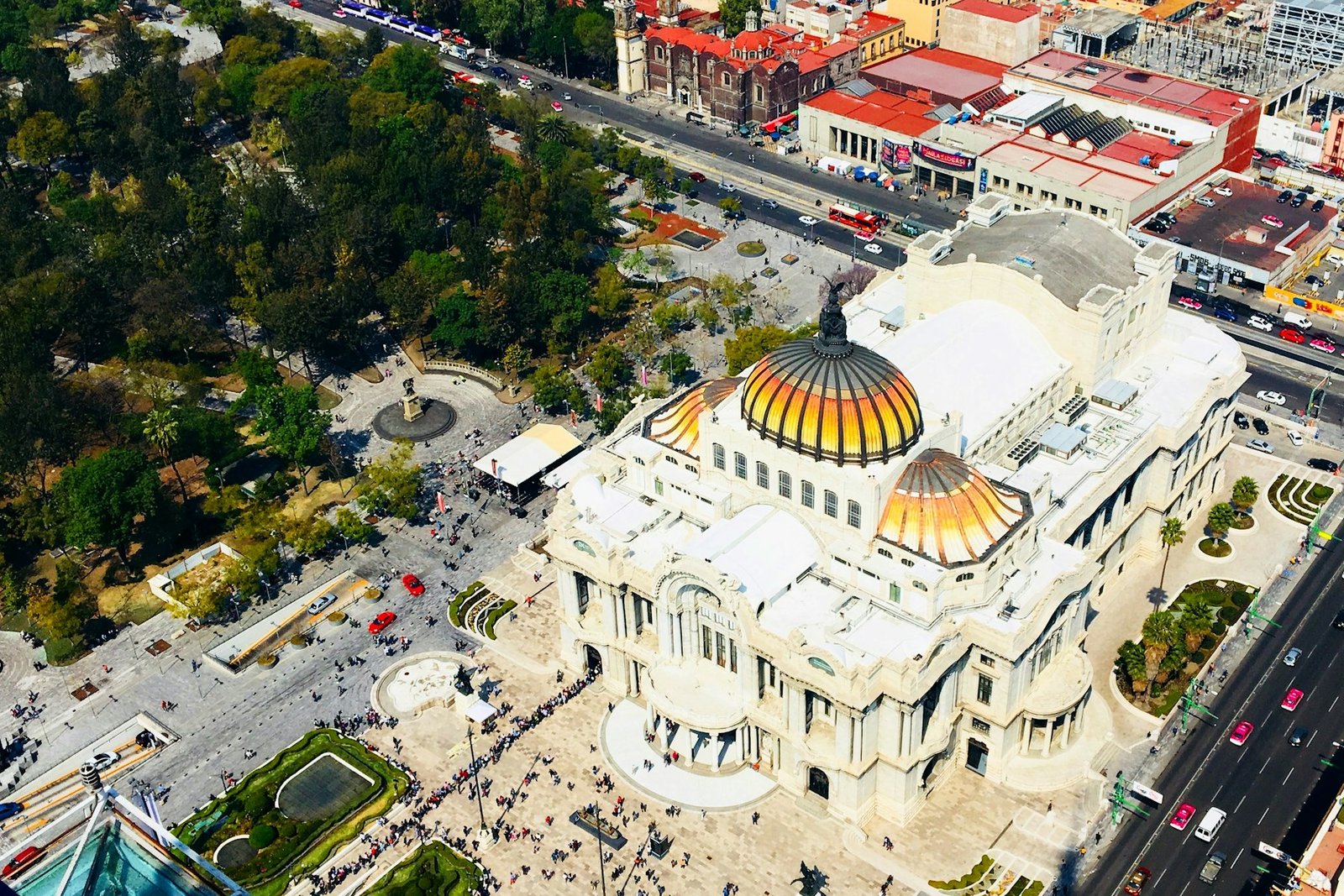
Centro Histórico brings together the Zócalo, cathedral, Templo Mayor context, murals, and major civic architecture. Allow 5–8 hours. Start early, check demonstrations and museum closures, and keep valuables controlled in dense streets. Public squares are free; museums commonly cost MXN 90–200 (about US$5–11).. Confirm transport to Walk the historic center with context, then follow any Mexico City closure, barrier, or guide direction.
Reserve Frida Kahlo Museum if desired
Chapultepec combines a huge urban park with the National Museum of Anthropology, castle, and cultural institutions. Allow A full day. Choose at most two major interiors, verify closure days, and arrive before museum queues. Major public museums commonly cost roughly MXN 100–210 (about US$5–11), with policies varying.. For Reserve Frida Kahlo Museum if desired, let Mexico City access rules and staff instructions set the safe limit.
Spend a full day around Chapultepec
Teotihuacán reveals monumental urban planning and Mesoamerican history beyond the modern capital. Allow 6–9 hours. Leave early, use official transport or a vetted guide, carry sun cover, and follow current access restrictions. Site entry and transport vary; tours often cost MXN 700–1,800 (about US$38–97).. Before Spend a full day around Chapultepec, verify Mexico City access, then assess the fitness demands and return connection for Spend a full day around Chapultepec.
Eat through Roma, Condesa, or a guided market route
Coyoacán offers plazas, markets, historic houses, and museums in a slower southern district. Allow 4–7 hours. Reserve the Frida Kahlo Museum only through the official seller and combine nearby stops on a confirmed opening day. Neighborhood walking is free; popular house museums use timed paid tickets.. Eat through Roma, Condesa, or a guided market route must fit the traveler’s ability and current Mexico City conditions; wildlife distances remain firm.
Roma–Condesa food, design, and neighborhood walking
Roma and Condesa reward a self-directed day of architecture, parks, galleries, bakeries, and researched meals. Allow 4–7 hours. Walk in daylight, reserve one priority restaurant, and avoid treating residential facades as photo sets. Walking and parks are free; meals, bars, galleries, and design shops vary.. Confirm transport to Roma–Condesa food, design, and neighborhood walking, then follow any Mexico City closure, barrier, or guide direction.
A PRACTICAL ROUTE
Suggested itinerary
Arrive and orient
Reach Roma Norte or Condesa, settle in near Roma Norte or Condesa, check metro hours, and orient only around the route to Walk the historic center with context.
Walk the historic center with context
Use the first full itinerary stage for walk the historic center with context. After Walk the historic center with context, eat near Roma Norte or Condesa instead of adding a cross-Mexico City transfer.
Reserve Frida Kahlo Museum if desired
Build the next itinerary stage around reserve frida kahlo museum if desired, adding spend a full day around chapultepec only if Mexico City access and the transfer from Roma Norte or Condesa remain practical.
A different side of the destination
Use Reforma or Juárez or Coyoacán to reach eat through roma, condesa, or a guided market route with less backtracking. Keep an independent meal, rest, or indoor alternative.
Flexible priority and departure
Choose roma–condesa food, design, and neighborhood walking, repeat time near Roma Norte or Condesa, or recover Walk the historic center with context after a weather delay. End the Mexico City route with a real buffer for luggage, traffic, security, and the Mexico City International (MEX) or Felipe Ángeles (NLU) connection.
REALISTIC BUDGET
Estimated travel costs
Mexico City costs move most with March–May or October–November, the location of Roma Norte or Condesa, and the choice between metro and private transfers. Recalculate Mexico City’s dollar comparison when booking. For Mexico City, the figures here convert Mexican peso (MXN) at August 1, 2026 reference rates and exclude later card charges.
TRAVEL WELL
Practical travel tips
- Allow an easy first day for altitude, hydration, and sleep before stacking long walks.
- Use Metro and Metrobús outside peak crowding when possible and keep bags closed in front.
- Check museum closure days; many major institutions close on Monday.
- Use authorized airport taxis or verified app pickups under current terminal rules.
- Eat at busy stalls with good turnover and use purified water.
- Check air quality, heavy-rain, demonstration, and transport notices each morning.
- Reserve Frida Kahlo, popular restaurants, and priority guided experiences early.
- Solo women can use women-only public-transport areas where offered, choose active pickup points, and avoid quiet unfamiliar streets late at night.
COMMON QUESTIONS
Mexico City travel FAQ
How many days do you need in Mexico City?
5–6 days is a realistic first-visit range for Mexico City. If 5–6 days is not possible, keep Roma Norte or Condesa and Walk the historic center with context; extra Mexico City days should absorb recovery, weather, or reservation changes.
Is Mexico City expensive?
A practical daily planning range is MXN 1,200–2,100 (about US$65–114) budget; MXN 3,000–5,800 (about US$162–314) mid-range, per person. For Mexico City, room location, peak dates, private transport, permits, and guided access to Walk the historic center with context drive the largest increases; compare full inclusions, not headline prices.
Does altitude affect visitors?
Mexico City sits above 2,000 meters. Some visitors notice breathlessness, headache, or fatigue; hydrate, limit alcohol initially, and seek care if symptoms are severe.
Is the Metro easy for visitors?
It is extensive and inexpensive, but crowded. Avoid peak periods with luggage, secure belongings, learn transfer stations, and check demonstrations or service changes.
Can you visit Teotihuacán independently?
Yes by official public transport or arranged car, but a knowledgeable guide adds archaeological context. Leave early and verify current entry rules.
What should you reserve first?
Book peak rooms, the Frida Kahlo Museum, priority restaurants, special exhibitions, and a Teotihuacán tour if desired.
KEEP EXPLORING
Related The Wander Muse guides
PLAN WITH CURRENT INFORMATION
Official resources
Opening hours, fares, permits, weather rules, and transport arrangements in Mexico City can change. Before leaving for Mexico City, confirm the details that affect Walk the historic center with context directly with the official links below.