START HERE
Why visit San Francisco
San Francisco rewards travelers who combine bay views, steep historic streets, ferries, celebrated food, parks, and compact cultural neighborhoods with enough time for waterfront pauses, independent shops, hilltop parks, and foggy walks that reward an extra layer. It is especially rewarding for architecture, food, waterfronts, parks, museums, solo travel, couples, and photography. Microclimates, hills, car break-ins, expensive rooms, and crowded waterfront corridors require careful base and transport choices. Union Square or Nob Hill edge is the most balanced first base, North Beach offers evening atmosphere and waterfront access, and Marina or Cow Hollow suits visitors prioritizing golden gate access and calmer nights. This guide explains arrival choices, local transportation, seasonal trade-offs, five priority experiences, six-part costs in USD, and a practical 4–5 days route. Before paying for a San Francisco booking, confirm current weather limits, closures, permits, bart, and timed entry through an official source.
AT A GLANCE
San Francisco quick travel summary
For San Francisco, alcatraz commonly us$45–60; many outdoor sights free. San Francisco estimates can exclude taxes; verify Reserve Alcatraz before arrival fees, card charges, transport, and seasonal supplements.
WHEN TO GO
Best time to visit
Spring (March–May)
Across San Francisco, expect mild days, green hills, mixed rain, and cool coast wind; conditions near Reserve Alcatraz before arrival can vary. Crowd and price pressure is moderate with holiday peaks. The strongest reason to travel then is comfortable hiking, gardens, waterfalls, and clearer inland views; the trade-off is that marine fog, rain, or lingering mountain snow can change routes. Fog, wind, rain, steep terrain, transit changes, events, and vehicle break-ins can still change a carefully planned day, so retain one lower-risk alternative and check official forecasts, road or marine notices, and reservation calendars shortly before every exposed outing.
Summer (June–August)
Across San Francisco, expect dry inland heat, strong sun, and a cooler fog-prone coast; conditions near Walk or cycle part of Golden Gate Bridge can vary. Crowd and price pressure is high across school holidays. The strongest reason to travel then is long daylight and the widest visitor-service schedules; the trade-off is that wildfire smoke, traffic, heat, and coastal temperature swings demand flexibility. Fog, wind, rain, steep terrain, transit changes, events, and vehicle break-ins can still change a carefully planned day, so retain one lower-risk alternative and check official forecasts, road or marine notices, and reservation calendars shortly before every exposed outing.
Autumn (September–November)
Across San Francisco, expect warm early weeks, dry air, shorter days, and occasional wind events; conditions near Explore North Beach, Chinatown, and the Embarcadero can vary. Crowd and price pressure is moderate after early September. The strongest reason to travel then is often-clear coast views and pleasant city evenings; the trade-off is that fire-weather warnings and early mountain storms remain possible. Fog, wind, rain, steep terrain, transit changes, events, and vehicle break-ins can still change a carefully planned day, so retain one lower-risk alternative and check official forecasts, road or marine notices, and reservation calendars shortly before every exposed outing.
Winter (December–February)
Across San Francisco, expect cooler days, Pacific storms, and snow at mountain elevations; conditions near Spend an afternoon in the Mission or Golden Gate Park can vary. Crowd and price pressure is lower outside major holidays. The strongest reason to travel then is quieter cities, dramatic coast weather, and good museum time; the trade-off is that road closures, flooding, ice, and short daylight can disrupt travel. Fog, wind, rain, steep terrain, transit changes, events, and vehicle break-ins can still change a carefully planned day, so retain one lower-risk alternative and check official forecasts, road or marine notices, and reservation calendars shortly before every exposed outing.
ARRIVING
How to get there
BART links both SFO and OAK with parts of the city, though late service, luggage, and the hotel’s final hill or transfer matter. Official taxis and app rides are useful after dark or with heavy bags. A rental car is usually unnecessary in the city and becomes a liability when luggage or parking is involved. From San Francisco (SFO) or Oakland (OAK), compare luggage handling and service hours through to Union Square or Nob Hill edge; the cheapest San Francisco fare may leave an impractical final connection. For a late San Francisco (SFO) or Oakland (OAK) arrival, get the San Francisco transfer instructions in writing and decline undocumented rides.
MOVING AROUND
Getting around
Muni covers neighborhoods, BART handles selected longer corridors, and ferries connect the waterfront with bay destinations. Cable cars are heritage transport with queues rather than the fastest default. Walk downhill when practical, use cross-town transit before fatigue, and check accessibility for older rail stations and steep streets. Group Alcatraz with the Embarcadero and North Beach, Golden Gate Park with western neighborhoods, and the Mission with Castro or Noe Valley. This San Francisco order avoids repeated transfers and keeps Walk or cycle part of Golden Gate Bridge available when weather, queues, or transport disrupt Reserve Alcatraz before arrival. Accessible San Francisco plans should verify bart boarding, surfaces, restrooms, and the final approach to Reserve Alcatraz before arrival.
CHOOSE A BASE
Where to stay
Union Square or Nob Hill edge — best for transit connections
BART, Muni, cable cars, shopping, and central access simplify a short first visit. The atmosphere and late-night comfort vary block by block, so inspect the exact address. A room labeled Union Square or Nob Hill edge can still be inconvenient in San Francisco; check its location, after-dark route, and connection.
North Beach — best for evening atmosphere and waterfront access
Restaurants, cafes, Chinatown, Telegraph Hill, and the Embarcadero are close on foot. Hills, nightlife noise, and limited large hotels affect some travelers. A room labeled North Beach can still be inconvenient in San Francisco; check its location, after-dark route, and connection.
Marina or Cow Hollow — best for Golden Gate access and calmer nights
Bay walks, restaurants, and buses toward the bridge create an appealing local base. Airport and downtown rail require bus or car connections. Before selecting Marina or Cow Hollow, compare the San Francisco walking distance, luggage transfer, late arrival plan, and refund terms.
PLAN YOUR DAYS
Best things to do
Reserve Alcatraz before arrival
Alcatraz combines federal history, Indigenous occupation history, architecture, and a ferry perspective on the bay. Allow 3–4 hours including ferry. Buy only through the authorized concessioner, arrive before boarding cutoff, and carry a wind layer. Standard day experiences commonly begin around US$45–60, with special programs costing more.. For Reserve Alcatraz before arrival, let San Francisco access rules and staff instructions set the safe limit.
Walk or cycle part of Golden Gate Bridge
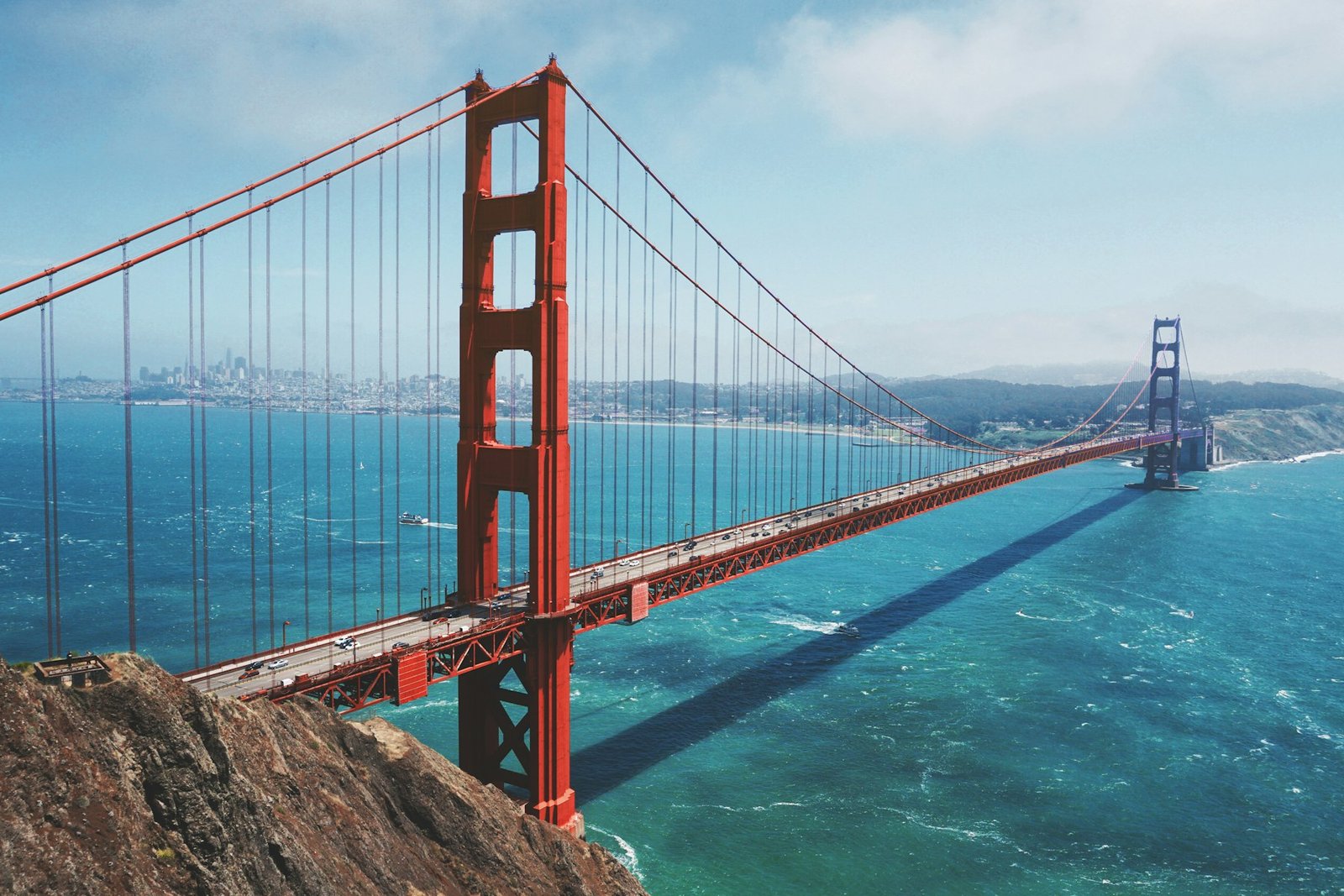
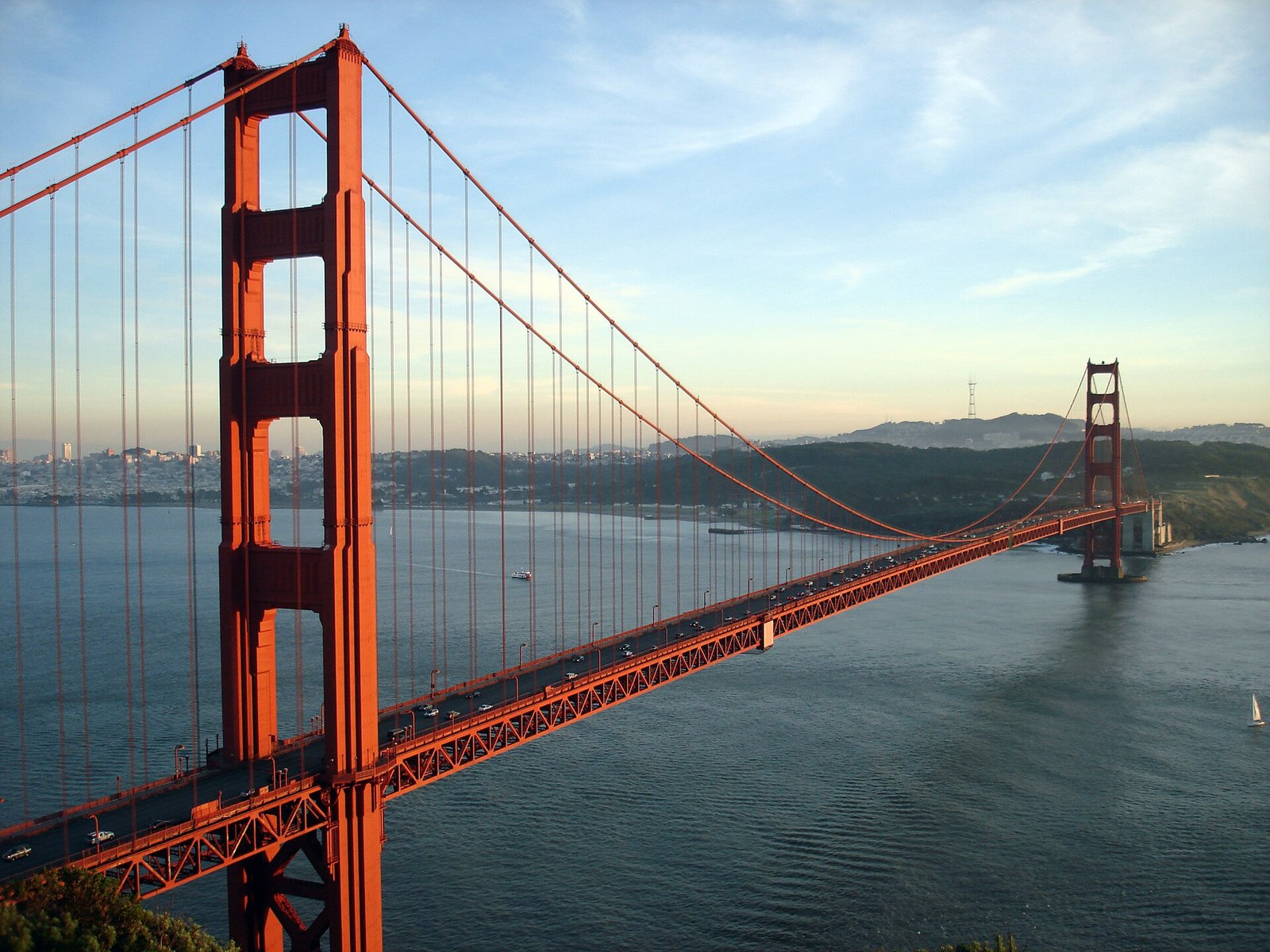
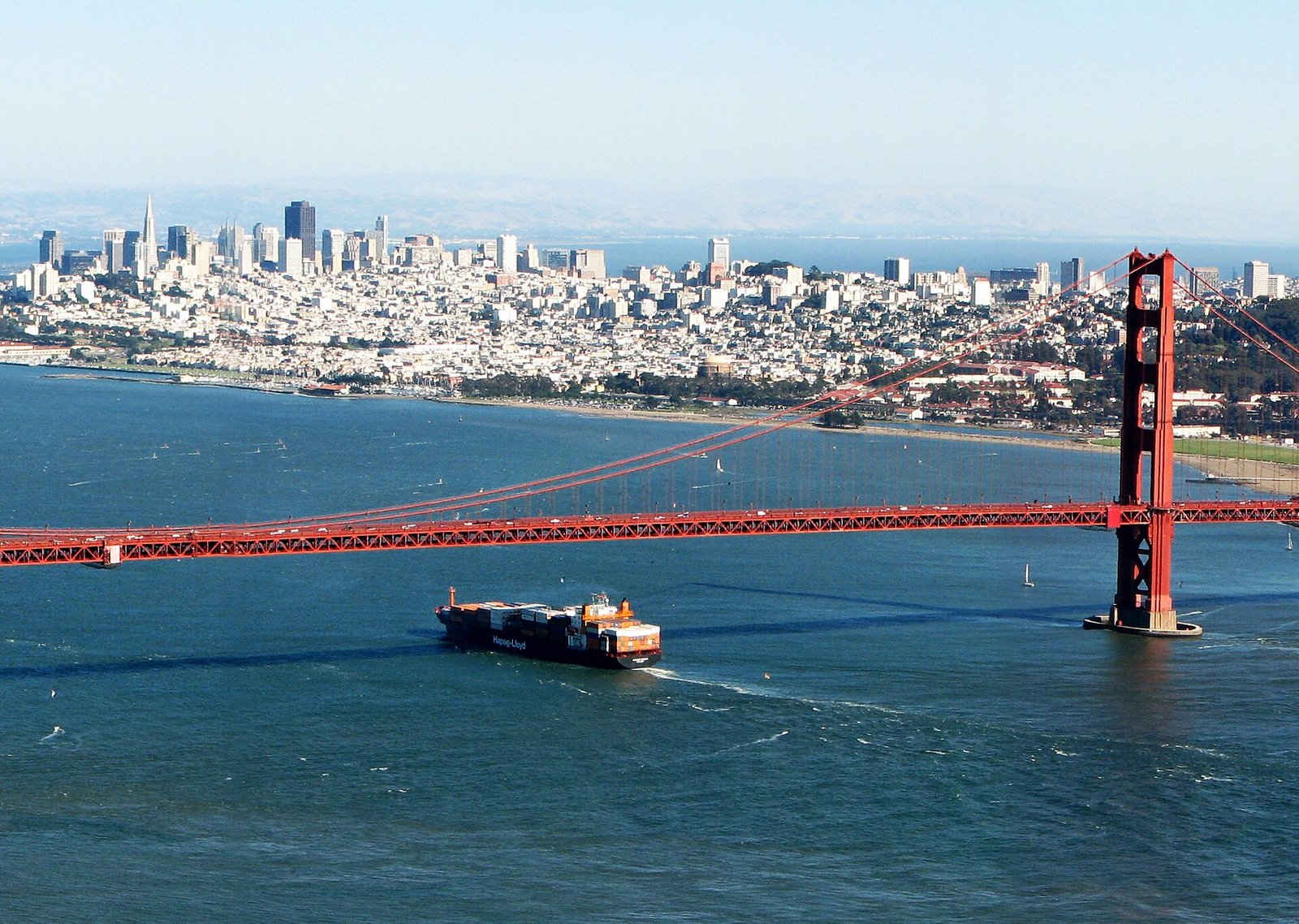
The Golden Gate Bridge and nearby Presidio reveal the bay, Pacific weather, military history, and changing coastal ecology. Allow 3–5 hours. Check wind and fog, walk or cycle only the desired section, and use official transit rather than leaving bags in a car. Pedestrian access and many Presidio spaces are free; bikes, parking, and special sites vary.. Confirm transport to Walk or cycle part of Golden Gate Bridge, then follow any San Francisco closure, barrier, or guide direction.
Explore North Beach, Chinatown, and the Embarcadero
North Beach, Chinatown, and the Embarcadero form a walkable history-and-food corridor when visited at street level. Allow 4–7 hours. Start near the waterfront, climb only the hills that matter, and choose researched restaurants rather than aggressive tourist pitches. Streets are free; food, museums, ferries, and Coit Tower arrangements add cost.. Explore North Beach, Chinatown, and the Embarcadero must fit the traveler’s ability and current San Francisco conditions; wildlife distances remain firm.
Spend an afternoon in the Mission or Golden Gate Park
Golden Gate Park offers museums, gardens, meadows, and ocean-side space across a much larger area than first-time maps imply. Allow 4–7 hours. Choose one major museum plus one garden or western section and verify closure days. Park access is free; major museums commonly cost US$20–40 before special exhibitions.. Before Spend an afternoon in the Mission or Golden Gate Park, verify San Francisco access, then assess the fitness demands and return connection for Spend an afternoon in the Mission or Golden Gate Park.
Mission District, Castro, and a hilltop park
The Mission and Castro combine murals, food, queer history, architecture, and panoramic parks in a compact cultural day. Allow 4–6 hours. Visit murals respectfully in daylight, protect belongings, and climb Dolores Park or another viewpoint before fog thickens. Neighborhood walking is free; guided walks, meals, and small museums vary.. For Mission District, Castro, and a hilltop park, let San Francisco access rules and staff instructions set the safe limit.
A PRACTICAL ROUTE
Suggested itinerary
Arrive and orient
Reach Union Square or Nob Hill edge, settle in near Union Square or Nob Hill edge, check bart hours, and orient only around the route to Reserve Alcatraz before arrival.
Reserve Alcatraz before arrival
Use the first full itinerary stage for reserve alcatraz before arrival. After Reserve Alcatraz before arrival, eat near Union Square or Nob Hill edge instead of adding a cross-San Francisco transfer.
Walk or cycle part of Golden Gate Bridge
Build the next itinerary stage around walk or cycle part of golden gate bridge, adding explore north beach, chinatown, and the embarcadero only if San Francisco access and the transfer from Union Square or Nob Hill edge remain practical.
A different side of the destination
Use North Beach or Marina or Cow Hollow to reach spend an afternoon in the mission or golden gate park with less backtracking. Keep an independent meal, rest, or indoor alternative.
Flexible priority and departure
Choose mission district, castro, and a hilltop park, repeat time near Union Square or Nob Hill edge, or recover Reserve Alcatraz before arrival after a weather delay. End the San Francisco route with a real buffer for luggage, traffic, security, and the San Francisco (SFO) or Oakland (OAK) connection.
REALISTIC BUDGET
Estimated travel costs
San Francisco costs move most with September–October or April–May, the location of Union Square or Nob Hill edge, and the choice between bart and private transfers. San Francisco’s dollar figures use August 1, 2026 reference rates; recalculate them before payment.
TRAVEL WELL
Practical travel tips
- Reserve authorized Alcatraz tickets early and avoid resale websites that obscure the actual operator.
- Carry layers every day; the waterfront can be far colder and windier than inland neighborhoods.
- Do not leave anything visible in a parked car, including for a few minutes at a viewpoint.
- Use transit inside the city and collect a rental car only when beginning an onward road trip.
- Plan for hills and verify step-free station, hotel, and attraction access when mobility matters.
- Check Muni and BART service notices before airport, evening, and weekend journeys.
- Keep phones controlled near vehicle lanes and choose researched blocks for late returns.
- Solo women should wait in active transit areas, verify app rides, and change route or vehicle when a block or passenger behavior feels wrong.
COMMON QUESTIONS
San Francisco travel FAQ
How many days do you need in San Francisco?
4–5 days is a realistic first-visit range for San Francisco. If 4–5 days is not possible, keep Union Square or Nob Hill edge and Reserve Alcatraz before arrival; extra San Francisco days should absorb recovery, weather, or reservation changes.
Is San Francisco expensive?
A practical daily planning range is US$120–210 budget; US$280–520 mid-range, per person. For San Francisco, room location, peak dates, private transport, permits, and guided access to Reserve Alcatraz before arrival drive the largest increases; compare full inclusions, not headline prices.
Do you need a car in San Francisco?
No for a normal city visit. BART, Muni, ferries, walking, and app rides are more useful, while parking cost and break-in risk make a car inconvenient.
When is San Francisco warmest?
September and October often bring sunnier, warmer city weather, but fog and wind remain possible. Carry a layer in every month.
Where should first-time visitors stay?
Union Square and Nob Hill edges are transit-friendly, North Beach has strong atmosphere, and the Marina suits bridge access. Check the exact block before booking.
What should you reserve first?
Book Alcatraz, peak rooms, special museum exhibitions, and priority restaurants first. Leave neighborhoods, parks, and bridge timing flexible around fog.
KEEP EXPLORING
Related The Wander Muse guides
PLAN WITH CURRENT INFORMATION
Official resources
Opening hours, fares, permits, weather rules, and transport arrangements in San Francisco can change. Recheck current San Francisco operating information below, especially before reserving Walk or cycle part of Golden Gate Bridge.