START HERE
Why visit Berlin
Berlin is a decentralized capital where twentieth-century history, major museums, contemporary art, nightlife, lakes, and everyday neighborhood life occupy a much larger area than a first glance suggests. It suits history enthusiasts, art and design travelers, solo visitors, families with older children, nightlife travelers, and repeat European city breakers. Four days cover the central monuments, Museum Island, Wall history, and one neighborhood; five or six allow deeper museums and a slower eastern or western district day. This guide explains Berlin’s seasons, airport and rail arrival, the zone-based transport system, accommodation areas, museum reservations, realistic euro costs, and an itinerary built along logical transit corridors. The main planning mistake is treating every famous landmark as walkable in one loop: Berlin requires public transport and thematic days more than a compact old-town checklist.
AT A GLANCE
Berlin quick travel summary
Berlin budgets below are planning ranges, not quotes. Fare zones, museum tickets, trade fairs, weekend accommodation, and exchange rates can change the total, so confirm current details before booking.
WHEN TO GO
Best time to visit
Spring (March–May)
March remains cold and changeable, while April and May bring blossoms, outdoor seating, and longer days. Easter and public holidays affect opening hours and rates. May is excellent for neighborhoods and parks. Carry layers and keep a museum alternative for rain.
Summer (June–August)
Summer brings long evenings, lakes, festivals, and busy visitor attractions. Heat waves are possible, while many buildings and transit vehicles may feel warmer than expected. Accommodation rises around major events. Reserve the Reichstag dome, headline museums, and popular tours; use parks or lakes only with safe swimming information.
Fall (September–November)
September often provides warm days and a full cultural calendar, while October and November become cooler, darker, and wetter. Prices vary with trade fairs and events. Early fall is strong for outdoor Wall routes and neighborhoods; later trips favor museums, concerts, and cafés.
Winter (December–February)
Winter is cold, gray, and occasionally snowy, with short daylight. Christmas markets bring crowds and seasonal atmosphere, while January and February can be quieter and cheaper. Museums, history sites, clubs, and performances support a rewarding trip. Wear insulated footwear and check holiday closures.
ARRIVING
How to get there
Berlin Brandenburg Airport connects with the city by regional trains, S-Bahn, buses, taxis, and private transfers. The correct fare zone and ticket depend on the destination; airport travel usually requires the zone that includes BER, so consult BVG or VBB rather than copying an old price. Validate paper tickets when required. Berlin Hauptbahnhof receives long-distance trains and connects with local rail, tram, bus, and U-Bahn services. Other stations such as Ostbahnhof, Südkreuz, and Gesundbrunnen may be more convenient for specific routes. Taxis use official ranks, while ride apps have designated rules. A rental car is unnecessary for the city and subject to parking and environmental-zone requirements. Leave substantial airport buffer because terminal walking and platform changes add time.
MOVING AROUND
Getting around
Berlin’s integrated network includes U-Bahn subway lines, S-Bahn urban rail, trams concentrated in the east, buses, ferries, and regional trains within the correct zones. Tickets are time- or trip-based rather than tied to a single vehicle, but validation and transfer rules matter. Compare day tickets with the Berlin WelcomeCard only after counting likely rides and attractions. Walking works within individual districts, while cycling suits confident riders on established routes. Night services are strong but change by weekday. A car is a burden in central areas. Travelers needing step-free access should check elevator outages in the official app, as a station advertised as accessible may temporarily lose its lift.
CHOOSE A BASE
Where to stay
Mitte — best for first-time history
Mitte places Museum Island, Brandenburg Gate, government sights, and multiple transit lines close together. It suits short visits and museum-focused travelers. Rooms are often expensive, restaurants around the most famous squares can feel generic, and nightlife requires travel. Choose the specific station rather than the broad district label.
Kreuzberg or Neukölln — best for food and nightlife
These large districts contain canals, markets, bars, galleries, and diverse food scenes. They suit younger travelers and repeat visitors. Atmosphere varies sharply by block, late noise is common, and reaching western sights takes time. Confirm the final nighttime route and do not assume every listing is close to the same U-Bahn line.
Prenzlauer Berg or Charlottenburg — best for calmer stays
Prenzlauer Berg offers residential streets, cafés, and trams; Charlottenburg provides western museums, shopping, and more traditional hotels. Both work for couples and families. Prenzlauer Berg is less central for Cold War sights, while Charlottenburg is farther from eastern nightlife. Strong transport access makes either manageable.
PLAN YOUR DAYS
Best things to do
Brandenburg Gate, Reichstag, and government quarter
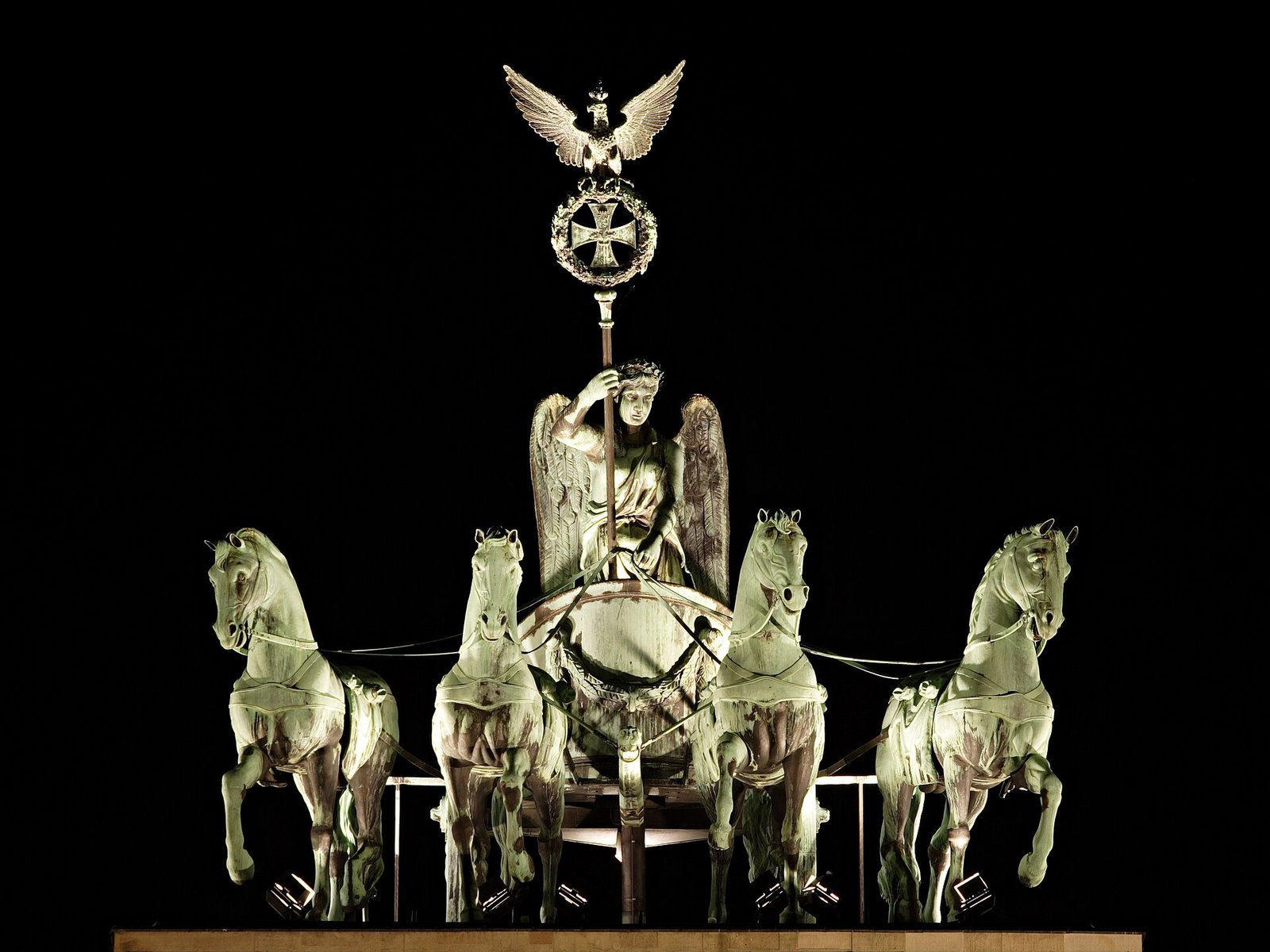
This cluster explains modern German state symbolism and the city’s former division. Allow three to four hours including a pre-booked Reichstag dome visit when available. Registration and identification rules apply, so use the official Bundestag system. Early morning or evening provides a calmer outdoor experience. Public monuments are free, while guided political tours vary.
Museum Island
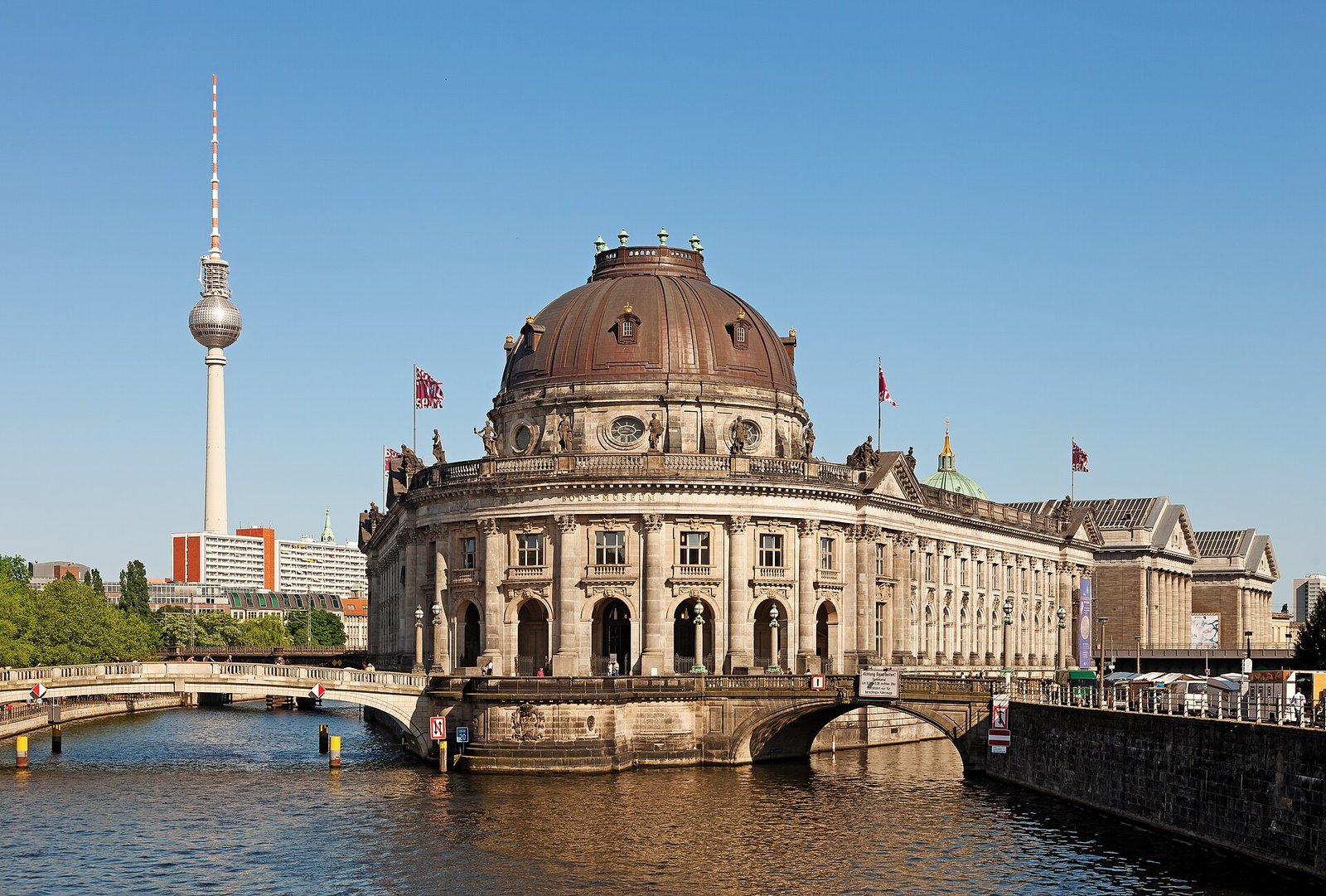
The island’s museums hold archaeology, art, architecture, and changing exhibitions, with individual buildings affected by long-term renovation. Choose one or two open museums for three to five hours, reserve timed entry where required, and check the current collection location. Trying to complete every museum in a day creates fatigue and poor retention.
Berlin Wall Memorial and East Side Gallery
The Berlin Wall Memorial on Bernauer Strasse provides serious historical interpretation, while the East Side Gallery preserves a long painted section in a very different setting. Visit them on separate transit-aware routes or allow half a day. Both are public and generally free. Treat memorial areas respectfully and do not climb or damage the wall.
Topography of Terror and Jewish Museum
These institutions address Nazi persecution, state violence, Jewish history, culture, and memory through demanding material. Allow two to three hours for one, with an emotional break before another major site. Admission policies and timed exhibitions vary. They suit mature visitors prepared to engage thoughtfully rather than as quick photo stops.
Neighborhood Berlin
Kreuzberg canals, Prenzlauer Berg streets, Tempelhof, Charlottenburg, or a lake district reveal how Berlin functions beyond monuments. Choose one area for half a day and follow its transport corridor. Markets and businesses have specific operating days. Support independent venues and avoid treating residential courtyards as unrestricted attractions.
A PRACTICAL ROUTE
Suggested itinerary
Government and central Berlin
Begin at Brandenburg Gate, use a reserved Reichstag time, walk the government quarter and Holocaust Memorial, and finish near Potsdamer Platz or Tiergarten.
Museum Island
Choose one major collection for the morning and a second smaller institution after lunch. Continue through Hackescher Markt or the Spree without adding a distant nightlife district.
Wall history
Visit the Berlin Wall Memorial in the morning, continue to a compatible Cold War site, and use East Side Gallery only if the transit route and energy remain sensible.
Kreuzberg or Neukölln
Spend a full neighborhood day with a market, canal walk, museum, or food route. Research operating days and keep the evening nearby.
Western Berlin and flexibility
Add Charlottenburg, a specialized museum, Tempelhof, or a lake in suitable weather. Maintain one flexible block for closures, exhibitions, or a deeper historical site.
REALISTIC BUDGET
Estimated travel costs
USD equivalents for Berlin are rounded planning comparisons where shown. For Berlin, check local tax, gratuity, accommodation fees, and cancellation terms before payment.
TRAVEL WELL
Practical travel tips
- Buy transit tickets for the correct zones and validate them when required. A ticket in hand may still be invalid if the system requires stamping.
- Reserve the Reichstag dome through the official Bundestag channel and carry the identification requested in the confirmation.
- Check State Museums Berlin for renovation and collection moves. Museum Island advice becomes outdated quickly.
- Berlin businesses often have more cash dependence than travelers expect. Carry euros while still using secure card payment where available.
- Nightlife door policies, photography rules, and consent norms should be respected. A long queue never guarantees admission.
- Memorials are not backdrops for playful photographs. Read the interpretation and behave with awareness of the people commemorated.
- Save BVG routes and elevator alerts offline. Construction and replacement buses can change an apparently simple journey.
- Solo female travelers should plan late-night routes, use populated platforms, watch drinks, and choose licensed taxis or verified rides when a final walk feels isolated.
COMMON QUESTIONS
Berlin travel FAQ
How many days do you need in Berlin?
Four days cover central history, Museum Island, Wall sites, and one neighborhood. Five or six days allow deeper museums, western Berlin, and a more realistic pace.
Is Berlin expensive?
Berlin is no longer a low-cost capital, but transport passes, casual food, free memorials, and parks keep it manageable. Event dates significantly affect rooms.
Do you need a car in Berlin?
No. The integrated rail, tram, bus, cycling, and walking network is far more practical. A car adds parking and environmental-zone requirements.
What is the best month to visit Berlin?
May, June, and September usually offer good outdoor conditions and long or useful daylight. Trade fairs and festivals can still raise prices.
Is the Berlin WelcomeCard worth it?
It can be useful for frequent transit and included discounts. Compare its zones, validity, and attractions with normal day tickets for the actual itinerary.
Is Berlin safe for solo female travelers?
Many women visit independently. Use ordinary big-city precautions, understand late-night transport, watch drinks, and follow current local advice for specific areas.
KEEP EXPLORING
Related The Wander Muse guides
CHECK BEFORE DEPARTURE
Sources and official resources
Schedules, fares, closures, and timed-entry systems affecting Berlin can change. Recheck the official resources below shortly before departure.