START HERE
Why visit Niagara Falls
Niagara Falls is one natural spectacle shared by two countries, with very different viewpoints and logistics on each side. The Canadian side provides the broad panoramic view and a dense visitor district; the U.S. side puts travelers close to the water through a state park and island paths. The destination suits families, first-time North America visitors, couples, photographers, and road trippers, but it rewards more than a quick bus stop. Two days cover the core experiences on both sides if border rules permit, while three allow weather flexibility, Niagara-on-the-Lake, or quieter trails. This guide explains seasons, airports, border planning, local transport, accommodation areas, ticketed attractions, realistic costs, and an efficient route. The critical decision is whether to cross the international border: passport, visa or authorization, rental-car permission, wait times, and opening rules must be confirmed for every traveler before the itinerary is finalized.
AT A GLANCE
Niagara Falls quick travel summary
Niagara Falls budgets below are planning ranges, not quotes. For Niagara Falls, exchange rates, taxes, seasonal demand, event dates, and operator terms can change the final amount, so confirm current details before booking.
WHEN TO GO
Best time to visit
Spring (March–May)
Early spring can be cold, wet, and icy near the gorge, while May becomes greener with more seasonal attractions operating. Crowds and hotel prices are usually below summer peaks outside holidays. Water spray makes paths feel colder than the forecast. Check which boats, trails, and elevators have reopened after winter before booking a specific experience.
Summer (June–August)
Warm weather and full attraction schedules make summer the busiest and most expensive season. Viewpoints, border crossings, roads, and restaurants can be crowded from late morning through evening. Reserve central accommodation and major timed experiences, start at sunrise or opening time, and expect to get wet. Thunderstorms can interrupt exposed activities.
Fall (September–November)
September and early October offer pleasant temperatures, changing foliage, and somewhat lighter crowds after school resumes. Prices can remain high on weekends and during fall-color periods. Boat and seasonal attraction schedules reduce later in autumn, so verify final operating dates. This is an excellent time for the park, Niagara Parkway, and regional wine country.
Winter (December–February)
Mist can freeze into dramatic ice formations, holiday lights add atmosphere, and accommodation may be cheaper outside celebrations. The trade-offs are cold, slippery surfaces, short daylight, and closure of many water-level experiences. Dress for wind and spray, confirm path access, and favor viewpoints, indoor attractions, and a flexible schedule.
ARRIVING
How to get there
Buffalo Niagara International Airport is often the closest major airport for the U.S. side and can also serve cross-border trips when entry and rental rules permit. Toronto Pearson offers many international flights but is substantially farther from the falls; driving conditions and Greater Toronto traffic can make the journey take two hours or more. Regional rail and bus services reach both Niagara Falls, Ontario, and Niagara Falls, New York, with seasonal frequency and different station locations. Book only after confirming the final transfer to the hotel. A private shuttle, rental car, or organized transfer is easiest with luggage; bus and rail can be cheaper but require more schedule planning. Never assume a rental vehicle may cross the border—obtain written confirmation from the company and carry the required personal documents.
MOVING AROUND
Getting around
The main Canadian viewpoints and many attractions line the Niagara Parkway and are connected by WEGO bus service; official day passes can be useful when the hotel is not directly beside the falls. Walking is practical within each central side, but slopes, spray, crowds, and winter ice matter. On the U.S. side, Niagara Falls State Park paths and seasonal shuttles connect islands and overlooks. Crossing Rainbow Bridge on foot can be efficient when border conditions and personal documents allow, but every crossing remains an international entry process. Taxis and ride apps do not always operate seamlessly across the border. A car helps for Niagara-on-the-Lake, wineries, or regional parks but creates parking expense near the falls. Check accessibility details for elevators and gorge paths individually.
CHOOSE A BASE
Where to stay
Fallsview, Ontario — best for first-time panorama
Fallsview hotels can provide broad views and easy access to major Canadian attractions. The area suits short stays, couples, and travelers who prioritize evening illumination. Rooms, parking, restaurant prices, and destination fees can be high, and a “falls view” category varies by property. Confirm the exact room description before paying a premium.
Clifton Hill or central Niagara Falls, Ontario — best for families and convenience
This lively district puts restaurants, family attractions, and walking routes close together, often at a lower price than premium Fallsview rooms. It is convenient but bright, busy, and commercial, with noise lasting into the evening. Choose it for entertainment access rather than a quiet nature retreat.
Niagara Falls, New York — best for state-park access and U.S. itineraries
Staying on the U.S. side makes early access to Niagara Falls State Park straightforward and avoids a border crossing for travelers remaining in the United States. The urban hotel selection and evening atmosphere differ from the Canadian side. It suits road trippers, U.S.-based families, and visitors who value close water-level viewpoints over skyline panoramas.
PLAN YOUR DAYS
Best things to do
Table Rock and Horseshoe Falls viewpoints
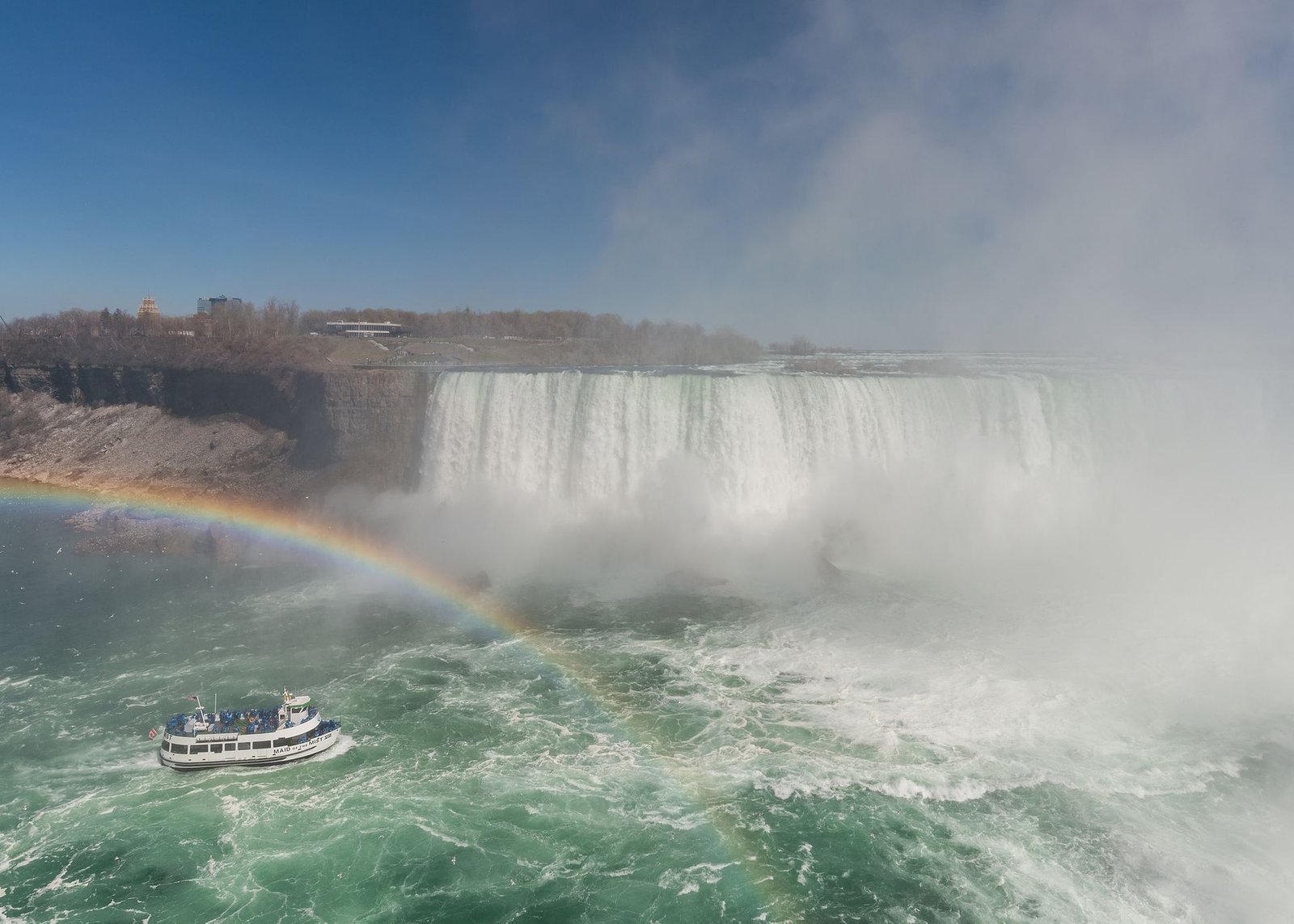
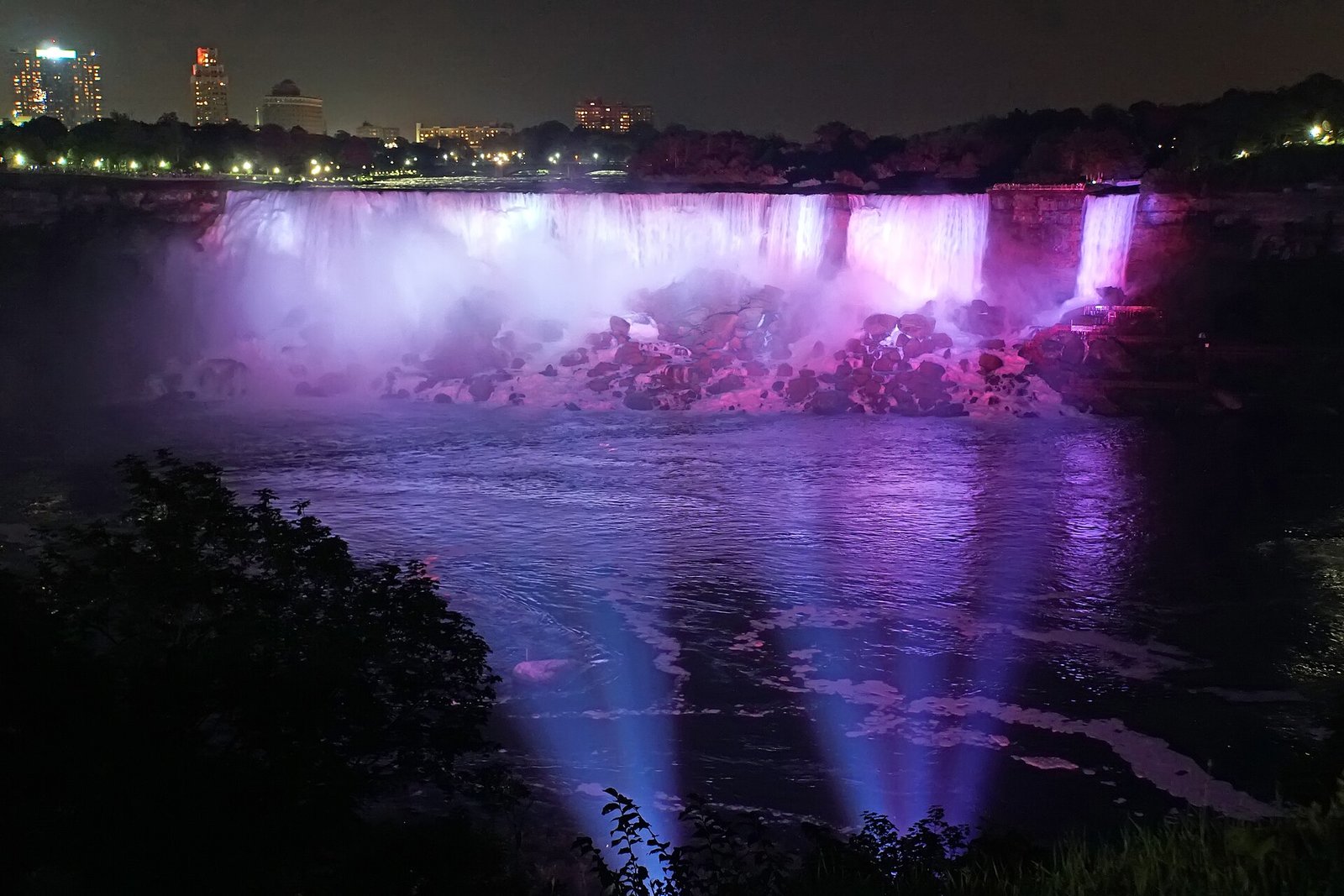
The promenade by Table Rock gives the classic close Canadian view of Horseshoe Falls. Allow 60–90 minutes for the main overlooks, longer with an attraction or meal. Sunrise and early morning are quietest; evening adds illumination when scheduled. Public viewpoints are free, but parking and nearby experiences cost extra. Spray is intense in some wind directions, so protect cameras and phones.
Journey Behind the Falls
Tunnels and observation areas bring visitors near the base and edge of Horseshoe Falls. The experience typically needs 60–90 minutes including queues. Timed admission is wise during peak periods, and ponchos do not keep every item dry. It suits first-time visitors comfortable with enclosed passages, noise, wet surfaces, and elevators; verify accessibility directly.
Niagara Falls State Park and Cave of the Winds
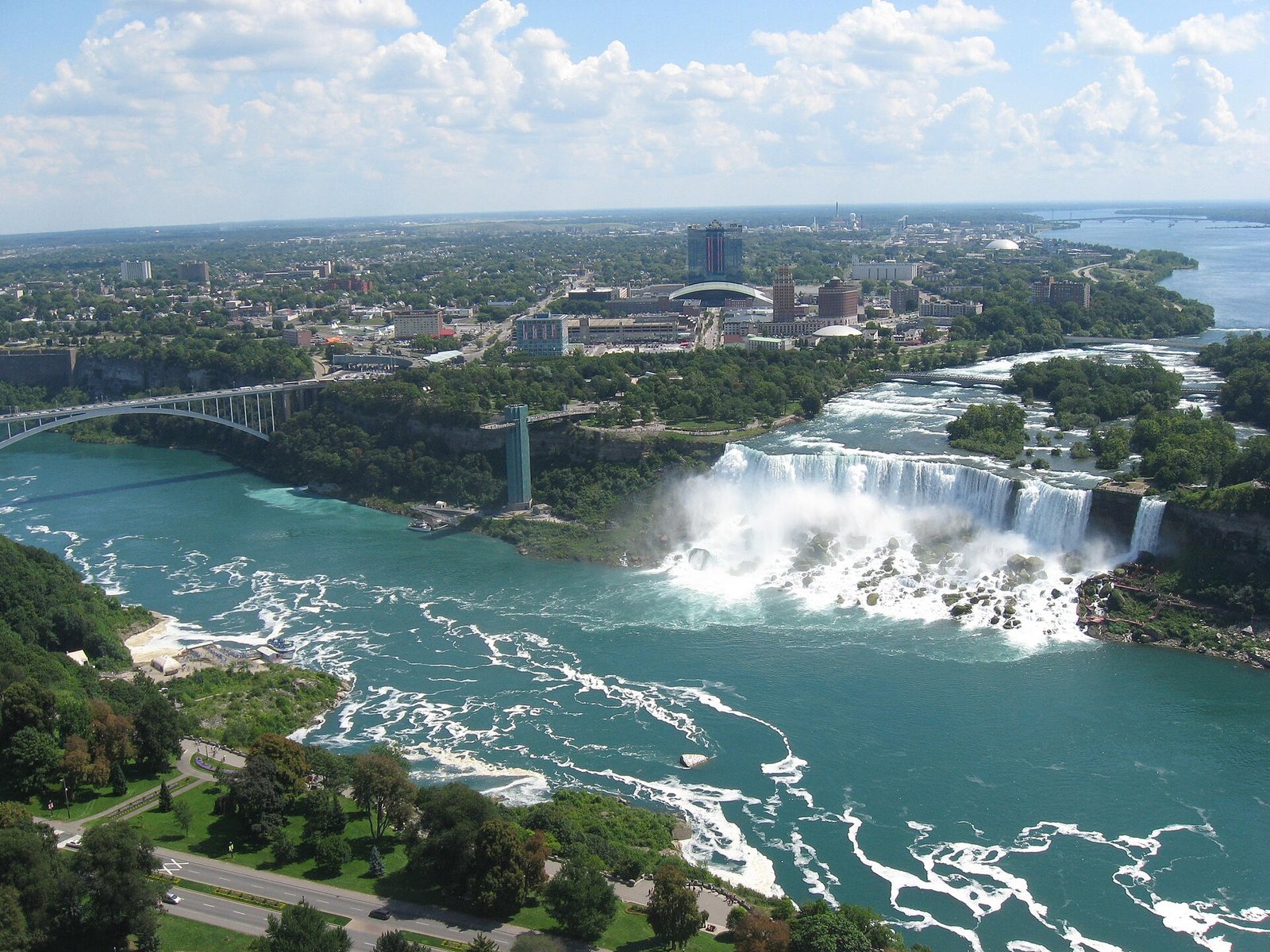
The U.S. park offers Goat Island, close viewpoints, and seasonal access near Bridal Veil Falls. Spend two to three hours for the park, more with Cave of the Winds. Arrive early and use official parking information. Water-level decks are wet and may be seasonal. This side is especially rewarding for travelers who want proximity rather than a single panoramic photograph.
Boat experience
Seasonal boats approach the falls from both countries under different operators and entry arrangements. The ride itself is short, but check-in and queues can make the activity take 90 minutes or more. Reserve a suitable time in summer, secure valuables, and expect heavy spray. Travelers with mobility, sensory, or motion concerns should review operator details before purchase.
Niagara Parkway or Niagara-on-the-Lake
The river route north adds rapids, historic sites, gardens, and a quieter town atmosphere. Allow half to a full day with a car, tour, or suitable seasonal transport. Winery visits require reservations and a sober driver or organized transport. This extension is best on a third day rather than compressed between the main falls viewpoints.
A PRACTICAL ROUTE
Suggested itinerary
Canadian panorama
Start at Table Rock before tour groups, walk the parkway viewpoints, and book Journey Behind the Falls for a defined time. Rest before returning for illumination, checking the official schedule first.
U.S. park and water-level experience
Cross only with the required documents, then explore Goat Island and the U.S. state park. Add Cave of the Winds or a boat trip, not every wet attraction in one short block.
Niagara River region
Drive or join a tour along the parkway toward Niagara-on-the-Lake, stopping selectively at official viewpoints or historic sites. Keep border and airport travel outside this already full day.
REALISTIC BUDGET
Estimated travel costs
USD equivalents for Niagara Falls are rounded planning comparisons where shown. For Niagara Falls, check local tax, gratuity, accommodation fees, and cancellation terms before payment.
TRAVEL WELL
Practical travel tips
- Treat any border crossing as formal international travel. Verify passport, visa or authorization, child documentation, customs rules, and re-entry rights.
- Waterproof phone protection and shoes with traction are more useful than an umbrella close to the falls. Expect spray even on clear days.
- Book the experience that changes your perspective most; multiple wet attractions can feel repetitive and consume the best daylight.
- Hotel “falls view” labels vary. Study the room category and recent guest photographs rather than assuming every room faces Horseshoe Falls.
- Cards are widely accepted on both sides, but currencies are different and dynamic currency conversion can be poor value. Pay in the local currency.
- Opening dates for boats, decks, trails, and shuttles change with ice and weather. Check official operators shortly before travel.
- Weekend evenings and holidays bring traffic and long restaurant waits. Walk or use transit in the core and reserve dinner if timing matters.
- Solo female travelers should use official, lit paths, avoid isolated gorge trails late in the day, and confirm the return transport before a cross-border evening.
COMMON QUESTIONS
Niagara Falls travel FAQ
How many days do you need at Niagara Falls?
Two days are ideal for the main Canadian and U.S. viewpoints when border access is possible. A third day allows Niagara-on-the-Lake, weather flexibility, or a slower family pace.
Which side of Niagara Falls is better?
The Canadian side has the broadest panorama and dense visitor facilities. The U.S. side offers closer park and island viewpoints. The best choice depends on documents, transport, budget, and preferred experience.
Do you need a passport to visit both sides?
Yes, crossing between Canada and the United States is an international border process. Exact passport, visa, authorization, and child-document requirements depend on citizenship and status.
What is the best month to visit Niagara Falls?
June and September usually balance operating attractions with comfortable weather. July and August have the fullest schedules but also the largest crowds and highest prices.
Can you visit Niagara Falls without a car?
Yes, if staying near the central viewpoints and using WEGO, walking, shuttles, and regional transfers. A car is more useful for airports, Niagara-on-the-Lake, or rural stops.
Is Niagara Falls accessible in winter?
The main destination remains open, but ice, snow, short daylight, and seasonal attraction closures change the experience. Confirm paths, elevators, transport, and weather shortly before travel.
KEEP EXPLORING
Related The Wander Muse guides
CHECK BEFORE DEPARTURE
Sources and official resources
Schedules, fares, closures, and timed-entry systems affecting Niagara Falls can change. Recheck the official resources below shortly before departure.