START HERE
Why visit Washington, DC
Washington, DC rewards travelers who plan beyond a rapid monument checklist. The National Mall and Smithsonian museums provide an exceptional concentration of history, art, and science, while Capitol Hill, Georgetown, Dupont Circle, and the waterfront give the trip distinct neighborhood rhythms. The city suits first-time U.S. visitors, families, history enthusiasts, solo travelers, and budget-conscious museum lovers because many major institutions charge no admission. Four days cover the core; five or six reduce museum fatigue and create space for Arlington or a slower neighborhood day. This guide organizes the monuments, timed-entry sites, transport choices, accommodation areas, and realistic costs into a practical route. The most important constraint is security and reservation time: official buildings and popular museums can require advance tickets, identification, and airport-style screening, so verify each site before travel.
AT A GLANCE
Washington, DC quick travel summary
Washington, DC budgets below are planning ranges, not quotes. For Washington, DC, exchange rates, taxes, seasonal demand, event dates, and operator terms can change the final amount, so confirm current details before booking.
WHEN TO GO
Best time to visit
Spring (March–May)
Cherry blossom season brings cool-to-mild weather, flowering parks, and some of the year’s largest crowds. Hotel prices rise around the peak bloom window, which cannot be predicted precisely months ahead. Visit the Tidal Basin early on a weekday and use later hours for museums. Rain and sudden temperature changes are common, so pack layers and keep timed reservations realistic.
Summer (June–August)
Summer is hot, humid, and busy with family travel. Accommodation can be less expensive on some weekends, but major museums remain crowded and afternoon thunderstorms are possible. Start outdoor monuments early, rest indoors around midday, and carry water. This period works for travelers tied to school holidays, but it is less comfortable for long Mall walks or anyone sensitive to heat.
Fall (September–November)
September and October offer comfortable walking weather, changing foliage, and a full cultural calendar. Crowds generally ease after summer, although conferences and school groups can affect rates. Outdoor memorials, Georgetown, and Rock Creek Park are especially pleasant. Reserve White House, Capitol, and popular museum access as early as their official systems allow.
Winter (December–February)
Cold weather and occasional snow reduce outdoor comfort, yet winter often means lighter crowds and better hotel value outside holidays and major political events. Museums, the Library of Congress, and performing arts can anchor the itinerary. Short daylight hours make it important to group nearby memorials. Check federal operating status if severe weather is forecast.
ARRIVING
How to get there
Ronald Reagan Washington National Airport (DCA) is closest and has a direct Metrorail connection, making it the easiest airport for many domestic arrivals. Washington Dulles (IAD) connects to the city on the Silver Line; allow roughly an hour or more depending on the final station. Baltimore/Washington International (BWI) can be economical, but reaching central DC usually requires a shuttle to the rail station followed by MARC or Amtrak, or a longer road transfer. Union Station receives Amtrak and regional trains from cities including New York, Philadelphia, and Boston and sits on the Red Line. Compare the complete travel time, baggage needs, and late-night service before choosing an airport. Buy rail tickets through official operators and check weekend engineering work on Metro shortly before departure.
MOVING AROUND
Getting around
Metrorail is the backbone for longer journeys, with Metrobus filling neighborhood gaps. Fares vary by distance and time; use a SmarTrip card or supported mobile wallet and consult WMATA for current prices. Walking works well within the National Mall, but the distance from the Capitol to the Lincoln Memorial is much greater than it appears on a map. Capital Bikeshare can shorten flat, protected portions for confident riders. Circulator service has changed over time, so do not rely on old route advice. A rental car is unnecessary and parking near federal sites is limited. Taxis and ride apps are useful after evening performances or for travelers with mobility needs, but road closures can cause detours. Check elevator outages if step-free access is important.
CHOOSE A BASE
Where to stay
Penn Quarter or Downtown — best for first-time visitors
This central base is convenient for the National Mall, several museums, theaters, and multiple Metro lines. It minimizes travel on a short stay and works well for families. The drawbacks are business-district atmosphere, high weekday rates during conferences, and limited neighborhood character on some blocks.
Dupont Circle — best for restaurants and balanced access
Dupont offers cafés, embassies, bookstores, and a lived-in city feel while remaining a quick Metro ride from the Mall. It suits couples, solo travelers, and repeat visitors. Rooms can be compact or expensive, and not every property is equally close to an accessible station entrance.
Capitol Hill or Navy Yard — best for neighborhood calm or waterfront evenings
Capitol Hill has historic streets and easy access to the Capitol and Eastern Market; Navy Yard adds newer hotels, riverfront paths, and ballpark energy. Both work for longer stays. Weekend games and events can raise prices, and reaching western memorials takes more time than from downtown.
PLAN YOUR DAYS
Best things to do
National Mall and memorials
The Mall connects the Capitol, Washington Monument, Lincoln Memorial, and major war memorials across a monumental landscape. Allow three to four hours for a purposeful walk, not including museums. Sunrise or early evening provides cooler conditions and fewer tour groups. Outdoor memorials are generally free and do not require reservations, but temporary closures and events occur. The route suits nearly every first-time visitor; comfortable shoes are essential.
Smithsonian museums
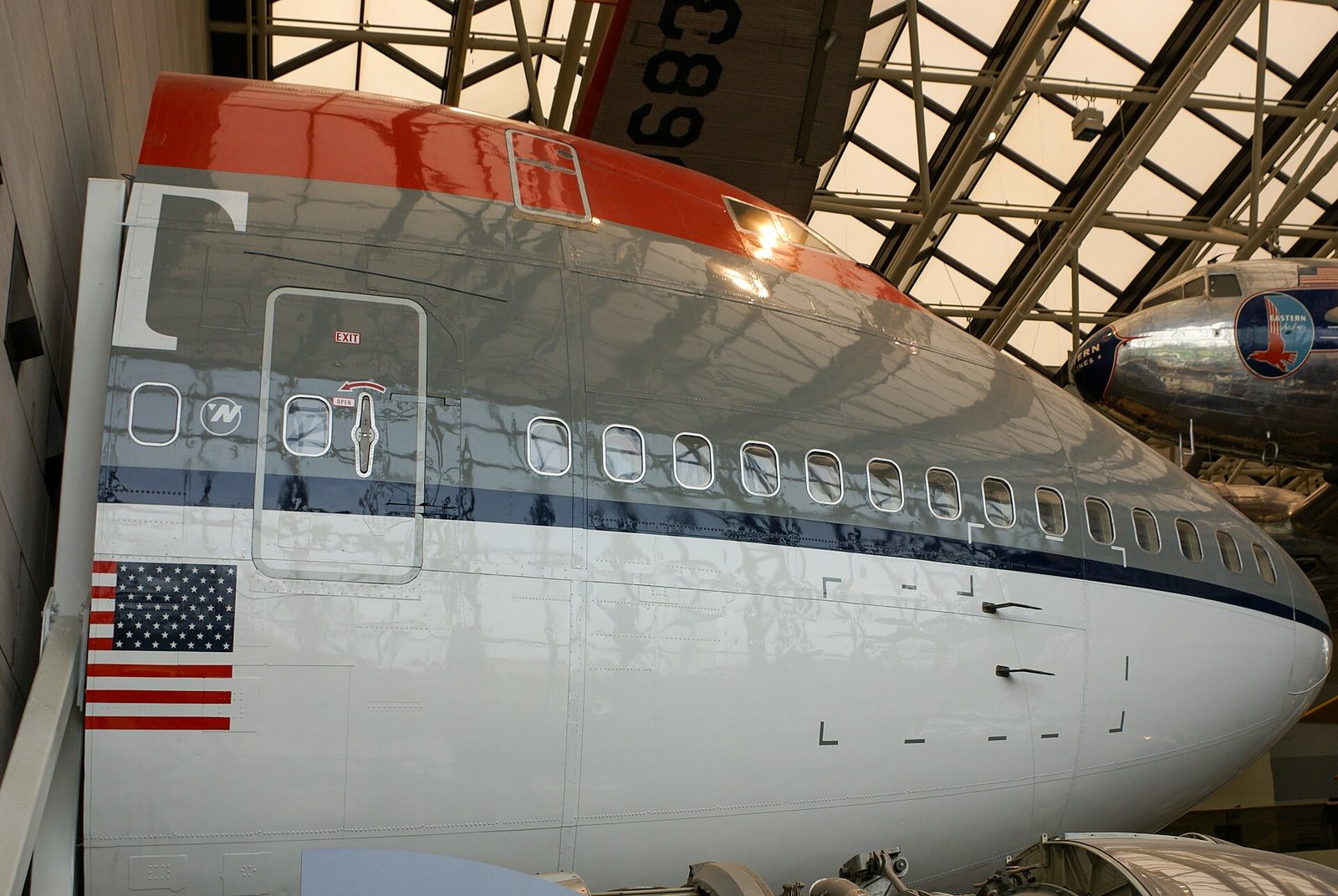
The Smithsonian’s museums cover air and space, natural history, American history, art, African American history, and more. Admission is generally free, but some locations use timed-entry passes. Plan one large museum or two smaller ones per day and allow two to four hours each. Weekday opening time is best for popular galleries. Families should choose collections by interest instead of attempting every institution.
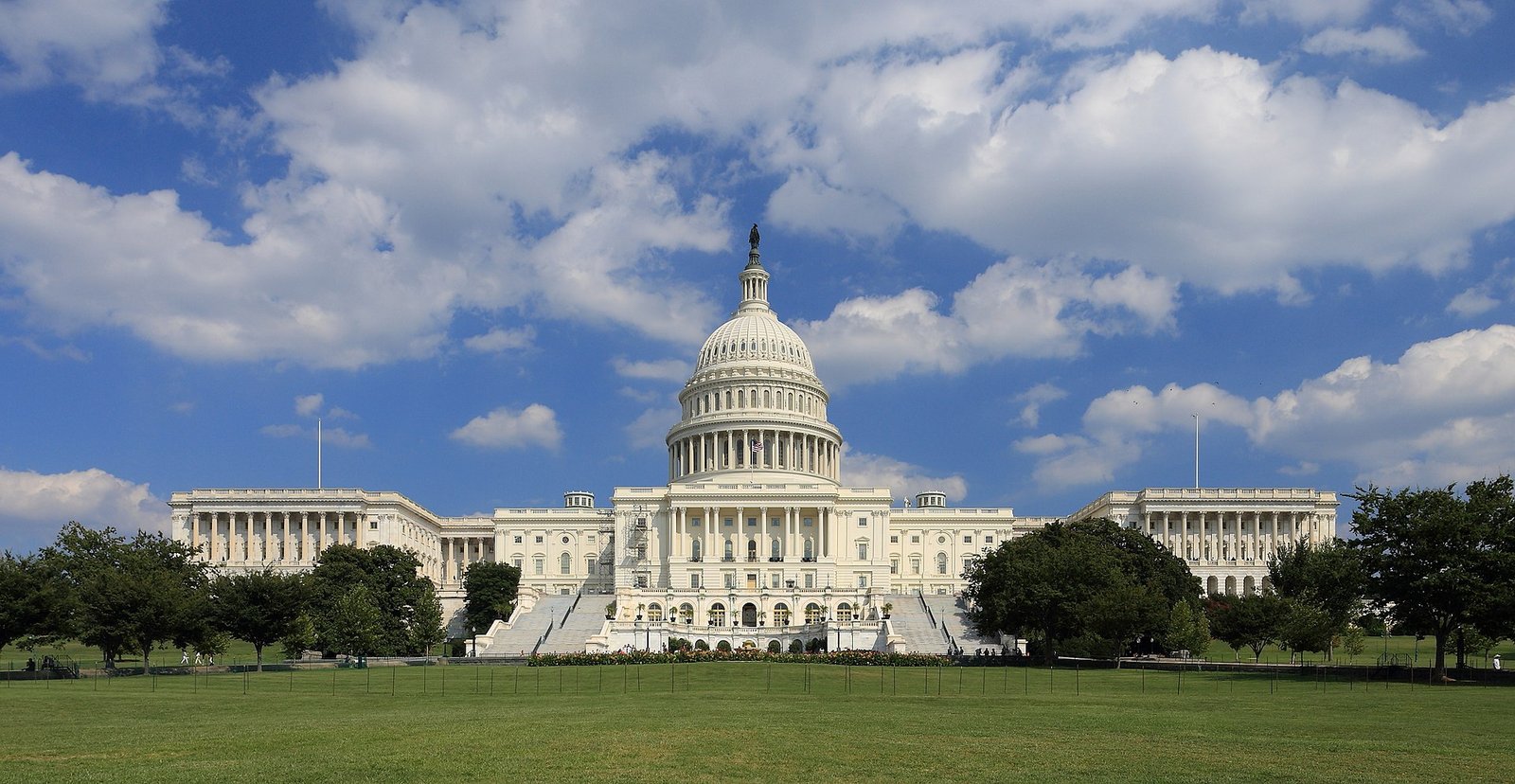
U.S. Capitol and Library of Congress
These neighboring buildings offer architecture, civic history, and major exhibitions in an efficient half day. Official tours and entry systems can require advance reservations and security screening; bring accepted identification and avoid prohibited items. Allow two to three hours plus queues. Morning appointments leave room for Eastern Market or the Botanic Garden afterward.
National Gallery of Art
The West Building, East Building, sculpture garden, and temporary exhibitions can fill half a day, while a highlights visit takes about two hours. Admission is free. Arrive near opening on rainy weekends and check which entrances or galleries are operating. It is ideal for art enthusiasts and provides a calmer alternative to the busiest Smithsonian halls.
Georgetown and the waterfront
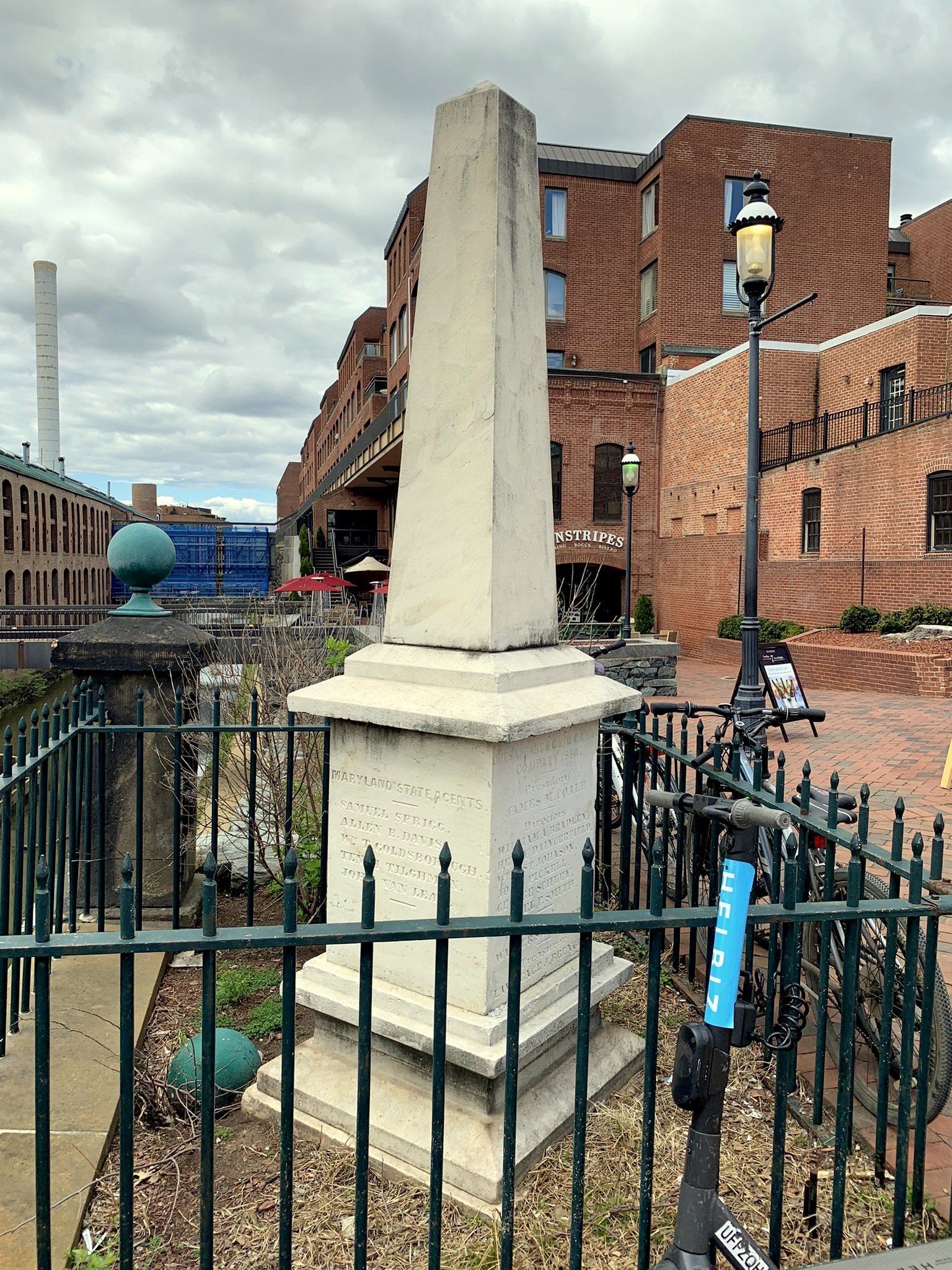
Georgetown’s historic streets, canal, university setting, shops, and Potomac waterfront show a different side of the capital. Allow three to four hours, longer with a meal. The neighborhood lacks a Metrorail station, so arrive by bus, taxi, bike, or a walk from Foggy Bottom. Weekday mornings are quieter; evenings suit dining but can be congested.
A PRACTICAL ROUTE
Suggested itinerary
Mall orientation
Start at the Capitol end, visit one reserved federal site, then walk west through selected memorials. Time sunset for the Lincoln Memorial and use Metro or a taxi back rather than retracing the entire Mall.
Smithsonian focus
Choose one major Smithsonian museum for the morning and a second compatible collection after lunch. Add the National Gallery sculpture garden or a short Pennsylvania Avenue walk, not another distant neighborhood.
White House area and Dupont
See the White House exterior or attend an approved tour if secured, visit a nearby museum, then continue north to Dupont Circle for bookstores, embassies, and dinner.
Arlington and Georgetown
Visit Arlington National Cemetery early with appropriate dress and behavior, return across the Potomac, and spend the afternoon in Georgetown and along the waterfront.
Neighborhoods and deeper collections
Add Capitol Hill and Eastern Market, the National Zoo, a specialized museum, or Rock Creek Park. Keep one flexible half day for a timed-entry pass, weather change, or an institution that deserves longer.
REALISTIC BUDGET
Estimated travel costs
USD equivalents for Washington, DC are rounded planning comparisons where shown. For Washington, DC, check local tax, gratuity, accommodation fees, and cancellation terms before payment.
TRAVEL WELL
Practical travel tips
- Reserve timed Smithsonian entries and official-building tours only through their authorized systems; avoid resellers implying guaranteed federal access.
- Security screening is common. Carry as little as possible and review prohibited-item rules for each government building.
- The Mall is long and exposed. Use sunscreen and water in summer, and do not schedule distant museums back-to-back without transit.
- Cherry blossom dates vary with weather. Book flexible plans and follow the National Park Service bloom updates rather than a fixed historical date.
- Cards are widely accepted. Keep a small cash backup for markets and tipping, and remember that displayed restaurant prices may exclude tax and gratuity.
- Weekend Metro work can lengthen journeys. Check WMATA alerts and elevator status each morning, especially when accessibility matters.
- Most federal museums have their own schedules and may close on specific holidays; verify opening hours shortly before the visit.
- Solo female travelers generally find central tourist areas manageable, but should use well-lit routes after dark and verified transport when returning from quiet waterfront or park areas.
COMMON QUESTIONS
Washington, DC travel FAQ
How many days do you need in Washington, DC?
Four days cover the Mall, major memorials, selected Smithsonian museums, and one neighborhood. Five or six days reduce museum fatigue and make room for Arlington, Georgetown, or specialized collections.
Are Washington, DC museums free?
Many Smithsonian museums and the National Gallery are free, although some require timed passes. Private museums, tours, performances, and special experiences may charge admission.
Do you need a car in Washington, DC?
No. Metro, buses, walking, bike share, taxis, and ride apps cover the core. Parking and road closures usually make a car inconvenient for a central itinerary.
Which airport is best for Washington, DC?
DCA is closest and easiest by Metro. IAD serves many international routes and has Silver Line service. BWI can be cheaper but usually takes longer door to door.
When should you visit for cherry blossoms?
Peak bloom often occurs between late March and early April, but weather determines the exact dates. Follow current National Park Service forecasts and expect high accommodation demand.
Is Washington, DC safe for solo female travelers?
Many women travel alone in the city. Stay aware around quiet office districts and parks after dark, use populated Metro entrances, and choose verified transport for late returns.
KEEP EXPLORING
Related The Wander Muse guides
CHECK BEFORE DEPARTURE
Sources and official resources
Schedules, fares, closures, and timed-entry systems affecting Washington, DC can change. Recheck the official resources below shortly before departure.