START HERE
Why visit Glacier National Park
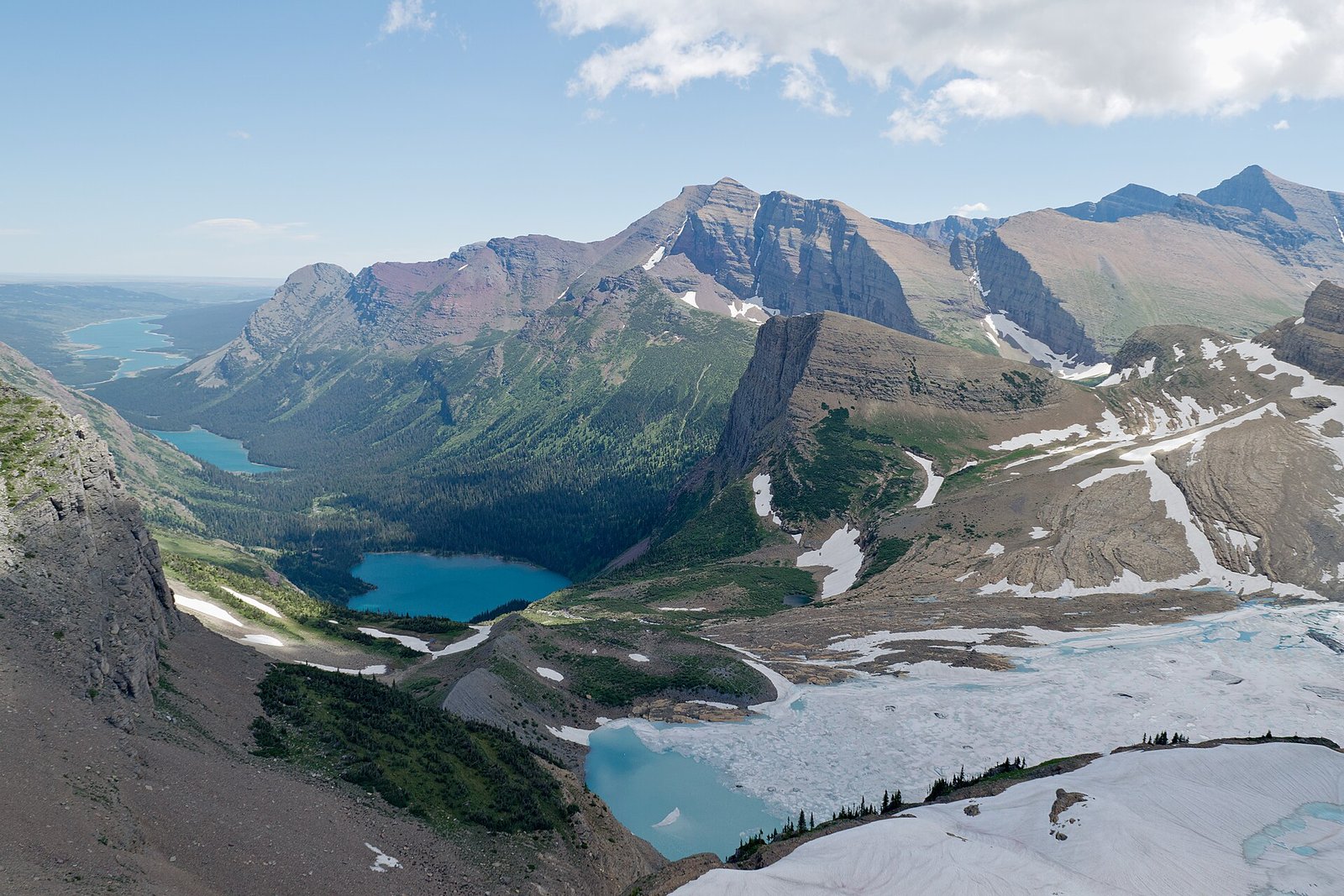
Glacier National Park is a large alpine landscape divided by mountains, long roads, and limited seasonal access—not a single viewpoint that can be covered from one parking lot. It suits hikers, wildlife watchers, photographers, families, and road trippers prepared to reserve lodging early and adjust to weather. Four days provide a useful west-to-east introduction; six or seven allow Many Glacier, Two Medicine, and slower trail days. This guide explains gateway airports, Going-to-the-Sun Road logistics, the changing 2026 shuttle system, the best bases, wildlife safety, realistic costs, and an itinerary that limits repeated mountain crossings. The central planning lesson is that annual access rules change: in 2026 vehicle reservations are not required, while selected Logan Pass shuttle services use tickets and parking is limited, so every traveler must check the current NPS plan rather than reuse advice from an older season.
AT A GLANCE
Glacier National Park quick travel summary
Glacier National Park budgets below are planning ranges, not quotes. Seasonal road access, reservation requirements, gateway-town demand, and tour availability can change the total, so confirm current details before booking.
WHEN TO GO
Best time to visit
Spring (April–June)
Lower valleys thaw while high trails and Going-to-the-Sun Road remain snowbound or partly open. Crowds and prices are lower, but access is unpredictable and many services are closed. May and June suit lake walks, waterfalls, and cycling on road sections before vehicle opening when officially permitted. Check avalanche, bear, road, and construction notices daily.
Summer (July–August)
Summer offers the widest road, trail, lodge, and boat access, along with the largest crowds and highest prices. Parking fills early and wildfire smoke may affect air quality. Reserve lodging, camping, and any ticketed shuttle or tour well ahead. Begin hikes early, carry bear spray correctly, and avoid treating drive times as fixed.
Early fall (September–October)
September often combines open high-country routes with cooler weather and fewer families, although services begin reducing and snow can arrive suddenly. Wildlife activity requires extra awareness. Room prices may soften after peak dates. October brings major closures and short daylight. Verify fuel, food, boats, shuttles, and lodging rather than assuming summer operations continue.
Winter (November–March)
Winter is quiet, snowy, and largely self-supported. Most high roads are closed, services are minimal, and avalanche conditions affect backcountry plans. Lower areas can support snowshoeing or cross-country travel for prepared visitors. This season is unsuitable for a first-time classic road itinerary unless winter recreation is the specific goal.
ARRIVING
How to get there
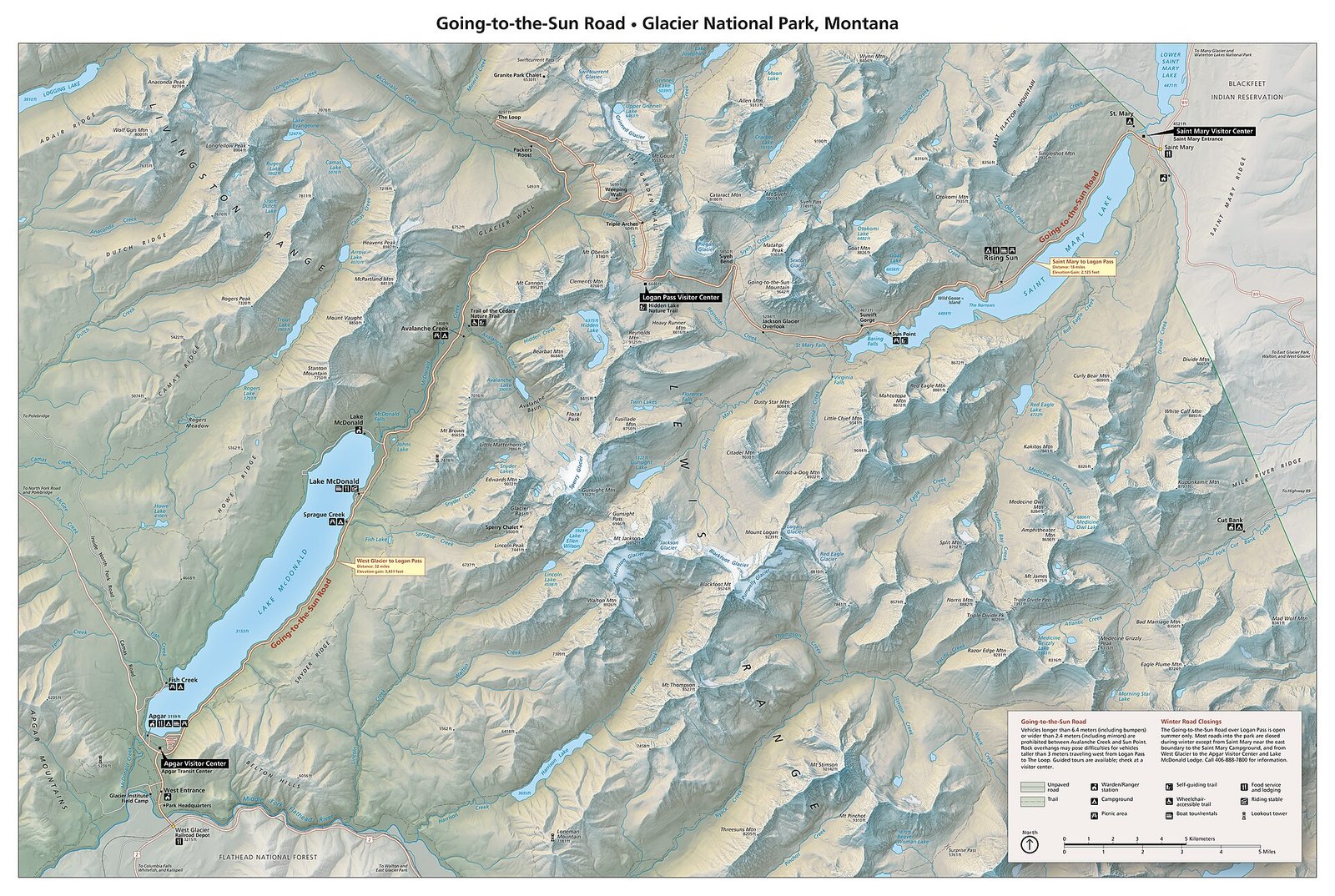
Glacier Park International Airport near Kalispell is the closest commercial airport to the west side, followed by a rental-car or arranged transfer. Amtrak’s Empire Builder serves gateway communities including West Glacier and East Glacier Park on published schedules, but onward transport and seasonal lodging must be confirmed. Calgary and other regional airports can support wider road trips, subject to international-border rules. Glacier’s entrances are far apart, and roads around the park do not function as a quick loop. West Glacier to St. Mary may take several hours even when Going-to-the-Sun Road is fully open; closures require a much longer route around the park. Fuel before remote sections, download maps, and avoid planning a long mountain crossing on the same day as a fixed flight.
MOVING AROUND
Getting around
A rental car is the most flexible option because park districts, trailheads, food, and lodging are widely separated. Seasonal shuttles serve portions of Going-to-the-Sun Road, but the system changes annually. For 2026, NPS announced ticketed service to Logan Pass and limited three-hour parking there, while vehicle reservations are not required. Tickets are not sold inside the park, and cell service is unreliable, so save confirmation before arrival. Red buses and commercial tours operate separately. Parking at popular areas can close temporarily when full. Bicycles face steep grades, narrow roads, and seasonal restrictions. Travelers needing accessible transport should study vehicle lifts, stop conditions, and trail surfaces directly with NPS.
CHOOSE A BASE
Where to stay
Apgar, West Glacier, or Lake McDonald — best for first-time west-side access
These bases work well for airport arrivals, Lake McDonald, and the western Going-to-the-Sun corridor. They suit first visits and families. Demand is extremely high, food choices are limited inside the park, and reaching Many Glacier requires a long journey. Book early and confirm whether the room includes cooking or meal access.
St. Mary — best for east-side road access
St. Mary sits near the eastern end of Going-to-the-Sun Road and supports sunrise starts toward Logan Pass. It suits road trips crossing the park. Services are seasonal and accommodation is limited, while wind and weather can be intense. Confirm closing dates and fuel availability.
Many Glacier or nearby east-side communities — best for hiking
Many Glacier provides access to some of the park’s strongest lake and alpine trails. Staying nearby avoids a long morning drive and suits serious hikers. Rooms and campsites are scarce, road conditions change, and dining is limited. Vehicle entry may pause when capacity is reached even without a reservation system.
PLAN YOUR DAYS
Best things to do
Going-to-the-Sun Road
The cross-park road is an engineering landmark with lake, forest, and alpine views, but it is narrow, weather-sensitive, and fully open only seasonally. Allow most of a day with stops rather than treating it as a quick transfer. Check road status, vehicle-size restrictions, parking rules, and shuttle access. Drivers uncomfortable with heights should consider a tour or shuttle.
Logan Pass and Hidden Lake area
Logan Pass provides high-country scenery and trail access, but its logistics are tightly managed. In 2026 parking is limited to three hours during the pilot period and selected shuttle trips require tickets. Allow two to four hours for a responsible short visit, more only with the correct transport plan. Stay on trails, keep distance from wildlife, and prepare for rapid weather changes.
Many Glacier
Glacial lakes, steep peaks, wildlife habitat, boat services, and major trails make Many Glacier worth a full day or several nights. Start early, choose one route within ability, and carry bear spray accessible rather than buried. Boat tours and lodging can sell out. Road and construction updates may alter access, so verify the current season plan.
Lake McDonald and Avalanche area
Lake McDonald offers shoreline views and a calmer first orientation, while Trail of the Cedars and Avalanche Lake are popular walks farther east. Allow two to five hours depending on trail choice. Parking fills quickly and 2026 shuttle patterns may not serve every prior stop. Protect the colored stones by leaving them where they are.
Two Medicine
Two Medicine provides lakes, trails, boat options, and a quieter east-side alternative. It deserves a full day when open rather than a rushed detour. Services are highly seasonal, and capacity closures can occur. Check trail and bear notices, carry food and water, and avoid combining it with Many Glacier on the same day.
A PRACTICAL ROUTE
Suggested itinerary
West-side orientation
Arrive in daylight, visit Lake McDonald and Apgar, and confirm road, smoke, bear, and shuttle notices. Keep the day light after a flight or long drive.
Going-to-the-Sun Road
Use a legal parking or shuttle plan for the high road, stop selectively, and stay on the east side if the itinerary continues there. Do not drive back across solely for the same hotel.
Many Glacier
Choose one major trail, boat-supported option, or lake route and remain in the district all day. Carry bear spray, layers, water, and offline navigation.
Two Medicine
Explore the lake and one suitable trail, checking seasonal boat and road operation. This route works best from east-side lodging.
Deeper hiking
Add a weather-dependent hike, another Many Glacier day, or a quieter west-side forest route. Keep alternatives for smoke, storms, and temporary closures.
Departure buffer
Use a short lakeside walk before leaving, then allow generous time for road delays and the airport or train. Avoid a remote hike before a fixed departure.
REALISTIC BUDGET
Estimated travel costs
USD equivalents for Glacier National Park are rounded planning comparisons where shown. For Glacier National Park, check local tax, gratuity, accommodation fees, and cancellation terms before payment.
TRAVEL WELL
Practical travel tips
- Read the current NPS summer operations page. Vehicle reservations, shuttle tickets, parking rules, and access corridors can change every year.
- Carry bear spray where it is immediately reachable and know how to use it. Make noise, store food correctly, and never approach wildlife.
- Save shuttle tickets, maps, and lodging confirmations offline. Cellular service is unreliable across much of the park.
- Do not remove Lake McDonald stones or build shoreline stacks. Leave natural objects and archaeological materials in place.
- Build the itinerary by park district and change lodging when useful. Repeated west–east crossings waste time and increase driver fatigue.
- Smoke, snow, construction, and wildlife closures can invalidate a fixed plan. Maintain at least one lower-elevation alternative.
- Food and fuel options are limited and seasonal. Refill before long drives and carry a full day’s water and food on trail days.
- Solo female hikers should share detailed plans, choose routes within experience, carry emergency and bear-safety equipment, and avoid relying on inconsistent cell service.
COMMON QUESTIONS
Glacier National Park travel FAQ
How many days do you need in Glacier National Park?
Four days provide a west-to-east introduction. Six or seven days allow Many Glacier, Two Medicine, weather flexibility, and multiple trail days without constant driving.
Do you need a vehicle reservation for Glacier in 2026?
NPS states that vehicle reservations are not required in 2026. Selected Logan Pass shuttles use tickets and parking rules differ, so check the current official plan.
What is the best month to visit Glacier?
July through mid-September offers the best chance of full high-road access. Snow, wildfire smoke, storms, and early seasonal closures can still affect any date.
Can you visit Glacier without a car?
It is possible with rail, commercial transfers, lodging, and seasonal shuttles, but planning is complex and not every district or trailhead is served. A car remains the most flexible option.
Is Going-to-the-Sun Road scary to drive?
Parts are narrow with steep exposure. Drivers should review restrictions and use pullouts safely. A park shuttle or guided road tour can be a better choice for uncomfortable drivers.
Is Glacier safe for solo female travelers?
Many women visit independently. Remote hiking requires route sharing, bear preparation, offline navigation, conservative decisions, and awareness that help may be far away.
KEEP EXPLORING
Related The Wander Muse guides
CHECK BEFORE DEPARTURE
Sources and official resources
Schedules, fares, closures, and timed-entry systems affecting Glacier National Park can change. Recheck the official resources below shortly before departure.