START HERE
Why visit Aruba
Aruba pairs reliably dry Caribbean weather with calm western beaches and a rugged, cactus-covered national park, making it more varied than its resort reputation suggests. It suits couples, families, first-time Caribbean visitors, beach travelers, and road trippers comfortable with a compact island. Five days cover Eagle Beach, Oranjestad, the northern coast, and Arikok National Park; seven days allow slower swimming, diving, or a second nature day. This guide explains where Palm Beach differs from Eagle Beach, when Arubus works, why some park routes require a suitable vehicle or tour, realistic costs in Aruban florins and U.S. dollars, and how to group the island efficiently. The key distinction is between the developed western coast and the exposed north and east: transport, swimming conditions, and facilities are not the same.
AT A GLANCE
Aruba quick travel summary
Aruba ranges use florins with rounded U.S.-dollar comparisons. Resort dates, rental-car coverage, park activities, restaurant service charges, cruise arrivals, and exchange treatment can change the final total.
WHEN TO GO
Best time to visit
Winter high season (December–February)
Dry, breezy weather and holiday travel create Aruba’s highest room demand. Palm Beach restaurants and popular tours are busy, while cruise days add daytime crowds in Oranjestad. Reserve accommodation, rental cars, and specialist water activities early. Wind can still affect boats, and strong sun requires protection even when the air feels comfortable.
Spring (March–May)
Spring remains warm and dry with strong trade winds and gradually softer prices after peak holidays. Easter travel can create short demand spikes. This is a strong period for beaches, Arikok, and a flexible island drive. Begin exposed park walks early, carry water, and do not underestimate sun because the breeze reduces the sensation of heat.
Summer (June–August)
Summer is hot, sunny, and popular with families. Aruba lies outside the main hurricane belt but can still experience regional weather effects and high surf. Resort prices vary by school-holiday week. Use mornings for Arikok or the lighthouse corridor and afternoons for shaded or water-based activities. Confirm current sea conditions before snorkeling.
Fall (September–November)
Fall is the warmest and generally less windy period, with occasional showers and lower demand outside holidays. Regional storms may alter flights or sea conditions even without a direct hit. Prices can be attractive. Select flexible bookings, plan indoor or town alternatives, and avoid treating the island’s dry reputation as a guarantee of uninterrupted weather.
ARRIVING
How to get there
Queen Beatrix International Airport sits near Oranjestad and publishes current ground-transport information. Official taxis, hotel transfers, rental cars, and public buses connect the airport area with island districts. Arubus stops are outside the airport property rather than at every terminal door, so travelers with large luggage or late arrivals may prefer an arranged ride. Confirm the official entry-card requirements for the passport used and avoid third-party forms that add unnecessary charges. A rental car is helpful for Arikok, San Nicolas, and repeated independent stops, but not essential for a Palm Beach or Eagle Beach stay. Review insurance and off-road restrictions carefully because ordinary vehicles are not suitable for every park route.
MOVING AROUND
Getting around
Arubus serves the main western corridor between Oranjestad, hotel zones, and northern beaches on published schedules, making it useful for a car-light resort stay. Taxis use regulated arrangements but travelers should confirm the fare before departure. A compact rental car works for paved island routes; the Natural Pool and rough park tracks require conditions, access permission, and a suitable vehicle or guided tour. Parking is generally easier than on larger islands but limited around popular beaches. Bicycles and scooters face strong sun, wind, and traffic and are not ideal island-wide transport for inexperienced riders. Group the lighthouse, western beaches, Oranjestad, and Arikok into separate days.
CHOOSE A BASE
Where to stay
Palm Beach — best for first-time resort convenience
Palm Beach has high-rise resorts, water sports, restaurants, nightlife, and easy visitor services. It suits first trips, families, and travelers who want activity without a car. The shoreline and commercial strip are busy, prices are high, and the atmosphere is less quiet. Choose it for convenience rather than seclusion.
Eagle Beach and Manchebo — best for scenery and couples
Eagle Beach offers a broader, calmer-feeling shoreline and low-rise properties with quick access to Oranjestad and Palm Beach. Evening choices are fewer than in the high-rise zone, and some restaurants require a walk or taxi. It suits couples, relaxed families, and travelers prioritizing beach space.
Oranjestad or Noord apartments — best for value and independence
Oranjestad supports markets, buses, museums, and local dining, while inland Noord apartments can provide kitchens and parking. Neither guarantees immediate beachfront access. A car or deliberate bus plan may be needed. These areas suit budget travelers, longer stays, and visitors who prefer daily exploration to resort facilities.
PLAN YOUR DAYS
Best things to do
Eagle Beach and the western shore
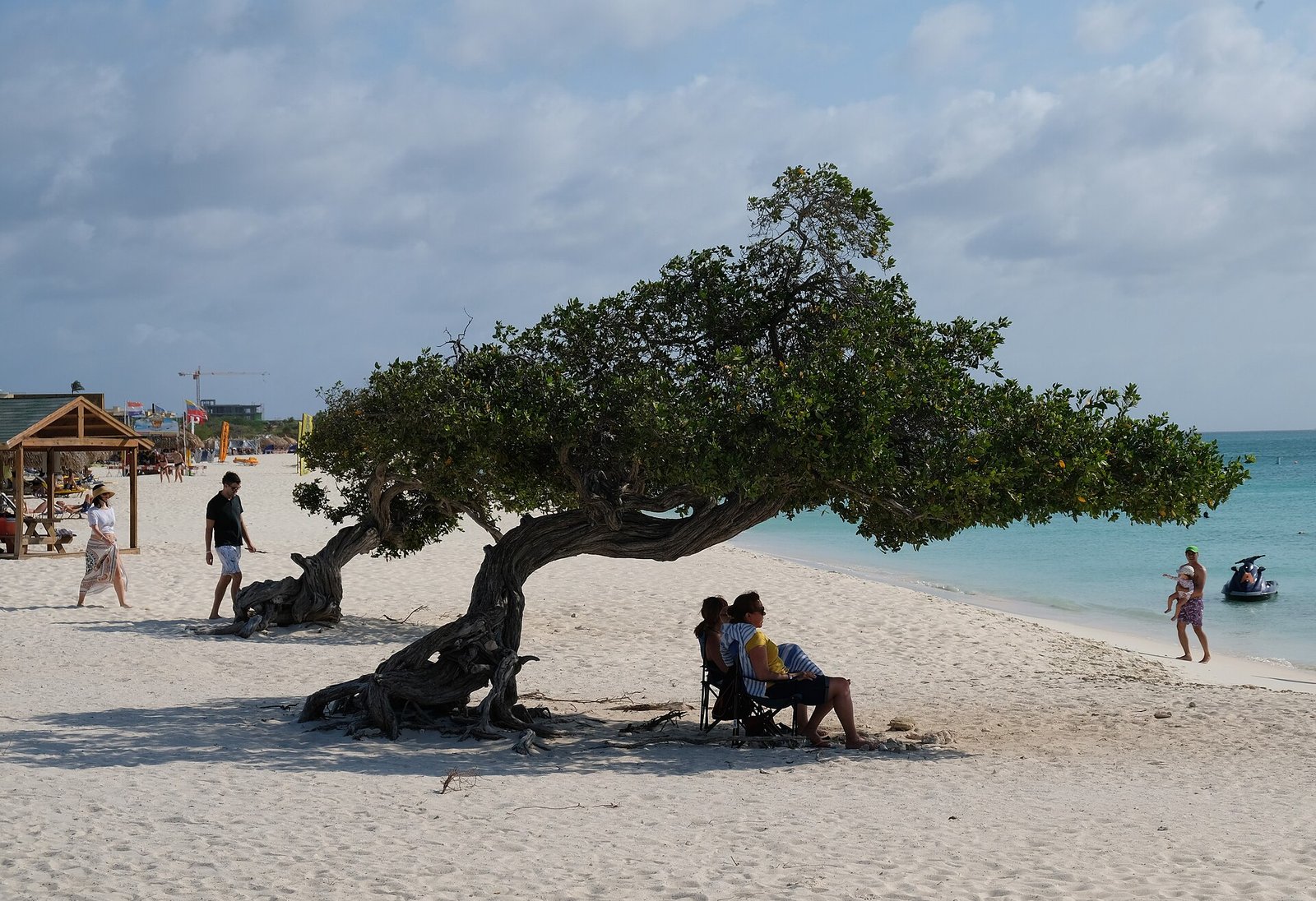
Eagle Beach is ideal for a long swimming and relaxation day, with soft sand and accessible sunsets. Arrive before late morning for easier parking and shade options. Public beach access does not mean every hotel lounger is public; respect property rules. Check flags and currents, keep valuables attended, and avoid disturbing turtle nesting areas or marked conservation zones.
Arikok National Park
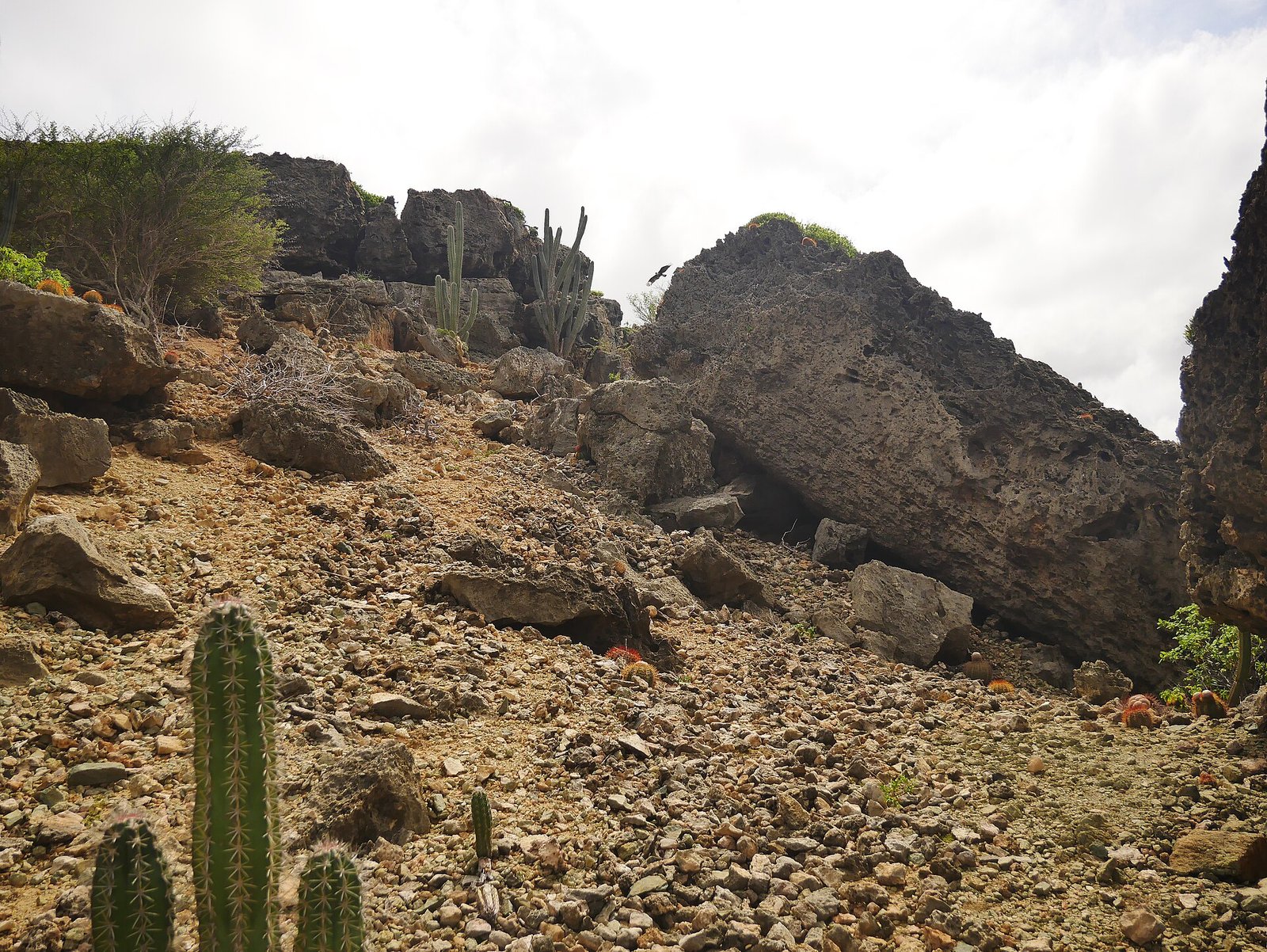
Arikok protects a large part of Aruba’s dry landscape, caves, trails, cultural sites, and exposed coast. Allow most of a day and check current admission, opening hours, road status, and vehicle restrictions with the Aruba Conservation Foundation. Start early, carry water, and do not drive an ordinary rental onto rough routes. A ranger-led or reputable guided tour is the safest choice for the Natural Pool.
California Lighthouse and northern coast
The lighthouse corridor combines western views with the island’s windier northern edge. Allow two to three hours, ideally early or near sunset, and combine it with Arashi or Boca Catalina rather than making multiple separate drives. Swimming is suitable only at recognized western beaches; exposed northern water can be dangerous. Confirm access and tour arrangements before climbing or entering managed areas.
Oranjestad
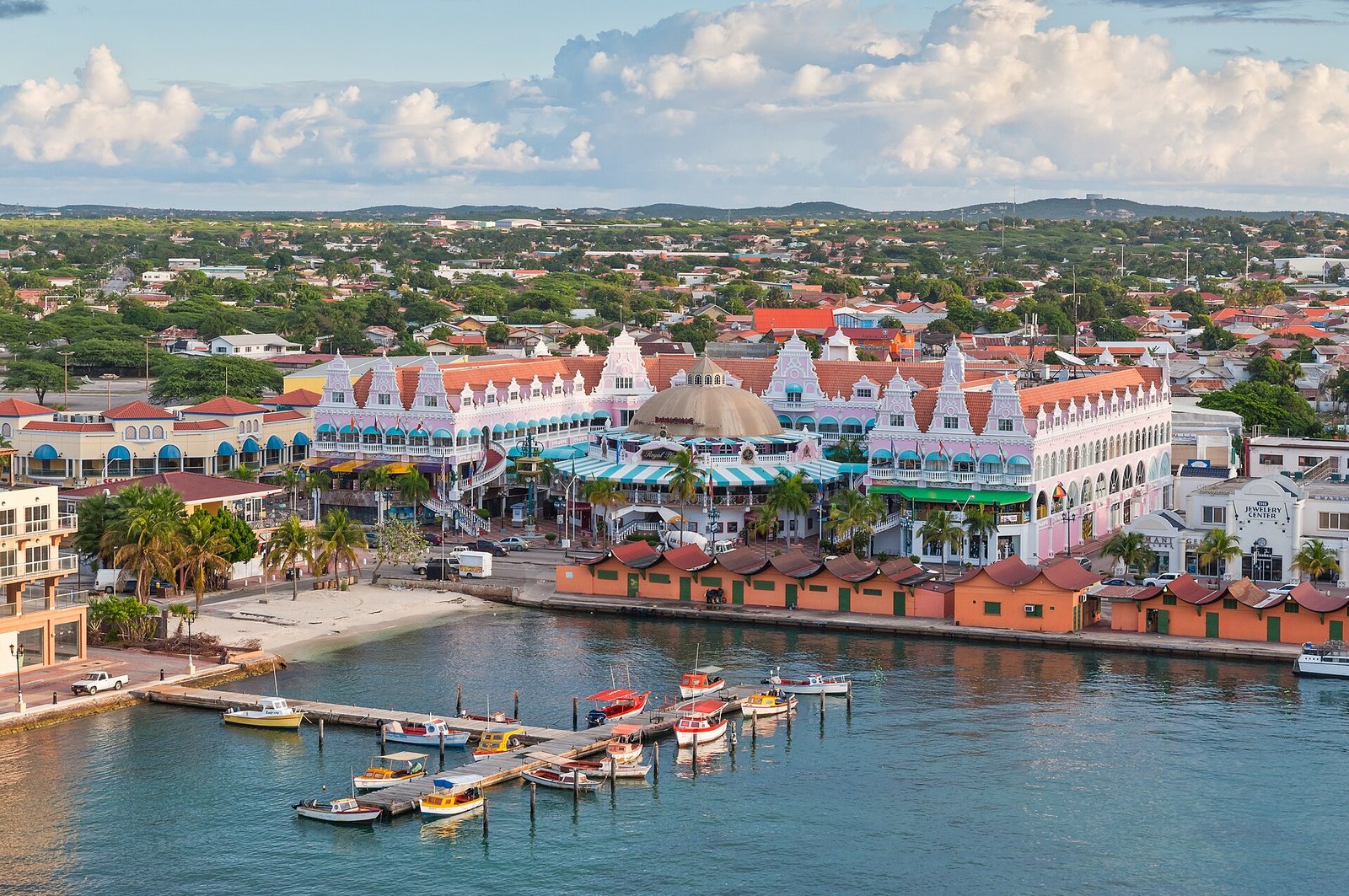
Oranjestad adds architecture, museums, shopping, and food to a beach itinerary. Visit in the morning before the strongest heat, especially on cruise days. Allow three to five hours and use Arubus or park once. Opening hours may be shorter on Sundays and holidays. Support independent businesses beyond souvenir blocks and keep valuables secure in crowded transport areas.
San Nicolas and Baby Beach
San Nicolas offers murals and a different urban perspective, while nearby Baby Beach is known for a sheltered lagoon. Allow half a day and confirm return transport before leaving the west coast. Even calm-looking water has changing conditions, and the channel area should be respected. This pairing suits repeat visitors, art lovers, and families using clearly marked swimming zones.
A PRACTICAL ROUTE
Suggested itinerary
Arrival and Eagle Beach sunset
Transfer to the chosen western base, learn the nearest bus stop or parking rules, and keep the first afternoon on Eagle Beach. Confirm Arikok access and any water activity after checking the forecast.
Palm Beach and northern coast
Visit Arashi or Boca Catalina early, continue to the lighthouse corridor, and return through Palm Beach for lunch or evening activity. Keeping the route north avoids crossing Oranjestad repeatedly.
Arikok National Park
Enter the park near opening with water, sun protection, and the correct vehicle or tour. Focus on official sites and routes, then return before fatigue and heat make rough-road travel unsafe.
Oranjestad
Explore central Oranjestad, museums or markets according to opening hours, and use the afternoon for a quiet beach or spa. Avoid leaving shopping bags visible in a parked car.
San Nicolas and Baby Beach
Drive or arrange transport to the southeast for murals and Baby Beach. Return before dark if unfamiliar with the roads, keeping the final evening free for a restaurant reservation near the accommodation.
REALISTIC BUDGET
Estimated travel costs
Aruba dollar comparisons are rounded because many businesses quote in dollars while local accounts use florins. Confirm service charges, conversion, and tour inclusions.
TRAVEL WELL
Practical travel tips
- Distinguish public beach access from private resort loungers, cabanas, and facilities.
- Check the current Arikok road and vehicle rules; an ordinary rental car should never be forced onto rough Natural Pool routes.
- Arubus works best along the western hotel corridor, while remote beaches and park areas need a car, taxi, or tour.
- Review restaurant bills for included service before adding a tip, and ask how florin and dollar payments are converted.
- Use reef-safe practices, never stand on coral, and avoid touching turtles or other marine life.
- Keep valuables out of sight in vehicles and do not leave phones unattended on a beach towel.
- Solo women travelers should use established transport after nightlife and avoid isolated coast roads or beaches after dark.
- Accessible resort and beach facilities vary; request exact room, path, and transfer details in writing before payment.
COMMON QUESTIONS
Aruba travel FAQ
How many days do you need in Aruba?
Five days cover the western beaches, Arikok, Oranjestad, and one southeastern outing. Seven days allow diving, slower beach time, and more weather flexibility.
Do you need a car in Aruba?
Not for a Palm Beach or Eagle Beach stay using buses and taxis. A car is useful for Arikok, San Nicolas, and independent island exploration, subject to road and insurance restrictions.
What is the best month to visit Aruba?
April and May often balance dry weather with softer demand after winter peaks. January through March is popular and expensive; fall is hotter with more weather variability.
Is Aruba expensive?
Aruba is one of the pricier Caribbean islands for hotels and imported food. Apartments, groceries, Arubus, public beaches, and careful restaurant choices reduce costs.
Can you use U.S. dollars in Aruba?
Yes, U.S. dollars are widely accepted, but change and conversion may be in florins. Check the rate used and carry small denominations.
Is Aruba safe for solo female travelers?
Visitor areas are generally manageable with normal precautions. Use verified taxis, avoid isolated beaches after dark, secure valuables, and share remote park plans.
KEEP EXPLORING
Related The Wander Muse guides
CHECK BEFORE DEPARTURE
Sources and official resources
Schedules, fares, closures, access rules, and reservations affecting Aruba can change. Recheck the official resources below shortly before departure.