START HERE
Why visit Saint Lucia
Saint Lucia combines the Pitons, rainforest, volcanic geology, small beaches, and resort experiences on an island where short distances can involve long, winding drives. It suits couples, honeymooners, nature travelers, hikers using qualified local guidance, and families comfortable with active transport days. Five days cover Soufrière, one northern base, and a sailing or beach day; six or seven days allow weather flexibility and reduce pressure to cross the island repeatedly. This guide explains the two airports, where to stay in the north or southwest, why minibuses do not replace every transfer, realistic costs in Eastern Caribbean dollars and U.S. dollars, and how to plan iconic experiences without unsafe rushing. The main logistical decision is whether the trip prioritizes the Pitons or Rodney Bay: changing between those regions several times is inefficient and expensive.
AT A GLANCE
Saint Lucia quick travel summary
Saint Lucia ranges use Eastern Caribbean dollars with rounded U.S.-dollar comparisons. Resort category, airport choice, private transfers, guide requirements, sailing, weather, and meal plans can change the total.
WHEN TO GO
Best time to visit
Dry high season (December–February)
Lower rainfall, strong visitor demand, and comfortable beach weather make this the most expensive period. Christmas, New Year, and winter escapes fill premium resorts and flights. Piton trails and popular boat trips are busy. Reserve the base and qualified guides early, but keep enough flexibility for wind or showers to affect water activities.
Spring shoulder (March–May)
March and April remain relatively dry and popular, while May starts the wetter transition and can offer better value. Easter and events create demand spikes. Humidity increases, yet hiking and sailing remain attractive with early starts. Pack rain protection and choose refundable activities rather than assuming every shower will be brief.
Summer wet season (June–August)
Rain, heat, and humidity increase, with lush scenery and lower rates outside family holidays. Tropical weather can disrupt roads, flights, trails, and boats. Morning outings are preferable. Travelers should use robust insurance, follow official weather information, and avoid river or waterfall areas during heavy rain because flash flooding and slippery surfaces create serious risk.
Fall and peak storm risk (September–November)
September and October bring the highest tropical-storm concern and some resort closures or renovation periods. November begins the transition toward drier conditions. Discounts can be substantial, but transport interruption may outweigh savings. Choose flexible bookings, verify whether every advertised facility operates, and keep critical connections separated by adequate time.
ARRIVING
How to get there
Most long-haul visitors use Hewanorra International Airport in the south, roughly positioned for Vieux Fort and the southwest but a long, winding road transfer from northern resorts. George F. L. Charles Airport near Castries handles many regional services and is convenient for Rodney Bay. Pre-booked hotel transfers, licensed taxis, helicopters, ferries, and rental cars are available according to current operations. The easiest first arrival is a confirmed transfer with the accommodation because night driving on unfamiliar curves can be tiring. Travelers renting should verify left-side driving, license requirements, insurance, and vehicle condition. Do not schedule an international arrival and a tight regional or ferry connection without enough contingency for immigration, baggage, traffic, and weather.
MOVING AROUND
Getting around
Taxis and arranged transfers are the simplest visitor transport, but costs rise when crossing between Rodney Bay and Soufrière. Public minibuses are inexpensive and useful between towns for travelers carrying little luggage and comfortable with flexible departures; they do not serve every resort, trailhead, or late-night route. Rental cars provide independence but require confidence with left-side driving, steep curves, narrow roads, and limited signs. Water taxis can shorten selected coastal journeys when weather permits. Split the stay between the north and southwest when both are priorities, and confirm return transport before visiting remote beaches, trailheads, or nightlife.
CHOOSE A BASE
Where to stay
Soufrière — best for the Pitons and nature
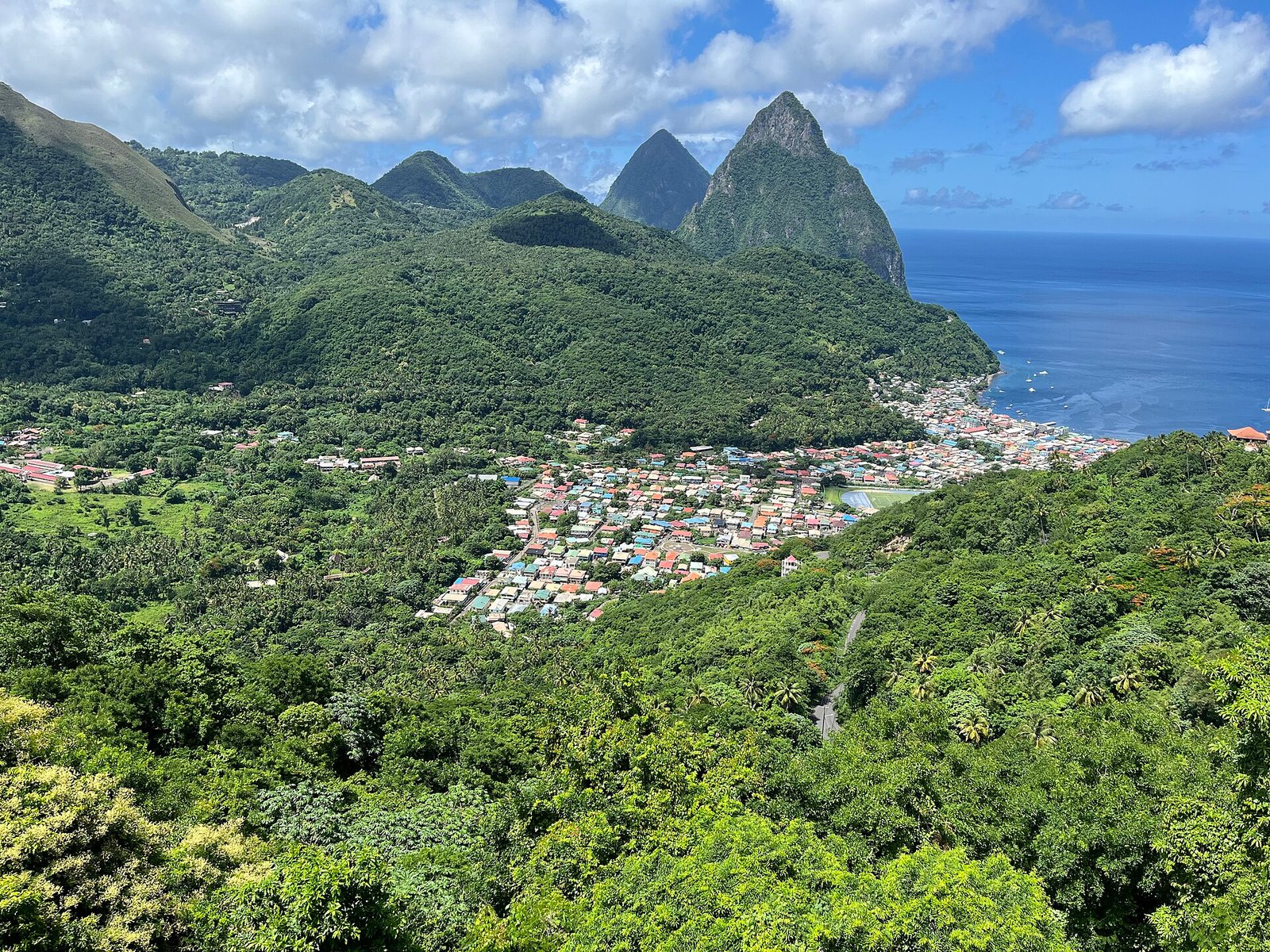
Soufrière places travelers near the Pitons, volcanic attractions, rainforest experiences, and dramatic resort views. It suits couples, hikers, and first-time visitors prioritizing scenery. Beaches and restaurants are dispersed, roads are steep, and many properties are expensive or isolated. Choose the exact location carefully rather than assuming every Soufrière address is walkable to town.
Rodney Bay and Gros Islet — best for first-time convenience and nightlife
Rodney Bay offers restaurants, marina activities, beaches, shops, and easier access to northern tours. Gros Islet adds local events and a more active evening scene. The long transfer from Hewanorra and distance from the Pitons are the disadvantages. This area suits groups, families, and travelers who want choices beyond the hotel.
Marigot Bay or Cap Estate — best for quiet scenery
Marigot Bay provides sheltered water and yacht atmosphere, while Cap Estate offers spacious resorts and northern views. Both feel more secluded than Rodney Bay. Transport is required for many meals and attractions, and prices can be high. They suit couples and slower stays more than travelers planning daily island crossings.
PLAN YOUR DAYS
Best things to do
The Pitons and Soufrière landscape
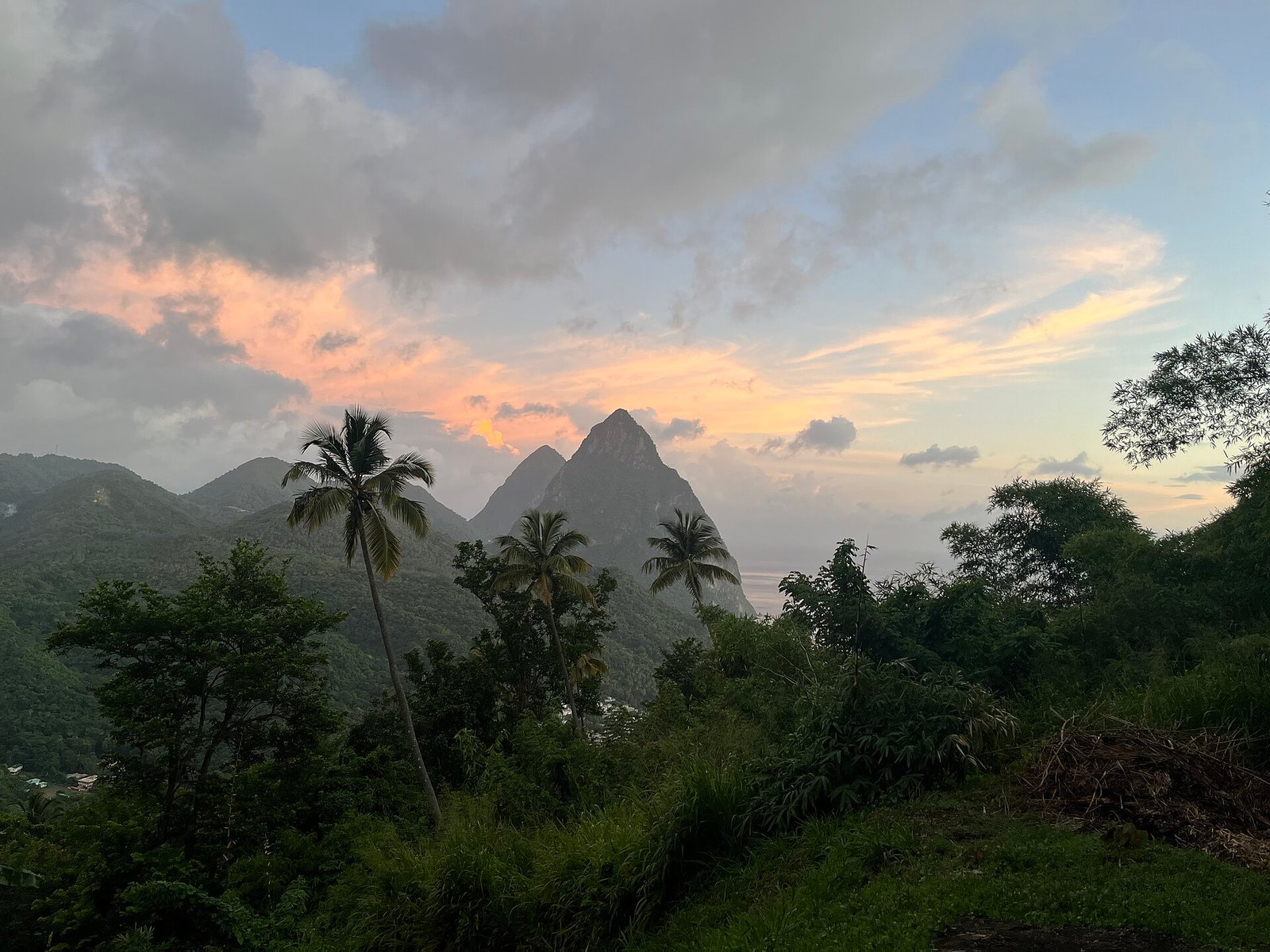
The Pitons define Saint Lucia’s southwest, whether viewed from the coast, a boat, or a qualified hiking route. Gros Piton climbs are strenuous and should be arranged according to current guide and access requirements. Allow most of a day, begin early, and carry more water than expected. Travelers not suited to steep hiking can experience the landscape through viewpoints, beaches, or sailing without compromising safety.
Sulphur Springs and volcanic attractions
The Soufrière volcanic area offers geological interpretation and managed bathing experiences. Allow two to three hours and visit earlier to reduce crowds and heat. Admission, tour options, and opening times change, so use official or direct information. Follow staff instructions around hot water and unstable ground. This attraction suits families and non-hikers as well as geology-focused visitors.
Pigeon Island National Landmark
Pigeon Island combines military history, walking routes, beaches, and views near the north. Allow three to five hours and check Saint Lucia National Trust hours and event closures. The climb is exposed but shorter than mountain routes. Bring water and sun protection, use marked paths, and pair the visit with Rodney Bay rather than crossing from Soufrière for one short stop.
Rainforest, waterfalls, and managed trails
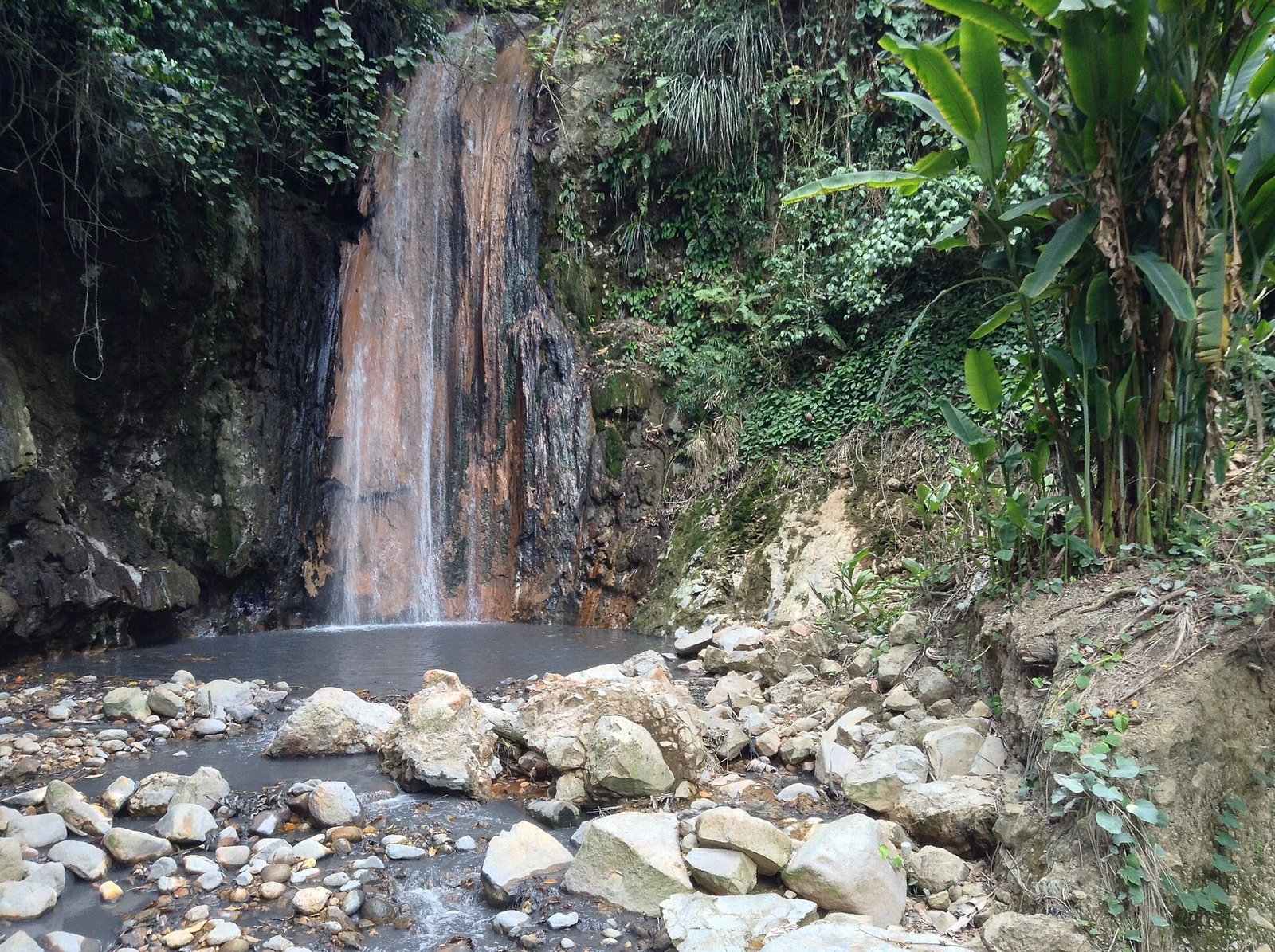
Rainforest walks and waterfalls range from roadside stops to guided forest routes. Choose a trail matched to fitness and current rain conditions, allowing half a day. Heavy rain makes rock, river crossings, and steep steps unsafe. Use authorized guides where required, wear shoes with traction, and avoid applying insect repellent immediately before entering natural pools when local rules protect water quality.
Sailing or coastal boat day
A coastal boat trip reveals the Pitons and bays without repeated mountain driving. Compare group size, shade, safety equipment, swimming stops, port fees, and transport to the departure point. Allow most of a day and retain a weather alternative. Reputable operators should explain life-jacket procedures and reef practices. Motion-sensitive travelers should choose an appropriate vessel and medication plan.
A PRACTICAL ROUTE
Suggested itinerary
Arrive and settle in the southwest
Use a confirmed transfer from Hewanorra to Soufrière or the selected southwest property. Keep the first evening local, confirm trail or boat reservations, and avoid an additional long transfer after dark.
Soufrière and volcanic landscape
Visit Sulphur Springs or a managed nature site early, then continue to a viewpoint, beach, or estate within the same zone. Keep the afternoon light if a strenuous Piton activity is planned next.
Piton hike or coastal alternative
Hike with the required guide and an early start when fitness and conditions are suitable. Otherwise take a coastal boat, snorkeling trip, or viewpoint route. Both choices deserve the full day.
Transfer north via Marigot or Castries
Move once toward Rodney Bay, stopping at a planned central site only if luggage can remain secure. Check in before evening and use the north for the rest of the trip.
Pigeon Island and Rodney Bay
Visit Pigeon Island in the morning, return for lunch and beach time, then use the evening for Gros Islet or marina dining with confirmed transport.
Sailing, rainforest, or weather reserve
Use the final full day for the activity most affected by earlier weather. A northern boat trip, market visit, or quiet resort day avoids another unnecessary island crossing before departure.
REALISTIC BUDGET
Estimated travel costs
Saint Lucia dollar comparisons are rounded. Verify transfer distance, guide requirements, meal-plan inclusions, resort charges, and weather cancellation terms.
TRAVEL WELL
Practical travel tips
- Choose the base before booking activities; the north and Soufrière are separated by slow, winding roads.
- Pre-book a verified Hewanorra transfer and confirm the exact property, since similarly named resorts may be far apart.
- Drive on the left and rent only when comfortable with steep curves, narrow roads, and local license requirements.
- Use qualified guides for regulated or strenuous Piton routes and turn back when rain, heat, or fitness requires it.
- Cards are common in resorts, but carry small Eastern Caribbean dollar notes for minibuses, tips, and small businesses.
- Do not enter waterfalls, rivers, or steep forest trails during heavy rain; flash flooding and slippery rock are serious hazards.
- Solo women travelers should use verified transfers after dark, share remote hiking plans, and avoid isolated beaches without return transport.
- Accessibility varies widely across hillside resorts, boats, beaches, and trails; ask for measurements, gradients, and vehicle details before booking.
COMMON QUESTIONS
Saint Lucia travel FAQ
How many days do you need in Saint Lucia?
Five days cover Soufrière, one northern outing, and a beach or boat day. Six or seven days allow a split stay and reduce pressure to cross the island repeatedly.
Where should first-time visitors stay in Saint Lucia?
Soufrière is best for Piton scenery and nature. Rodney Bay is easier for restaurants, nightlife, and northern activities. A split stay gives the strongest first-trip balance.
Do you need a car in Saint Lucia?
No if using resort transfers, taxis, minibuses, and tours. A car provides flexibility but is suitable only for drivers comfortable with left-side travel and steep winding roads.
What is the best month to visit Saint Lucia?
February through April generally offers drier weather, while May and June can provide better value. September and October require the most storm flexibility.
Is Saint Lucia expensive?
Resorts, private transfers, and guided activities can make it expensive. Guesthouses, minibuses, local meals, and a well-planned split stay help control costs.
Is Saint Lucia safe for solo female travelers?
It can be with verified transport and conservative nature planning. Avoid isolated beaches after dark, share hiking plans, watch drinks, and arrange return travel before leaving populated areas.
KEEP EXPLORING
Related The Wander Muse guides
CHECK BEFORE DEPARTURE
Sources and official resources
Schedules, fares, closures, access rules, and reservations affecting Saint Lucia can change. Recheck the official resources below shortly before departure.