
START HERE
Why visit Hallstatt
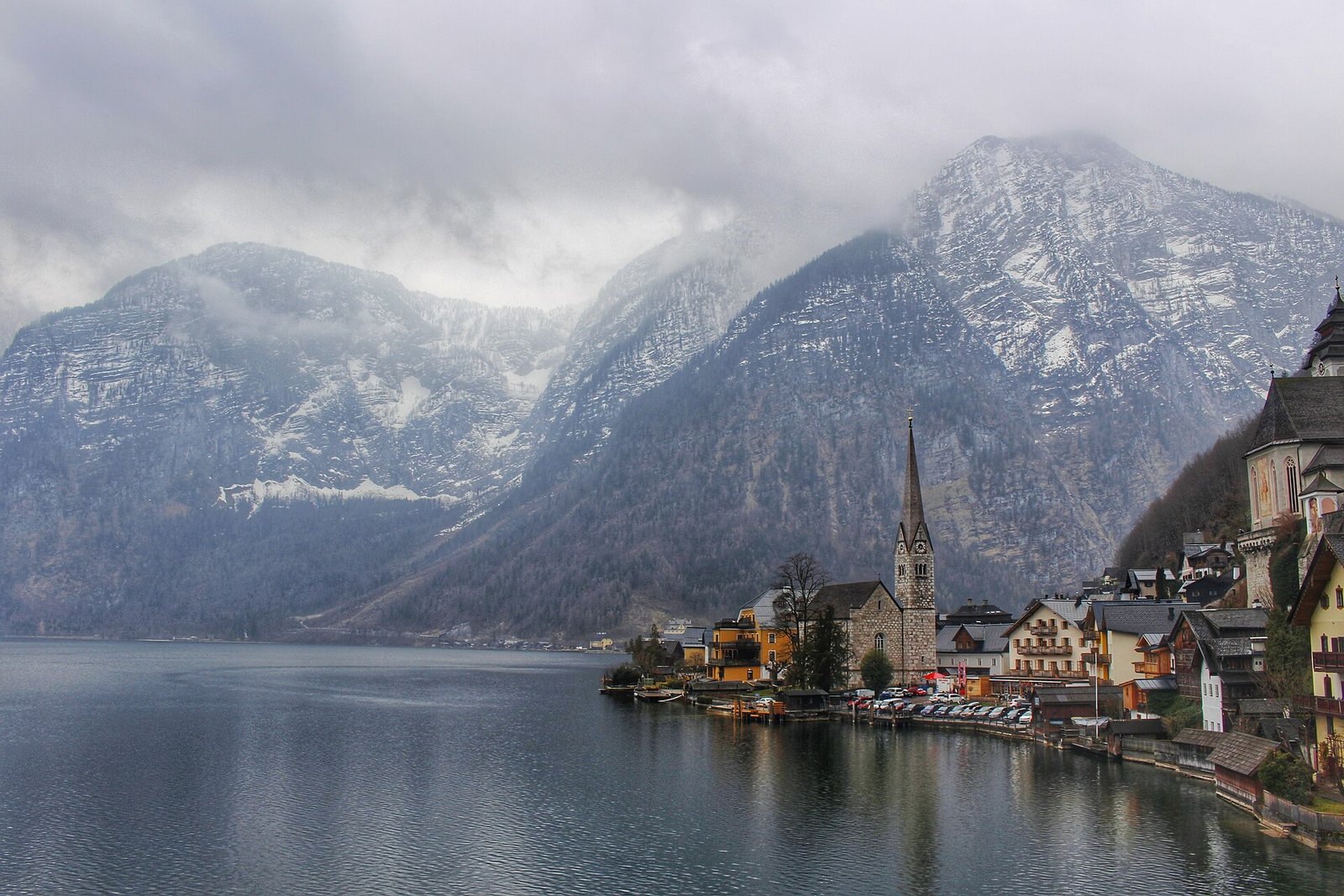
Hallstatt combines a narrow lakeside village, salt-mining history, archaeological heritage, mountain access, and a working community whose small public spaces are overwhelmed by peak day trips. It suits lake scenery, history, couples, rail trips, photography, hiking, and slow overnights and works best when Historic village and lakefront and Hallstatt salt mine and Skywalk stay on separate compact days. A first visit works best when Historic village and lakefront, Hallstatt salt mine and Skywalk, and World Heritage Museum are arranged around realistic transport and weather windows. Hallstatt village is best for early and late access, Obertraun offers value and outdoor connections, and Bad Ischl provides rail, services, and a broader Salzkammergut base. Hallstatt planning connects Hallstatt Bahnhof across the lake, Obertraun-Dachsteinhöhlen station, or Bad Ischl rail and bus hub, regional train, Hallstatt village, and Historic village and lakefront with the six-row Euro (EUR) budget and 1–2 days route below. Before booking Hallstatt, use the linked authorities to verify opening days, regional train, and any timed entry for Historic village and lakefront.
AT A GLANCE
Hallstatt quick travel summary
Hallstatt prices are planning ranges rather than quotes. Before paying in Euro (EUR), check taxes, card charges, cancellation terms, and whether transport to Historic village and lakefront is included.
WHEN TO GO
Best time to visit
Early summer (June–July)
Across Hallstatt, expect long daylight, fresh green valleys, and trails opening progressively; conditions near Historic village and lakefront can vary. Crowds and prices are high around headline viewpoints. Historic village and lakefront is the most practical Hallstatt focus during this period. The limitation is that in Hallstatt, snow may remain on high routes and lift schedules can change. Ferry connections, salt-mine and cable maintenance, snow, fog, landslides, funeral or community access, and severe crowding affect a small village more than weather averages suggest. Recheck Hallstatt weather and the operating status of Historic village and lakefront shortly before any weather-sensitive or reservation-dependent day.
Late summer (August–September)
Across Hallstatt, expect generally stable hiking weather with cooler nights later; conditions near Hallstatt salt mine and Skywalk can vary. For Hallstatt, crowds and prices are high in August, then easing into September. This period creates better conditions for Hallstatt salt mine and Skywalk in Hallstatt; the main drawback is that in Hallstatt, afternoon storms and sold-out transport still require planning. Ferry connections, salt-mine and cable maintenance, snow, fog, landslides, funeral or community access, and severe crowding affect a small village more than weather averages suggest. Recheck Hallstatt weather and the operating status of Historic village and lakefront shortly before any weather-sensitive or reservation-dependent day.
Shoulder season (May and October)
Across Hallstatt, expect rapidly changing conditions between valley and summit; conditions near World Heritage Museum can vary. Crowds and prices are lower, though fewer services operate. This period creates better conditions for World Heritage Museum in Hallstatt; the main drawback is that in Hallstatt, some lifts, roads, and trails close between seasons. Ferry connections, salt-mine and cable maintenance, snow, fog, landslides, funeral or community access, and severe crowding affect a small village more than weather averages suggest. Recheck Hallstatt weather and the operating status of Historic village and lakefront shortly before any weather-sensitive or reservation-dependent day.
Winter (November–April)
Across Hallstatt, expect snow, short daylight, and true mountain weather; conditions near Obertraun and Dachstein Krippenstein can vary. For Hallstatt, crowds and prices are highest during ski weeks and holidays. For Hallstatt, this window favors Obertraun and Dachstein Krippenstein. Schedule it only after accounting for the fact that in Hallstatt, summer itineraries cannot simply be repeated in winter. Ferry connections, salt-mine and cable maintenance, snow, fog, landslides, funeral or community access, and severe crowding affect a small village more than weather averages suggest. Recheck Hallstatt weather and the operating status of Historic village and lakefront shortly before any weather-sensitive or reservation-dependent day.
ARRIVING
How to get there
The classic rail approach reaches Hallstatt Bahnhof on the opposite shore, followed by a ferry timed around many train arrivals under its published schedule. Trains also serve Obertraun, while buses connect Bad Ischl, Hallstatt Lahn, and regional towns. Buy rail through ÖBB and verify the ferry and bus connection, especially early, late, or in shoulder season. A car is not easier: parking is outside the compact center, fills early, and uses variable access. Travelers with luggage should confirm the final walk, boat, and accommodation storage before arrival.
MOVING AROUND
Getting around
Hallstatt’s historic core is explored on foot, with narrow lanes, stairs, residents, and limited flat space. Ferries connect the station and lake routes, while buses serve Lahn and regional stops. The funicular and Dachstein cable systems have separate seasons, weather holds, and maintenance. Taxis are limited. Stay overnight or use an early arrival, then choose one major paid mountain or salt experience rather than attempting every platform. Wheelchair and stroller users should verify grades, boat boarding, and lift status. For a 1–2 days visit, group Historic village and lakefront with Hallstatt salt mine and Skywalk, then protect World Heritage Museum for the strongest weather or access window. Historic village and lakefront and Hallstatt salt mine and Skywalk belong on separate compact Hallstatt stages; that leaves room for a delayed regional train connection. Accessible Hallstatt planning needs four checks: regional train boarding, surfaces, restrooms, and the final approach to Historic village and lakefront.
CHOOSE A BASE
Where to stay
Hallstatt village — best for early and late atmosphere
Overnight access before buses arrive and after they leave makes the small center more enjoyable. Rooms are scarce, costly, stair-heavy, and restaurant choice is limited.
Obertraun — best for budget and outdoor access
Rail, apartments, lake access, and routes toward Dachstein provide space and often better value. The postcard village requires ferry, bus, bicycle, or car movement.
Bad Ischl — best for regional convenience
More hotels, restaurants, rail connections, and a central Salzkammergut position suit longer stays. Hallstatt becomes a day trip and early-village access needs careful transport.
PLAN YOUR DAYS
Best things to do
Historic village and lakefront
Compact lanes, church towers, lake views, and salt-wealth architecture explain the settlement when visited respectfully. Allow 2–3 hours. Walk before 09:00 or after late-afternoon groups thin. No village reservation is normally required. Public walking is free. Keep doorways clear, lower voices, and never enter private gardens or docks. It is best suited to first-time and architecture travelers; on a short stay, keep Historic village and lakefront only when access and geography suit that day.
Hallstatt salt mine and Skywalk
Mining interpretation and high views connect the community to thousands of years of salt history. Allow 3–5 hours. Use the first official ascent under safe operating conditions. Advance official tickets are recommended in season. Funicular, mine tour, and platform products vary. Wear suitable shoes and verify closure or age restrictions. It is best suited to history, families, and viewpoint travelers; visitors with little time should retain Hallstatt salt mine and Skywalk only if it stays near another priority.
World Heritage Museum
Archaeological finds and local history provide essential depth when mountain visibility is poor. Allow 1.5–2.5 hours. Use midday crowd peak or rainy weather. Normal admission is often walk-up; special hours vary. Paid admission applies. Check seasonal opening rather than assuming daily operation. It is best suited to history and weather-flexible travelers; time-limited visitors should add World Heritage Museum only when it fits the same area and current conditions.
Obertraun and Dachstein Krippenstein
Cable cars, caves, plateau scenery, and trails provide a larger mountain day separate from the village. Allow 5–8 hours. Use a stable forecast and current lift and cave schedule. Timed cave tours and lift products may need booking. Transport, cable cars, caves, and parking are separate or bundled by product. Prepare for alpine cold and never approach exposed viewpoints in fog or wind. It is best suited to mountain and geology travelers; On a short Hallstatt visit, Obertraun and Dachstein Krippenstein should not force a cross-destination transfer.
Lake ferry or shore walk
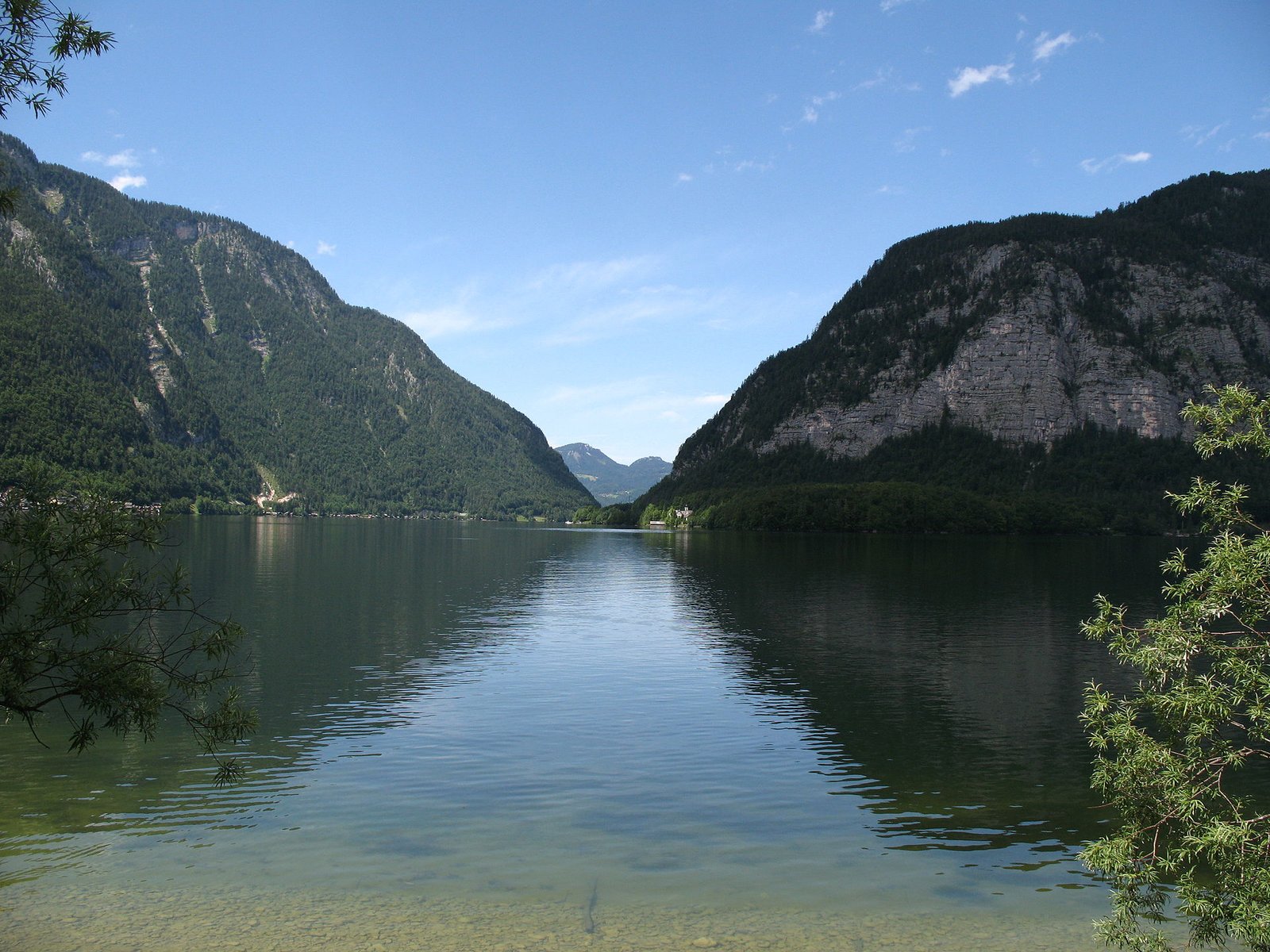
Water-level views reveal the village’s relationship with steep slopes and transport constraints. Allow 1–2 hours. Use calm daylight and published ferry service. Scheduled ferry usually needs no advance booking; cruises may. Fares depend on route. Protect the rail connection and do not rely on the last boat without a backup. It is best suited to rail travelers and easy-day visitors; on a short stay, keep Lake ferry or shore walk only when access and geography suit that day.
A PRACTICAL ROUTE
Suggested itinerary
Rail and village
Arrive by train and ferry, store luggage, and explore public lanes before peak coaches.
Salt history
Use the reserved mine and funicular if operating, or the museum in poor weather.
Quiet Hallstatt
Eat near the accommodation and enjoy the lakefront after day visitors leave.
Obertraun or ferry
Use the strongest forecast for Dachstein, or take a low-level lake route.
Regional departure
Return with a protected ferry, bus, and train connection rather than a tight final transfer.
REALISTIC BUDGET
Estimated travel costs
Hallstatt costs move most with May–June or September–October, booking timing, taxes, and the exact position of a room in Hallstatt village. For Hallstatt, let the final Euro (EUR) total control the decision. For Hallstatt, its August 1, 2026 dollar conversion may differ at checkout.
TRAVEL WELL
Practical travel tips
- Stay overnight or arrive very early; the village cannot comfortably absorb peak day-trip volume.
- Check ÖBB, ferry, bus, salt-mine, and cable-car schedules as separate systems.
- Respect residents by keeping voices low and never entering private docks, gardens, or doorways.
- Pack light because ferries, stairs, lanes, and guesthouses complicate large luggage.
- Do not drive into restricted areas or queue for full parking without a legal alternative.
- Carry alpine layers even when the lakeshore feels warm.
- Reserve limited rooms and headline mountain or mine products early.
- Solo women generally travel comfortably, but should protect the final ferry and avoid isolated lake paths after dark.
COMMON QUESTIONS
Hallstatt travel FAQ
How many days do you need in Hallstatt?
1–2 days is a practical first-visit range for Hallstatt. If 1–2 days is not available, keep one compact Hallstatt base and Historic village and lakefront; additional days are most useful as weather and transport buffers.
Is Hallstatt expensive?
In Hallstatt, a realistic daily planning range is €75–125 (about US$87–144) budget; €180–330 (about US$208–381) mid-range, per person. In Hallstatt, the biggest budget jumps usually come from room location, peak dates, private regional train, and guided access to Historic village and lakefront.
Do you need a car in Hallstatt?
No. Trains, ferries, buses, and walking are easier. Parking is limited outside the center and a car adds little.
What is the best month to visit Hallstatt?
May and September often balance operating attractions with less peak pressure, though mountain weather remains variable.
Is Hallstatt safe for solo female travelers?
Hallstatt is generally comfortable for solo women. The main issue is protecting the final ferry or bus and avoiding isolated paths after dark. Use current government guidance and destination notices—not an old booking page—to make the final Hallstatt risk check.
What should you book in advance for Hallstatt?
Reserve scarce village rooms, rail on peak dates, salt-mine and funicular products, cave tours, and limited restaurants.
KEEP EXPLORING
Related The Wander Muse guides
PLAN WITH CURRENT INFORMATION
Official resources
For Hallstatt, opening hours, fares, permits, weather rules, and transport arrangements can change. Use the linked authorities to recheck Hallstatt access, opening times, and transport before departure.