START HERE
Why visit The Dolomites
The Dolomites combine pale limestone towers, high passes, meadow villages, rifugi, and cable-car access across a region where each valley operates on its own geography and season. It suits hiking, mountain scenery, road trips, photography, couples, families, and winter sports and works best when Tre Cime di Lavaredo and Seceda stay on separate compact days. A first visit works best when Tre Cime di Lavaredo, Seceda, and Lago di Braies are arranged around realistic transport and weather windows. Cortina d’Ampezzo suits the eastern icons, Ortisei supports Val Gardena and Seceda, and Dobbiaco or San Candido provides practical access to the northern lakes and trails. The Dolomites planning connects Venice Mestre, Verona, Bolzano, or Innsbruck rail and airport gateways, rental car, Cortina d’Ampezzo, and Tre Cime di Lavaredo with the six-row Euro (EUR) budget and 6–8 days route below. Before booking The Dolomites, use the linked authorities to verify opening days, rental car, and any timed entry for Tre Cime di Lavaredo.
AT A GLANCE
The Dolomites quick travel summary
The Dolomites prices are planning ranges rather than quotes. Check the cancellation rule and full inclusions before booking Seceda; small surcharges can materially change the total.
WHEN TO GO
Best time to visit
Early summer (June–July)
Across the Dolomites, expect long daylight, fresh green valleys, and trails opening progressively; conditions near Tre Cime di Lavaredo can vary. Crowds and prices are high around headline viewpoints. For the Dolomites, this window favors Tre Cime di Lavaredo. Schedule it only after accounting for the fact that in The Dolomites, snow may remain on high routes and lift schedules can change. Lift maintenance, snow, thunderstorms, parking restrictions, and valley-specific bus schedules make shoulder-season assumptions risky. Recheck the Dolomites weather and the operating status of Tre Cime di Lavaredo shortly before any weather-sensitive or reservation-dependent day.
Late summer (August–September)
Across the Dolomites, expect generally stable hiking weather with cooler nights later; conditions near Seceda can vary. For the Dolomites, crowds and prices are high in August, then easing into September. This period creates better conditions for Seceda in The Dolomites; the main drawback is that in The Dolomites, afternoon storms and sold-out transport still require planning. Lift maintenance, snow, thunderstorms, parking restrictions, and valley-specific bus schedules make shoulder-season assumptions risky. Recheck the Dolomites weather and the operating status of Tre Cime di Lavaredo shortly before any weather-sensitive or reservation-dependent day.
Shoulder season (May and October)
Across the Dolomites, expect rapidly changing conditions between valley and summit; conditions near Lago di Braies can vary. Crowds and prices are lower, though fewer services operate. This period creates better conditions for Lago di Braies in The Dolomites; the main drawback is that in The Dolomites, some lifts, roads, and trails close between seasons. Lift maintenance, snow, thunderstorms, parking restrictions, and valley-specific bus schedules make shoulder-season assumptions risky. Recheck the Dolomites weather and the operating status of Tre Cime di Lavaredo shortly before any weather-sensitive or reservation-dependent day.
Winter (November–April)
Across the Dolomites, expect snow, short daylight, and true mountain weather; conditions near Alpe di Siusi can vary. For the Dolomites, crowds and prices are highest during ski weeks and holidays. Alpe di Siusi is the most practical The Dolomites focus during this period. The limitation is that in The Dolomites, summer itineraries cannot simply be repeated in winter. Lift maintenance, snow, thunderstorms, parking restrictions, and valley-specific bus schedules make shoulder-season assumptions risky. Recheck the Dolomites weather and the operating status of Tre Cime di Lavaredo shortly before any weather-sensitive or reservation-dependent day.
ARRIVING
How to get there
No single airport serves the entire Dolomites. Venice and Verona are practical for Cortina and southern approaches, while Bolzano and Innsbruck suit western and northern valleys. Trains reach gateway towns, followed by regional buses or a rental car. A car gives flexibility between valleys but mountain passes are slow and parking at headline trailheads is regulated. Buy rail and bus tickets through official operators, check seasonal road openings, and avoid collecting a car after a long overnight flight for an immediate pass drive.
MOVING AROUND
Getting around
Buses and guest cards can support a car-light stay within one valley, while cable cars remove major elevation from selected hikes. Crossing between Cortina, Val Gardena, and Alta Pusteria repeatedly wastes hours. A compact car is helpful for a multi-base route, but trailhead reservations, toll roads, and parking limits must be checked. Cyclists share steep passes with traffic. Hikers need offline maps, layers, and a turnaround time because afternoon storms form quickly above the tree line. For a 6–8 days visit, group Tre Cime di Lavaredo with Seceda, then protect Lago di Braies for the strongest weather or access window. Tre Cime di Lavaredo and Seceda belong on separate compact The Dolomites stages; that leaves room for a delayed rental car connection. Accessible The Dolomites planning needs four checks: rental car boarding, surfaces, restrooms, and the final approach to Tre Cime di Lavaredo.
CHOOSE A BASE
Where to stay
Cortina d’Ampezzo — best for eastern icons
Tre Cime approaches, Cinque Torri, and a broad hotel and restaurant base suit a first eastern stay. Prices and parking are high, and western valleys are too far for casual day trips.
Ortisei — best for Val Gardena and car-light travel
Cable cars toward Seceda and Alpe di Siusi, buses, and village services support walkers without daily driving. Summer and ski-week rooms sell early and command premiums.
Dobbiaco or San Candido — best for lakes and families
Rail, buses, cycling paths, and access toward Lago di Braies and Tre Cime create a practical northern base. Some iconic trailheads still need regulated transport or early planning.
PLAN YOUR DAYS
Best things to do
Tre Cime di Lavaredo
A circuit beneath three vertical towers delivers the region’s most recognizable high-mountain scenery. Allow 4–6 hours. Use a stable early forecast and current access rules. Parking, bus, or road reservation may be required. Road, parking, shuttle, or refuge costs are separate. Turn back before storms and remain on marked trails. It is best suited to fit first-time hikers; On a short The Dolomites visit, Tre Cime di Lavaredo should not force a cross-destination transfer.
Seceda
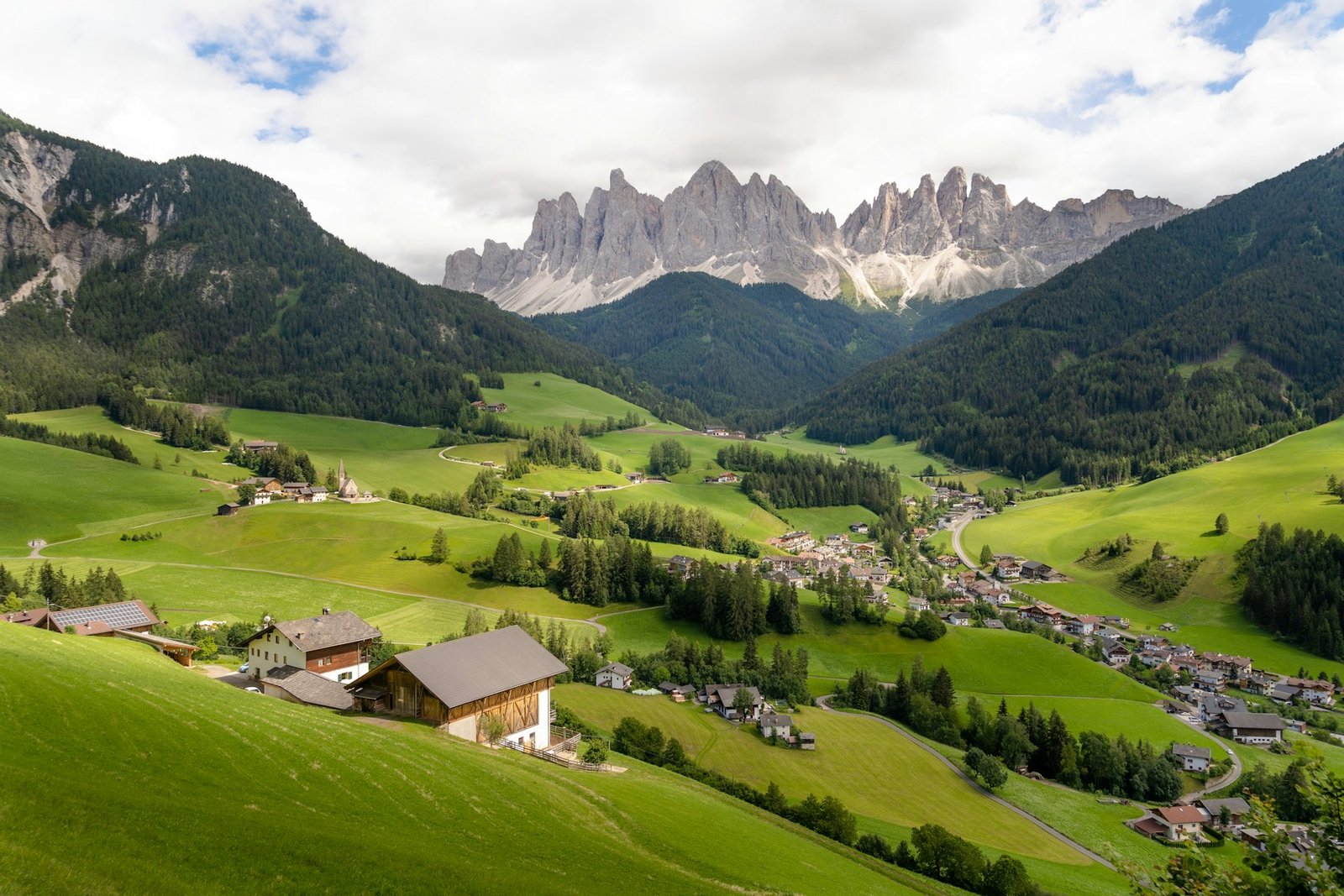
Cable-car access reveals sharp Odle ridges and broad meadow walking above Val Gardena. Allow 3–6 hours. Choose a clear morning and check lift operation. Lift tickets can be bought officially; peak queues are possible. A return lift fare applies. Do not walk near unprotected edges in fog or wind. It is best suited to photographers and moderate hikers; time-limited visitors should add Seceda only when it fits the same area and current conditions.
Lago di Braies
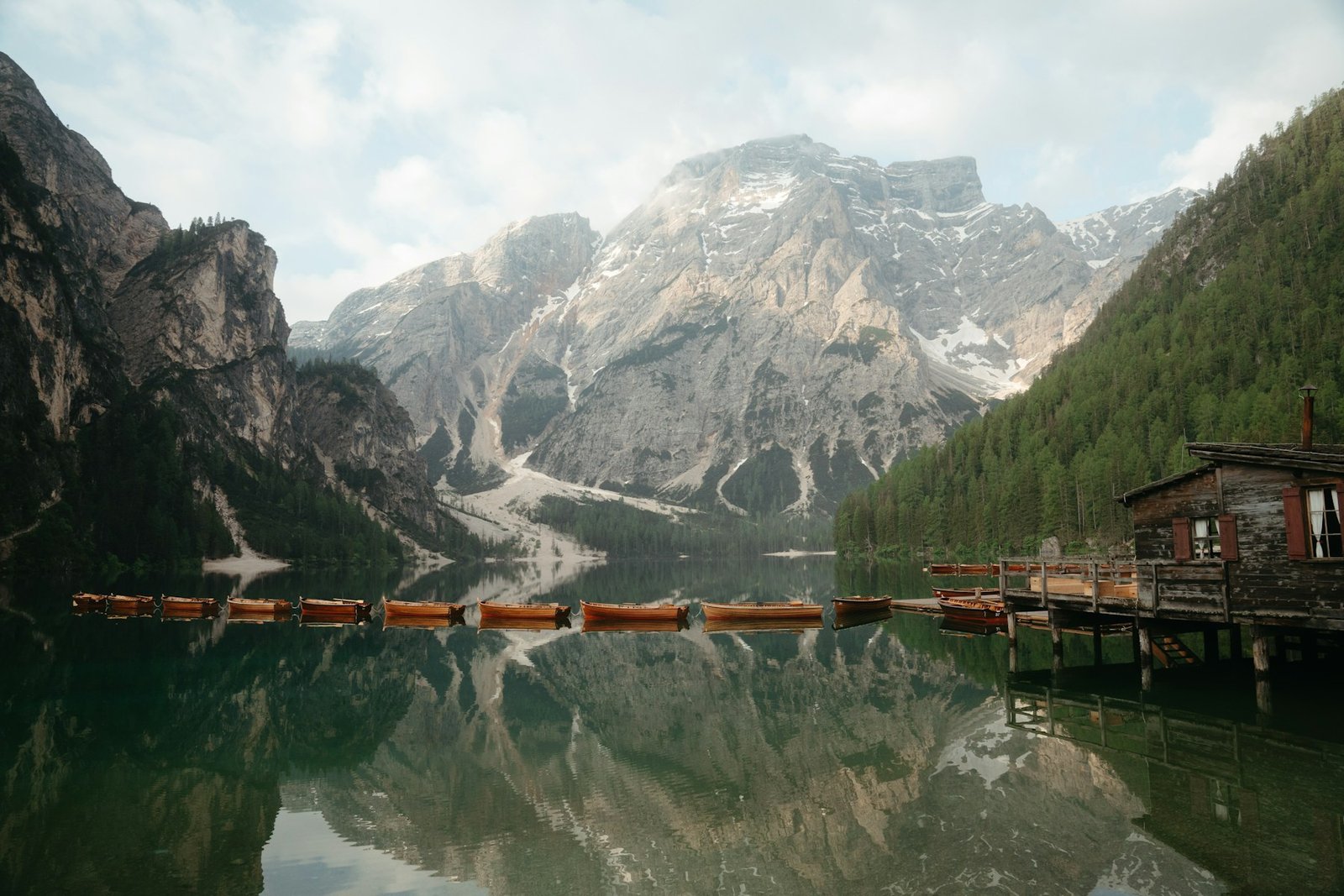
A mountain lake and forest paths provide an accessible but heavily visited northern stop. Allow 2–4 hours. Use official transport or an early reserved parking window. Seasonal traffic management may require booking. Parking, shuttle, and boat rental vary. Walk beyond the first viewpoint and protect shoreline vegetation. It is best suited to families and photographers; visitors with little time should retain Lago di Braies only if it stays near another priority.
Alpe di Siusi
Europe’s broad high pasture combines gentle paths, mountain huts, cycling, and distant peaks. Allow Half to full day. Check access restrictions for private vehicles and lift times. Cable car and guided activities may need booking. Transport and hut meals vary. Use designated routes around farms and livestock. It is best suited to families, cyclists, and easy-walk travelers; on a short stay, keep Alpe di Siusi only when access and geography suit that day.
Cinque Torri
Rock towers, open-air wartime history, and lift-supported walks make a strong Cortina day. Allow 3–5 hours. Visit in stable weather and confirm lift or refuge dates. No trail reservation is usual, but transport can be seasonal. Lift, parking, and museum-guide costs vary. Respect protected historic remains and changing mountain conditions. It is best suited to history and mountain travelers; On a short The Dolomites visit, Cinque Torri should not force a cross-destination transfer.
A PRACTICAL ROUTE
Suggested itinerary
Cortina arrival
Reach the valley in daylight, check pass and lift status, and keep the first walk close to town.
Tre Cime
Use the strongest forecast for the regulated approach and complete only the route matching fitness.
Cinque Torri
Combine lift-supported walking and wartime context without crossing to another valley.
Move to Val Gardena
Drive or bus through one logical pass route, stopping only at safe official viewpoints.
Seceda
Use the morning lift and remain above Ortisei for a condition-appropriate ridge or meadow walk.
Alpe di Siusi
Follow the official vehicle restrictions and choose a slower pasture day.
Northern lake or buffer
Visit Lago di Braies through its current access system, or retain a storm and closure buffer.
REALISTIC BUDGET
Estimated travel costs
The Dolomites costs move most with Late June–September for hiking; January–March for winter sports, booking timing, taxes, and the exact position of a room in Cortina d’Ampezzo. Keep the Dolomites budget in Euro (EUR). Rounded dollar equivalents for The Dolomites use August 1, 2026 reference rates; actual card statements will differ.
TRAVEL WELL
Practical travel tips
- Check each valley’s official lift, bus, pass-road, and parking status; schedules are not region-wide.
- Start exposed hikes early and leave ridges before afternoon thunderstorms.
- Carry offline topographic maps, rain protection, warm layers, water, and traction appropriate to conditions.
- Do not enter via ferrata without the correct equipment, skills, and weather margin.
- Book summer and ski-season rooms, rifugi, and regulated trailhead access early.
- Use guest cards and buses within one valley to reduce parking pressure.
- Never stop on mountain roads outside official viewpoints or block farm access.
- Solo hikers should share the route and choose conservative turnarounds rather than following crowds into poor weather.
COMMON QUESTIONS
The Dolomites travel FAQ
How many days do you need in The Dolomites?
6–8 days is a practical first-visit range for The Dolomites. If 6–8 days is not available, keep one compact The Dolomites base and Tre Cime di Lavaredo; additional days are most useful as weather and transport buffers.
Is The Dolomites expensive?
In the Dolomites, a realistic daily planning range is €90–150 (about US$104–173) budget; €220–420 (about US$254–485) mid-range, per person. Room choice and reserved transport matter more to the Dolomites total than small savings on meals or local fares.
Do you need a car in The Dolomites?
A car helps for a multi-valley route, but Ortisei and other well-connected bases can use buses and lifts. Avoid changing valleys every day.
What is the best month to visit The Dolomites?
September often offers cooler hiking and somewhat lighter crowds, but lifts begin seasonal closures and early snow is possible.
Is The Dolomites safe for solo female travelers?
The Dolomites are widely visited solo, but mountain risk is independent of gender. Share the route, carry navigation, and turn back before weather removes the margin. A final review of official advice, local conditions, and the route from Venice Mestre, Verona, Bolzano, or Innsbruck rail and airport gateways belongs in the departure checklist.
What should you book in advance for The Dolomites?
Reserve peak rooms, rifugi, regulated parking or shuttles, guides, and any via ferrata equipment or course.
KEEP EXPLORING
Related The Wander Muse guides
PLAN WITH CURRENT INFORMATION
Official resources
For the Dolomites, opening hours, fares, permits, weather rules, and transport arrangements can change. Recheck current The Dolomites operating information below, especially before reserving Seceda.