START HERE
Why visit Tokyo
Tokyo becomes understandable as a network of distinct neighborhoods, from shrine mornings and old-city lanes to design districts, food counters, and late-night towers. It suits food, neighborhoods, design, museums, shopping, solo travel, families, and rail-based trips and works best when Asakusa and Sensō-ji and Meiji Shrine and Harajuku stay on separate compact days. A first visit works best when Asakusa and Sensō-ji, Meiji Shrine and Harajuku, and Shibuya are arranged around realistic transport and weather windows. Shinjuku and Shibuya offer evening energy, Ueno and Asakusa improve value and eastern access, and Ginza or Tokyo Station simplify intercity rail. Tokyo planning connects Haneda Airport (HND) or Narita International Airport (NRT), jr trains, Shinjuku, and Asakusa and Sensō-ji with the six-row Japanese yen (JPY) budget and 5–7 days route below. Before booking Tokyo, use the linked authorities to verify opening days, jr trains, and any timed entry for Asakusa and Sensō-ji.
AT A GLANCE
Tokyo quick travel summary
Tokyo prices are planning ranges rather than quotes. Check the cancellation rule and full inclusions before booking Meiji Shrine and Harajuku; small surcharges can materially change the total.
WHEN TO GO
Best time to visit
Spring (March–May)
Across Tokyo, expect mild days, changeable rain, and lengthening daylight; conditions near Asakusa and Sensō-ji can vary. For Tokyo, crowds and prices are moderate except around school and public holidays. This period creates better conditions for Asakusa and Sensō-ji in Tokyo; the main drawback is that visitors in Tokyo should pack a waterproof layer and expect cool mornings. Cherry-blossom timing, typhoons, summer heat, and holiday travel periods can change crowd and transport patterns. Recheck Tokyo weather and the operating status of Asakusa and Sensō-ji shortly before any weather-sensitive or reservation-dependent day.
Summer (June–August)
Across Tokyo, expect the warmest weather and the longest usable days; conditions near Meiji Shrine and Harajuku can vary. This is the busiest and most expensive period for Tokyo. Meiji Shrine and Harajuku is the most practical Tokyo focus during this period. The limitation is that visitors in Tokyo should reserve accommodation and timed attractions early. Cherry-blossom timing, typhoons, summer heat, and holiday travel periods can change crowd and transport patterns. Recheck Tokyo weather and the operating status of Asakusa and Sensō-ji shortly before any weather-sensitive or reservation-dependent day.
Autumn (September–November)
Across Tokyo, expect cooler air, changing foliage, and shorter daylight; conditions near Shibuya can vary. Expect lighter crowds after early September. Shibuya is the most practical Tokyo focus during this period. The limitation is that visitors in Tokyo should check reduced hours and weather-sensitive services. Cherry-blossom timing, typhoons, summer heat, and holiday travel periods can change crowd and transport patterns. Recheck Tokyo weather and the operating status of Asakusa and Sensō-ji shortly before any weather-sensitive or reservation-dependent day.
Winter (December–February)
Across Tokyo, expect cold conditions with the possibility of rain, snow, or storms; conditions near Ueno Park and museums can vary. Expect quiet periods interrupted by holiday peaks. For Tokyo, this window favors Ueno Park and museums. Schedule it only after accounting for the fact that in Tokyo, transport disruption and limited daylight require buffers. Cherry-blossom timing, typhoons, summer heat, and holiday travel periods can change crowd and transport patterns. Recheck Tokyo weather and the operating status of Asakusa and Sensō-ji shortly before any weather-sensitive or reservation-dependent day.
ARRIVING
How to get there
Haneda is closer to central Tokyo and connects by Keikyu rail, monorail, bus, and taxi. Narita is farther away, with JR, Keisei, airport buses, and fixed-route options; the cheapest and fastest choice depends on the hotel’s rail line. Buy tickets from official machines or counters, use an IC card for ordinary urban rides, and verify that a rail pass actually saves money before purchasing it. Large stations have multiple operators and exits, so save the hotel name and address in Japanese, follow the exact line and platform, and allow extra time when transferring with luggage.
MOVING AROUND
Getting around
JR and subway networks cover almost every visitor district, while buses help with specific gaps. An IC card removes the need to calculate individual fares but does not replace reserved tickets on every intercity or airport service. Walking is essential within neighborhoods, yet crossing the city repeatedly wastes time. Taxis are safe and useful after the last train or with luggage, though expensive over distance. Rental cars are unnecessary in central Tokyo. Inside major stations, follow exit numbers rather than relying only on street-level direction, and avoid bringing large luggage onto peak-hour trains when forwarding or storage is practical. For a 5–7 days visit, group Asakusa and Sensō-ji with Meiji Shrine and Harajuku, then protect Shibuya for the strongest weather or access window. Asakusa and Sensō-ji and Meiji Shrine and Harajuku belong on separate compact Tokyo stages; that leaves room for a delayed jr trains connection. Accessible Tokyo planning needs four checks: jr trains boarding, surfaces, restrooms, and the final approach to Asakusa and Sensō-ji.
CHOOSE A BASE
Where to stay
Shinjuku — best for first-time transport and nightlife
Multiple rail lines, restaurants, department stores, and evening views make it a flexible all-round base. The station is complex, the east side is noisy, and airport transfers depend heavily on the exact hotel.
Ueno or Asakusa — best for budget and traditional atmosphere
Good-value rooms, parks, temples, markets, and convenient eastern rail connections suit families and longer stays. Reaching western nightlife takes longer and late-evening choices are quieter.
Ginza or Tokyo Station — best for convenience and onward rail
Excellent subway coverage, airport links, and Shinkansen access support polished short trips. Accommodation and dining are expensive, while neighborhood nightlife feels less intimate.
PLAN YOUR DAYS
Best things to do
Asakusa and Sensō-ji
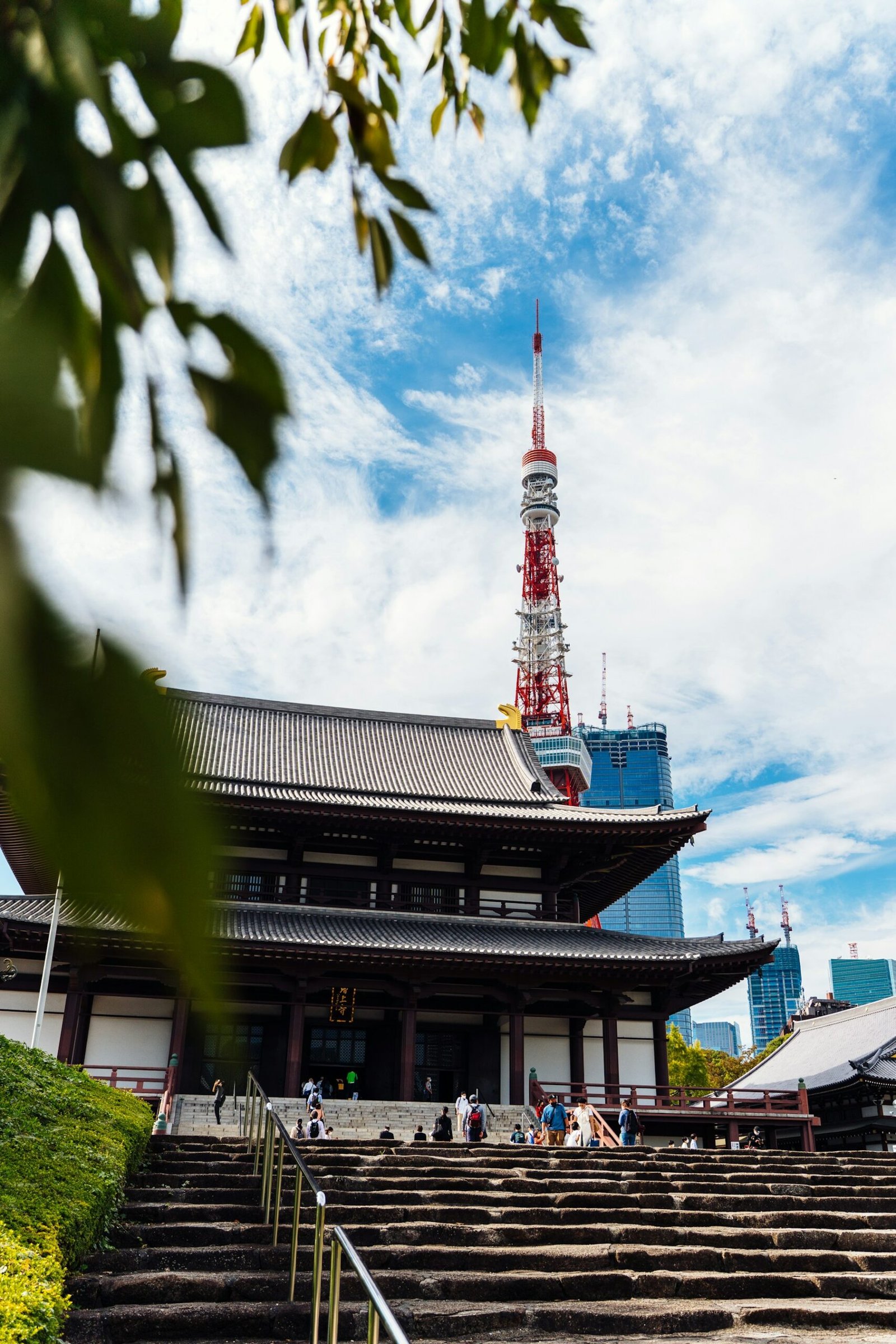
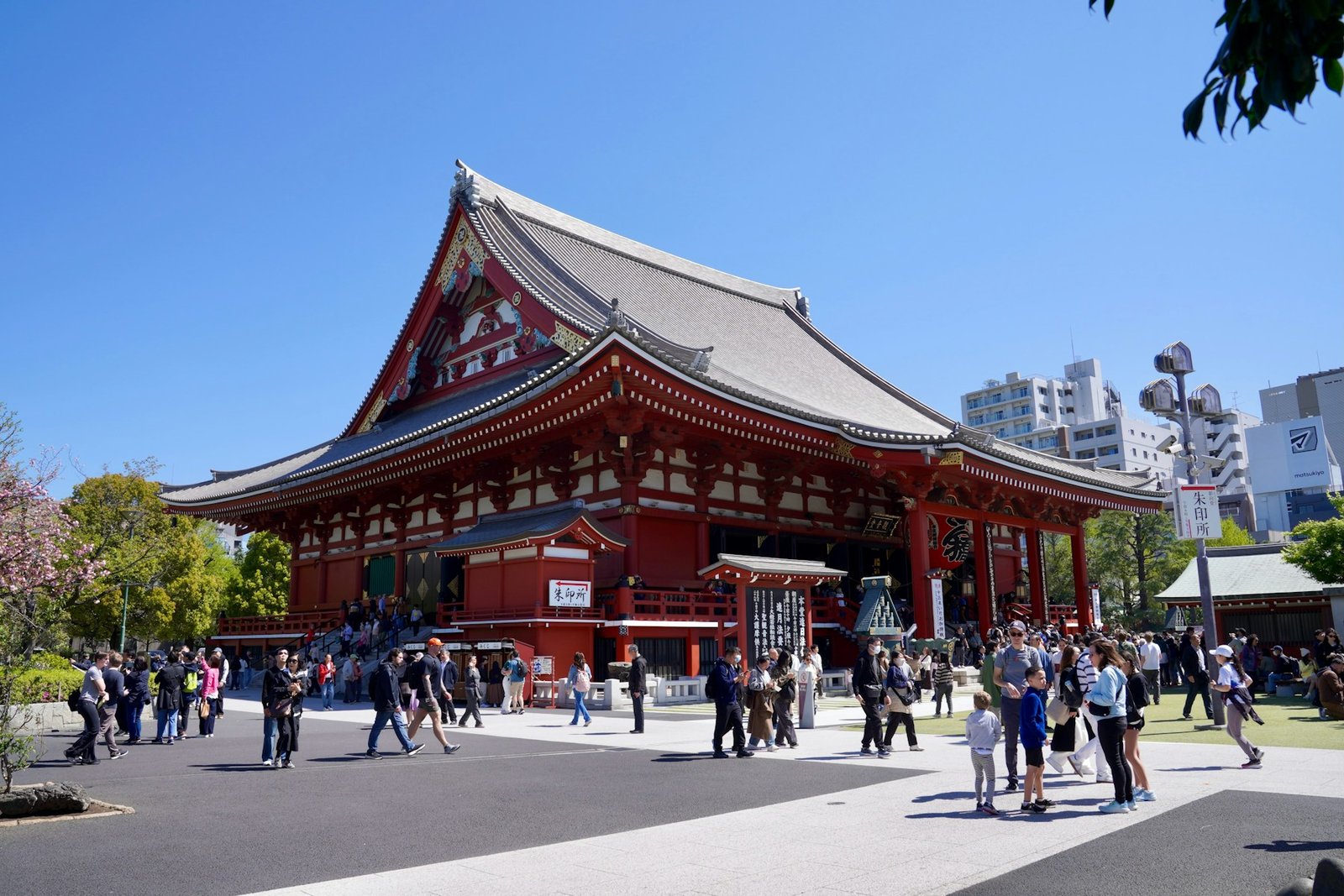
An early temple visit, old shopping lanes, and river access show eastern Tokyo before the day-trip crowds arrive. Allow 2–4 hours. Reach the temple early, then explore surrounding lanes after shops open. No reservation is needed for the temple grounds. Public access is free; museums and food are separate. Keep the worship route clear and avoid treating incense or purification as a photo prop. It is best suited to first-time visitors, families, and culture travelers; On a short Tokyo visit, Asakusa and Sensō-ji should not force a cross-destination transfer.
Meiji Shrine and Harajuku
A wooded shrine approach contrasts with fashion and design streets only minutes away. Allow 3–5 hours. Use the shrine in the morning and Harajuku after shops open. The shrine needs no reservation; special exhibits may. Grounds are free with separate museum admission. Do not combine this pair with distant eastern districts on the same half day. It is best suited to culture, shopping, and design travelers; time-limited visitors should add Meiji Shrine and Harajuku only when it fits the same area and current conditions.
Shibuya
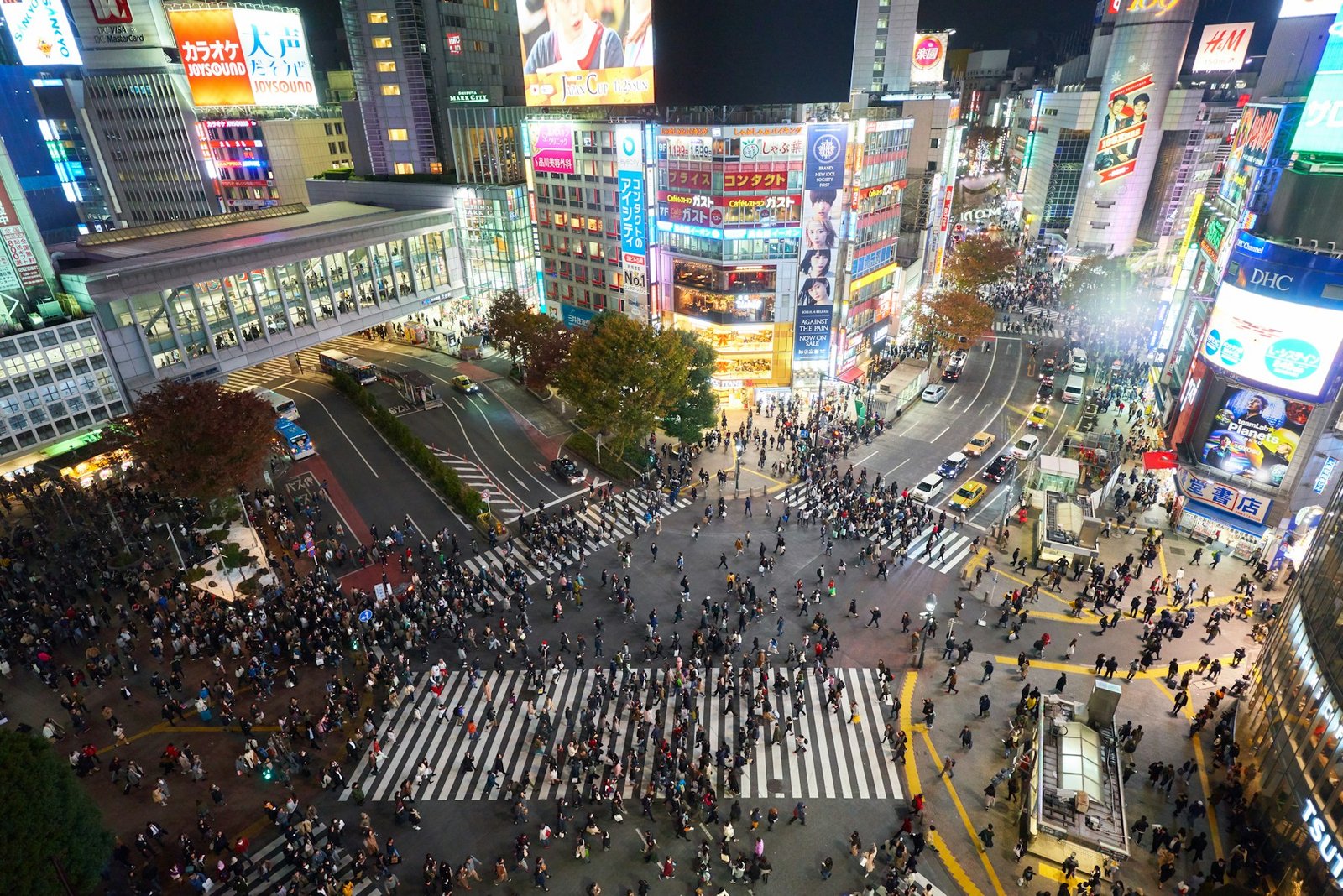
The crossing, elevated viewpoints, backstreets, and dining make most sense as one afternoon-to-evening cluster. Allow 3–5 hours. Reserve a sunset viewpoint only when the forecast and premium suit the plan. Major observation decks require timed tickets. Street areas are free and deck tickets vary. Arrive early for timed entry because station exits are confusing. It is best suited to first-time visitors and city photographers; visitors with little time should retain Shibuya only if it stays near another priority.
Ueno Park and museums
Major national museums, seasonal gardens, and nearby Ameyoko support a weather-flexible eastern day. Allow 3–6 hours. Check museum closing days and start with the collection that matters most. Special exhibitions may need advance tickets. Park access is free and museum fees are separate. Do not attempt every museum in one visit. It is best suited to art, history, and family travelers; on a short stay, keep Ueno Park and museums only when access and geography suit that day.
Shinjuku evening
Skyscraper views, department-store food halls, small bars, and bright streets provide an efficient final daily zone. Allow 3–5 hours. Arrive before dinner and stay within the district after trains become less frequent. Small restaurants may not reserve, while premium venues do. Walking is free and food or viewpoints vary. Respect no-photography signs and avoid aggressive street solicitations. It is best suited to food travelers, couples, and nightlife visitors; On a short Tokyo visit, Shinjuku evening should not force a cross-destination transfer.
A PRACTICAL ROUTE
Suggested itinerary
Arrival neighborhood
Use the correct airport line, leave luggage, learn the nearest station exits, and keep dinner within the hotel district.
Asakusa and Ueno
Visit Sensō-ji early, continue to Ueno for one museum and Ameyoko, and avoid a late western-city crossing.
Meiji, Harajuku, and Shibuya
Begin at Meiji Shrine, continue through design streets, and use a reserved Shibuya viewpoint near sunset.
Tokyo Station, Ginza, and waterfront
Walk the station area and one garden or museum, then continue toward Ginza or the bay without zigzagging.
Shinjuku
Use the morning for a slower local neighborhood, then spend the afternoon and evening in Shinjuku’s towers, food halls, and lanes.
Day trip or specialist Tokyo
Choose Kamakura, Nikko, or a focused Tokyo interest only after checking travel time and reservations; do not stack two day trips.
Flexible final district
Return to a favorite neighborhood, shop near the airport route, and collect luggage with a generous station and flight buffer.
REALISTIC BUDGET
Estimated travel costs
Tokyo costs move most with March–May or October–November, booking timing, taxes, and the exact position of a room in Shinjuku. For Tokyo, let the final Japanese yen (JPY) total control the decision. For Tokyo, its August 1, 2026 dollar conversion may differ at checkout.
TRAVEL WELL
Practical travel tips
- Plan by neighborhood clusters and station exits, not by a long list of attractions scattered across the map.
- Load a physical or supported mobile IC card and keep a separate ticket for services that require reservations.
- Avoid peak commuter trains with large luggage; use station lockers or forwarding when it simplifies the route.
- Carry a small amount of yen because some restaurants, shrines, and older machines remain cash-focused.
- Queue neatly, keep calls quiet on trains, and follow local instructions for trash, shoes, bathing, and photography.
- Summer requires heat planning and typhoon monitoring; spring and autumn still need layers and rain protection.
- Reserve major viewpoints, special exhibitions, character cafés, fine dining, and holiday-period intercity trains early.
- Solo female travelers can use the network confidently while retaining ordinary late-night awareness and avoiding empty nightlife solicitations.
COMMON QUESTIONS
Tokyo travel FAQ
How many days do you need in Tokyo?
5–7 days is a practical first-visit range for Tokyo. If 5–7 days is not available, keep one compact Tokyo base and Asakusa and Sensō-ji; additional days are most useful as weather and transport buffers.
Is Tokyo expensive?
In Tokyo, a realistic daily planning range is ¥11,000–19,000 (about US$70–121) budget; ¥28,000–55,000 (about US$178–349) mid-range, per person. Room choice and reserved transport matter more to the Tokyo total than small savings on meals or local fares.
Do you need a car in Tokyo?
No. Central Tokyo is built for rail, subway, buses, and walking. A rental car adds parking costs and is useful only for a specific rural extension.
What is the best month to visit Tokyo?
November often combines clear, cool walking weather with autumn color, while late April can be pleasant after the main blossom rush.
Is Tokyo safe for solo female travelers?
Tokyo is generally comfortable for solo women and transport is orderly. Keep normal late-night awareness, use women-only cars when available if preferred, and avoid street touts. A final review of official advice, local conditions, and the route from Haneda Airport (HND) or Narita International Airport (NRT) belongs in the departure checklist.
What should you book in advance for Tokyo?
Reserve high-priority observation decks, special exhibitions, theme venues, fine dining, airport seats, and holiday-period intercity trains.
KEEP EXPLORING
Related The Wander Muse guides
PLAN WITH CURRENT INFORMATION
Official resources
For Tokyo, opening hours, fares, permits, weather rules, and transport arrangements can change. Use these official links to confirm what is operating during March–May or October–November, rather than relying on an older itinerary.