START HERE
Why visit Nara
Nara is often compressed into a few hours between Kyoto and Osaka, yet Japan’s first permanent capital deserves more deliberate travel. The city brings monumental Buddhist halls, Shinto forest paths, traditional neighborhoods, and free-roaming deer together within an unusually compact historic landscape. It works especially well for cultural travelers, photographers, families with older children, and visitors who prefer early mornings to nightlife. A day trip covers Nara Park’s headline sights; two or three days make room for Naramachi, Nishinokyo, or the Hōryūji area without racing temple closing times. Most central sights are walkable from Kintetsu Nara Station, while buses and JR trains simplify outlying districts. This guide compares the best bases, explains respectful deer encounters, sets out realistic yen budgets, and provides a three-day route. The main planning rule is simple: start early, group nearby temples, and verify admission hours because many cultural sites close well before dinner.
AT A GLANCE
Nara quick travel summary
Rounded U.S. equivalents use about ¥164 to US$1 for planning only. Exchange rates and hotel prices change, so compare the yen total shown by the seller.
WHEN TO GO
Best time to visit
Spring (March–May)
Spring moves from cool mornings into mild walking weather. Plum and cherry blossoms draw heavy crowds, especially around Nara Park and major temples, while Golden Week in late April and early May raises transport and room demand. Prices are highest on famous blossom weekends. Start before tour groups, reserve accommodation early, and bring a light rain layer. Late May is warmer and greener, with fewer blossom-driven visitors but occasional humid days.
Summer (June–August)
Early summer is humid and rainy, followed by hot, bright weather that can make exposed paths tiring. Crowds fluctuate around school holidays and the Obon period, and air-conditioned breaks become important. Rooms may be easier to find outside festivals, but heat reduces the value of an overloaded itinerary. Visit temples at opening, pause indoors at midday, carry water, and use buses between distant groups of sights. Evening lantern events can be atmospheric, though dates and access change annually.
Autumn (September–November)
September may remain hot and can bring typhoon disruption, while October and November usually offer cooler walks and autumn color. Temple gardens and forest approaches become particularly popular on weekends, and November accommodation can sell early. Prices rise around peak foliage dates. Use weekday mornings for Tōdai-ji and Kasuga Taisha, then visit quieter districts later. A flexible rain plan matters because the timing and intensity of color vary each year.
Winter (December–February)
Winter is cold but often clear, with thinner crowds outside New Year. Daylight is shorter and temple schedules may change around holidays, yet crisp mornings suit photography and long park views. Room prices can be favorable on ordinary weekdays. Wear warm layers, finish outdoor routes before dark, and confirm New Year transport or closures. This is a good season for travelers who value calm courtyards more than blossoms or foliage.
ARRIVING
How to get there
Kintetsu Nara Station is the most convenient arrival point for Nara Park, with the first major sights roughly a 15- to 25-minute walk away. JR Nara Station sits farther west but is useful for Japan Rail connections and has frequent local buses toward the park. From Kyoto, direct or limited-express Kintetsu services are usually the simplest for the historic core; JR services are useful for rail-pass holders. From Osaka, choose Kintetsu from Osaka-Namba for central access or JR from Osaka/Tennōji according to the ticket and hotel location. Travel commonly takes about 35–60 minutes, but the exact train and transfer pattern matters. From Kansai International Airport, airport limousine buses may operate to Nara, while rail alternatives connect through Osaka; verify the current timetable for the arrival hour. Buy limited-express supplements when required rather than assuming a base fare covers every train. For a day trip, travel with a small bag and use station lockers because crowded buses and temple paths are awkward with luggage.
MOVING AROUND
Getting around
Central Nara rewards walking: Kintetsu Nara, Kōfuku-ji, Nara Park, Tōdai-ji, and Kasuga Taisha form a logical eastward route. The distances are longer than a map first suggests, so buses are useful for the return or for Nishinokyo. Nara Kotsu sells visitor bus passes, including a basic one-day option and wider-area products; prices and coverage should be checked on the official pass page before purchase. IC cards such as ICOCA are convenient on many trains and buses, but they do not replace a seat supplement on limited-express trains. Taxis save energy between stations and accommodation, especially with luggage. A rental car is unnecessary in central Nara and parking adds friction; consider one only for rural prefectural routes beyond the city. Bicycles suit confident riders on flatter western streets, but pedestrians, deer, traffic, and temple restrictions require care. For most visitors, arrive at Kintetsu Nara, walk the park route, then return by bus.
CHOOSE A BASE
Where to stay
Kintetsu Nara and the eastern center — best for first-time visitors
This is the easiest base for early access to Nara Park, Kōfuku-ji, shopping arcades, restaurants, and trains to Kyoto or Osaka. It minimizes transit on a one- or two-night stay and suits travelers who want quiet landmarks before day-trippers arrive. Rooms can cost more on blossom and foliage weekends, and the busiest streets feel commercial. Choose it for convenience, especially if the trip begins or ends on a Kintetsu line.
JR Nara and Sanjō-dōri — best for value and rail connections
The corridor between JR Nara and the historic center has business hotels, practical dining, supermarkets, and buses to the park. Rates can be better than immediately around Kintetsu Nara, and JR access helps travelers using regional passes. The drawback is an extra walk or bus ride to the principal temples. It suits budget travelers, late arrivals, and anyone continuing by JR toward Osaka or Hōryūji.
Naramachi or Takabatake — best for atmosphere and slower stays
Traditional lanes south of the park offer converted townhouses, small guesthouses, cafés, and a calmer evening setting. Takabatake places travelers near wooded approaches and the southern edge of Nara Park. Inventory is limited, rooms may have stairs or floor bedding, and dinner choices close earlier than in the station areas. Select this base for character, photography, and a two- or three-night visit rather than fast onward connections.
PLAN YOUR DAYS
Best things to do
Start early at Tōdai-ji and the Great Buddha Hall
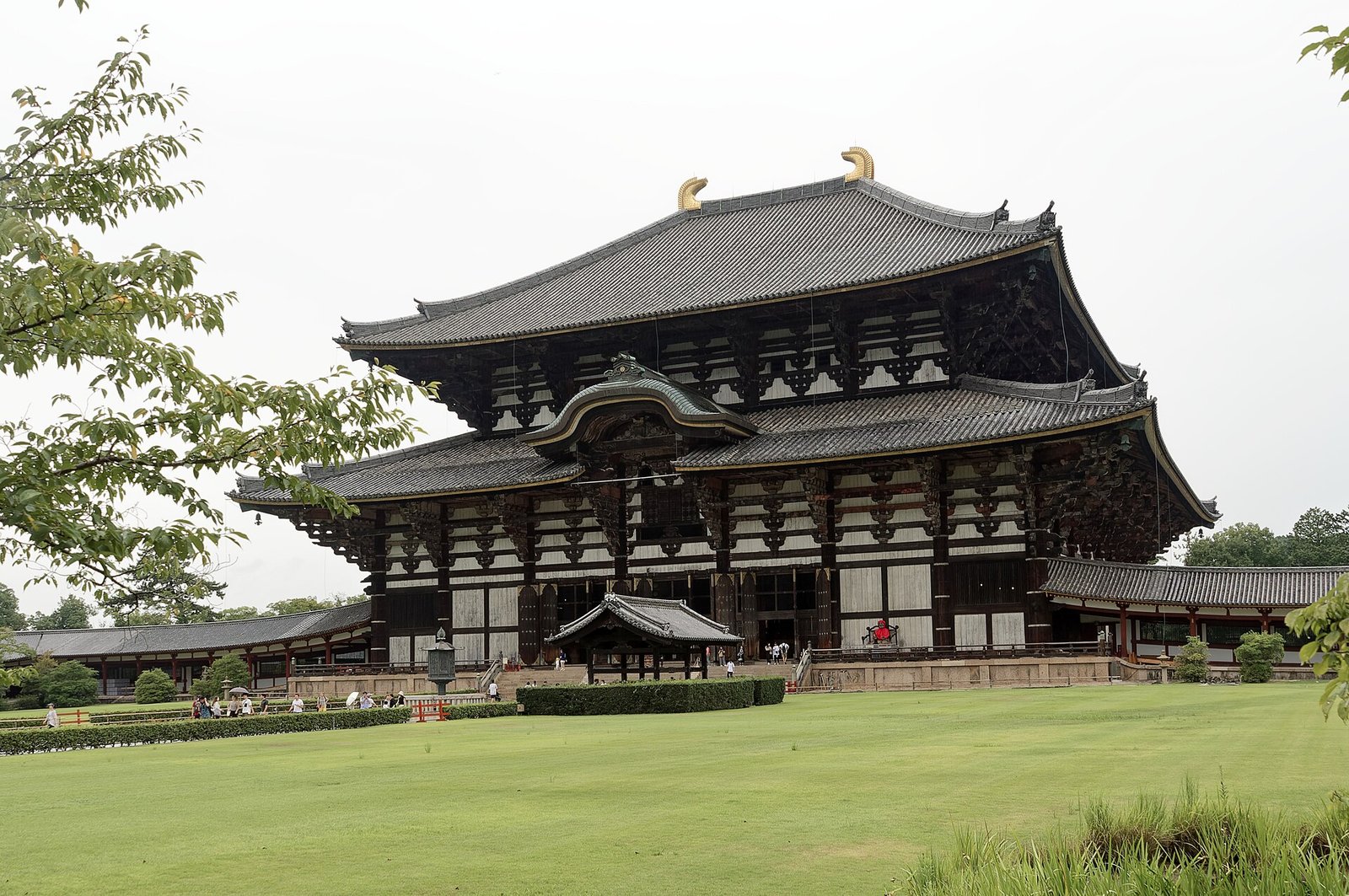
Tōdai-ji’s monumental hall and bronze Buddha are Nara’s essential historical experience. Allow 60–90 minutes for the main precinct, longer if adding Nigatsudō and the hill paths. Arrive near opening for calmer interiors and softer light; the temple publishes seasonal hours and a current adult admission of ¥800 for the Great Buddha Hall. Advance reservations are not normally needed for independent visitors, but large groups create queues. Continue uphill to Nigatsudō for perspective rather than turning back at the main gate.
Walk Nara Park to Kasuga Taisha with respectful deer encounters
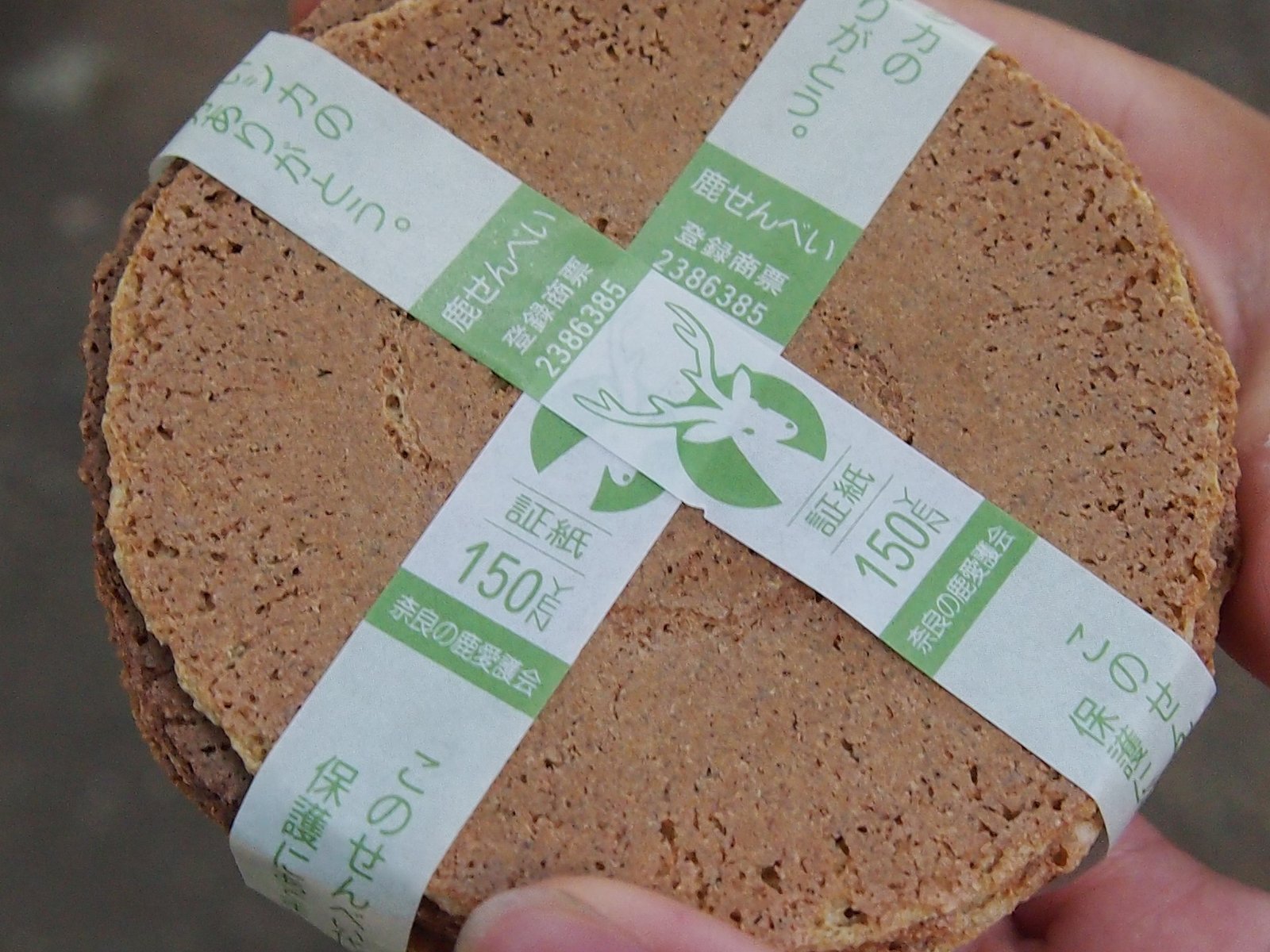
The park links lawns, woodland, shrines, and temple approaches rather than functioning as a fenced animal attraction. Allow two to three hours when walking from Tōdai-ji to Kasuga Taisha. Buy only official shika senbei crackers, show empty hands when finished, do not tease or touch resting animals, and secure paper maps or food. Deer can nip, butt, or crowd visitors, especially when hungry. Early morning is quieter; families should supervise children closely.
Combine Kōfuku-ji with Naramachi
Kōfuku-ji’s pagodas and museum introduce the powerful Fujiwara clan close to Kintetsu Nara. Continue south into Naramachi for preserved merchant-house streets, craft shops, and small museums. Allow three to four hours for the pair, checking which halls or collections are open and ticketed. Morning favors temple photography; later afternoon suits cafés and lanes. The route is ideal for travelers wanting more context than a deer-and-Buddha day trip.
Make a half-day trip to Hōryūji
Hōryūji preserves some of the world’s oldest surviving wooden architecture and rewards visitors interested in early Japanese Buddhism. Reach the area by JR train toward Hōryūji Station and a connecting bus or walk, or by through bus when the schedule fits. Allow four to five hours from central Nara, including transport. Admission and opening hours should be confirmed on the official visitor guide. Start early and avoid combining it with the full Nara Park circuit on a one-day visit.
Explore Nishinokyō or the Yamanobe-no-michi
Nishinokyō’s Yakushi-ji and Tōshōdai-ji provide a quieter temple day west of the center, while the Yamanobe-no-michi offers a rural historic trail for prepared walkers. Each deserves at least half a day, and the trail requires weather-suitable shoes, water, and careful station planning. Temple fees and hours vary. Choose Nishinokyō for architecture and easier logistics; choose the countryside walk for repeat visitors who understand that it is not a substitute for Nara Park’s headline sites.
A PRACTICAL ROUTE
Suggested itinerary
Nara Park, Tōdai-ji, and Kasuga Taisha
Arrive at Kintetsu Nara before the main day-trip wave. Walk through Kōfuku-ji to Tōdai-ji at opening, continue to Nigatsudō, then follow the wooded route toward Kasuga Taisha. Return through the park by bus or on foot and eat near the station. Keep deer food sealed until you are ready to use it.
Naramachi and Nishinokyō
Begin with Naramachi’s lanes and a merchant-house or craft stop, then have an early lunch. Use the bus or Kintetsu line toward Yakushi-ji and Tōshōdai-ji, grouping the western temples before their afternoon closing times. Return to the center for dinner rather than crossing the city again.
Hōryūji and an unhurried final evening
Take a morning JR train and local connection to Hōryūji. Give the precinct enough time for its architecture and museum collections, then return in mid-afternoon. Use the final hours for anything missed around Kōfuku-ji or for a quiet Naramachi dinner. Travelers with only one day should use Day 1 alone rather than compressing all three.
REALISTIC BUDGET
Estimated travel costs
At roughly ¥164 per US$1, ¥12,000 is about US$73 and ¥50,000 about US$305. These are rounded planning comparisons, not card-settlement rates; pay attention to the yen price and any accommodation tax or rail supplement.
TRAVEL WELL
Practical travel tips
- Feed deer only the crackers sold for that purpose. Do not offer packaged food, tease animals, or hold paper where they can grab it.
- Many temples close in the late afternoon, so place cultural sites before shopping and dinner rather than assuming evening admission.
- Use Kintetsu Nara for the shortest walk to the park and JR Nara when its rail connection or your pass clearly makes more sense.
- Carry some yen for small admissions, lockers, bus situations, and traditional shops even though cards are increasingly accepted.
- Shoes should slip on and off easily and remain comfortable on gravel, stone, and long approaches; follow photography restrictions indoors.
- Summer heat and humidity require an early start, water, shade breaks, and fewer stops than a spring or autumn itinerary.
- Book blossom, foliage, and Golden Week rooms early, but verify natural conditions rather than relying on last year’s peak dates.
- Step-free access varies across historic precincts. Check official accessibility notes and ask visitor centers about the least steep approach.
COMMON QUESTIONS
Nara travel FAQ
Is Nara worth more than a day trip?
Yes for travelers interested in temples, quiet neighborhoods, or early-morning photography. One day covers the park highlights; two or three days make Hōryūji, Nishinokyō, and Naramachi much more relaxed.
How many days do you need in Nara?
Allow one full day for Tōdai-ji, the park, Kasuga Taisha, and Kōfuku-ji. Two nights and three days suit visitors adding western temples or Hōryūji without racing closing times.
Is it better to reach Nara by JR or Kintetsu?
Kintetsu Nara is closer to the main park sights. JR Nara can be preferable with a relevant rail pass, a JR connection, or accommodation near Sanjō-dōri.
Are the deer in Nara safe?
They are wild animals accustomed to people, not pets. Most encounters are calm, but deer can bite, butt, or crowd visitors around food, so follow the posted rules and supervise children.
What is the best month to visit Nara?
April is famous for blossoms and November for foliage, but both can be crowded. May and October often balance pleasant walking weather with more manageable demand outside major holidays.
Is Nara suitable for solo female travelers?
Nara is generally straightforward for solo travel. Use normal precautions after dark, stay aware on quiet forest paths, share rural hiking plans, and choose a station-area base for late arrivals.
KEEP EXPLORING
Related The Wander Muse guides
CHECK BEFORE DEPARTURE
Sources and official resources
Schedules, fares, closures, access rules, and reservations affecting Nara can change. Recheck the official resources below shortly before departure.