
START HERE
Why visit Tulum
Tulum combines a cliff-top Maya site, Caribbean beaches, freshwater cenotes, and access to the Sian Ka’an biosphere, but rapid development makes location and transport planning essential. It suits beaches, maya history, cenotes, couples, wellness, and short yucatán road trips and works best when Tulum Archaeological Zone and Public beach and Parque del Jaguar stay on separate compact days. A first visit works best when Tulum Archaeological Zone, Public beach and Parque del Jaguar, and A responsible cenote are arranged around realistic transport and weather windows. Tulum Pueblo offers food and value, the beach road provides sand outside the door at premium prices, and Aldea Zama sits between them without eliminating taxi dependence. Tulum planning connects Tulum International Airport (TQO); Cancún International Airport (CUN) remains an alternative, ado intercity bus, Tulum Pueblo, and Tulum Archaeological Zone with the six-row Mexican peso (MXN) budget and 4–6 days route below. Before booking Tulum, use the linked authorities to verify opening days, ado intercity bus, and any timed entry for Tulum Archaeological Zone.
AT A GLANCE
Tulum quick travel summary
Tulum prices are planning ranges rather than quotes. Ask for the complete Tulum price in writing, including taxes, payment fees, booking terms, and any connection from Tulum International Airport (TQO); Cancún International Airport (CUN) remains an alternative.
WHEN TO GO
Best time to visit
Dry season (December–April)
Across Tulum, expect lower humidity, brighter days, and generally calmer travel conditions; conditions near Tulum Archaeological Zone can vary. For Tulum, crowds and prices are at their highest during peak international demand. This period creates better conditions for Tulum Archaeological Zone in Tulum; the main drawback is that visitors in Tulum should book popular rooms, boats, and guides well ahead. Sargassum, hurricanes, cenote water conditions, construction, and traffic on the beach road can outweigh a simple month-by-month forecast. Recheck Tulum weather and the operating status of Tulum Archaeological Zone shortly before any weather-sensitive or reservation-dependent day.
Early shoulder season (May–June)
Across Tulum, expect warmer humidity with a mix of sunshine and short showers; conditions near Public beach and Parque del Jaguar can vary. For Tulum, crowds and prices are generally lower, with occasional accommodation value. For Tulum, this window favors Public beach and Parque del Jaguar. Schedule it only after accounting for the fact that in Tulum, heat and rain make rigid schedules uncomfortable. Sargassum, hurricanes, cenote water conditions, construction, and traffic on the beach road can outweigh a simple month-by-month forecast. Recheck Tulum weather and the operating status of Tulum Archaeological Zone shortly before any weather-sensitive or reservation-dependent day.
Wet or storm season (July–October)
Across Tulum, expect heavier rain risk and possible tropical systems; conditions near A responsible cenote can vary. Crowds and prices are generally lower outside local holidays. A responsible cenote is the most practical Tulum focus during this period. The limitation is that visitors in Tulum should use refundable terms and monitor official forecasts. Sargassum, hurricanes, cenote water conditions, construction, and traffic on the beach road can outweigh a simple month-by-month forecast. Recheck Tulum weather and the operating status of Tulum Archaeological Zone shortly before any weather-sensitive or reservation-dependent day.
Transition month (November)
Across Tulum, expect improving weather but lingering rain or rough-water days; conditions near Sian Ka’an Biosphere Reserve can vary. Demand and prices are rising toward the festive season. This period creates better conditions for Sian Ka’an Biosphere Reserve in Tulum; the main drawback is that visitors in Tulum should confirm marine, road, and attraction operations locally. Sargassum, hurricanes, cenote water conditions, construction, and traffic on the beach road can outweigh a simple month-by-month forecast. Recheck Tulum weather and the operating status of Tulum Archaeological Zone shortly before any weather-sensitive or reservation-dependent day.
ARRIVING
How to get there
TQO is the nearest airport, with authorized buses, transfers, taxis, and rental cars serving the hotel zone and town. CUN offers more flights but adds a longer southbound transfer. ADO buses are usually the cheapest reliable intercity option; confirm the exact airport terminal and Tulum stop through the official operator. Private transfers are easiest for late arrivals or beach-road hotels, where the final distance can be slow. Rental cars help with Cobá and remote cenotes but create parking and police-stop concerns; use a recognized company and document the vehicle carefully.
MOVING AROUND
Getting around
The Pueblo is walkable and bicycle-friendly on selected streets, while the beach road is long, hot, congested, and expensive by taxi. Colectivos can help on Highway 307 and selected attractions, but they are not designed for every luggage or beach transfer. Agree taxi fares before departure because meters are uncommon. A small rental car is useful for regional days and unnecessary for a beach-only stay. Cycling after dark or on high-speed roads is risky; use lights, helmets, and a verified ride for evening returns. For a 4–6 days visit, group Tulum Archaeological Zone with Public beach and Parque del Jaguar, then protect A responsible cenote for the strongest weather or access window. Tulum Archaeological Zone and Public beach and Parque del Jaguar belong on separate compact Tulum stages; that leaves room for a delayed ado intercity bus connection. Accessible Tulum planning needs four checks: ado intercity bus boarding, surfaces, restrooms, and the final approach to Tulum Archaeological Zone.
CHOOSE A BASE
Where to stay
Tulum Pueblo — best for budget and food
Restaurants, buses, shops, and lower room rates make town the practical first-time base. Daily beach trips take time and taxi costs accumulate.
Tulum Beach Road — best for sand and couples
Beach access, boutique hotels, and wellness venues are immediate. Rates, meals, taxis, power reliability, and sargassum exposure are the main disadvantages.
Aldea Zama — best for apartments and longer stays
Newer apartments and a position between town and coast suit self-catering travelers. Construction and limited walking connections mean bicycles or taxis are still needed.
PLAN YOUR DAYS
Best things to do
Tulum Archaeological Zone
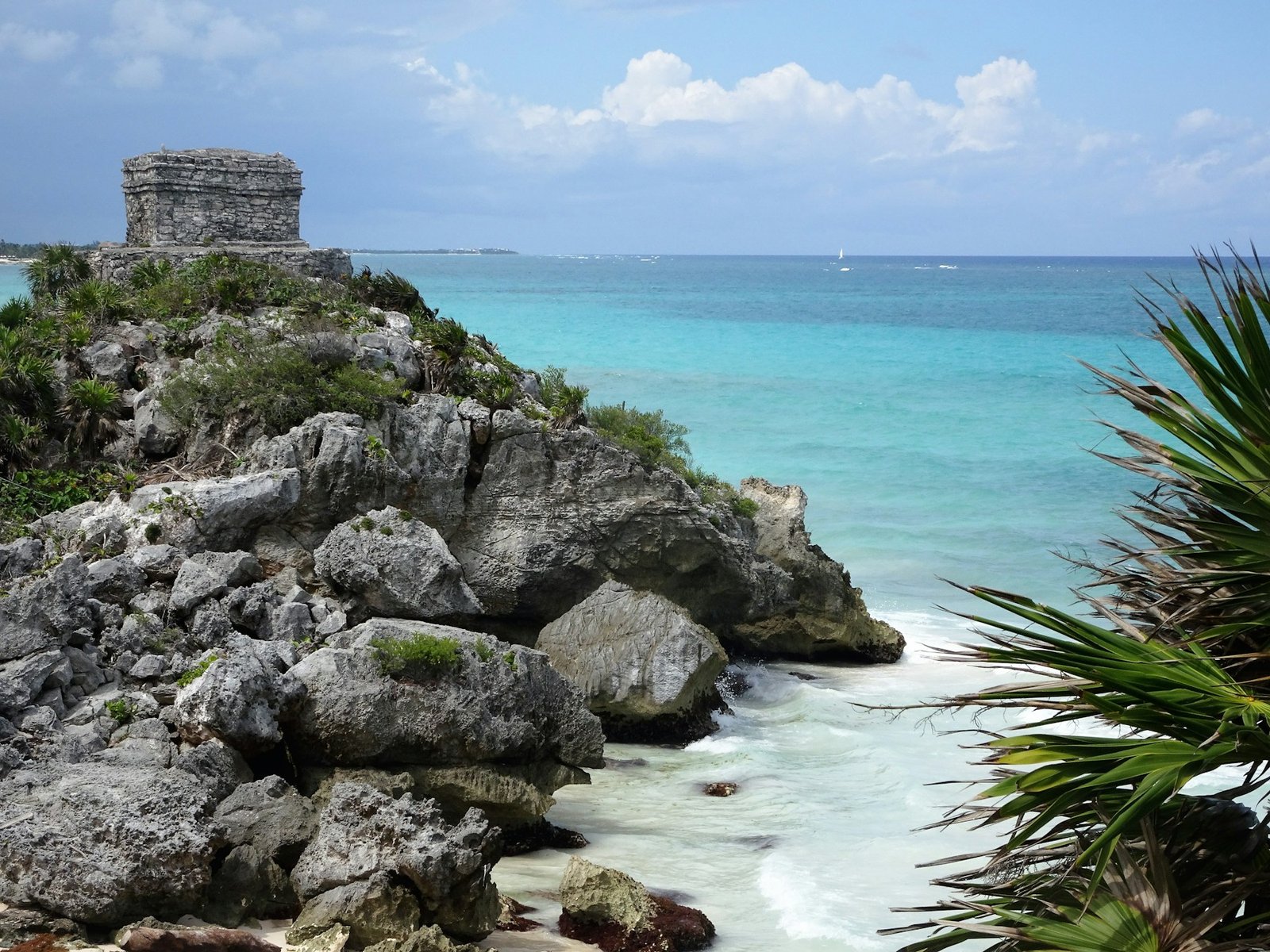
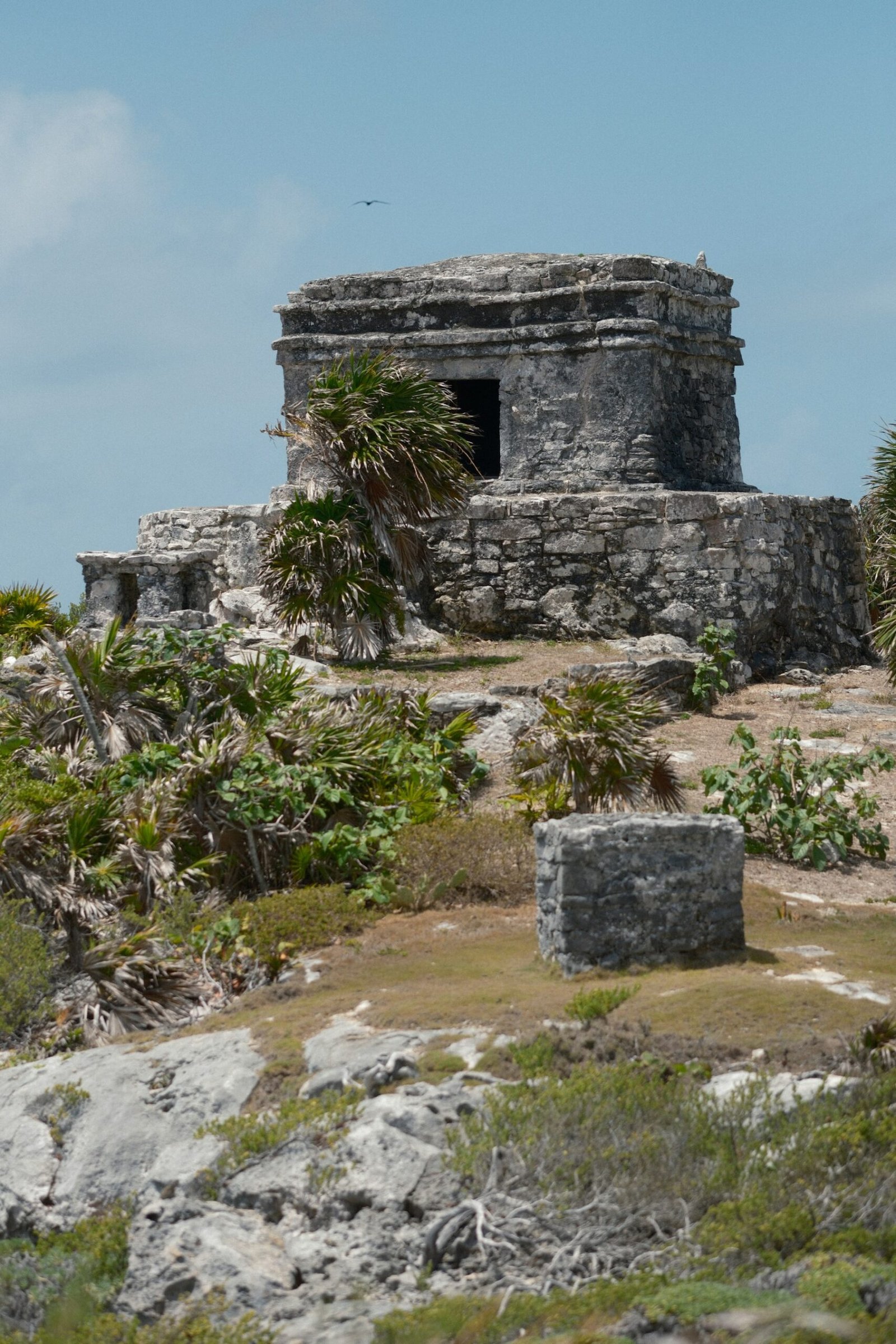
The fortified Maya site occupies a rare cliff-top position above the Caribbean and explains Tulum before the resort era. Allow 2–3 hours. Use the earliest official entry before heat and tour groups. Timed or official online tickets may be required. Admission, conservation, and transport charges can be separate. Carry water and use only authorized guides. It is best suited to history travelers and first-time visitors; time-limited visitors should add Tulum Archaeological Zone only when it fits the same area and current conditions.
Public beach and Parque del Jaguar
Protected coastal access links the ruins with broad sand and restored natural areas. Allow 3–5 hours. Check sargassum, flags, weather, and current access rules. Transport or park entry may use an official system. Fees and shuttle arrangements can change. Swim only under safe flags and protect dunes. It is best suited to families, couples, and beach travelers; On a short Tulum visit, Public beach and Parque del Jaguar should not force a cross-destination transfer.
A responsible cenote
Freshwater caverns and open pools reveal the Yucatán’s limestone geology. Allow 2–4 hours. Choose an early slot and verify recent water-quality or closure notices. Small cenotes may need advance booking. Entry, life jacket, lockers, and cameras may be charged separately. Shower first and avoid sunscreen in the water. It is best suited to swimmers and geology travelers; on a short stay, keep A responsible cenote only when access and geography suit that day.
Sian Ka’an Biosphere Reserve
Wetlands, lagoons, mangroves, and wildlife provide the region’s most important conservation landscape. Allow Full day. Choose a licensed small-group route for weather and road conditions. Advance reservation with an authorized operator is recommended. Permit, boat, guide, and transport costs vary. Avoid wildlife chasing and high-speed boat practices. It is best suited to nature travelers with an extra day; visitors with little time should retain Sian Ka’an Biosphere Reserve only if it stays near another priority.
Cobá day trip
Forest paths and Maya structures create a broader archaeological context inland from Tulum. Allow Half to full day. Leave early and combine only with a nearby cenote. Official entry should be checked before travel. Admission, bicycle transport, and guide fees vary. Do not build a rushed Cobá–Chichén Itzá–Tulum day. It is best suited to history travelers and families; time-limited visitors should add Cobá day trip only when it fits the same area and current conditions.
A PRACTICAL ROUTE
Suggested itinerary
Pueblo orientation
Use an authorized transfer or ADO bus, learn the town layout, and keep the first evening near the hotel.
Ruins and coast
Enter the archaeological zone early, continue through the official coastal-access system, and leave before peak heat.
Cenote day
Visit one responsibly managed cenote early and retain the afternoon for town food rather than stacking multiple swims.
Sian Ka’an
Use a licensed small-group conservation tour in the strongest weather window.
Cobá or beach buffer
Take a focused inland history day, or retain a sargassum and storm buffer for the coast.
REALISTIC BUDGET
Estimated travel costs
Tulum costs move most with November–April, booking timing, taxes, and the exact position of a room in Tulum Pueblo. Keep the Tulum budget in Mexican peso (MXN). Rounded dollar equivalents for Tulum use August 1, 2026 reference rates; actual card statements will differ.
TRAVEL WELL
Practical travel tips
- Check official sargassum reports, beach flags, and hurricane forecasts before paying for a beach-road room.
- Use authorized airport transport and official ADO channels; verify the terminal and Tulum stop.
- Agree taxi fares before departure and retain enough pesos for rides, cenotes, and small restaurants.
- Use reef- and cenote-conscious products and shower before entering freshwater systems.
- Do not leave valuables in rental cars or unattended on beaches.
- Choose licensed Sian Ka’an and diving operators with clear wildlife and cancellation practices.
- Reserve dry-season rooms, airport transfers, and priority cenotes early.
- Solo women should use verified nighttime transport and avoid cycling alone on dark roads.
COMMON QUESTIONS
Tulum travel FAQ
How many days do you need in Tulum?
4–6 days is a practical first-visit range for Tulum. If 4–6 days is not available, keep one compact Tulum base and Tulum Archaeological Zone; additional days are most useful as weather and transport buffers.
Is Tulum expensive?
In Tulum, a realistic daily planning range is MXN 1,900–3,300 (about US$110–190) budget; MXN 5,200–10,000 (about US$300–576) mid-range, per person. The main premiums are well-placed accommodation, travel during November–April, and private or guided versions of Tulum Archaeological Zone.
Do you need a car in Tulum?
A car is optional. Town, beach, and ruins can use buses, bicycles, colectivos, and taxis; rent one only for Cobá or dispersed cenotes.
What is the best month to visit Tulum?
February often combines drier weather with warm water, while sargassum and crowd conditions still need a current check.
Is Tulum safe for solo female travelers?
Tulum can be visited solo with careful transport choices. Use verified rides after dark, avoid isolated beaches, and do not cycle unlit roads alone. Before departing for Tulum, review current government advice alongside local weather and transport notices.
What should you book in advance for Tulum?
Reserve dry-season rooms, airport transport, archaeological entry if required, responsible cenotes, and Sian Ka’an tours.
KEEP EXPLORING
Related The Wander Muse guides
PLAN WITH CURRENT INFORMATION
Official resources
For Tulum, opening hours, fares, permits, weather rules, and transport arrangements can change. Use these official links to confirm what is operating during November–April, rather than relying on an older itinerary.