START HERE
Why visit Medellín
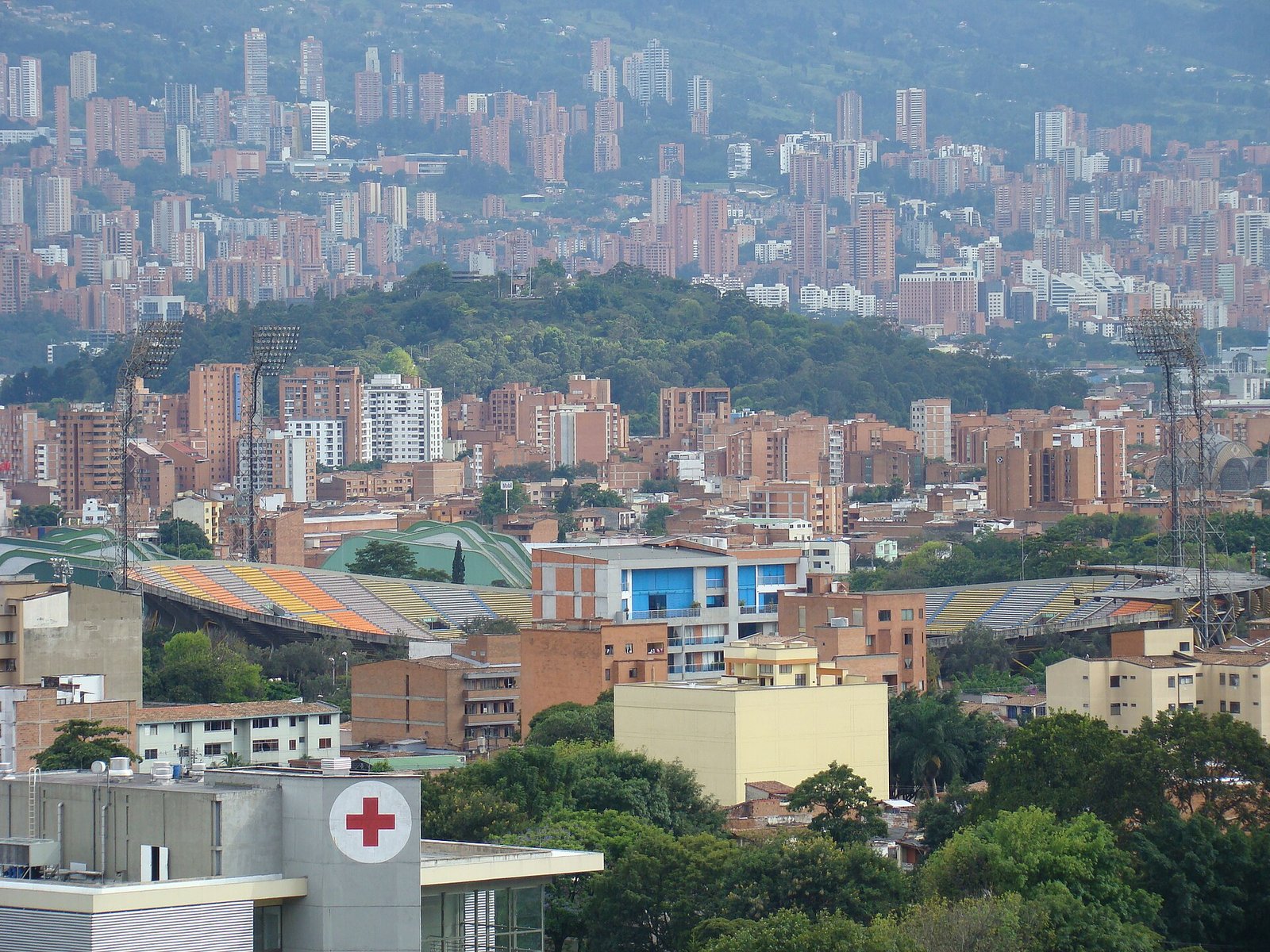
Medellín occupies a long Andean valley where dense neighborhoods, green ridges, public transport, museums, nightlife, and ambitious urban projects sit close in distance but far apart in experience. It suits culture-focused city travelers, digital nomads on short stays, food explorers, solo visitors, and travelers using the city as a base for Antioquia. Five days allow the center with a knowledgeable guide, Comuna 13, a cable-car landscape day, museums, and one regional excursion without reducing the city to a transformation slogan. This guide explains seasonal rain, airport transfers, Metro use, accommodation areas, costs, and a coherent itinerary. The most important planning point is context: neighborhood conditions, transport patterns, and visitor pressure change. Use current local advice, visit residential areas respectfully, and choose tours that credit communities rather than treating daily life as spectacle.
AT A GLANCE
Medellín quick travel summary
Exchange rates, event demand, tours, and accommodation prices shift frequently. Treat these peso figures as planning ranges and verify the final COP price, taxes, insurance, meeting points, and cancellation conditions.
WHEN TO GO
Best time to visit
Drier period (December–February)
These months are often sunnier and somewhat drier, though rain remains possible in a tropical mountain climate. Holiday dates and events can raise flight and room prices. Clear mornings suit cable cars, viewpoints, and regional day trips. Carry sun protection plus a compact rain layer, and avoid treating the phrase “city of eternal spring” as a guarantee of stable weather.
First rainy period (March–May)
Rainfall and afternoon storms become more frequent, with April and May commonly wetter. Vegetation is vivid and temperatures remain moderate, while prices depend on Easter and conference dates. Plan outdoor tours in the morning, wear shoes with grip, and keep museums ready for storms. Heavy rain can slow traffic and affect steep paths or regional roads.
Mid-year shoulder (June–August)
July and August often provide a relatively drier window and busy cultural calendars, including major events whose dates vary. Demand and traffic rise around festivals. Mornings can be excellent for city views and outdoor excursions, but showers still occur. Reserve event-period accommodation early and allow extra time around parade, concert, or road-closure zones.
Second rainy period (September–November)
Frequent rain and thunderstorms return, especially later in the day. Prices can be attractive outside events, and the city remains fully visitable with flexible planning. Use mornings for cable cars and hillside activities, then museums or food experiences in the afternoon. Never shelter under isolated trees in lightning, and expect airport road delays during severe weather.
ARRIVING
How to get there
José María Córdova International Airport sits outside the valley near Rionegro. Official airport buses, authorized taxis, shared transport, and app-based services connect with Medellín; routes, pickup points, and fares should be checked on the airport’s current information. Road travel commonly takes around an hour but can be substantially longer with congestion, rain, or construction. A new visitor arriving late is often most comfortable with an authorized taxi or accommodation-arranged transfer. Lower-cost buses may terminate at a point requiring a second ride to the hotel. Olaya Herrera Airport serves selected domestic routes from within the city. Drivers should not rent a car solely for central sightseeing because traffic and parking are demanding. Keep the hotel address available offline, confirm the quoted currency, and never accept an unsolicited ride outside the designated system.
MOVING AROUND
Getting around
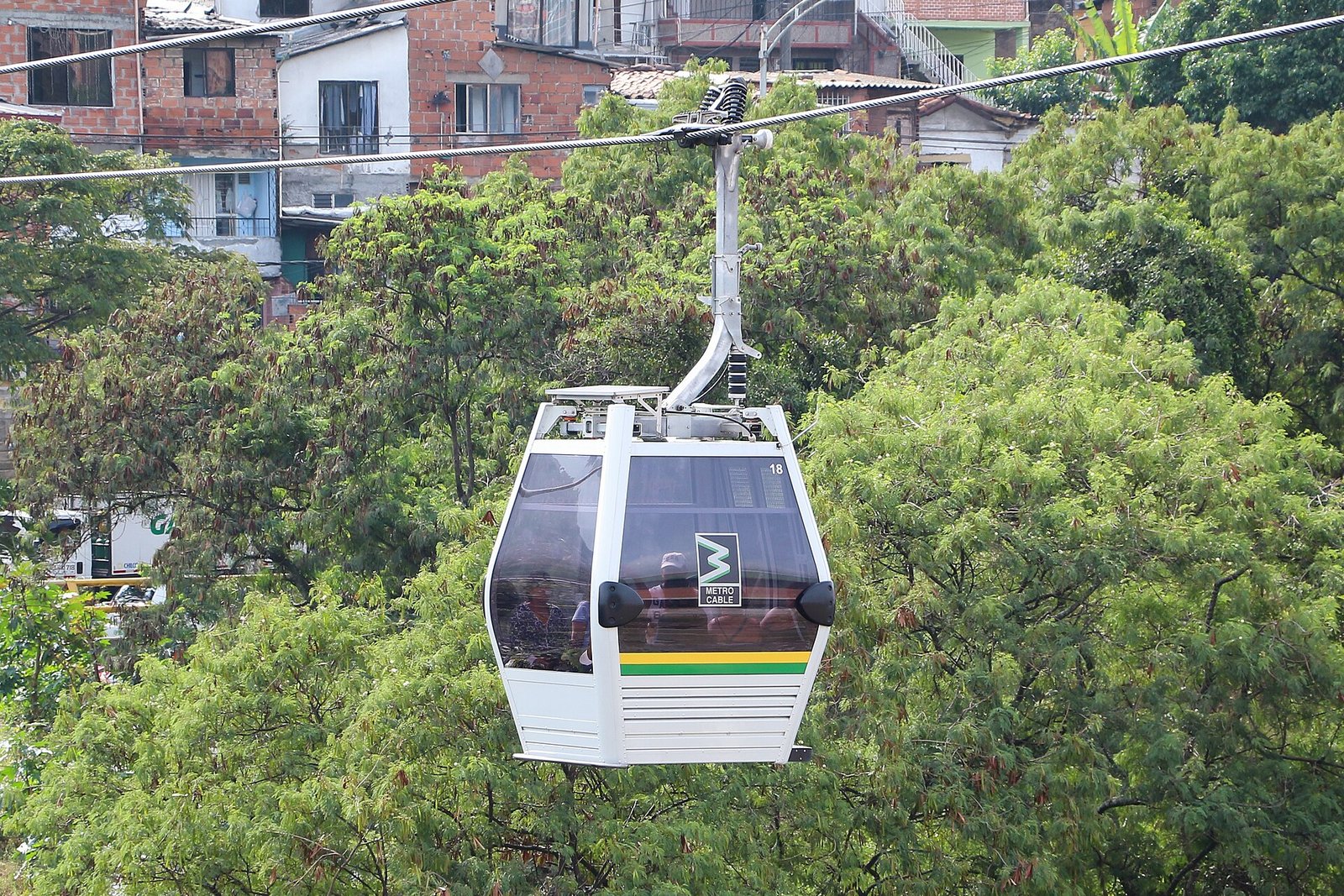
The integrated Metro network includes rail, tram, Metrocable, and feeder connections that make many visitor routes efficient. Check official service information, current payment products, operating times, and accessibility before travel. Cable cars are public transport, not merely viewpoints; let passengers board and exit without blocking access. Walking works within El Poblado, Laureles, parts of Envigado, and planned central routes, but steep streets and large road crossings matter. Use authorized taxis or recognized apps at night, verifying the plate. Buses extend coverage but can be difficult for newcomers without Spanish. A rental car is unnecessary for the city and regional day tours remove parking stress. Keep bags controlled in crowded stations and avoid using a phone at open doors.
CHOOSE A BASE
Where to stay
El Poblado — best for first-time convenience and nightlife
El Poblado has the largest concentration of international hotels, restaurants, coworking spaces, tours, and nightlife. It suits first-time visitors and short stays, but it is not uniformly walkable: steep hills separate many properties from the Metro. Prices, traffic, and weekend noise are high around Parque Lleras and Provenza. Choose the exact block carefully and use registered transport after late evenings.
Laureles — best for a flatter, more residential base
Laureles offers tree-lined streets, restaurants, sports venues, and a calmer rhythm with less extreme elevation than El Poblado. Couples, longer-stay visitors, and food travelers often prefer it. Metro access may require a walk, bus, or taxi depending on the property, and match or concert nights create noise near the stadium. Confirm the nearest practical transit connection.
Envigado or Manila — best for local atmosphere or balanced access
Envigado provides a separate municipal center, neighborhood restaurants, and a more residential stay; Manila sits within El Poblado but feels quieter than the main nightlife streets and has useful Metro access. Both suit repeat visitors. Envigado lengthens trips to northern attractions, while Manila rates have risen. Select a well-reviewed block and avoid assuming an entire district has one safety profile.
PLAN YOUR DAYS
Best things to do
Museo de Antioquia and Plaza Botero
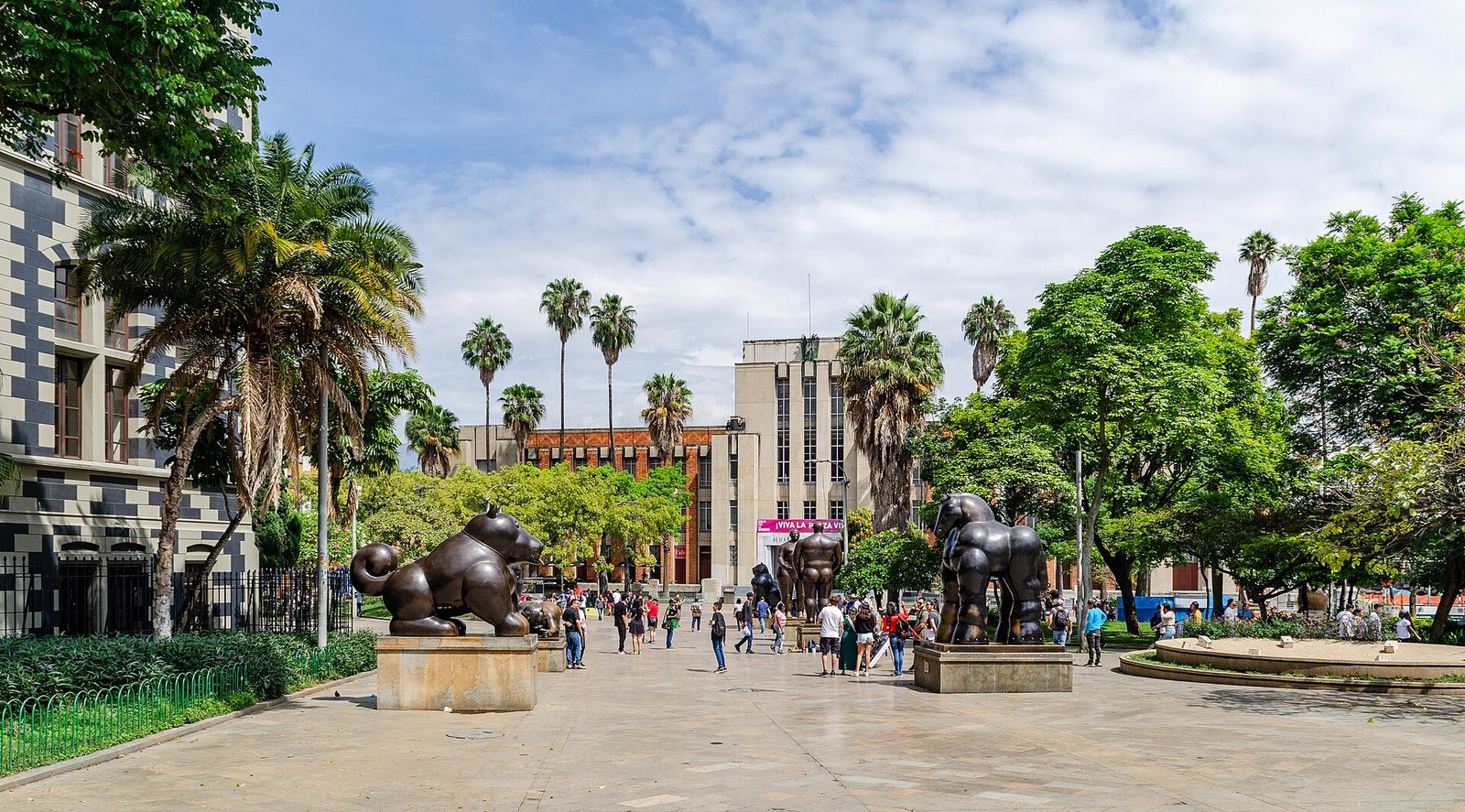
The museum provides the necessary artistic and historical context for Fernando Botero’s work and broader regional collections. Allow two to three hours and use official opening information. The surrounding center is busy and conditions vary by block, so visit in daylight with a planned route, guide, or reliable transport. Keep valuables controlled and avoid lingering with a phone exposed near congested streets.
Comuna 13 with a community-led guide
Murals, escalators, views, music, and local enterprise draw many visitors, but the district is a living community with a history that should not be simplified. Spend two to three hours with a responsible local guide who explains context and benefits residents. Visit in daylight, ask before close photography, avoid blocking paths, and do not treat poverty or trauma as entertainment.
Metrocable journey and Parque Arví
The cable-car approach shows the valley’s scale before reaching the cooler forest landscape around Parque Arví. Allocate most of a day and check official cable and park operations, weather, trail availability, and last return time. Carry layers and water. Use guided or marked routes rather than entering remote paths casually. It suits walkers and families who understand that altitude and rain change conditions.
Casa de la Memoria or a focused cultural museum
Medellín’s history deserves more than a transformation narrative. Museo Casa de la Memoria and other responsible institutions examine conflict, memory, and civic experience through documented voices. Allow about two hours and check current entry conditions. The subject matter can be difficult for children. Pair the visit with a calm meal or park rather than stacking several emotionally demanding tours.
Guatapé and Piedra del Peñol day trip
Colorful Guatapé and the reservoir landscape form the region’s most popular excursion. Allow a full day because road traffic is substantial. The steep rock staircase requires fitness, water, and caution; current access and tickets should be verified. A reputable group tour simplifies transport, while an independent trip offers flexibility. Start early and avoid a return timed close to a flight.
A PRACTICAL ROUTE
Suggested itinerary
Neighborhood orientation
Settle into El Poblado, Laureles, or the chosen base, learn the nearest transit route, and take a short guided or self-directed walk in daylight.
Center and museums
Visit Museo de Antioquia early, follow a planned central route, and add Casa de la Memoria or another cultural institution without wandering between unrelated districts.
Comuna 13
Join a responsible community-led tour, then return for a relaxed meal in Laureles or the hotel district. Avoid adding another steep, crowded activity.
Metrocable and Parque Arví
Check weather and operating status, travel early, follow a marked or guided park route, and descend well before the final service.
Guatapé or a city-depth day
Take a full-day Guatapé excursion, or stay in Medellín for gardens, food, and neighborhoods if road travel is not appealing. Keep the evening flexible.
REALISTIC BUDGET
Estimated travel costs
A budget traveler sharing accommodation and using the Metro can plan around COP 170,000–300,000 per person per day. A mid-range stay with a shared hotel, frequent dining, official rides, museums, and one guided activity commonly reaches COP 420,000–800,000. Major event dates and premium nightlife raise costs. Confirm whether prices include tax, insurance, attraction admission, meals, and gratuities. Treat Medellín’s dollar figures as orientation. They convert Colombian peso (COP) at August 1, 2026 reference rates for Medellín, before later market movement or payment fees.
TRAVEL WELL
Practical travel tips
- Use current local advice for the exact neighborhood and route rather than treating citywide safety as uniform.
- Keep phones and wallets controlled in crowded stations, near vehicle doors, and on busy nightlife streets.
- Carry a compact rain jacket daily; mountain weather changes faster than a generic seasonal label suggests.
- Learn basic Spanish for drivers, small businesses, emergency needs, and respectful neighborhood interactions.
- Cards are common in established venues, but keep small pesos and reject dynamic currency conversion when unfavorable.
- Choose community-led tours that explain complexity and direct spending locally, especially in residential districts.
- Do not accept drinks from strangers or leave a drink unattended; nightlife-targeted theft and drugging are serious risks.
- Solo travelers should share late-night ride details, verify plates, and avoid moving to a private second location with new acquaintances.
COMMON QUESTIONS
Medellín travel FAQ
How many days do you need in Medellín?
Four days cover core museums, Comuna 13, and a cable-car landscape day. Five or six days allow Guatapé and a slower neighborhood or food day.
What is the best month to visit Medellín?
January and February are often relatively dry. July and August can also work well, but major events may increase prices and traffic.
Is Medellín expensive?
Public transport and local meals can be good value, while premium El Poblado hotels, nightlife, private tours, and event dates raise the daily total quickly.
Do you need a car in Medellín?
No. The Metro system, authorized taxis, rideshare, and guided day trips are more practical. Driving and parking add unnecessary stress for most visitors.
Is Medellín safe for solo travelers?
Solo visits can be rewarding with deliberate precautions. Choose a well-reviewed base, use verified rides at night, control valuables, avoid risky dating or nightlife situations, and follow current advice.
Can you visit Guatapé as a day trip?
Yes, but it is a long day with variable road traffic. Start early, use a reputable operator or verified bus information, and never schedule the return close to a flight.
KEEP EXPLORING
Related The Wander Muse guides
CHECK BEFORE DEPARTURE
Sources and official resources
Schedules, fares, closures, and timed-entry systems affecting Medellín can change. Recheck the official resources below shortly before departure.