START HERE
Why visit Hiroshima
Hiroshima asks visitors to engage with difficult history while also discovering a lively regional capital of rivers, gardens, food, contemporary culture, and nearby island landscapes. It suits thoughtful first-time Japan travelers, families with older children, rail-based itineraries, food lovers, and visitors who want more than a rushed memorial stop. Four days allow Peace Memorial Park, central neighborhoods, a full Miyajima day, and either a museum or regional excursion. This guide explains seasonal conditions, Shinkansen and airport access, tram use, best bases, realistic costs, and a route that keeps emotionally heavy visits balanced. The essential planning principle is respect: allow time for the museum rather than racing through, follow photography guidance, and avoid squeezing Miyajima into the same hurried half-day. Verify ferry, tide, attraction, and renovation information on official sites before travel.
AT A GLANCE
Hiroshima quick travel summary
Rail, ferry, museum, and lodging details change around holidays, weather, and maintenance. Use these yen ranges for planning and verify tickets, reservations, tide-dependent plans, and closures officially.
WHEN TO GO
Best time to visit
Spring (March–May)
March starts cool, with mild conditions and blossoms developing toward late March or April according to the year. Cherry-blossom periods and Golden Week increase crowds and prices. Parks, riverside walks, and Miyajima are especially appealing. Reserve rail seats and rooms during holiday periods, bring a light rain layer, and treat bloom forecasts as provisional.
Summer (June–August)
The rainy season brings humidity and downpours before hotter midsummer weather. August includes major memorial observances and Obon travel, requiring sensitivity and advance planning. Typhoons can affect rail and ferries. Start Miyajima and outdoor walks early, use museums during peak heat, and follow official announcements around ceremonies, closures, and severe weather.
Fall (September–November)
September can remain hot and storm-prone, while October and November usually offer comfortable walking weather. Autumn foliage attracts visitors to Miyajima, particularly on weekends. Prices rise around long weekends but are otherwise manageable. Check tide and ferry information, reserve popular lodging, and carry layers for cooler island evenings.
Winter (December–February)
Winter is cool and relatively dry, with occasional snow or icy conditions. Crowds are lighter outside New Year, and clear air can reward coastal views. Some businesses reduce hours during holiday periods. Wear warm layers for ferries and waterfront sites, verify ropeway or trail conditions, and keep a museum-focused alternative when mountain weather deteriorates.
ARRIVING
How to get there
Hiroshima Station is the easiest gateway for most Japan itineraries, receiving Sanyō Shinkansen and regional JR services. Trip times and train eligibility depend on service type and ticket, so check JR information rather than relying on a generic rail-pass claim. Hiroshima Airport lies well east of the city and uses airport buses plus taxis or rental cars; road traffic can affect transfer time. Highway buses may be economical from nearby regions. From the station, trams, buses, and taxis reach Peace Memorial Park and central hotels. The easiest arrival from Osaka, Kyoto, or Fukuoka is generally Shinkansen; the cheapest depends on advance bus and rail products. During Golden Week, Obon, New Year, and major events, reserve seats and leave more transfer time. Send large luggage ahead if a crowded tram transfer would be difficult.
MOVING AROUND
Getting around
Hiroshima Electric Railway streetcars connect the station, downtown, Peace Memorial Park, and the route toward Miyajima-guchi. Buses cover additional districts, while JR trains are faster for some suburban connections. Use official fare and payment guidance; IC cards are convenient but individual ferries and passes have their own conditions. Central Hiroshima is walkable across the rivers, though heat and museum fatigue make repeated crossings tiring. Miyajima requires a train or tram to the ferry area and then an authorized ferry; keep return times and crowds in mind. Taxis help with luggage or late evenings. A rental car is unnecessary for the city and island, becoming useful only for a wider Chūgoku road trip. Plan the center and Miyajima as separate days.
CHOOSE A BASE
Where to stay
Hiroshima Station — best for rail travelers and short stays
The rebuilt station area provides Shinkansen access, shops, restaurants, buses, and tram connections. It suits early departures, large luggage, and regional day trips. Peace Memorial Park is not at the door, and the atmosphere is more transport-oriented than riverside. Confirm which side and exit serves the hotel to avoid a long walk through the complex.
Peace Memorial Park or Kamiyachō — best for first-time sightseeing
This central zone puts the memorial area, museums, shopping streets, and multiple transit lines within easy reach. It works for first-time visitors and car-free stays. Rooms overlooking active roads or nightlife can be noisy, and station transfers require a tram or bus. Choose a quieter side street if reflection and early nights matter.
Hondōri or Nagarekawa edge — best for food and evening atmosphere
Staying near the covered shopping street and dining districts gives easy access to okonomiyaki, bars, and central walks. It suits couples, solo travelers, and repeat visitors. Late-night noise and smoking rules vary by building, while families may prefer a calmer park-side block. Read recent property details and request a non-smoking room explicitly.
PLAN YOUR DAYS
Best things to do
Peace Memorial Museum and park
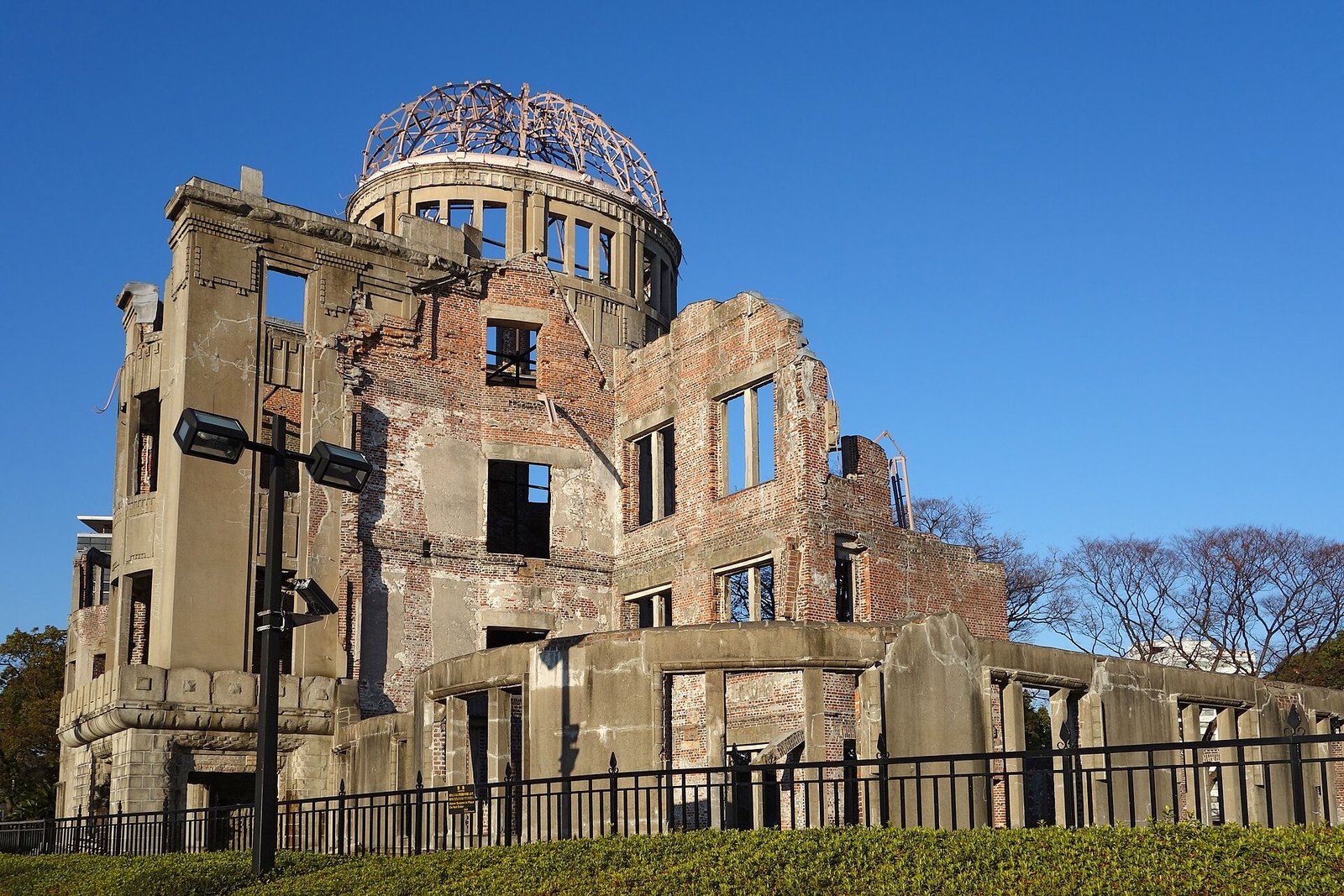
The museum, cenotaph, Atomic Bomb Dome, and surrounding memorials require at least half a day and emotional space. Visit early when possible, check official tickets and congestion guidance, and follow all photography restrictions. The exhibitions include testimony and distressing material, so families should prepare children appropriately. Avoid treating the Dome as a quick backdrop; read, reflect, and allow a quieter activity afterward.
Shukkeien Garden and Hiroshima Castle area
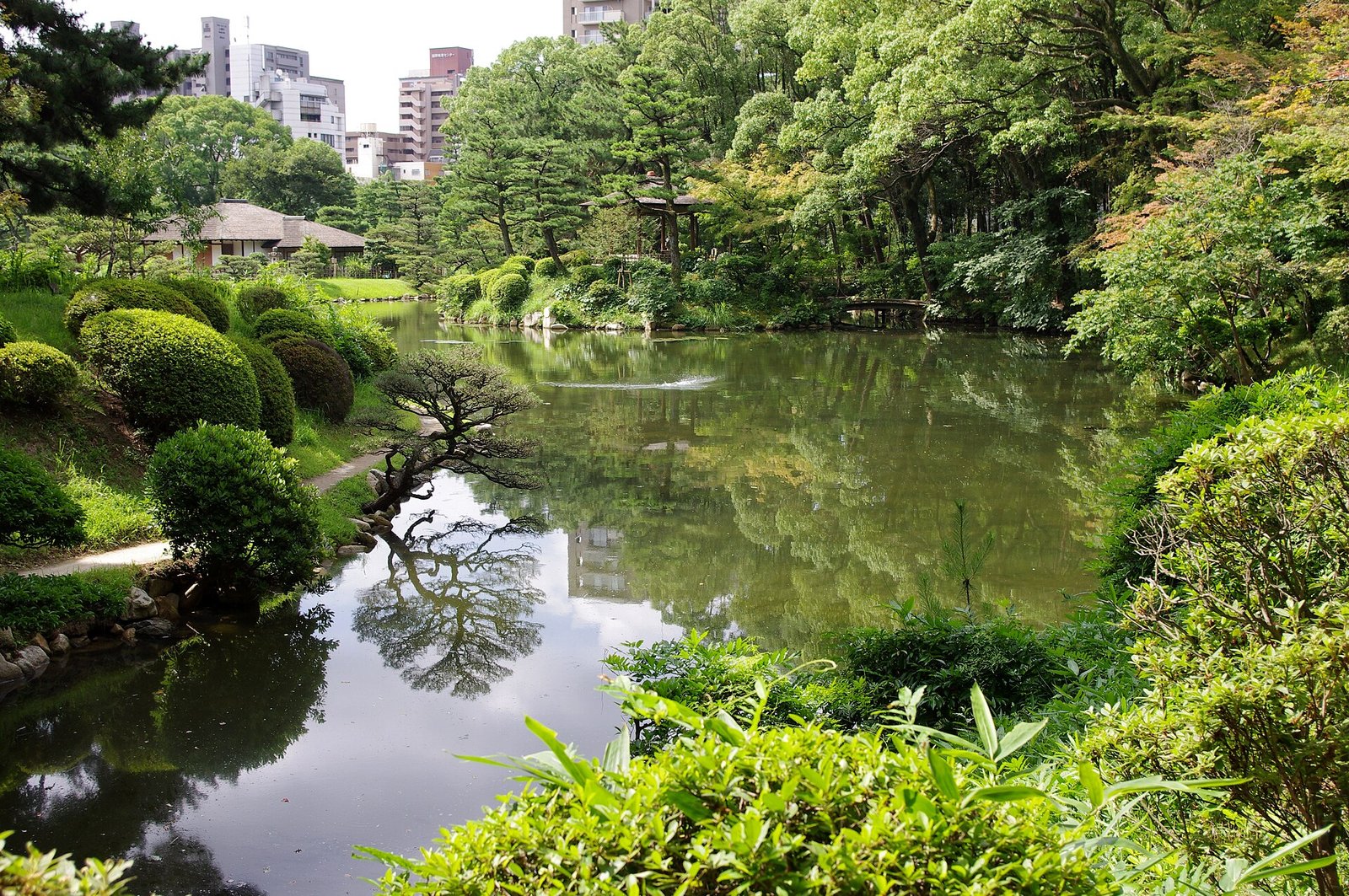
Shukkeien offers a compact landscape garden suited to a gentle morning or recovery after the museum. Combine it with the castle grounds or a nearby cultural institution according to current reconstruction and opening status. Allow two to three hours. Spring blossoms and autumn foliage increase crowds. Check accessibility, temporary closures, and ticket details rather than relying on pre-renovation information.
Miyajima and Itsukushima Shrine
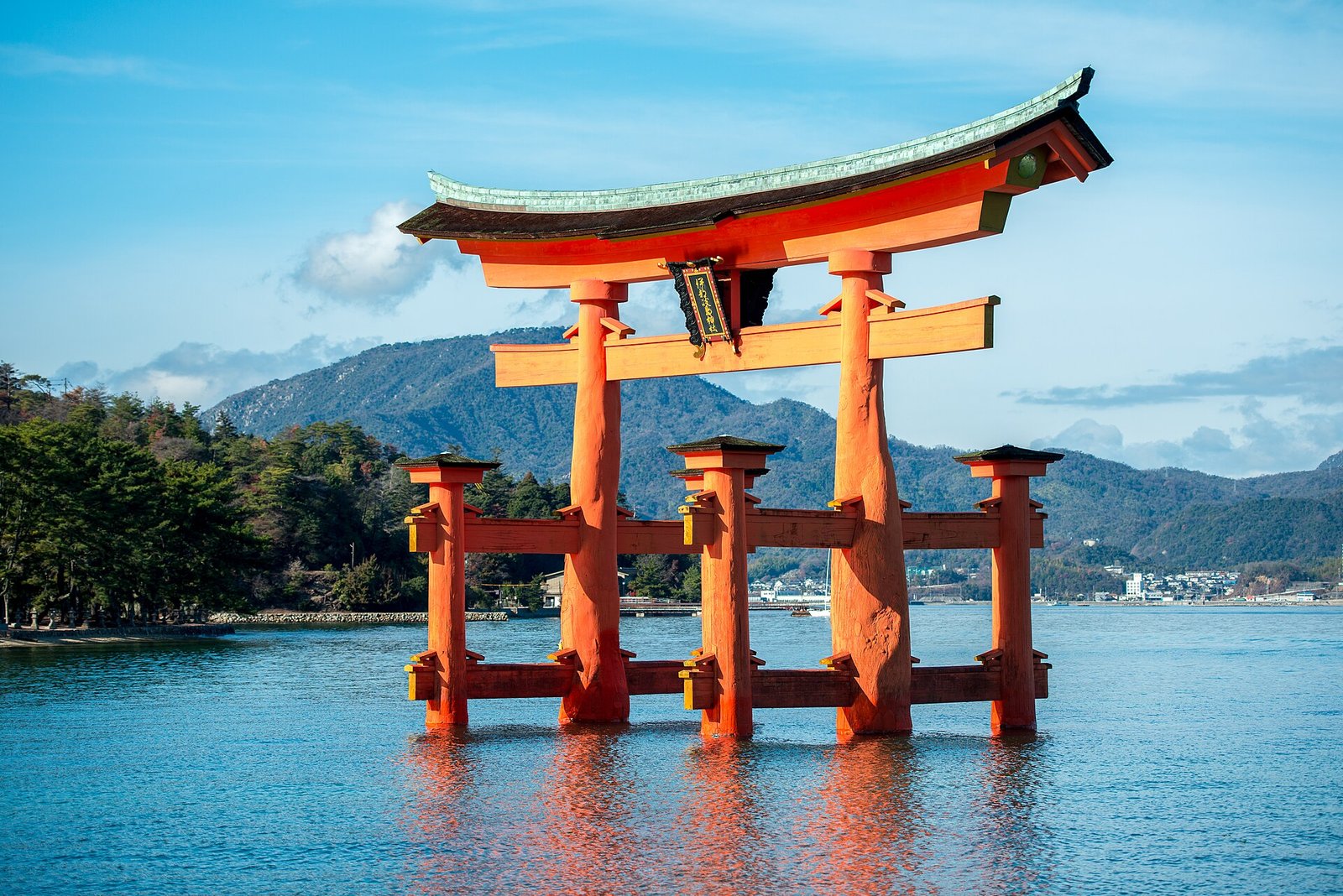
Miyajima deserves a full day for the shrine precinct, town streets, waterfront, and one additional walk or museum. Tide changes alter the appearance of the famous torii, but both high and low tide offer interest. Start early, check ferry and shrine schedules, and never feed or harass deer. Stay overnight for quieter evenings if the budget allows.
Mount Misen
Mount Misen adds forest, temples, and Seto Inland Sea views to a Miyajima day. Use the ropeway plus walking or a full hiking route according to fitness and current operations. Allow three to five hours beyond the shrine area. Carry water, wear proper footwear, and descend well before the last transport. Heat, ice, storms, or maintenance can make the summit unsuitable.
Hiroshima-style okonomiyaki and local food
Layered Hiroshima okonomiyaki is an experience best understood at an established counter where preparation is visible. Allow about an hour and expect queues at famous clusters. The city also offers oysters in season, noodles, bakeries, and regional sake. Tell staff about allergies, because sauces and shared grills complicate substitutions. Explore neighborhood restaurants rather than chasing only one well-publicized venue.
A PRACTICAL ROUTE
Suggested itinerary
Arrive and learn the river city
Settle near the station or center, walk a short river section, and eat locally. Avoid placing the memorial museum after a tiring long-distance journey.
Peace Memorial Park
Enter the museum early, continue through the memorial landscape, and leave the afternoon for a garden, quiet café, or one focused cultural site.
Miyajima
Travel early, visit Itsukushima Shrine, then choose Mount Misen, a museum, or a slower village walk. Confirm the final ferry before dinner plans.
Castle area and food
Visit Shukkeien and a currently open museum or castle-area site, explore Hondōri, and finish with a planned okonomiyaki or regional meal.
REALISTIC BUDGET
Estimated travel costs
A budget traveler can plan around ¥9,500–16,000 per person per day using simple lodging and casual meals. A mid-range visit with a shared hotel, varied dining, museum entries, local transit, and Miyajima commonly reaches ¥21,000–40,000. Holiday dates and island lodging cost more. Compare taxes, breakfast, rail travel, ropeway tickets, ferry eligibility, and luggage storage. Hiroshima’s dollar figures use August 1, 2026 reference rates; recalculate them before payment.
TRAVEL WELL
Practical travel tips
- Give Peace Memorial Museum enough time and avoid scheduling it between rushed transport connections.
- Follow photography and behavior guidance at memorials, religious sites, museums, and active ceremonies.
- Check both ferry schedules and tide information for Miyajima, but do not abandon the visit because the torii is not at one ideal level.
- Carry yen for small restaurants, shrine offerings, lockers, and machines that may not accept every foreign card.
- Reserve Shinkansen seats around Golden Week, Obon, New Year, and long weekends.
- Keep voices low on public transport and queue where floor markings indicate; trams can become very crowded.
- Use official typhoon, rain, and service alerts because ferries and rail can stop before conditions appear severe downtown.
- Solo travelers generally find the center manageable but should use normal late-night precautions in entertainment areas.
COMMON QUESTIONS
Hiroshima travel FAQ
How many days do you need in Hiroshima?
Three days cover Peace Memorial Park, central sights, and Miyajima. Four or five days allow a slower museum day, Mount Misen, or another regional excursion.
Can Hiroshima and Miyajima be visited in one day?
Technically yes, but it is rushed and gives insufficient time for the museum and island. Separate days provide a more respectful and useful experience.
What is the best month to visit Hiroshima?
April and November usually offer comfortable conditions and seasonal scenery. Both can be busy, so book early and avoid relying on exact blossom or foliage timing.
Is Hiroshima expensive?
Costs are moderate by major Japanese city standards, though Shinkansen travel and Miyajima lodging add substantially. Trams, simple meals, and many park areas remain affordable.
Do you need a car in Hiroshima?
No. Trams, buses, JR trains, ferries, and walking cover the main city and Miyajima itinerary. A car is useful only for wider rural travel.
Is the Peace Memorial Museum suitable for children?
Families should review the official description and prepare children for graphic, emotionally difficult material. Some may prefer a shorter, age-appropriate visit followed by quiet discussion.
KEEP EXPLORING
Related The Wander Muse guides
CHECK BEFORE DEPARTURE
Sources and official resources
Schedules, fares, closures, and timed-entry systems affecting Hiroshima can change. Recheck the official resources below shortly before departure.