START HERE
Why visit Kochi, Japan
Kochi offers a slower Japan trip centered on local food, one of the country’s original castles, rivers, and Pacific landscapes. A well-paced visit connects Kochi Castle, Hirome Market, and Katsurahama without turning every day into a race. Kochi City is best for food and transport; Shimanto or the eastern coast needs separate nights for a deeper prefecture trip. The Kochi, Japan plan keeps Central Kochi near the castle or market transfers realistic, leaves meal time near Kochi Castle, and stays readable on a phone. Kochi suits repeat visitors to Japan, food travelers, castle enthusiasts, road trippers, and travelers who want Shikoku’s landscapes at a slower pace. Kochi City is easy without a car; the Shimanto River and remote coast require more time, careful rail or bus planning, or a rental vehicle. The Kochi, Japan guide ties seasonal conditions to the main gateway, Central Kochi near the castle or market, local-currency costs, and an itinerary centered on Kochi Castle.
AT A GLANCE
Kochi, Japan quick travel summary
Kochi, Japan prices are planning ranges. Confirm the final amount in Japanese yen (JPY), including taxes, booking terms, and exactly what each Kochi, Japan transport or activity ticket covers.
WHEN TO GO
Best time to visit
Spring (March–May)
In Kochi, Japan, this period brings warming humid days, heavier rain, and thunderstorms. Trade fairs or holidays can create sudden price spikes. For Kochi, Japan, its main advantage is food, museums, and shorter outdoor walks; the disadvantage is that rain and humidity reduce long, unbroken itineraries. Cherry blossom timing and mild days attract visitors, while rain and holiday travel affect trains and rooms. Before an outdoor day in Kochi, Japan, recheck official weather and the transport needed for Kochi Castle.
Summer (June–August)
In Kochi, Japan, this period brings intense heat, heavy rain, and typhoon potential. School holidays keep major attractions busy despite weather. For Kochi, Japan, its main advantage is indoor culture and carefully timed waterfront evenings; the disadvantage is that storm disruption and heat demand a flexible plan. Heat, humidity, heavy rain, and typhoon risk complicate remote coast and river plans; festival dates are exceptionally busy. Before an outdoor day in Kochi, Japan, recheck official weather and the transport needed for Kochi Castle.
Autumn (September–November)
In Kochi, Japan, this period brings declining humidity, clearer skies, and comfortable evenings. This is a popular period with strong weekend demand. For Kochi, Japan, its main advantage is architecture, parks, food, and regional rail trips; the disadvantage is that holiday peaks and lingering early-season storms affect transport. Comfortable walking and clearer regional driving return, with autumn-color timing differing by elevation. Before an outdoor day in Kochi, Japan, recheck official weather and the transport needed for Kochi Castle.
Winter (December–February)
In Kochi, Japan, this period brings cooler, sometimes damp weather and shorter light. Ordinary weeks can be good value outside national holidays. For Kochi, Japan, its main advantage is markets, museums, and urban walking; the disadvantage is that cold rain and holiday transport crowds complicate some days. Mild coastal days and low crowds favor food and city history, but mountain routes can be cold and daylight is shorter. Before an outdoor day in Kochi, Japan, recheck official weather and the transport needed for Kochi Castle.
ARRIVING
How to get there
KCZ is connected to Kochi City by airport bus, taxi, and rental car; the bus is usually the simplest balance when its timetable matches the flight. JR Shikoku trains reach Kōchi Station from other parts of Shikoku, with longer journeys or transfers from Honshu. Highway buses can be useful from Osaka and other cities. A car is unnecessary for Kochi Castle, Hirome Market, and central tram routes, but valuable for a wider prefecture loop. Reserve automatics during holiday periods, check one-way fees, and leave a weather buffer around flights and rail during typhoon season.
MOVING AROUND
Getting around
Kochi City is compact around the tram, station, castle, market, and central streets. Local buses reach Katsurahama and other outer sights according to the current timetable. JR trains and buses serve regional corridors, but the Shimanto River and remote coasts often require slow connections or a car. Taxis are useful for short gaps and expensive for all-day touring. Bicycles work on selected river and city routes with weather awareness. Visitors can stay car-free for two days, then collect a vehicle or book a guide for the broader prefecture. For a 4–6 days visit, use Central Kochi near the castle or market for the arrival-focused days, group Kochi Castle with Hirome Market, and protect Katsurahama for the period with the best conditions. Put Kochi Castle and Hirome Market on different Kochi, Japan stages; the separation protects meal time and a weather fallback. Accessible Kochi, Japan bookings should confirm tram access and the precise final approach to Kochi Castle.
CHOOSE A BASE
Where to stay
Central Kochi near the castle or market — best for first-time visitors and food
The castle, Hirome Market, trams, and evening streets are close. Rooms can be compact, and festival nights bring substantial noise and high demand.
Near Kōchi Station — best for rail and airport-bus convenience
This base simplifies luggage and regional departures while remaining a tram ride from the center. Immediate evening atmosphere is more functional.
Shimanto or a regional coast base — best for rivers and slow landscapes
One or two nights unlock early river activities and local scenery. Transport is slower, English support is thinner, and advance planning matters.
PLAN YOUR DAYS
Best things to do
Kochi Castle
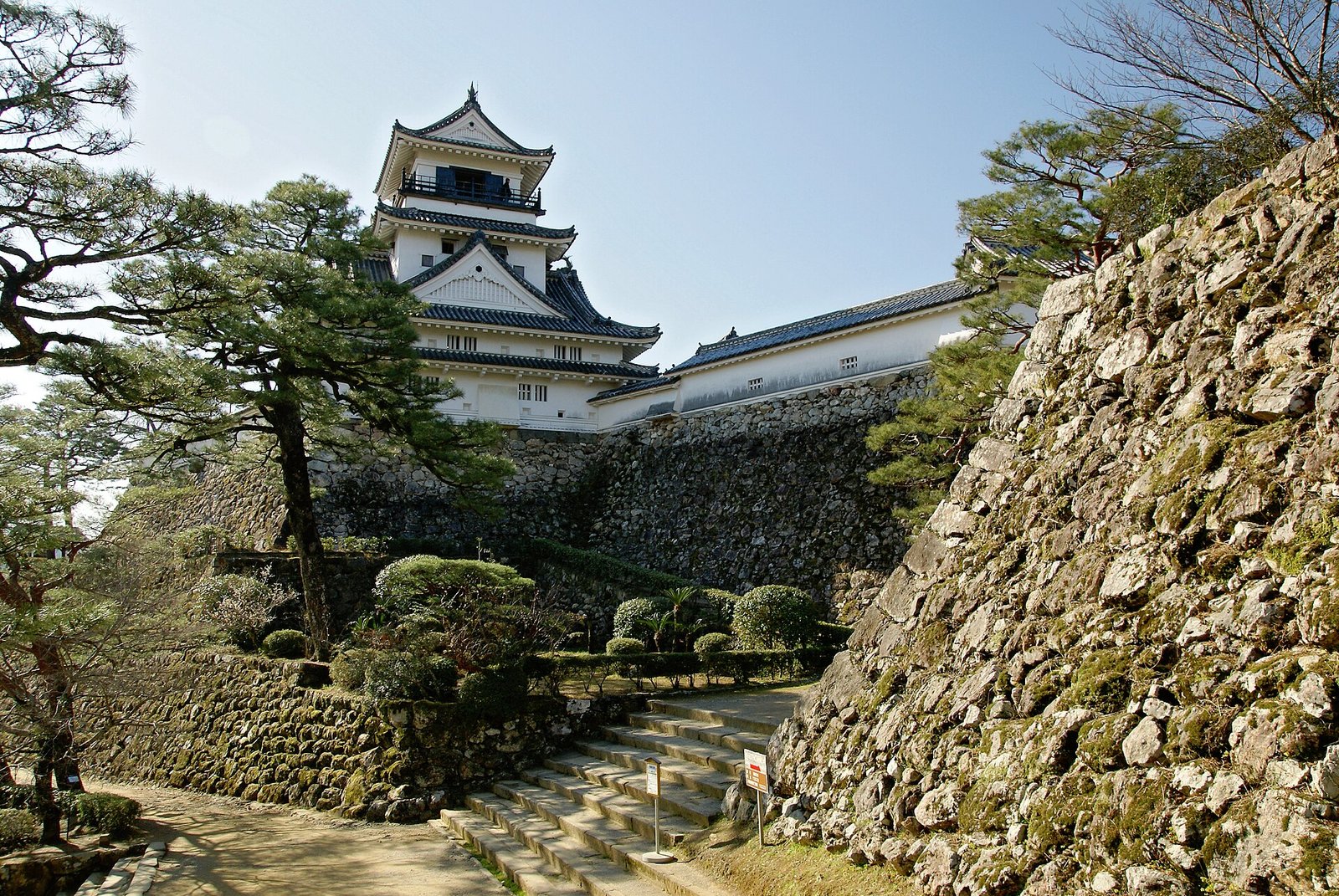
One of Japan’s surviving original castles preserves an unusually coherent keep and palace experience. Allow 2–3 hours. Arrive early, expect steep stairs, remove shoes where instructed, and check official seasonal opening information. Keep Kochi Castle only when it serves the traveler’s Kochi, Japan priorities, not merely to lengthen the list.
Hirome Market
Shared tables and local specialties make the market a social introduction to Kochi food. Allow 1–2 hours. Visit outside the busiest meal rush, learn ordering etiquette, and try small portions from several vendors. Keep Kochi Castle only when it serves the traveler’s Kochi, Japan priorities, not merely to lengthen the list.
Katsurahama
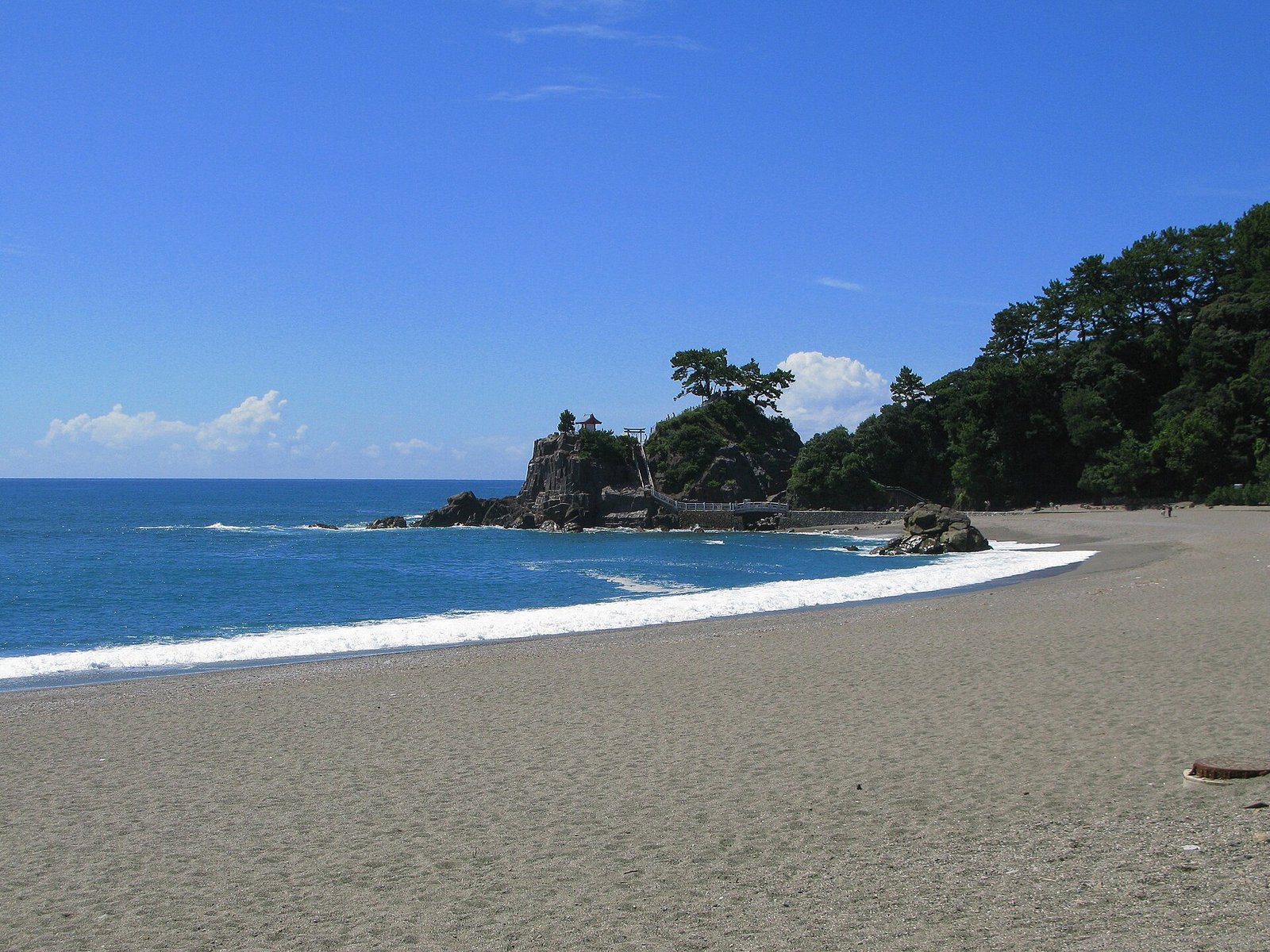
A dramatic Pacific beach, cultural landmarks, and coastal views create a classic city excursion. Allow 2–3 hours. Use the official bus, stay out of dangerous surf, and check wind or typhoon conditions. Keep Kochi Castle only when it serves the traveler’s Kochi, Japan priorities, not merely to lengthen the list.
Shimanto River
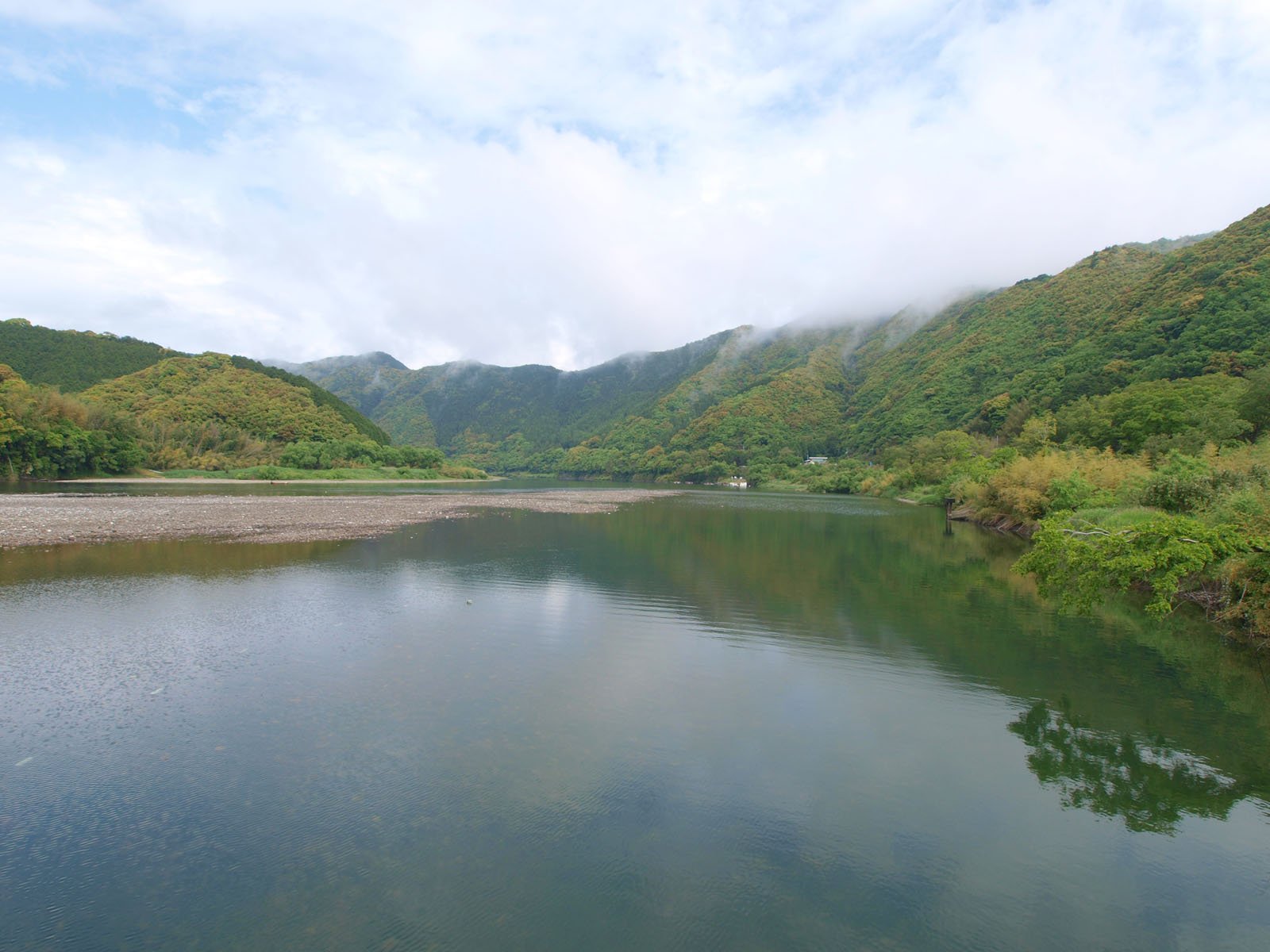
Clear water, low bridges, cycling, and paddling reward a separate regional stay. Allow 1–2 days. Reserve a reputable activity, confirm water and weather conditions, and avoid squeezing the river into a rushed day trip. Keep Kochi Castle only when it serves the traveler’s Kochi, Japan priorities, not merely to lengthen the list.
Sunday Market and central streets
The long-running market adds local produce and everyday life to a castle morning. Allow 1–2 hours. Schedule only when the market is officially operating, carry cash for small stalls, and avoid blocking the flow. Keep Kochi Castle only when it serves the traveler’s Kochi, Japan priorities, not merely to lengthen the list.
A PRACTICAL ROUTE
Suggested itinerary
Central Kochi
Visit the castle, central streets, and Hirome Market without adding a distant coast transfer.
Katsurahama
Use the bus for the coast, return for a museum or food-focused evening.
Regional transfer
Take rail or drive toward Shimanto, treating the journey and selected stops as the day’s experience.
Shimanto River
Cycle, paddle, or explore with conditions and skill level determining the exact route.
Return buffer
Travel back to Kochi or onward with enough margin for rural transport and weather.
REALISTIC BUDGET
Estimated travel costs
Kochi, Japan costs move most with March–May or October–November, booking timing, taxes, and the specific room location in Central Kochi near the castle or market. For Kochi, Japan, let the final Japanese yen (JPY) total control the decision. For Kochi, Japan, its August 1, 2026 dollar conversion may differ at checkout.
TRAVEL WELL
Practical travel tips
- Carry some cash because small markets and rural businesses may not accept every foreign card.
- Learn basic market and bath etiquette, and follow shoe-removal signs without waiting to be corrected.
- Treat typhoon and heavy-rain warnings as reasons to change remote river or coast plans.
- Reserve during Yosakoi and major Japanese holidays because transport and rooms fill quickly.
- Solo travelers should share rural cycling or river plans and avoid depending on the final infrequent bus without a backup.
- Use authorized transport after dark and stay alert near quiet waterfronts.
- Respect surf, current, cliff, and heat warnings on coastal outings.
- Keep valuables secured in crowded markets, stations, and beaches.
COMMON QUESTIONS
Kochi, Japan travel FAQ
How many days do you need in Kochi, Japan?
Kochi, Japan works best with 4–6 days for a first visit. A short Kochi, Japan trip should pair Kochi Castle with one nearby priority; extra time belongs to meals, weather, or tram delays.
Is Kochi, Japan expensive?
In Kochi, Japan, a budget traveler can plan around ¥7,000–12,000 (about US$44–76) per person per day before long-distance arrival costs. The largest Kochi, Japan premiums come from Central Kochi near the castle or market, peak dates, private transport, and guided access to Kochi Castle.
Do you need a car in Kochi, Japan?
A car is unnecessary in Kochi City but valuable for the Shimanto River and a broader prefecture route. Rail and buses suit a slower, narrower itinerary.
What is the best month to visit Kochi, Japan?
November often brings comfortable city walking and stable regional touring, while spring is better for blossom interest.
Is Kochi, Japan safe for solo female travelers?
Many solo female travelers can plan Kochi, Japan with ordinary destination-appropriate precautions. Solo travelers should share rural cycling or river plans and avoid depending on the final infrequent bus without a backup. Use current government guidance and destination notices—not an old booking page—to make the final Kochi, Japan risk check.
What should you book in advance for Kochi, Japan?
Reserve festival accommodation, rural cars, river activities, and long-distance transport. Central castle and market visits are usually more flexible.
KEEP EXPLORING
Related The Wander Muse guides
CHECK BEFORE DEPARTURE
Sources and official resources
Schedules, fares, access rules, closures, and entry systems affecting Kochi, Japan can change. Recheck the official resources below shortly before departure.