START HERE
Why visit Okinawa
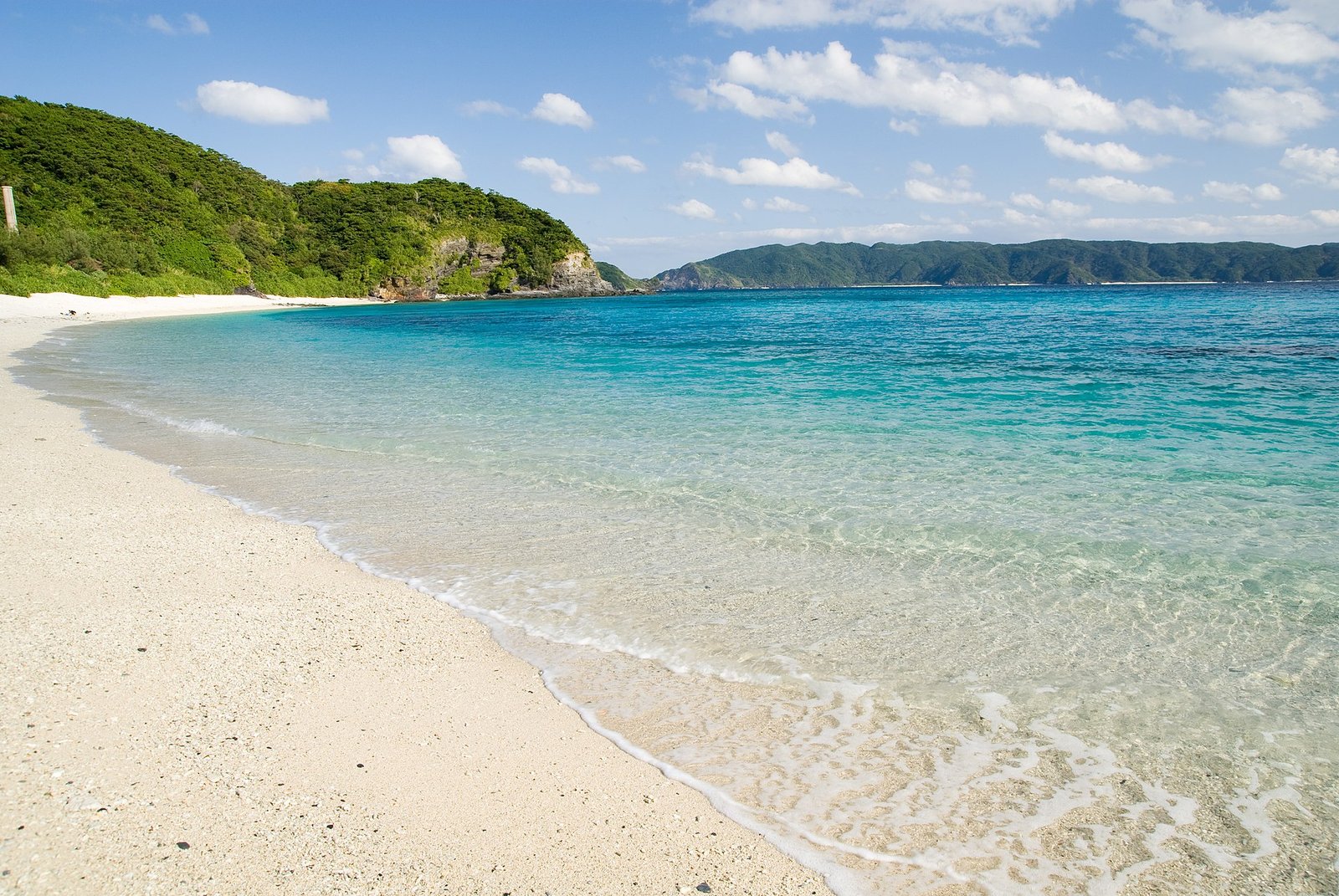
Okinawa offers coral-fringed water, subtropical forests, Ryukyuan history, distinctive food, and a modern culture shaped by island geography and a complex wartime and military legacy. It suits families, divers, beach travelers, road-trippers, history enthusiasts, and repeat visitors to Japan who want a region unlike the main islands. Seven days allow Naha, the central coast, northern Okinawa, and weather flexibility; travelers without a car should use fewer bases and organized excursions. This guide explains typhoon seasons, airport access, driving, accommodation areas, realistic costs, and a route that avoids crossing the long main island repeatedly. The key planning issue is weather and distance. Sea conditions can cancel activities even on a bright day, and road traffic slows transfers. Reserve limited transport, keep water days flexible, and engage with local history respectfully.
AT A GLANCE
Okinawa quick travel summary
Flights, rental cars, resorts, marine tours, and ferries are highly seasonal and weather-sensitive. Use the yen ranges as estimates and verify storm policies, insurance, fuel, parking, and cancellation terms.
WHEN TO GO
Best time to visit
Spring (March–May)
March and April are warm without the strongest summer humidity, though the sea may feel cool and rain occurs. Golden Week in late April and early May sharply increases domestic demand. The rainy season often develops in May. Spring suits hiking, history, and beach walks, with swimming dependent on conditions. Reserve holiday travel and carry both sun and rain protection.
Summer (June–August)
After the rainy season, weather becomes hot, humid, and intensely sunny. Beaches and marine activities are popular, while typhoons can interrupt flights, ferries, roads, and tours with little practical flexibility. Obon and school holidays raise prices. Start outdoor sites early, obey beach flags, hydrate, and choose bookings with clear severe-weather policies rather than assuming every day will be usable.
Fall (September–November)
September remains hot and typhoon-prone. Late October and November usually become more comfortable, with warm water and somewhat lower humidity. Prices soften outside holidays, and road trips are pleasant. Marine conditions still vary, so keep the itinerary flexible. Carry a light layer for windy evenings and monitor official forecasts before long northern drives or boat trips.
Winter (December–February)
Winter is mild but often windy, cloudy, and too cool for a conventional beach holiday. Whale-watching and cultural travel may be relevant according to current seasons, while lodging can offer better value outside New Year. Northern rain and wind make exposed capes uncomfortable. Pack layers, verify seasonal swimming rules, and focus on history, food, forests, and scenic drives.
ARRIVING
How to get there
Naha Airport is the main gateway to Okinawa Main Island. Yui Rail connects the airport with central Naha stops, including areas useful for Kokusai-dori and the bus terminal corridor; check current station and fare details. Airport buses serve selected resort areas, while authorized taxis and rental-car shuttles operate from designated points. Collecting a car can take time during busy arrivals, so avoid a fixed attraction booking immediately afterward. Ferries from Naha and other ports reach neighboring islands according to route and weather, but they are not substitutes for every domestic flight. The easiest Naha arrival is Yui Rail; a resort transfer or rental car is more practical for northern bases. Reserve rental cars early for holidays, confirm whether an international driving permit is valid for your license, and never plan a same-day island connection without a substantial buffer.
MOVING AROUND
Getting around
Yui Rail is efficient within Naha, while public buses reach major towns and some attractions across the island. Frequencies and journey times make a multi-stop itinerary slow, so consult official route information or use organized tours. A rental car provides the greatest flexibility for beaches, castle sites, the aquarium, and northern nature. Traffic around Naha and central resort corridors is heavy at commuter and holiday times, roads are left-driving, and parking rules must be followed. Taxis help for evenings but become expensive over distance. Bicycles are suitable only on selected local routes because heat, hills, and traffic are significant. Use Naha without a car for the first nights, then collect a vehicle for a northbound route if that reduces parking and rental days.
CHOOSE A BASE
Where to stay
Naha — best for first-time arrivals and car-free travel
Naha provides the airport rail link, markets, museums, Shuri access, ferries, restaurants, and the island’s broadest public transport. It suits solo travelers, short stays, and first or last nights. The city is not a resort beach base, traffic is dense, and some central streets are noisy. Stay near a Yui Rail station or the bus routes needed.
Onna or Yomitan — best for beaches and a central island base
The central west coast offers resorts, dive operators, family facilities, and practical access north or south. Onna suits travelers wanting full resort services; Yomitan can feel more residential and culturally grounded. Prices and restaurant access vary, and a car is usually useful. Verify whether a low-priced property is truly walkable to a safe swimming beach.
Motobu or Nago — best for northern nature and families
Motobu places the aquarium, peninsula beaches, and island excursions close, while Nago provides a larger town with shops and transport. Both reduce long return drives from Naha. Evening dining is more dispersed, public transport takes planning, and major sights still require movement. Families and road-trippers benefit most from two or three nights here.
PLAN YOUR DAYS
Best things to do
Shuri Castle area and Ryukyuan history
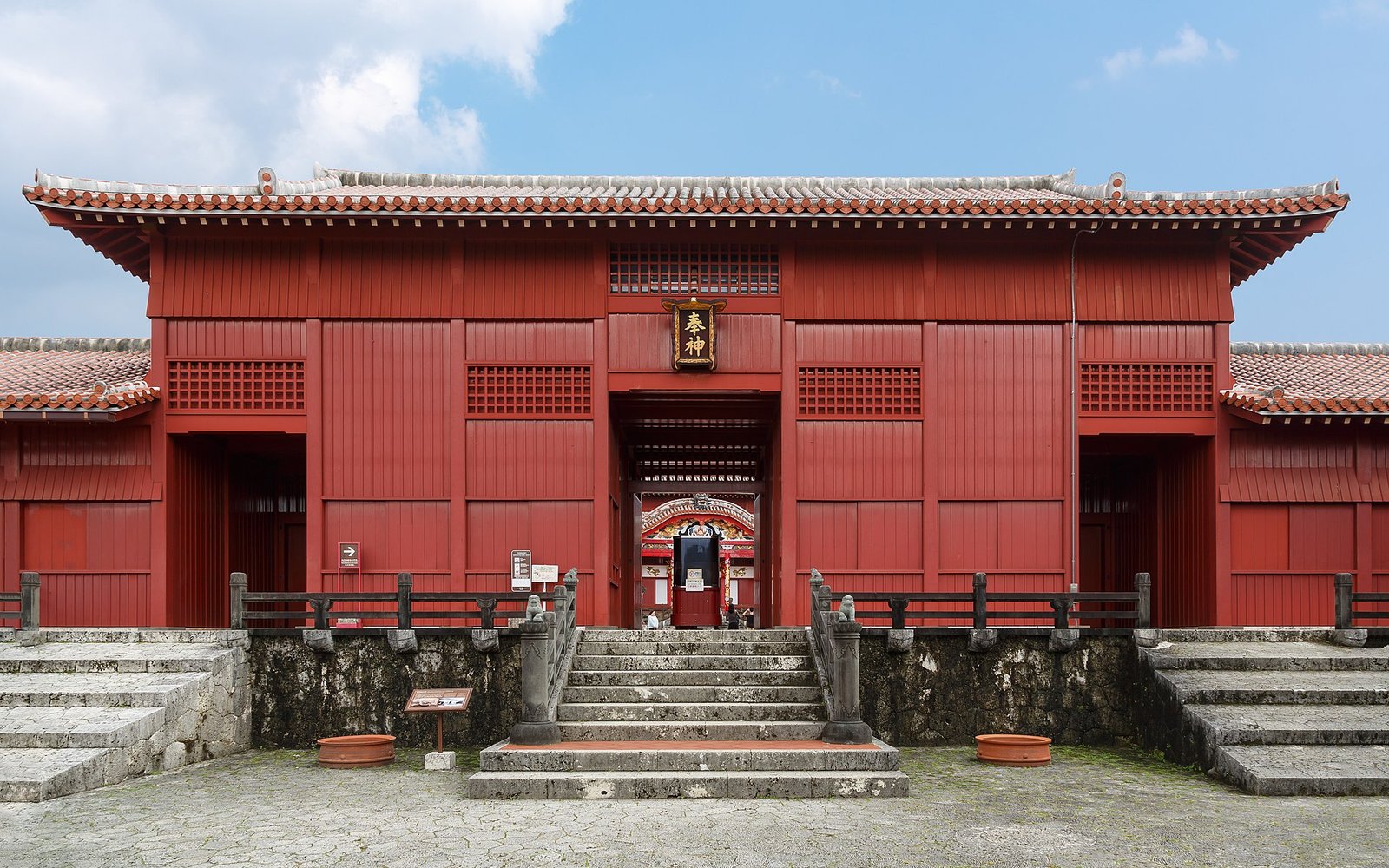
Shuri’s castle landscape and surrounding heritage explain the Ryukyu Kingdom beyond modern resort imagery. Reconstruction and access arrangements continue to evolve, so use official information before visiting. Allow three to four hours for the main site and nearby streets. Morning reduces heat. Follow marked routes, respect sacred spaces, and pair the visit with a museum if deeper historical context is needed.
Okinawa Churaumi Aquarium and Ocean Expo Park
The aquarium’s large-scale marine exhibits and the wider park form a full northern day rather than a quick stop. Allow four to six hours, longer with children. Arrive near opening or later in the afternoon to reduce the heaviest midday pressure, and check official tickets, programs, and closures. The journey from Naha is long, making a Motobu or Nago base more efficient.
Cape Manzamo and central coast landscapes
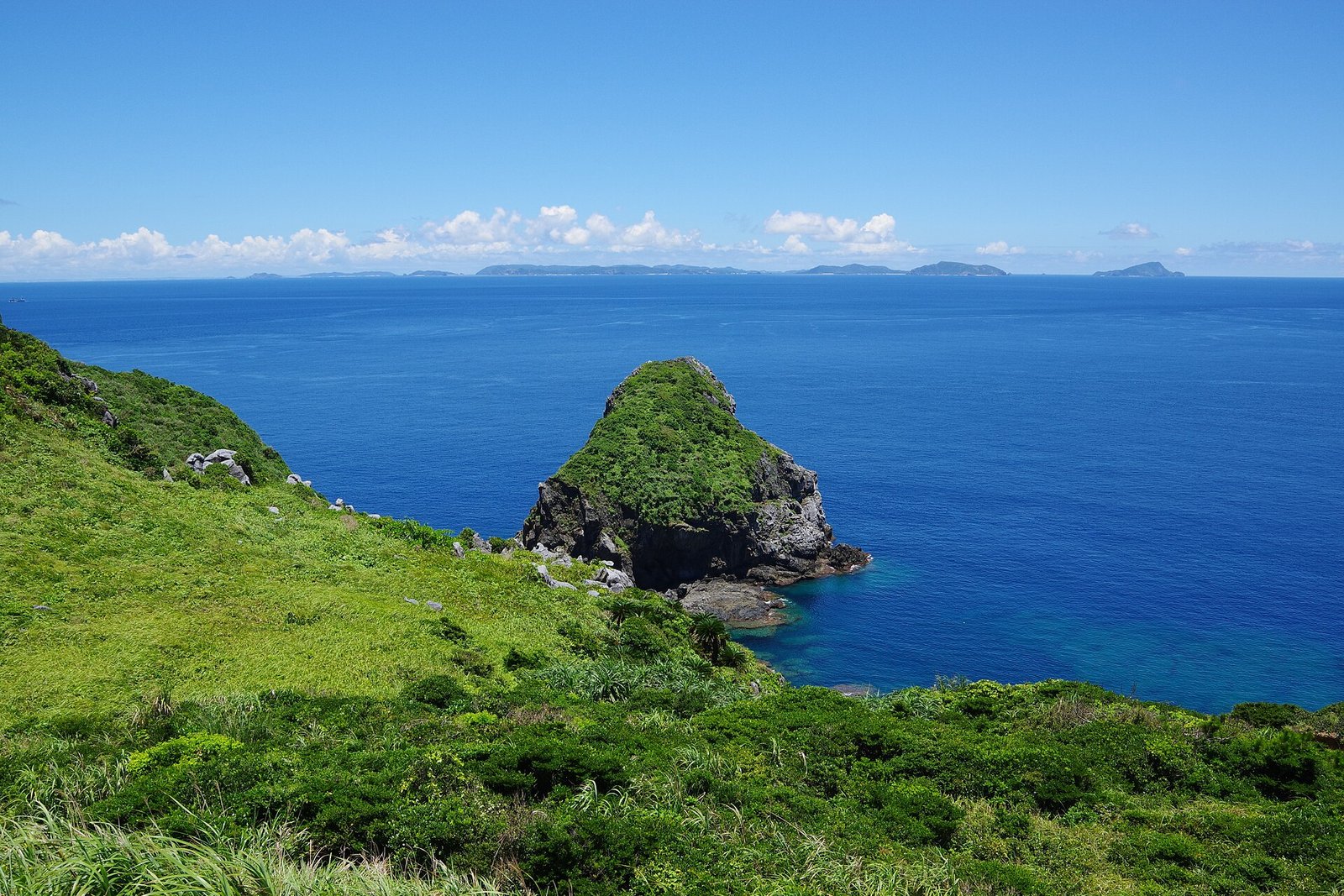
The limestone coast and nearby resort zone offer accessible views, beaches, and marine activities. Spend half a day pairing one viewpoint with one beach or cultural stop. Parking and facility rules change, and exposed paths become uncomfortable in midday heat or strong wind. Choose authorized operators for diving or snorkeling and never enter the water when local warnings advise against it.
Northern Yanbaru forests
Okinawa’s northern forests support endemic wildlife and a very different landscape from the resort coast. Use official park guidance or a qualified guide, stay on designated routes, and drive cautiously for wildlife. Allow a full day from Motobu or Nago. Rain makes trails slippery, services are limited, and mobile coverage can weaken. This outing suits nature travelers prepared for humidity and responsible behavior.
Peace Memorial Park and wartime history
Southern Okinawa contains memorials and museums addressing the devastating Battle of Okinawa and civilian experience. Allocate half a day and approach the subject with time and respect. Official exhibitions can be emotionally difficult for children. Use designated roads and parking, follow photography rules, and avoid combining the visit with a rushed beach checklist. Context matters more than collecting multiple memorial sites.
A PRACTICAL ROUTE
Suggested itinerary
Arrive in Naha
Take Yui Rail or verified transport, settle in, and explore a short Kokusai-dori or market route. Keep the evening light after the flight.
Shuri and Naha culture
Visit the Shuri area early, add one museum or garden, and return through a different local district without collecting a car yet.
Southern history
Collect a car or join a guided tour for Peace Memorial Park and one additional southern stop. Return before evening traffic builds.
Move to the central coast
Travel to Yomitan or Onna, stopping at one cultural site or viewpoint. Check in before a reserved marine activity briefing.
Flexible beach or water day
Use the best forecast for snorkeling, diving, or a sheltered beach. Keep a craft, food, or museum alternative if the sea closes.
Motobu and the aquarium
Drive north for Ocean Expo Park, then stay in Motobu or Nago to avoid returning across the island after a long visit.
Yanbaru or departure route
Choose a guided northern nature outing if flight timing allows, or make a slow southbound transfer with ample fuel and vehicle-return time.
REALISTIC BUDGET
Estimated travel costs
A careful traveler using simple rooms and buses can plan around ¥11,000–18,000 per person per day, though the route must be slower. A mid-range road trip with a shared hotel, rental car, varied meals, aquarium entry, and one marine activity commonly reaches ¥24,000–45,000. Holidays and resorts exceed this range. Compare insurance, fuel, tolls, parking, equipment, and storm cancellation terms. Keep the Okinawa budget in Japanese yen (JPY). Rounded dollar equivalents for Okinawa use August 1, 2026 reference rates; actual card statements will differ.
TRAVEL WELL
Practical travel tips
- Never enter the sea against beach flags or operator advice; currents, jellyfish, coral, and rapid weather changes are serious.
- Confirm international driving-permit rules before travel and remember that Japan drives on the left.
- Carry yen for small restaurants, rural parking, markets, and machines that may not accept every card.
- Use reef-safe behavior: do not stand on coral, touch marine life, feed wildlife, or remove shells from protected areas.
- Pack high-SPF sun protection, water, a rain layer, and insect repellent in every season.
- Respect residential areas, sacred sites, and the continuing social complexity around military facilities.
- Book flights, cars, and resorts with clear typhoon policies and follow official transport updates during warnings.
- Solo travelers should avoid isolated night beaches, share marine plans, and use established operators with safety briefings.
COMMON QUESTIONS
Okinawa travel FAQ
How many days do you need in Okinawa?
Seven days allow Naha, the central coast, northern sights, and one weather buffer. Ten days support slower beaches or an additional island without constant transfers.
Do you need a car in Okinawa?
A car is highly useful outside Naha. A car-free trip is possible with Yui Rail, buses, taxis, and tours, but it requires fewer bases and longer travel times.
What is the best month to visit Okinawa?
April often offers warm conditions before the main rainy and typhoon periods. Late October and November can also balance warm water with lower humidity.
Is Okinawa expensive?
Naha can suit moderate budgets, while resorts, rental cars, marine activities, and holiday travel raise costs. Sharing a car and choosing town-based lodging helps.
When is typhoon season in Okinawa?
Typhoons can affect the region mainly in the warmer months, with timing varying each year. Monitor official forecasts and use flexible bookings rather than relying on an exact calendar.
Is Okinawa good for families?
Yes, with beaches, the aquarium, culture, and nature. Families should choose supervised swimming areas, manage heat, use child seats, and verify age rules for marine activities.
KEEP EXPLORING
Related The Wander Muse guides
CHECK BEFORE DEPARTURE
Sources and official resources
Schedules, fares, closures, and timed-entry systems affecting Okinawa can change. Recheck the official resources below shortly before departure.