START HERE
Why visit Kraków
Kraków combines a remarkably intact medieval center with royal history, a layered Jewish heritage, strong museum culture, and easy access to major sites beyond the city. It suits first-time Central Europe visitors, history-focused travelers, couples, solo travelers, and food-minded weekenders, but its compact map can hide how much time the principal museums require. Two days cover the Old Town, Wawel, and Kazimierz at a brisk pace; four days allow Podgórze and one carefully planned day trip. Trams handle most urban journeys, while the airport train is the cleanest arrival option for many flights. This guide explains where to stay, current transport logic, realistic złoty budgets, and a four-day route that groups adjacent districts. Reserve limited-capacity museums and memorial visits before arrival, treat sites connected to persecution with appropriate seriousness, and do not let nightlife scheduling consume the quiet morning hours when Kraków’s most popular streets are easiest to appreciate.
AT A GLANCE
Kraków quick travel summary
Rounded U.S. equivalents use about PLN3.8 to US$1 for planning. Exchange rates, museum prices, and accommodation vary, so confirm the złoty total at booking.
WHEN TO GO
Best time to visit
Spring (March–May)
March can remain cold, but April and May bring longer days, flowering parks, and comfortable walking conditions. Easter dates and long weekends increase domestic travel, while rain showers remain possible. Prices usually rise through May without reaching the busiest summer level. Pack layers, reserve Wawel and small museums on weekend visits, and use Planty Park or the river paths between indoor stops.
Summer (June–August)
Summer offers long daylight, outdoor dining, festivals, and the warmest evenings. It also brings tour groups, nightlife noise, queues, and higher central accommodation prices. Hot spells and thunderstorms occur, though conditions vary. Visit the Main Square before breakfast, reserve timed attractions, and avoid placing an emotionally demanding memorial day trip after a late night. Air-conditioning is not universal in older buildings, so check room details.
Autumn (September–November)
September and early October often deliver mild days with fewer school-holiday crowds, making them strong choices for museums and neighborhood walking. Conditions turn cooler, wetter, and darker through November. Rates can soften after peak weekends, but conferences and cultural events still move demand. Carry rain protection, schedule outdoor viewpoints earlier in the day, and reserve major museums regardless of season because capacity remains limited.
Winter (December–February)
Winter is cold, with short daylight and possible snow or slush. Christmas markets and New Year can be busy and expensive, while ordinary January and February dates are quieter. Museums, cafés, and concert halls support a rewarding cold-weather visit. Wear insulated, water-resistant footwear, expect coats to slow security lines, and verify holiday timetables. Winter is best for travelers comfortable prioritizing interiors over long river walks.
ARRIVING
How to get there
Kraków Airport connects to Kraków Główny by airport train, with the official airport page currently listing a PLN20 one-way fare. The trip is typically around 20 minutes, though engineering work and schedules can alter it. Trains are usually the simplest option for a central hotel; buy the correct ticket before or promptly after boarding according to the displayed instructions. Public buses are cheaper and useful for western districts, but take longer and may require a wider fare zone. Official taxis and ride apps offer door-to-door convenience for groups, late arrivals, or heavy bags; use marked pickup procedures rather than accepting unsolicited offers. Kraków Główny has national and international rail links and connects directly to the central tram network. Long-distance bus services use the adjacent terminal. For day trips, compare a direct public connection with a tour’s actual entry arrangements rather than assuming transport alone guarantees admission.
MOVING AROUND
Getting around
The Old Town is primarily explored on foot, with Planty Park forming a useful navigation ring. Kraków’s trams and buses cover Kazimierz, Podgórze, Nowa Huta, and outer accommodation areas. Current city fares include time-based tickets, so choose enough validity for the whole journey and validate paper tickets immediately; mobile tickets also require correct activation. A 24-hour product can be good value when making several trips, but central days may need only walking. Ticket zones matter for the airport bus, while the airport train uses a separate rail ticket. Taxis and ride apps are useful late at night, and cycling works on river paths but demands caution on tracks and cobbles. A rental car is a liability in the historic center because of restricted streets and parking. Travelers with limited mobility should use low-floor services and verify lifts at specific stops rather than assuming every historic route is step-free.
CHOOSE A BASE
Where to stay
Old Town or near Planty — best for first-time visitors
Staying inside or just outside Planty puts the Main Square, Wawel, museums, restaurants, and the main station within easy reach. It is ideal for a short visit and early sightseeing. The disadvantages are premium rates, late-night noise, stairs in historic buildings, and vehicle-access restrictions. Request a quiet room away from bar streets and confirm elevator access before booking.
Kazimierz — best for dining, history, and evenings
Kazimierz combines synagogues, galleries, cafés, restaurants, and bars within walking distance of Wawel and Podgórze. It suits couples, repeat visitors, and travelers who want character after museum hours. Popular streets can be noisy, and heritage should not be reduced to a nightlife backdrop. Choose a side street, plan respectful daytime visits, and use trams when tired rather than repeatedly crossing the center on foot.
Podgórze or Grzegórzki — best for value and local connections
Podgórze places visitors near the former ghetto area, Schindler’s Factory, river paths, and tram links. Grzegórzki sits between the station, market hall area, and eastern neighborhoods. Both can offer more space or value than the Main Square, though some blocks feel quiet at night and daily sightseeing requires transit. These areas suit longer stays and travelers comfortable navigating trams.
PLAN YOUR DAYS
Best things to do
Walk the Main Square and Old Town before the crowds
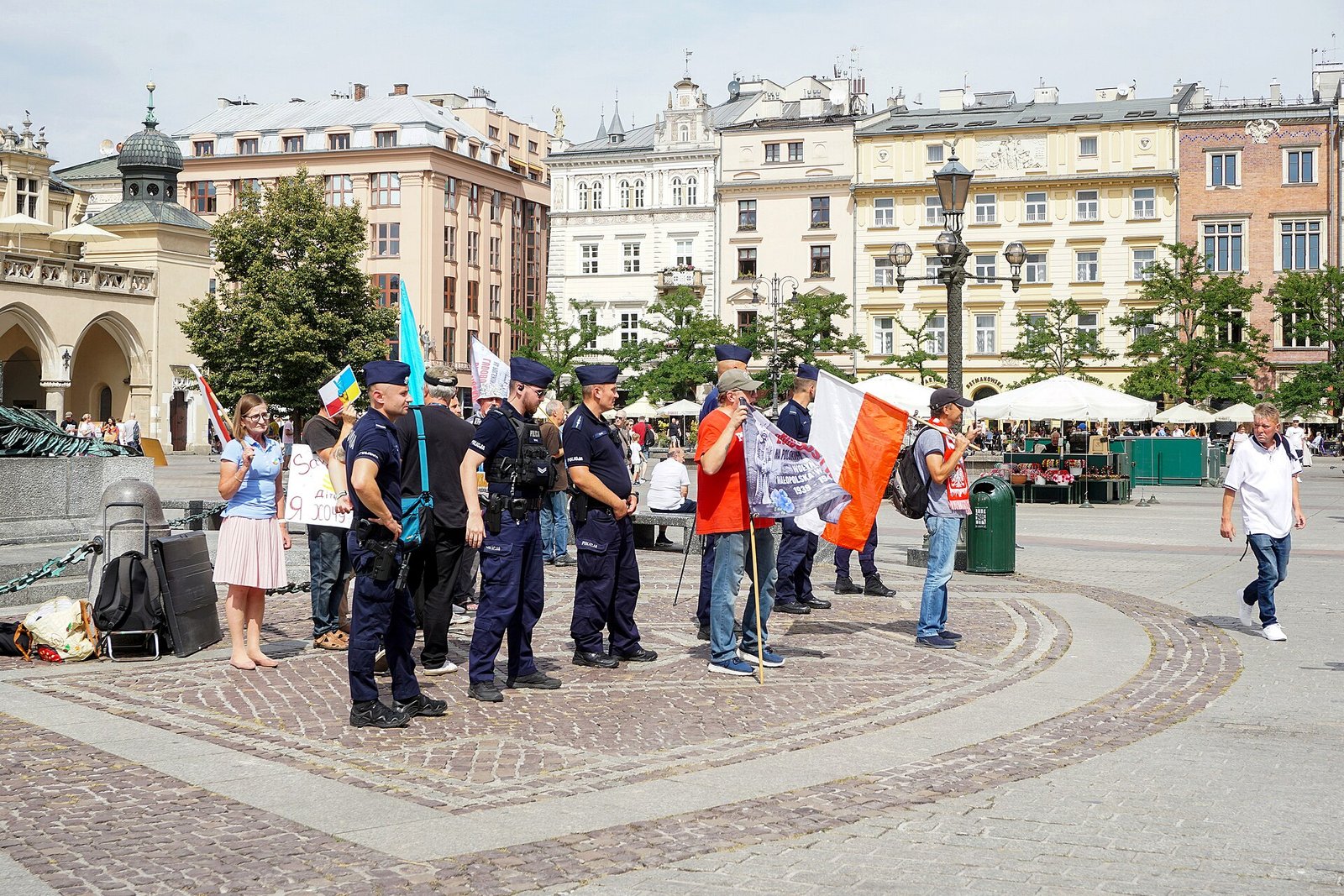
Rynek Główny, St Mary’s Basilica, the Cloth Hall, and surrounding lanes form Kraków’s visual core. Allow two to three hours for an orientation walk, longer with tower, church, or underground museum tickets. Start around sunrise or early morning for the quietest streets, then return when interiors open. Some religious spaces restrict sightseeing during services and charge separate admission. Book the Rynek Underground Museum if it is a priority because timed slots can sell out.
Give Wawel Hill at least half a day
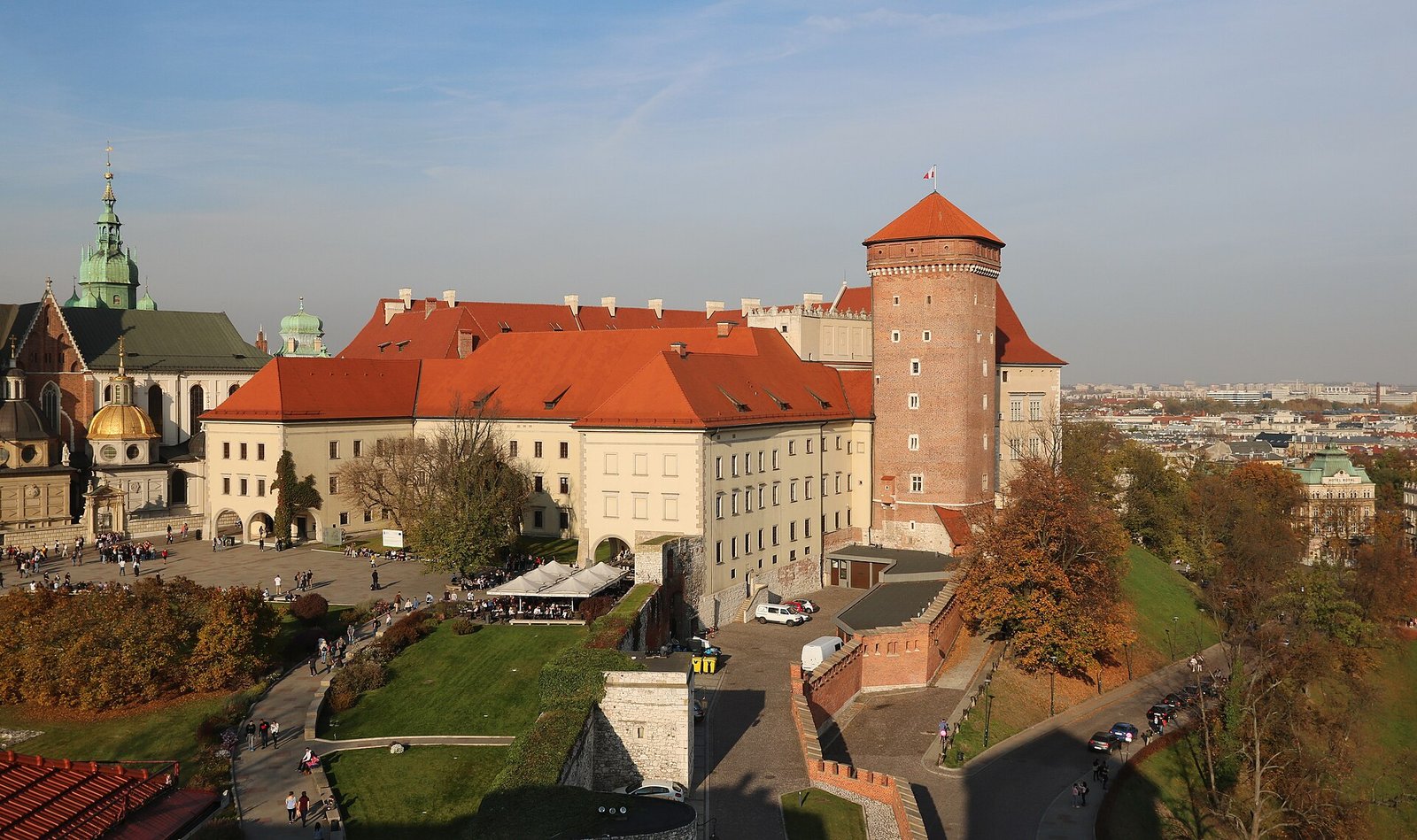
Wawel Cathedral courtyards, castle exhibitions, and river viewpoints tell different parts of Poland’s royal story. Individual routes use limited timed entries, so decide which interiors matter instead of expecting one ticket to cover everything. Allow three to five hours, arrive before the reserved slot, and check Monday or seasonal closures. The grounds themselves are valuable even for travelers skipping paid rooms. Avoid combining a full castle program with another major museum across town.
Explore Kazimierz with historical context
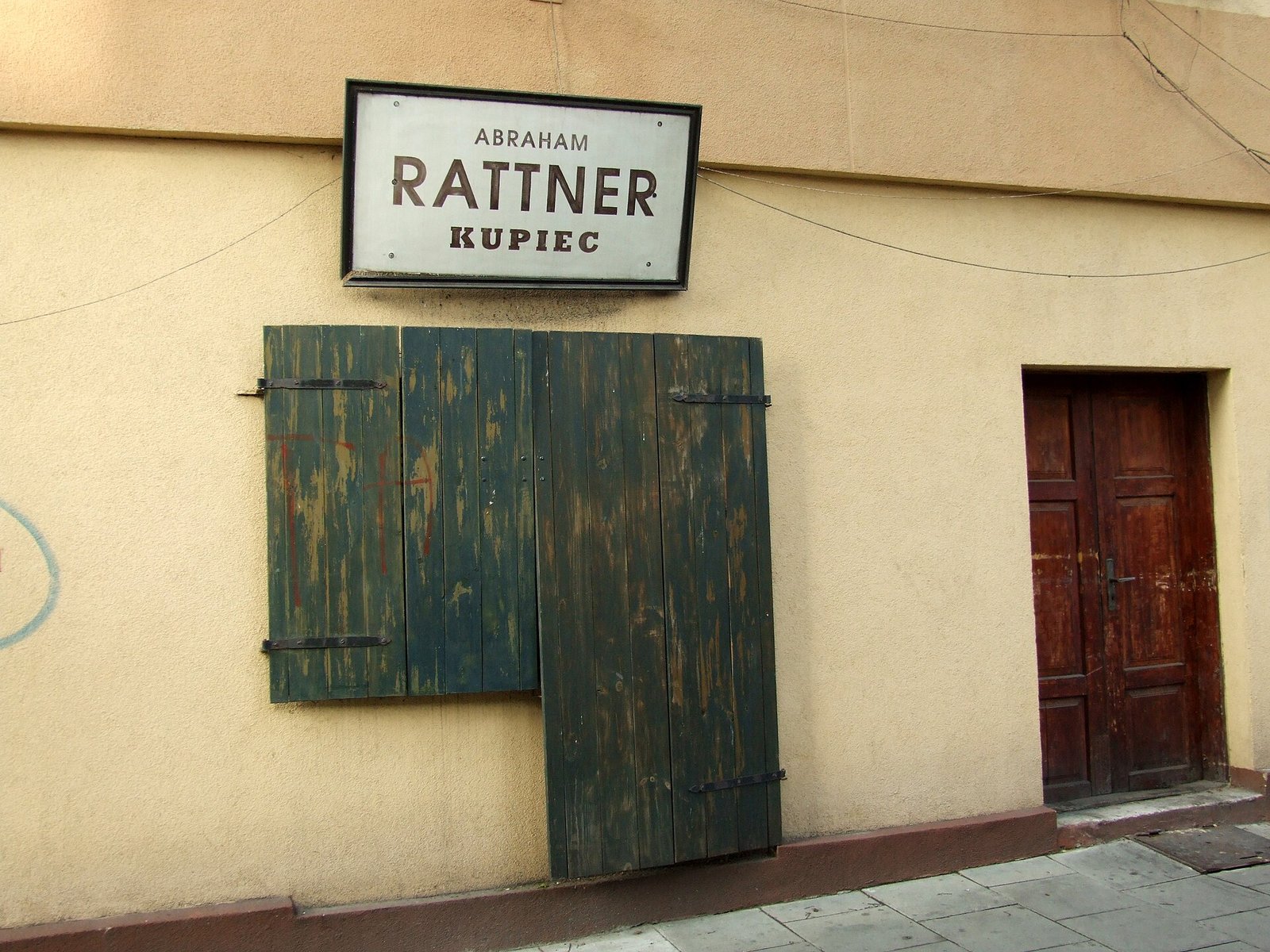
Kazimierz contains active Jewish institutions, historic synagogues, cemeteries, churches, and contemporary neighborhood life. Allow half a day and use a qualified guide or museum interpretation to understand what survives and what was reconstructed. Dress and behave appropriately in religious sites, follow photography rules, and avoid treating memorial spaces as sets. Morning suits cultural visits; return separately for dinner rather than blending serious history into a bar crawl.
Cross to Podgórze and Schindler’s Factory
The Podgórze route can connect Ghetto Heroes Square, surviving fragments of the ghetto wall, and Oskar Schindler’s Enamel Factory museum. The museum focuses on Kraków under Nazi occupation, not only the film-associated story, and requires two to three hours. Current timed tickets are named and limited, so book through the official museum site. Approach the district quietly, read the interpretation, and leave enough emotional space rather than adding it between casual attractions.
Choose one responsible day trip
Wieliczka Salt Mine and the Auschwitz-Birkenau Memorial require different planning and should not be treated as interchangeable excursions. Wieliczka involves stairs, underground walking, a guided route, and a timed ticket. Auschwitz-Birkenau is a site of mass murder and remembrance; reserve only through the official memorial or a transparent authorized arrangement, follow its rules, and allow the day proper weight. Pick one for a four-day itinerary, confirm transport and entry separately, and never trust a reseller’s transport voucher as proof of admission.
A PRACTICAL ROUTE
Suggested itinerary
Old Town and an early Main Square start
Begin in the Main Square before the tour groups, then follow a compact Old Town route through key churches, the university quarter, and Planty. Use a prebooked Rynek Underground slot if desired. Finish with dinner near Planty, keeping the first night moderate before Wawel.
Wawel and Kazimierz
Use the morning for reserved Wawel routes, then walk downhill toward Kazimierz. Visit selected synagogues or a museum with context, pause for lunch, and continue through the district on foot. Stay for dinner or a concert so there is no unnecessary return crossing before evening.
Podgórze and twentieth-century history
Cross the river to Ghetto Heroes Square and related memorial points, then enter Schindler’s Factory at the booked time. Spend the remaining daylight along the river or in a quieter Podgórze area. Keep the evening reflective and do not stack another dense historical museum.
One day trip or a slower Kraków alternative
Use an official reservation for either Wieliczka or the Auschwitz-Birkenau Memorial and allow the full transit and visit window. If no suitable slot is available, stay in Kraków for Nowa Huta, a museum missed earlier, or an unhurried food-focused day. Avoid attempting both major excursions in one rushed tour.
REALISTIC BUDGET
Estimated travel costs
At roughly PLN3.8 per US$1, PLN180 is about US$47 and PLN800 about US$211. These rounded comparisons can shift; use official złoty prices and check whether booking fees, transport, and entry are bundled.
TRAVEL WELL
Practical travel tips
- Reserve Wawel routes, Schindler’s Factory, and any memorial or mine visit early; transport tickets do not guarantee attraction entry.
- Validate the correct tram or bus ticket immediately and make sure its time and zone cover the entire journey, including transfers.
- Use bank-operated ATMs and decline dynamic currency conversion so the card provider, not the terminal, handles conversion.
- Historic-center bars can be noisy and aggressive promoters are best avoided; confirm prices before ordering in unfamiliar venues.
- Dress respectfully for churches, synagogues, cemeteries, and memorial sites, and never use traumatic history as a photo prop.
- Pack shoes with grip for cobbles, winter slush, wet castle slopes, and the extensive stairs of certain day-trip routes.
- Sunday trading restrictions affect many shops, while restaurants and convenience exceptions vary; buy essentials earlier.
- Solo travelers should use lit central routes at night, verify ride-app plates, watch drinks, and avoid unofficial street invitations.
COMMON QUESTIONS
Kraków travel FAQ
How many days do you need in Kraków?
Three days cover the Old Town, Wawel, Kazimierz, and Podgórze at a steady pace. Four days allow one day trip; add another day if two major excursions are essential.
Is Kraków expensive?
Kraków remains moderate compared with many Western European city breaks, but central rooms, famous restaurants, and organized day trips raise costs. Paying in złoty and booking timed sites directly improves control.
Do you need a car in Kraków?
No. Walking, trams, buses, and trains cover the city, airport, and common excursions. A car adds restricted access and parking problems around the historic center.
What is the best month to visit Kraków?
May and September often combine mild weather, long enough daylight, and less pressure than peak summer. December is atmospheric but cold and busy around market dates.
Is Kraków safe for solo female travelers?
Central Kraków is generally manageable with normal city precautions. Avoid isolated streets after late nightlife, verify rides, protect drinks, and choose accommodation with a well-lit route from transit.
Can you visit Auschwitz and Wieliczka in one day?
Some tours advertise both, but the result is long and rushed, and it can diminish a memorial visit. Allocate separate days or choose one, using official timed reservations and realistic transport buffers.
KEEP EXPLORING
Related The Wander Muse guides
CHECK BEFORE DEPARTURE
Sources and official resources
Schedules, fares, closures, access rules, and reservations affecting Kraków can change. Recheck the official resources below shortly before departure.