START HERE
Why visit Monterrey
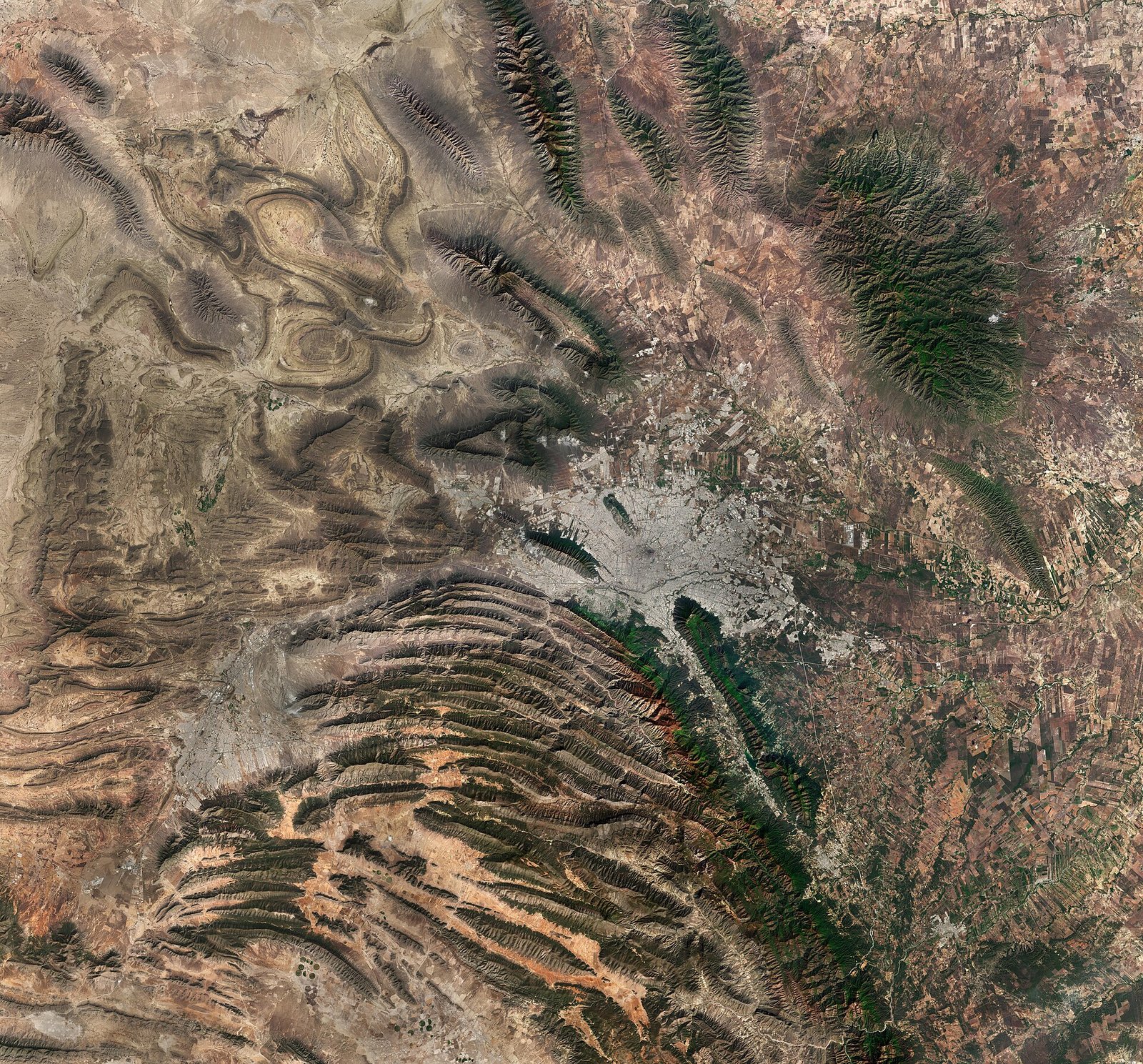
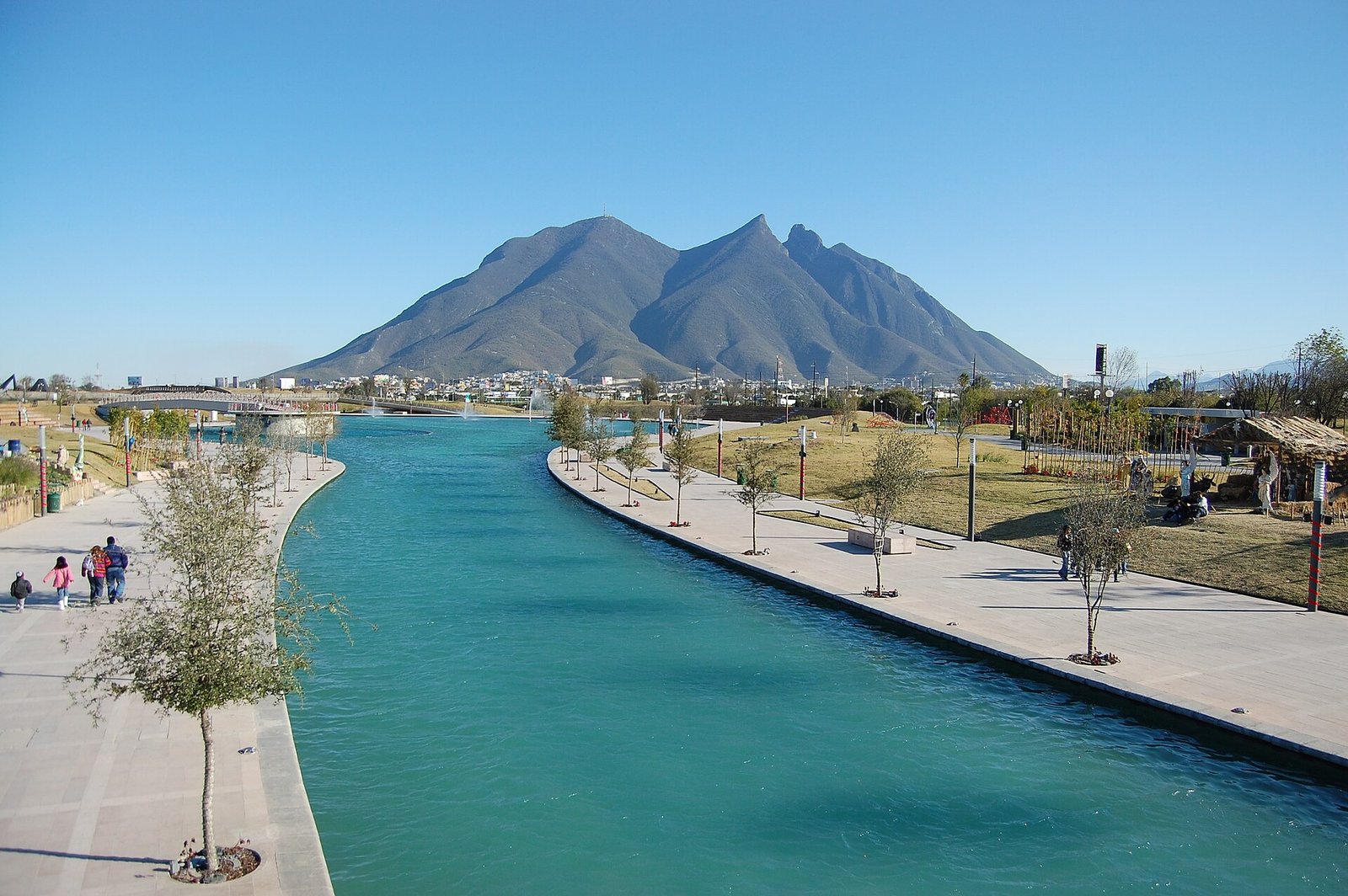
Monterrey’s strongest identity comes from the meeting of a major business city and steep mountain landscape, with museums and food balancing ambitious outdoor days. A well-paced visit connects Macroplaza and Santa Lucía Riverwalk, Museo de Historia Mexicana, and Parque Ecológico Chipinque without turning every day into a race. Centro is convenient for Macroplaza and museums; Barrio Antiguo suits nightlife; San Pedro offers polished dining and mountain access. The Monterrey plan keeps Centro near Macroplaza transfers realistic, leaves meal time near Macroplaza and Santa Lucía Riverwalk, and stays readable on a phone. The city suits active travelers, architecture and museum visitors, business trips with spare time, and food-focused weekends. Mountain weather, trail access, air quality, and long metropolitan distances should shape the schedule before restaurant or nightlife reservations are added. The Monterrey guide ties seasonal conditions to the main gateway, Centro near Macroplaza, local-currency costs, and an itinerary centered on Macroplaza and Santa Lucía Riverwalk.
AT A GLANCE
Monterrey quick travel summary
Monterrey prices are planning ranges. Confirm the final amount in Mexican peso (MXN), including taxes, booking terms, and exactly what each Monterrey transport or activity ticket covers.
WHEN TO GO
Best time to visit
Spring (March–May)
In Monterrey, this period brings mild mornings, warm afternoons, wind, and occasional storms. Outdoor weekends lift hotel and park pressure. Its main advantage is mountains, museums, and city walks; the disadvantage is that heat can build faster than visitors expect. Mild mornings are excellent for Chipinque, but storms, wind, and spring heat can change trail plans. Before an outdoor day in Monterrey, recheck official weather and the transport needed for Macroplaza and Santa Lucía Riverwalk.
Summer (June–August)
In Monterrey, this period brings very hot days with seasonal storms. Business travel continues while leisure demand shifts. Its main advantage is museums and carefully timed dining; the disadvantage is that exposed hiking is often inappropriate. Extreme heat and strong sun favor museums and riverwalk mornings; mountain activity may become unsafe. Before an outdoor day in Monterrey, recheck official weather and the transport needed for Macroplaza and Santa Lucía Riverwalk.
Autumn (September–November)
In Monterrey, this period brings moderating temperatures and clearer walking weather. Festivals and outdoor events raise selected dates. Its main advantage is mountain parks and riverwalk evenings; the disadvantage is that early autumn can remain hot. Cooler air improves urban walking and hiking, though holiday weekends raise demand in outdoor areas. Before an outdoor day in Monterrey, recheck official weather and the transport needed for Macroplaza and Santa Lucía Riverwalk.
Winter (December–February)
In Monterrey, this period brings pleasant low-elevation days and cold fronts. Ordinary rates are moderate outside holidays. Its main advantage is food, museums, and lower trails; the disadvantage is that mountain conditions may be much colder than the city. Ordinary winter days can be pleasant at low elevation, while cold fronts make exposed ridges much colder. Before an outdoor day in Monterrey, recheck official weather and the transport needed for Macroplaza and Santa Lucía Riverwalk.
ARRIVING
How to get there
MTY lies east of the central city and is reached by authorized taxi, app-based ride where permitted, bus, shuttle, or rental car. The easiest option with luggage is an official airport taxi or prearranged transfer; the cheapest practical option depends on the current public bus connection and hotel location. Long-distance buses link Monterrey with major northern Mexican cities at several terminals, so verify which station the ticket uses. A rental car helps with Chipinque and regional mountain areas but is unnecessary for a central museum itinerary. Use only official airport transport counters, save the hotel address offline, and leave extra time for metropolitan traffic.
MOVING AROUND
Getting around
Metrorrey and connected services cover useful central corridors, including access near Macroplaza and Fundidora, but they do not reach every mountain trailhead or restaurant district. Buses extend the network; official taxis and well-established ride services fill gaps. Walking works along Macroplaza, Santa Lucía, Barrio Antiguo, and inside parks, while long arterial roads can be hostile to pedestrians. A car is useful for hiking days and suburban meals but adds traffic and parking. First-time visitors can remain transit-based for two city days and reserve a guided transfer or car only for the mountains. For a 3–5 days visit, use Centro near Macroplaza for the arrival-focused days, group Macroplaza and Santa Lucía Riverwalk with Museo de Historia Mexicana, and protect Parque Ecológico Chipinque for the period with the best conditions. Put Macroplaza and Santa Lucía Riverwalk and Museo de Historia Mexicana on different Monterrey stages; the separation protects meal time and a weather fallback. Accessible Monterrey bookings should confirm metrorrey access and the precise final approach to Macroplaza and Santa Lucía Riverwalk.
CHOOSE A BASE
Where to stay
Centro near Macroplaza — best for first-time visitors and budget travelers
Museums, the riverwalk, Barrio Antiguo, and transit are close. Some blocks become quiet late, traffic can be noisy, and visitors should choose a well-reviewed exact location.
Barrio Antiguo — best for nightlife and historic atmosphere
Colorful streets, restaurants, and evening venues suit a social weekend. Noise and weekend crowds are significant, so request a room away from bars.
San Pedro Garza García — best for dining, business, and mountain access
This polished district offers excellent restaurants and easier western mountain approaches. It is generally more expensive and requires more taxis or driving for central landmarks.
PLAN YOUR DAYS
Best things to do
Macroplaza and Santa Lucía Riverwalk
Monuments, museums, water, and public space create an efficient introduction to central Monterrey. Allow 3–5 hours. Start in cooler morning hours and continue toward Fundidora; no reservation is needed for the public route. Keep Macroplaza and Santa Lucía Riverwalk only when it serves the traveler’s Monterrey priorities, not merely to lengthen the list.
Museo de Historia Mexicana
Clear regional interpretation adds essential context to the city and northern Mexico. Allow 2–3 hours. Check the official closed day and special exhibitions, then pair the museum with Santa Lucía. Keep Macroplaza and Santa Lucía Riverwalk only when it serves the traveler’s Monterrey priorities, not merely to lengthen the list.
Parque Ecológico Chipinque
Mountain forest and viewpoints provide active contrast to the dense metropolitan valley. Allow Half day. Reserve or register through official channels when required, check air and weather conditions, and carry adequate water. Keep Macroplaza and Santa Lucía Riverwalk only when it serves the traveler’s Monterrey priorities, not merely to lengthen the list.
Parque Fundidora
Industrial heritage, recreation, event spaces, and museums occupy a vast former steel complex. Allow 3–5 hours. Visit late afternoon outside peak heat, verify event closures, and use the riverwalk or metro to avoid duplicate parking. Keep Macroplaza and Santa Lucía Riverwalk only when it serves the traveler’s Monterrey priorities, not merely to lengthen the list.
Barrio Antiguo and northern cuisine
Historic streets and restaurants offer the best evening extension to a museum day. Allow 2–4 hours. Reserve a priority restaurant on weekends, use official transport after dark, and clarify the final bill and service. Keep Macroplaza and Santa Lucía Riverwalk only when it serves the traveler’s Monterrey priorities, not merely to lengthen the list.
A PRACTICAL ROUTE
Suggested itinerary
Macroplaza and museums
Walk the central monuments, visit the history museum, and continue into Barrio Antiguo for an early dinner.
Santa Lucía and Fundidora
Follow the water corridor toward the park, choose one paid venue, and remain there through cooler afternoon hours.
Chipinque
Use the best air-quality and weather window for a prearranged mountain visit, then eat in San Pedro.
Flexible culture or food day
Add another museum, a guided regional outing, or a slower northern-Mexican food route.
REALISTIC BUDGET
Estimated travel costs
Monterrey costs move most with February–April or October–November, booking timing, taxes, and the specific room location in Centro near Macroplaza. Recalculate Monterrey’s dollar comparison when booking. For Monterrey, the figures here convert Mexican peso (MXN) at August 1, 2026 reference rates and exclude later card charges.
TRAVEL WELL
Practical travel tips
- Check official heat, air-quality, storm, and fire information before every mountain day.
- Use authorized airport taxis or a verified ride channel; ignore unsolicited transport offers inside the terminal.
- Carry water and sun protection even in cooler months because exposed trails warm quickly.
- Confirm whether a restaurant adds service and whether the card terminal displays pesos before approving payment.
- Solo travelers should use active central streets by day and arrange a verified ride for late returns from nightlife districts.
- For Monterrey, check mountain weather and trail access even when conditions in the city look settled.
- For Monterrey, use official transport after dark and keep valuables out of sight in parked cars.
- For Monterrey, share remote plans and carry offline navigation beyond the urban area.
COMMON QUESTIONS
Monterrey travel FAQ
How many days do you need in Monterrey?
Monterrey works best with 3–5 days for a first visit. A short Monterrey trip should pair Macroplaza and Santa Lucía Riverwalk with one nearby priority; extra time belongs to meals, weather, or metrorrey delays.
Is Monterrey expensive?
In Monterrey, a budget traveler can plan around MX$ 900–1,600 (about US$52–92) per person per day before long-distance arrival costs. The largest Monterrey premiums come from Centro near Macroplaza, peak dates, private transport, and guided access to Macroplaza and Santa Lucía Riverwalk.
Do you need a car in Monterrey?
A car is not necessary for Macroplaza, Santa Lucía, and Fundidora. It becomes useful for mountain parks and dispersed dining, provided the driver is comfortable with traffic.
What is the best month to visit Monterrey?
November often provides the most comfortable mix of city walking and mountain weather, with fewer extreme-heat constraints.
Is Monterrey safe for solo female travelers?
Many solo female travelers can plan Monterrey with ordinary destination-appropriate precautions. Solo travelers should use active central streets by day and arrange a verified ride for late returns from nightlife districts. Before departing for Monterrey, review current government advice alongside local weather and transport notices.
What should you book in advance for Monterrey?
Reserve Chipinque access when required, guided outdoor activities, business-week hotels, and popular weekend restaurants. Central public spaces remain flexible.
KEEP EXPLORING
Related The Wander Muse guides
CHECK BEFORE DEPARTURE
Sources and official resources
Schedules, fares, access rules, closures, and entry systems affecting Monterrey can change. Recheck the official resources below shortly before departure.