
START HERE
Why visit San Diego
San Diego combines an easygoing Pacific coastline with museums, gardens, Mexican-American food, and neighborhoods that feel distinct enough to reward more than a beach weekend. It works especially well for couples, families, solo travelers, and first-time California visitors who want outdoor time without giving up city comforts. Four days cover Balboa Park, one coastal district, downtown, and a flexible beach day; five or six days make room for La Jolla, Coronado, Cabrillo National Monument, or North County. This guide explains which base reduces travel time, how to arrive from San Diego International Airport, when a rental car is useful, realistic daily costs, and how to group sights efficiently. The essential planning point is distance: La Jolla, downtown, Coronado, and the northern beaches are separate zones, so changing neighborhoods repeatedly can consume the day.
AT A GLANCE
San Diego quick travel summary
San Diego budgets are planning ranges rather than quotes. Coastal weekends, conventions, parking charges, attraction bundles, and summer room demand can change the total, so verify current terms before booking.
WHEN TO GO
Best time to visit
Spring (March–May)
Spring brings mild afternoons, cooler ocean water, and a useful balance between crowd levels and weather. Marine cloud cover is common, especially near the coast, while inland neighborhoods can be sunnier. Hotel prices rise around school breaks and major events but are usually below peak summer. Use this period for Balboa Park gardens, coastal walks, and neighborhood dining; pack a layer for evenings and do not assume every beach day will be hot.
Summer (June–August)
Summer delivers the warmest beach conditions, long daylight, and the largest family crowds. Coastal hotels and parking are expensive, popular beaches fill early, and traffic toward La Jolla or North County can be slow. The ocean remains cooler than many visitors expect. Reserve accommodation and major attractions, begin beach days before late morning, and use transit or rideshare where parking would add stress.
Fall (September–November)
September and early October often provide warm water, clear afternoons, and excellent outdoor conditions after the busiest school-holiday period. Prices can remain high on event weekends but generally soften later in fall. This is a strong season for kayaking, coastal walks, Coronado, and restaurant-focused trips. Heat can still affect inland hikes, so check the forecast by neighborhood rather than relying on a single city temperature.
Winter (December–February)
Winter is cooler and can be rainy, yet many days remain comfortable for museums, walking, and coastal viewpoints. Holiday weeks are busy, while ordinary January and February dates may offer better hotel value. Ocean activities need warmer gear and storms can close exposed paths or create unsafe surf. Build a flexible plan around Balboa Park, Old Town, indoor museums, and clear-weather coastal outings.
ARRIVING
How to get there
San Diego International Airport sits close to downtown, which makes arrival easier than at many large U.S. cities. Official airport taxis, app-based rides, hotel shuttles, and public transport connect the terminals with central districts. MTS also links airport travelers with the wider trolley and bus network; confirm the current airport connection and last service before relying on it for a late arrival. Amtrak’s Pacific Surfliner and regional COASTER trains use Santa Fe Depot downtown, useful for travelers arriving from Los Angeles, Orange County, or North County. Driving from Los Angeles can take much longer than the map suggests when traffic is heavy. The easiest option for a central stay is usually transit plus occasional rideshare; a rental car becomes more useful for North County beaches, Torrey Pines, or several distant stops in one day.
MOVING AROUND
Getting around
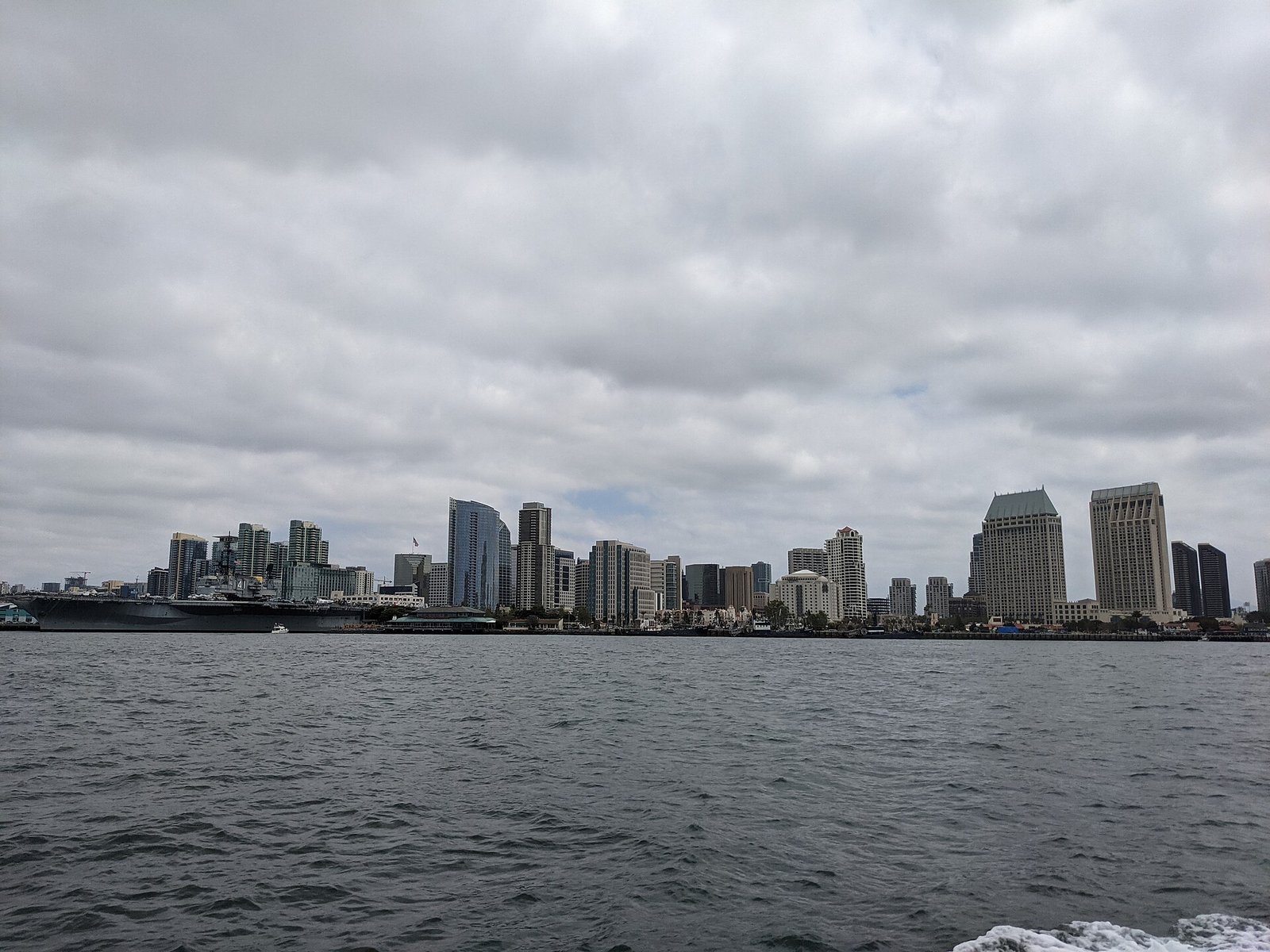
Downtown, Little Italy, Old Town, and parts of Mission Valley are connected by the trolley, while buses extend to Balboa Park, beaches, and Point Loma. Walking works within individual districts but not between every major sight. Ferries connect downtown with Coronado and avoid bridge traffic, though schedules should be checked before an evening return. A car offers flexibility for La Jolla, Torrey Pines, and North County, but hotel parking and beach parking can be expensive. Cyclists should use protected or lower-traffic routes and account for hills. For a four-day first visit, stay centrally and combine transit with two or three rides; rent a car only for a geographically concentrated coastal day.
CHOOSE A BASE
Where to stay
Downtown, Little Italy, or the Gaslamp — best for first-time convenience
This central cluster gives easy access to the airport, waterfront, Santa Fe Depot, restaurants, and trolley lines. Little Italy is calmer and food-focused, while the Gaslamp is closer to nightlife and the convention center. Rooms and parking can be expensive, and the atmosphere changes block by block. Choose this base for a short visit, a car-light itinerary, or early rail travel.
Mission Valley or Old Town — best for transport and value
Mission Valley and Old Town offer trolley access, larger hotels, and easier road connections than the waterfront. Rates may be lower outside major events, and families often appreciate pools and parking. The trade-off is less evening atmosphere and limited walkability beyond immediate hotel areas. It suits travelers dividing time between beaches, downtown, and attractions rather than seeking a romantic neighborhood stay.
La Jolla, Pacific Beach, or Coronado — best for coast and scenery
La Jolla suits coves, coastal walks, and a polished village setting; Pacific Beach is younger and livelier; Coronado feels relaxed and resort-oriented across the bay. These areas make beach mornings effortless but increase travel time to Balboa Park and other districts. Prices rise near the water and parking can be difficult. Pick one only when the coast is the trip’s main priority.
PLAN YOUR DAYS
Best things to do
Balboa Park and its museums
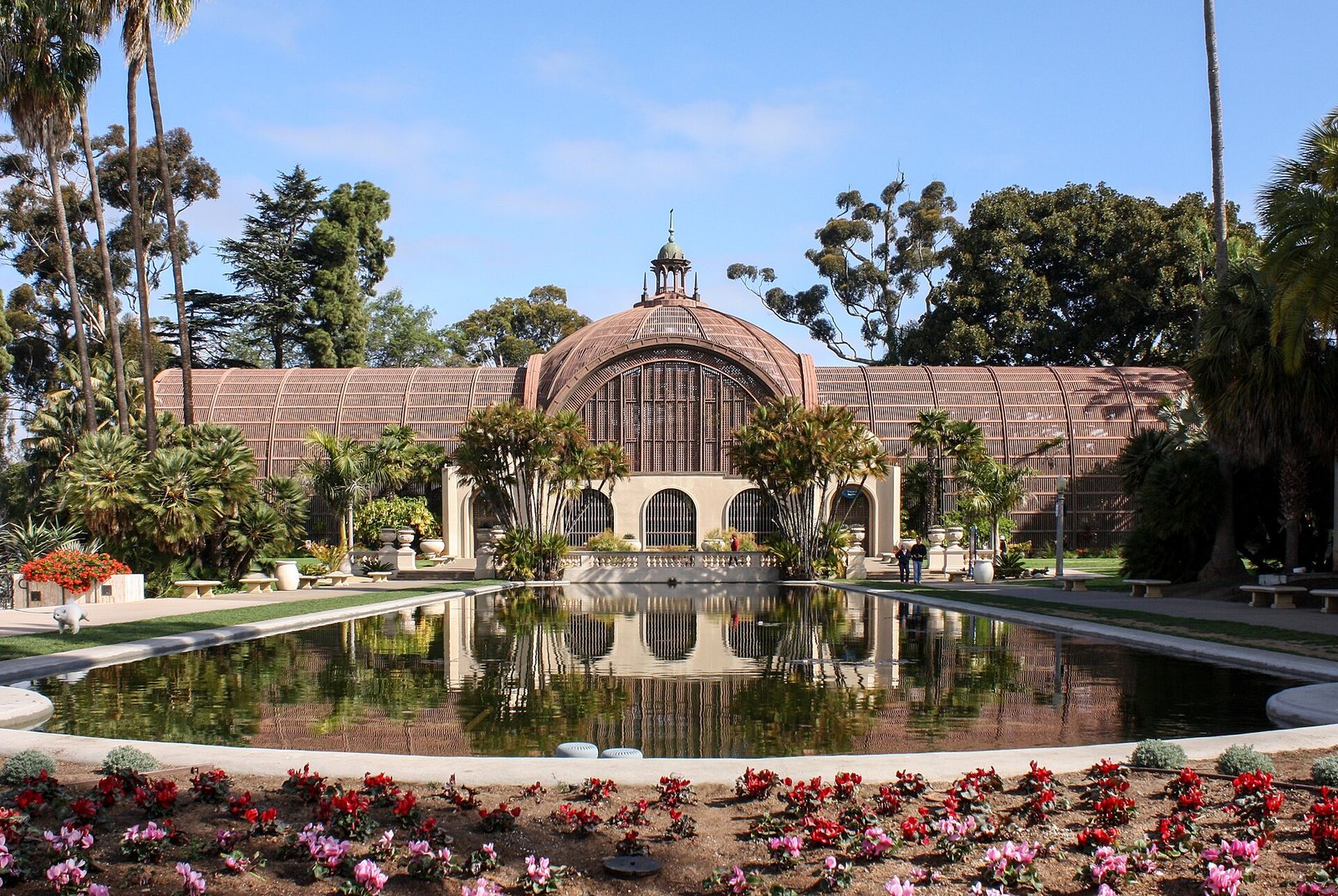
Balboa Park combines landscaped gardens, Spanish Colonial Revival architecture, museums, and performance spaces in one large district. Allow at least half a day, or a full day if visiting several museums. Weekday mornings are calmer, and individual museums may close on different days. Reserve limited exhibitions when offered, compare combination passes only with places you genuinely plan to enter, and leave time to walk the free public spaces between tickets.
La Jolla Cove and coastal walk
La Jolla’s cliffs, coves, sea-life viewing, and ocean paths create one of the city’s strongest scenic outings. Allow two to four hours, longer with kayaking or a meal. Morning provides easier parking and softer light, although marine cloud can linger. Keep a respectful distance from wildlife, never block access points, and check ocean conditions before entering the water. The area suits photographers, families, and travelers who prefer gentle coastal walking.
Cabrillo National Monument and Point Loma
Cabrillo National Monument offers harbor views, military history, lighthouse interpretation, and seasonal tidepool access. Plan two to three hours and check the National Park Service for operating hours, fees, tide guidance, and temporary closures. Clear mornings provide the widest views. Public bus service reaches the visitor complex on published schedules but not every lower tidepool area, so compare timing carefully before traveling without a car.
Coronado and the bayfront
The passenger ferry makes Coronado an easy half-day from downtown. Walk the bayfront, continue toward the ocean beach, or use a local ride if the cross-island distance is uncomfortable. Allow three to five hours, ideally outside the hottest afternoon period. The beach itself does not require advance booking, while hotel dining and activities may. This outing suits couples, families, and travelers wanting a slower day without a long drive.
Old Town and Barrio Logan
Old Town presents preserved buildings and early California history, while Barrio Logan centers Chicano art, murals, and independent food businesses. They are not interchangeable, and each deserves context rather than a rushed photo stop. Allow two hours for either area and use the trolley for Old Town. Visit Barrio Logan during active daytime hours, support local businesses, and check museum or gallery schedules before building the day around a specific venue.
A PRACTICAL ROUTE
Suggested itinerary
Waterfront, Little Italy, and sunset
Arrive, settle into a central base, and keep the first afternoon compact. Walk the Embarcadero, continue to Little Italy for dinner, and use a nearby waterfront viewpoint for sunset. This sequence avoids crossing the city after a flight and works without a car.
Balboa Park and neighborhood dinner
Start in Balboa Park before tour groups arrive, choose one or two museums, and spend the afternoon in gardens and architectural spaces. Finish in North Park, Hillcrest, or South Park for dinner rather than returning immediately to the tourist waterfront.
La Jolla and the northern coast
Travel to La Jolla early for the coastal walk and wildlife viewing. Add a reserved kayak trip only if conditions are appropriate. Continue to Torrey Pines or a nearby beach rather than driving back and forth between the coast and downtown.
Point Loma and Old Town
Visit Cabrillo National Monument in the morning when visibility is often best. Continue to Liberty Station or Old Town for lunch and history. Keep the evening free for a harbor cruise, baseball game, or restaurant reservation according to the travel dates.
Coronado or a flexible beach day
Take the ferry to Coronado for a low-driving final day, or choose the beach district that best matches the weather. Travelers with extra time can substitute North County, but should devote the whole day to that corridor rather than adding downtown stops.
REALISTIC BUDGET
Estimated travel costs
San Diego totals vary most with coastal lodging, event dates, parking, and the number of paid activities. Confirm taxes and resort or destination fees before payment.
TRAVEL WELL
Practical travel tips
- Treat beach neighborhoods and downtown as separate itinerary zones; repeated cross-city trips waste time and add rideshare or parking costs.
- The Pacific is colder than many visitors expect. Check lifeguard flags and use staffed beaches when swimming.
- Reserve popular museums, wildlife tours, and weekend restaurants, but do not buy a city pass until the included places match the actual route.
- Carry a light layer year-round because coastal wind and evening temperatures can differ sharply from inland forecasts.
- Cards are widely accepted, but keep a small amount of cash for tips, small vendors, or temporary payment-system problems.
- Avoid leaving bags visible in parked vehicles, especially at beaches and trailheads; move valuables before arriving rather than at the parking space.
- Solo women travelers generally find busy visitor districts straightforward, but should use populated transit stops and verified rides after late nightlife.
- Accessibility varies on sand, cliffs, historic sites, and older vessels; confirm step-free routes directly with each attraction or transport operator.
COMMON QUESTIONS
San Diego travel FAQ
How many days do you need in San Diego?
Four days cover Balboa Park, downtown, La Jolla, and one additional coastal district. Five or six days allow Point Loma, Coronado, North County, or a slower beach schedule without constant driving.
Do you need a car in San Diego?
Not for a central first visit built around downtown, Balboa Park, Old Town, and occasional rides to the coast. A car is useful for Torrey Pines, North County, or several distant beaches, but parking costs should be included.
What is the best month to visit San Diego?
May, September, and October often balance comfortable weather with manageable crowds, although May can be cloudy near the coast. Summer offers warmer beach conditions but higher prices and heavier demand.
Is San Diego expensive?
Coastal hotels, parking, and ticketed activities can make it expensive. Transit, free beaches, public park areas, neighborhood meals, and a central base help control costs.
Is San Diego safe for solo female travelers?
Popular visitor districts are generally manageable with normal city precautions. Use well-lit routes at night, verify rides, protect drinks, and avoid isolated beach or trail areas after dark.
Where should first-time visitors stay?
Little Italy or downtown works best for a short car-light trip. La Jolla or Coronado is better when scenery and beach access matter more than quick connections to the rest of the city.
KEEP EXPLORING
Related The Wander Muse guides
CHECK BEFORE DEPARTURE
Sources and official resources
Schedules, fares, closures, access rules, and reservations affecting San Diego can change. Recheck the official resources below shortly before departure.