START HERE
Why visit Cape Town
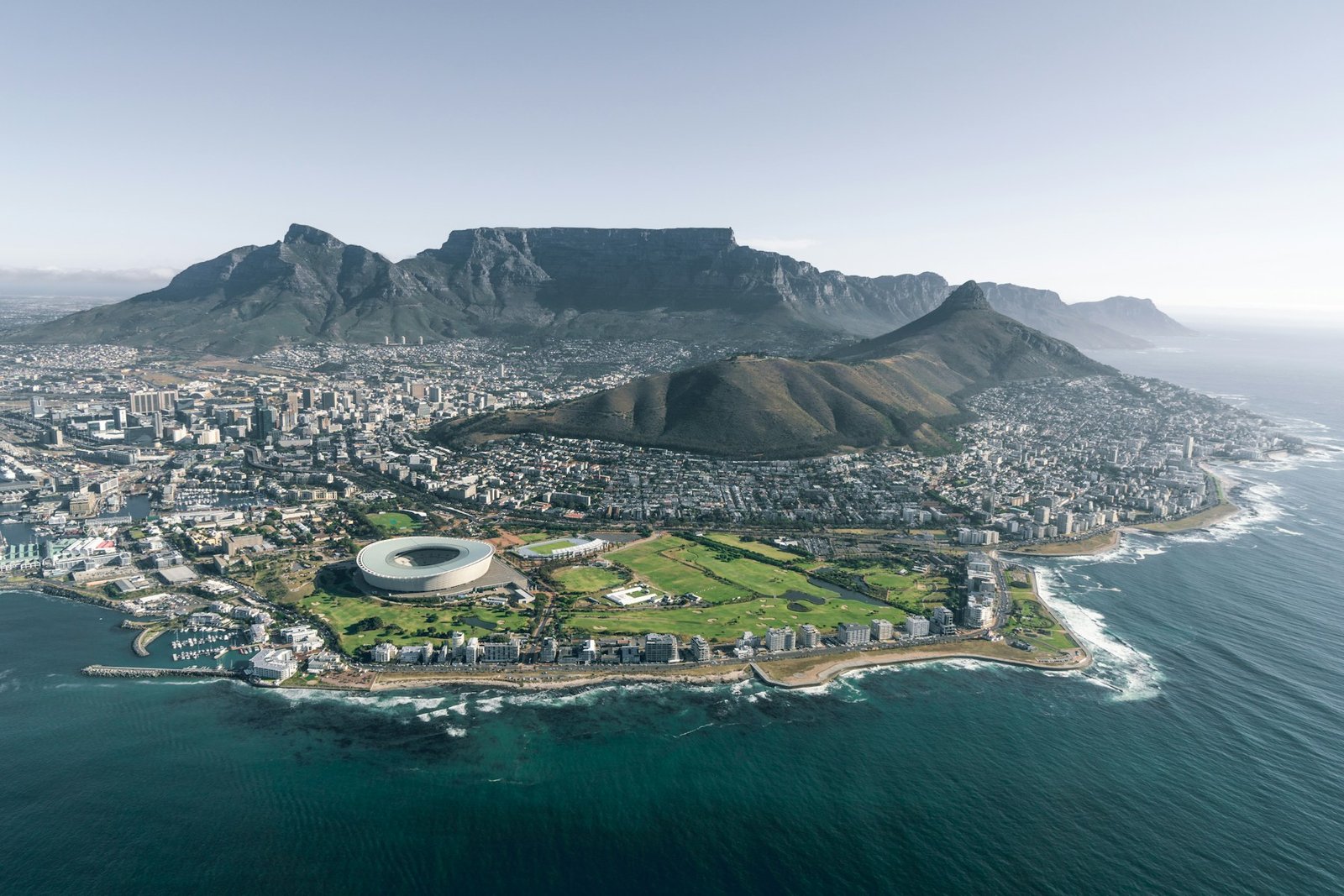
Cape Town rewards travelers who combine Table Mountain, Atlantic and False Bay coasts, layered histories, ambitious food, gardens, and nearby wine country with enough time for promenade sunsets, neighborhood meals, garden walks, and a genuine weather buffer for the mountain. It is especially rewarding for landscapes, food, hiking, beaches, history, road trips, couples, and photography. Wind, wildfire, ocean conditions, car break-ins, power or service disruptions, and sharply different block conditions require local judgment. City Bowl or Gardens is the most balanced first base, Sea Point offers promenade and calmer evenings, and V&A Waterfront suits visitors prioritizing convenience and families. Cape Town planning links Cape Town International (CPT), rental car for selected days, City Bowl or Gardens, and Use the clearest day for Table Mountain to the six-row South African rand (ZAR) costs and 5–7 days itinerary below. Before paying for a Cape Town booking, confirm current weather limits, closures, permits, rental car for selected days, and timed entry through an official source.
AT A GLANCE
Cape Town quick travel summary
For Cape Town, major attractions commonly zar 400–700 (about us$22–39). Cape Town estimates can exclude taxes; verify Use the clearest day for Table Mountain fees, card charges, transport, and seasonal supplements.
WHEN TO GO
Best time to visit
Autumn (March–May)
Autumn brings mild days, cooler evenings, and increasing rain later in the period. Crowds ease after Easter. City walks, wine-country days, and clearer early-autumn viewpoints can fit well together. Wind and the first winter fronts may suspend the cableway or exposed hikes. Keep Table Mountain movable and check coastal conditions before a peninsula drive.
Winter (June–August)
Winter is cool and wet, with short daylight, strong fronts, and rough seas, although clear intervals can be striking. Prices are often lower outside events. Museums, food, wine estates, and flexible scenic drives work better than a rigid beach plan. Mountain trails and marine trips may close at short notice. Use the local forecast to place every exposed outing.
Spring (September–November)
Spring alternates bright weather with wind and rain while wildflowers and whale-watching opportunities develop by area. Demand is moderate and rising. The season rewards a mixed city, coast, and garden route. Cold water and rapid mountain cloud still matter. Confirm the cableway, boat, and reserve status on the day rather than assuming one forecast covers the peninsula.
Summer (December–February)
Summer is dry, warm, windy, and busy, with long daylight and premium room prices. Beaches, peninsula drives, outdoor dining, and early mountain outings are at their most practical. Fire danger, intense sun, the southeaster, and holiday traffic can interrupt plans. Reserve accommodation early and begin exposed activities before heat and wind strengthen.
ARRIVING
How to get there
Cape Town International Airport connects by pre-arranged transfer, licensed taxi, app ride under current pickup rules, and rental car. Do not improvise a route through unfamiliar districts after dark. Confirm accommodation access, backup power if important, parking, and the actual road to the first base. From Cape Town International (CPT), compare luggage handling and service hours through to City Bowl or Gardens; the cheapest Cape Town fare may leave an impractical final connection. For a late Cape Town International (CPT) arrival, get the Cape Town transfer instructions in writing and decline undocumented rides.
MOVING AROUND
Getting around
MyCiTi serves selected central and Atlantic corridors, while verified app rides are useful at night. A car helps for the Peninsula and Winelands but should never contain visible luggage. Table Mountain transport and hikes are weather-dependent, and walking between attractions is not always appropriate merely because the map looks close. Group the City Bowl with Company’s Garden and museums, Table Mountain on the first clear safe window, Atlantic Seaboard together, and the Cape Peninsula as a separate full drive. This Cape Town order avoids repeated transfers and keeps Drive or tour the Cape Peninsula available when weather, queues, or transport disrupt Use the clearest day for Table Mountain. Accessible Cape Town plans should verify rental car for selected days boarding, surfaces, restrooms, and the final approach to Use the clearest day for Table Mountain.
CHOOSE A BASE
Where to stay
City Bowl or Gardens — best for culture and first-time balance
Restaurants, museums, mountain access, and central transport create efficient days. Exact nighttime routes and uphill streets require attention. Before selecting City Bowl or Gardens, compare the Cape Town walking distance, luggage transfer, late arrival plan, and refund terms.
Sea Point — best for promenade and calmer evenings
The waterfront path, food, buses, and quick access toward the Atlantic beaches suit longer stays. Reaching some City Bowl sights requires a ride and ocean-facing rooms can be windy. Before selecting Sea Point, compare the Cape Town walking distance, luggage transfer, late arrival plan, and refund terms.
V&A Waterfront — best for convenience and families
Security, dining, ferries, shops, and hotel services simplify a short or family visit. Prices are high and the polished precinct is not representative of the whole city. A room labeled V&A Waterfront can still be inconvenient in Cape Town; check its location, after-dark route, and connection.
PLAN YOUR DAYS
Best things to do
Use the clearest day for Table Mountain
Table Mountain defines the city’s weather and ecology, whether reached by cableway or an appropriate guided trail. Allow 3–6 hours. Use the first clear low-wind window, check cableway and trail status, and never hike down an unknown route after closure. Return cableway tickets commonly cost roughly ZAR 400–500 (about US$22–28).. Confirm transport to Use the clearest day for Table Mountain, then follow any Cape Town closure, barrier, or guide direction.
Drive or tour the Cape Peninsula
The Cape Peninsula links coastal roads, Cape Point, penguin habitat, villages, and rapidly changing marine weather. Allow A full day. Start early, check road and fire conditions, use legal parking, and keep the route shorter than the sightseeing map suggests. Park entries and penguin access can total several hundred ZAR before transport.. For Drive or tour the Cape Peninsula, let Cape Town access rules and staff instructions set the safe limit.
Reserve Robben Island
Robben Island requires an authorized ferry and guided historical interpretation, with weather able to cancel crossings. Allow 4–5 hours. Book officially, arrive before boarding cutoff, carry a layer, and protect a backup cultural plan. Standard tours commonly cost around ZAR 600–700 (about US$34–39).. Before Reserve Robben Island, verify Cape Town access, then assess the fitness demands and return connection for Reserve Robben Island.
Explore the Winelands with a sober driver or tour
Kirstenbosch and selected Winelands areas reveal indigenous flora, mountain edges, estates, and food beyond the center. Allow 5–8 hours. Use a driver or tour if tasting, choose one wine corridor, and retain garden time for poor coast conditions. Garden admission is modest; tastings, meals, and transport vary widely.. Explore the Winelands with a sober driver or tour must fit the traveler’s ability and current Cape Town conditions; wildlife distances remain firm.
Cape Town history, District Six, and Bo-Kaap with context
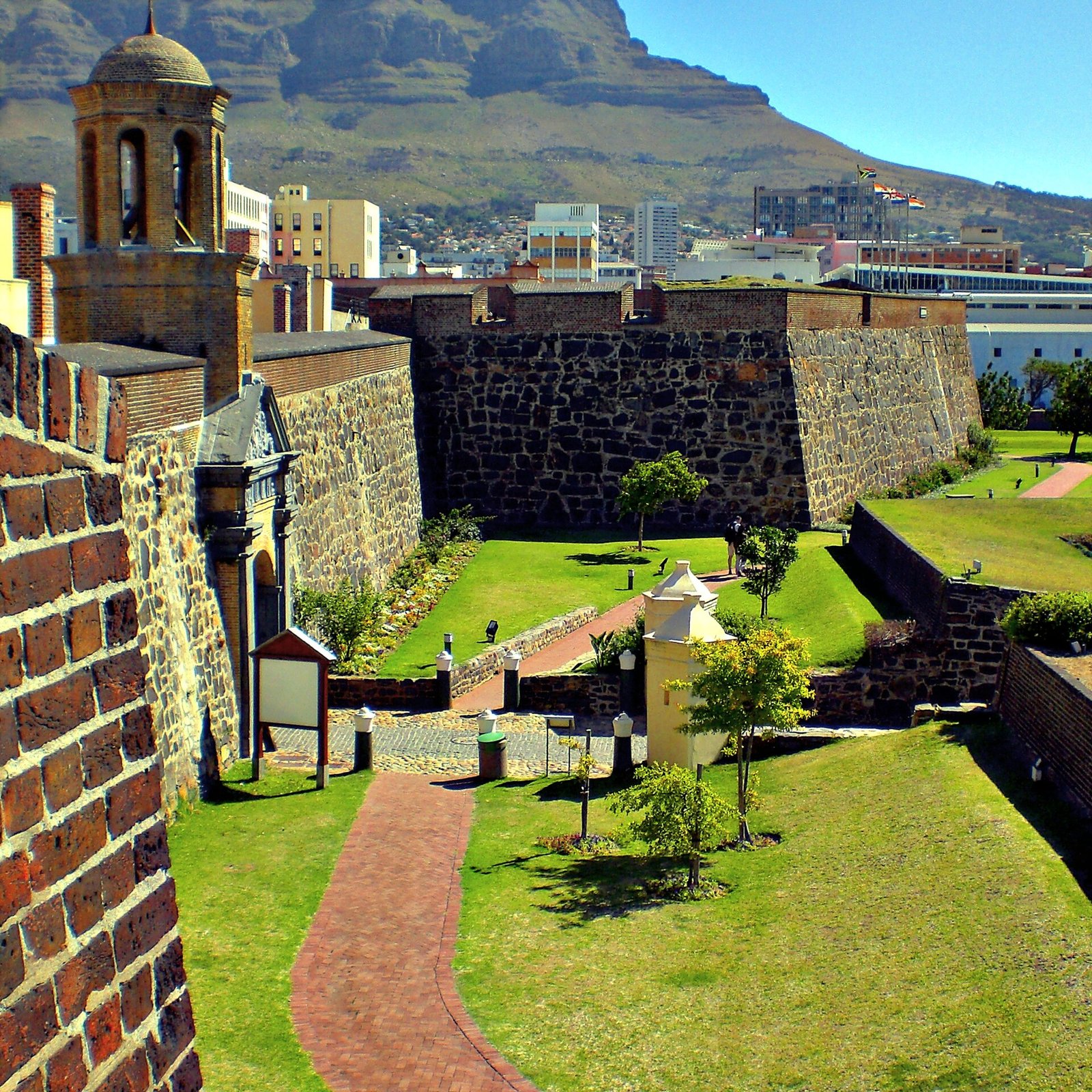
District Six, Bo-Kaap, museums, and researched walks provide essential context on slavery, apartheid, forced removal, and living communities. Allow 4–7 hours. Use local institutions or a community-connected guide, ask before photographing residents, and avoid reducing neighborhoods to facades. Public streets are free; museums and responsible guides charge varied fees.. Confirm transport to Cape Town history, District Six, and Bo-Kaap with context, then follow any Cape Town closure, barrier, or guide direction.
A PRACTICAL ROUTE
Suggested itinerary
Arrive and orient
Reach City Bowl or Gardens, settle in near City Bowl or Gardens, check rental car for selected days hours, and orient only around the route to Use the clearest day for Table Mountain.
Use the clearest day for Table Mountain
Use the first full itinerary stage for use the clearest day for table mountain. After Use the clearest day for Table Mountain, eat near City Bowl or Gardens instead of adding a cross-Cape Town transfer.
Drive or tour the Cape Peninsula
Build the next itinerary stage around drive or tour the cape peninsula, adding reserve robben island only if Cape Town access and the transfer from City Bowl or Gardens remain practical.
A different side of the destination
Use Sea Point or V&A Waterfront to reach explore the winelands with a sober driver or tour with less backtracking. Keep an independent meal, rest, or indoor alternative.
Flexible priority and departure
Choose cape town history, district six, and bo-kaap with context, repeat time near City Bowl or Gardens, or recover Use the clearest day for Table Mountain after a weather delay. End the Cape Town route with a real buffer for luggage, traffic, security, and the Cape Town International (CPT) connection.
REALISTIC BUDGET
Estimated travel costs
Cape Town costs move most with November–March, the location of City Bowl or Gardens, and the choice between rental car for selected days and private transfers. For Cape Town, let the final South African rand (ZAR) total control the decision. For Cape Town, its August 1, 2026 dollar conversion may differ at checkout.
TRAVEL WELL
Practical travel tips
- Keep Table Mountain flexible and use the first clear, low-wind, officially open window.
- Never leave bags, electronics, or shopping visible in a parked vehicle.
- Use verified app rides or vetted transfers after dark and wait inside until the vehicle arrives.
- Check fire, wind, trail, surf, road, and power notices before outdoor days.
- Hike in a group or with a qualified local guide and carry water, layers, and offline navigation.
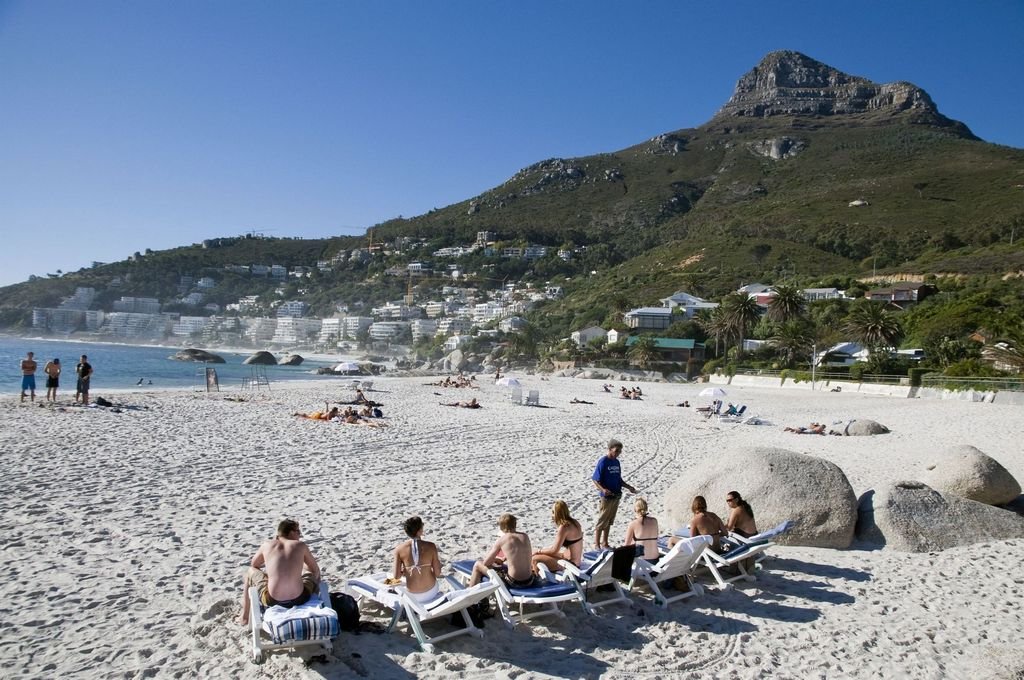
- Swim only where lifeguards and conditions support it; Atlantic water is cold and currents are serious.
- Use a driver or tour for wine tasting rather than combining alcohol and driving.
- Solo women should choose a researched exact block, share hikes and peninsula drives, and avoid isolated beaches or mountain paths after crowds leave.
COMMON QUESTIONS
Cape Town travel FAQ
How many days do you need in Cape Town?
5–7 days is a realistic first-visit range for Cape Town. If 5–7 days is not possible, keep City Bowl or Gardens and Use the clearest day for Table Mountain; extra Cape Town days should absorb recovery, weather, or reservation changes.
Is Cape Town expensive?
A practical daily planning range is ZAR 1,100–1,900 (about US$62–107) budget; ZAR 2,800–5,500 (about US$157–309) mid-range, per person. For Cape Town, room location, peak dates, private transport, permits, and guided access to Use the clearest day for Table Mountain drive the largest increases; compare full inclusions, not headline prices.
Do you need a car in Cape Town?
Not for central and waterfront days. Rent for a compact Peninsula or Winelands segment, or use tours and a designated driver.
Is Table Mountain cableway always open?
No. Wind, maintenance, fire, and cloud can close it. Check the official status and keep another day available.
Where should first-time visitors stay?
Gardens or the City Bowl balance culture, Sea Point suits the promenade, and the Waterfront emphasizes convenience. Check the exact block and transport.
What should you book first?
Reserve peak rooms, Robben Island, specialist hikes, and a responsible Peninsula or Winelands plan first; leave Table Mountain timing flexible.
KEEP EXPLORING
Related The Wander Muse guides
PLAN WITH CURRENT INFORMATION
Official resources
Opening hours, fares, permits, weather rules, and transport arrangements in Cape Town can change. Use the linked authorities to recheck Cape Town access, opening times, and transport before departure.