START HERE
Why visit Maui
Maui combines volcanic summit landscapes, seasonal whale habitat, rainforest roads, working farms, Native Hawaiian culture, and beaches whose conditions change by wind and swell. It suits beaches, couples, families, hiking, snorkeling, road trips, culture, and seasonal whale watching and works best when Haleakalā National Park summit and Road to Hāna stay on separate compact days. A first visit works best when Haleakalā National Park summit, Road to Hāna, and Responsible snorkeling beach are arranged around realistic transport and weather windows. Kīhei and Wailea suit sunny south-shore access, Kāʻanapali and Napili serve the west, and Pāʻia or Upcountry supports Haleakalā and Road to Hāna starts. Maui planning connects Kahului Airport (OGG), rental car, Kīhei or Wailea, and Haleakalā National Park summit with the six-row US dollar (USD) budget and 6–8 days route below. Before booking Maui, use the linked authorities to verify opening days, rental car, and any timed entry for Haleakalā National Park summit.
AT A GLANCE
Maui quick travel summary
Maui prices are planning ranges rather than quotes. For Maui, compare the final checkout total—not only the advertised price—and verify every transfer or ticket inclusion.
WHEN TO GO
Best time to visit
Dry season (December–April)
Across Maui, expect lower humidity, brighter days, and generally calmer travel conditions; conditions near Haleakalā National Park summit can vary. For Maui, crowds and prices are at their highest during peak international demand. Haleakalā National Park summit is the most practical Maui focus during this period. The limitation is that visitors in Maui should book popular rooms, boats, and guides well ahead. Wildfire recovery and access, high surf, flash floods, trade wind, summit cold, road closures, marine conditions, and reservation systems determine safe plans. Recheck Maui weather and the operating status of Haleakalā National Park summit shortly before any weather-sensitive or reservation-dependent day.
Early shoulder season (May–June)
Across Maui, expect warmer humidity with a mix of sunshine and short showers; conditions near Road to Hāna can vary. For Maui, crowds and prices are generally lower, with occasional accommodation value. For Maui, this window favors Road to Hāna. Schedule it only after accounting for the fact that in Maui, heat and rain make rigid schedules uncomfortable. Wildfire recovery and access, high surf, flash floods, trade wind, summit cold, road closures, marine conditions, and reservation systems determine safe plans. Recheck Maui weather and the operating status of Haleakalā National Park summit shortly before any weather-sensitive or reservation-dependent day.
Wet or storm season (July–October)
Across Maui, expect heavier rain risk and possible tropical systems; conditions near Responsible snorkeling beach can vary. Crowds and prices are generally lower outside local holidays. This period creates better conditions for Responsible snorkeling beach in Maui; the main drawback is that visitors in Maui should use refundable terms and monitor official forecasts. Wildfire recovery and access, high surf, flash floods, trade wind, summit cold, road closures, marine conditions, and reservation systems determine safe plans. Recheck Maui weather and the operating status of Haleakalā National Park summit shortly before any weather-sensitive or reservation-dependent day.
Transition month (November)
Across Maui, expect improving weather but lingering rain or rough-water days; conditions near Upcountry Maui can vary. Demand and prices are rising toward the festive season. Upcountry Maui is the most practical Maui focus during this period. The limitation is that visitors in Maui should confirm marine, road, and attraction operations locally. Wildfire recovery and access, high surf, flash floods, trade wind, summit cold, road closures, marine conditions, and reservation systems determine safe plans. Recheck Maui weather and the operating status of Haleakalā National Park summit shortly before any weather-sensitive or reservation-dependent day.
ARRIVING
How to get there
OGG is the main airport, with rental-car shuttles, taxis, rideshare, and limited public bus connections. Kapalua and Hāna airports have limited service and should not be assumed. Book a rental car early, inspect insurance terms, and avoid beginning the Road to Hāna after a long flight. Resort shuttles or tours can work for a car-light stay but do not cover every beach and trail. Check official county and state access notices, especially for fire-affected areas, parks, and roads, and do not enter closed communities or recovery zones.
MOVING AROUND
Getting around
A car is usually necessary for a seven-day multi-region visit, while Maui Bus works only along selected population and resort corridors. Roads are slower than map distances suggest, and the Hāna Highway requires daylight, patience, legal parking, and respect for residents. Do not block bridges or private driveways. Haleakalā summit involves rapid elevation and temperature change. Boat trips depend on wind and sea state. Group south, west, Upcountry, and east Maui into separate days and never chase every waterfall pullout. For a 6–8 days visit, group Haleakalā National Park summit with Road to Hāna, then protect Responsible snorkeling beach for the strongest weather or access window. Haleakalā National Park summit and Road to Hāna belong on separate compact Maui stages; that leaves room for a delayed rental car connection. Accessible Maui planning needs four checks: rental car boarding, surfaces, restrooms, and the final approach to Haleakalā National Park summit.
CHOOSE A BASE
Where to stay
Kīhei or Wailea — best for first-time sun and beaches
South-shore beaches, restaurants, condos, and access toward Upcountry create a balanced base. Wailea is expensive and Kīhei traffic and beach quality vary by block.
Kāʻanapali or Napili — best for west-side resorts and snorkeling
Resort facilities, beaches, and sunset views suit families and couples where access is open. Airport drives are longer and visitors must respect current recovery and community guidance.
Pāʻia or Upcountry — best for Hana and Haleakalā access
Cooler towns, farms, food, and shorter starts toward the summit or east reduce one-way driving. Beach-resort facilities are limited and rooms are scarce.
PLAN YOUR DAYS
Best things to do
Haleakalā National Park summit
A massive volcanic landscape, endemic species, and changing cloud layers reveal Maui beyond the coast. Allow 5–8 hours. Use a reserved sunrise if chosen, or a safer daylight visit with clear forecast. Sunrise vehicle reservations are required under current park rules. Park admission and commercial tours are separate. Acclimatize, carry warm layers, and stay on protected trails. It is best suited to geology, hiking, and first-time travelers; visitors with little time should retain Haleakalā National Park summit only if it stays near another priority.
Road to Hāna
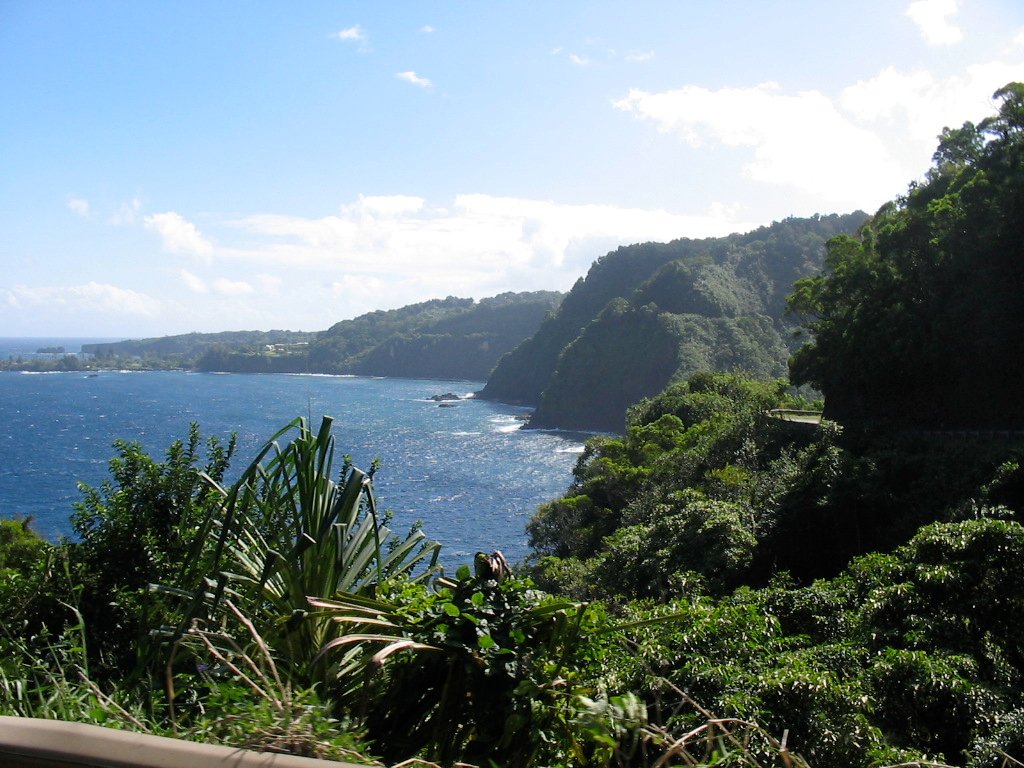
Rainforest, coast, bridges, cultural places, and communities form a full-day road journey rather than a race to town. Allow 10–12 hours or an overnight. Leave early in settled weather and select a few legal stops. Certain parks and private attractions require reservation. Fuel, parking, entry, and tour costs vary. Never trespass, block roads, or enter flash-flood water. It is best suited to patient road-trippers and nature travelers; on a short stay, keep Road to Hāna only when access and geography suit that day.
Responsible snorkeling beach
Maui’s reefs can reveal fish and turtles when conditions, access, and ability align. Allow 2–4 hours. Go early before wind and only under safe flags and lifeguard guidance. No public-beach reservation is usual; tours may need booking. Beach access is generally free; gear and parking vary. Never touch wildlife or stand on coral and use reef-conscious sun protection. It is best suited to confident swimmers and families; On a short Maui visit, Responsible snorkeling beach should not force a cross-destination transfer.
Upcountry Maui
Farms, paniolo history, small towns, and cooler elevations provide cultural and agricultural context. Allow 4–6 hours. Visit in the morning around confirmed business hours. Farm tours and tastings often require booking. Public roads are free; tours and meals vary. Respect working land and avoid blocking local roads. It is best suited to food, culture, and repeat visitors; time-limited visitors should add Upcountry Maui only when it fits the same area and current conditions.
Seasonal whale or ocean trip
Licensed boats can interpret humpback behavior or coastal geology during suitable seasons and sea conditions. Allow 2–5 hours. Choose a calm morning and current wildlife season. Advance booking is recommended. Vessel size, duration, and equipment affect price. Select operators following legal approach distances and never pressure wildlife. It is best suited to wildlife, couples, and families; visitors with little time should retain Seasonal whale or ocean trip only if it stays near another priority.
A PRACTICAL ROUTE
Suggested itinerary
South-shore arrival
Collect the car, buy supplies, and keep the first beach close to the accommodation.
Haleakalā and Upcountry
Use a reserved summit window or daylight visit, then descend gradually through one Upcountry stop.
South beaches
Choose snorkeling by current conditions and retain the afternoon for a low-driving cultural visit.
Road to Hāna
Drive a limited legal route in daylight or use a responsible small tour.
Rest and coast
Use a slow beach, town, or approved recovery-supporting local business day.
West or ocean
Visit only open, welcomed areas and use a wildlife or boat trip under safe conditions.
Weather buffer
Repeat the best safe beach or use a missed park reservation before an easy airport return.
REALISTIC BUDGET
Estimated travel costs
Maui costs move most with April–May or September–November, booking timing, taxes, and the exact position of a room in Kīhei or Wailea. Recalculate Maui’s dollar comparison when booking. For Maui, the figures here convert US dollar (USD) at August 1, 2026 reference rates and exclude later card charges.
TRAVEL WELL
Practical travel tips
- Check official wildfire-recovery, road, park, surf, and weather notices before every regional day.
- Never enter closed or sensitive community areas and spend through locally welcomed businesses.
- Reserve Haleakalā sunrise, rental cars, Road to Hāna sites, and peak lodging early.
- Do not snorkel alone or in conditions beyond ability; shore-break and current can change quickly.
- Use legal parking and never stop on Hāna Highway bridges or private drives.
- Carry reef-conscious sun protection and never touch turtles, seals, or coral.
- Build a summit cold-weather kit even when the beach is hot.
- Solo women should share trail and road plans and use established beaches and licensed ocean operators.
COMMON QUESTIONS
Maui travel FAQ
How many days do you need in Maui?
6–8 days is a practical first-visit range for Maui. If 6–8 days is not available, keep one compact Maui base and Haleakalā National Park summit; additional days are most useful as weather and transport buffers.
Is Maui expensive?
In Maui, a realistic daily planning range is US$170–260 budget; US$380–750 mid-range, per person. Costs rise fastest when a Maui trip combines the most convenient base with peak-season rooms and privately arranged outings.
Do you need a car in Maui?
Yes for a seven-day multi-region route. Maui Bus is useful on limited corridors, but parks, Hāna, and many beaches need a car or licensed tour.
What is the best month to visit Maui?
May and October often balance warm weather with lower demand, while whale season and surf conditions follow different calendars.
Is Maui safe for solo female travelers?
Maui is commonly visited by solo women. Ocean, trail, road, and remoteness risks matter most, so share plans and use licensed operators. Recheck official travel advice for Maui, then compare it with the latest conditions affecting Haleakalā National Park summit.
What should you book in advance for Maui?
Reserve the rental car, peak lodging, Haleakalā sunrise, Road to Hāna managed sites, boats, and popular restaurants.
KEEP EXPLORING
Related The Wander Muse guides
PLAN WITH CURRENT INFORMATION
Official resources
For Maui, opening hours, fares, permits, weather rules, and transport arrangements can change. The official sources below are the final reference for Maui schedules, restrictions, and visitor rules.