START HERE
Why visit Luxor
Luxor rewards travelers who combine monumental temples, richly painted tombs, Nile landscapes, archaeological work, and sunrise over the Theban hills with enough time for early entries, shaded midday recovery, local ferry crossings, and one temple understood with a knowledgeable guide. It is especially rewarding for archaeology, history, photography, Nile travel, culture, and first-time Egypt itineraries. Heat, ticket layers, tomb rotations, large distances, persistent sales, and balloon weather reward early starts and clear contracts. East Bank near Luxor Temple is the most balanced first base, West Bank offers quiet mornings near tombs, and A Nile-side resort suits visitors prioritizing rest and pool time. Luxor planning links Luxor International (LXR), licensed driver, East Bank near Luxor Temple, and See Karnak near opening to the six-row Egyptian pound (EGP) costs and 3–4 days itinerary below. Before paying for a Luxor booking, confirm current weather limits, closures, permits, licensed driver, and timed entry through an official source.
AT A GLANCE
Luxor quick travel summary
For Luxor, temple and tomb tickets commonly egp 300–700 each (about us$6–14). Luxor estimates can exclude taxes; verify See Karnak near opening fees, card charges, transport, and seasonal supplements.
WHEN TO GO
Best time to visit
Spring (March–May)
Spring warms rapidly, with dry days, occasional dust, and increasingly hot afternoons. Demand is high around major holidays. Early archaeological visits and museums are the most comfortable rhythm. Desert-camp advice is not relevant to a Cairo or Luxor city base unless separately booked. Protect midday rest and verify site hours around religious dates.
Summer (June–August)
Summer is extremely hot and dry, with intense sun and warm nights. International demand is lower, but indoor and dawn periods remain the only comfortable windows for many travelers. Temples, pyramids, and tombs require very early starts rather than broad daylight touring. Carry water, use shade, and avoid exposed midday itineraries.
Autumn (September–November)
Autumn cools gradually, with dry air and comfortable evenings after a hot September. Visitor pressure rises toward November. Long archaeological mornings, Nile-side time, and city dining become easier. Popular hotels, guides, and timed attractions book earlier, while dust remains possible. Confirm entry systems and transport before each cross-city or West Bank day.
Winter (December–February)
Winter brings pleasant days, cool evenings, short daylight, and occasional wind or rain. This is peak demand around year-end. Archaeological walking is comfortable, but crowds and premium rooms require reservations. Flash floods matter on some regional roads; cold-camp warnings do not describe ordinary city stays. Pack layers and keep opening-hour changes in view.
ARRIVING
How to get there
Luxor International Airport connects by pre-arranged hotel transfer, licensed taxi, or vetted driver. Trains and Nile cruises link Cairo and Aswan under their own schedules and cabin standards. Confirm which bank the hotel uses and whether a late vehicle or boat transfer is included. From Luxor International (LXR), compare luggage handling and service hours through to East Bank near Luxor Temple; the cheapest Luxor fare may leave an impractical final connection. For a late Luxor International (LXR) arrival, get the Luxor transfer instructions in writing and decline undocumented rides.
MOVING AROUND
Getting around
The East Bank contains Karnak, Luxor Temple, stations, and most city services; the West Bank spreads tombs and temples across a broad archaeological landscape. Use the public ferry or licensed boat between banks and a vetted driver for the West Bank, agreeing the site order and waiting time. Group Karnak early with an East Bank recovery period, the West Bank as one or two full mornings, Luxor Temple near sunset, and any balloon kept weather-dependent. This Luxor order avoids repeated transfers and keeps Give the West Bank a full day available when weather, queues, or transport disrupt See Karnak near opening. Accessible Luxor plans should verify licensed driver boarding, surfaces, restrooms, and the final approach to See Karnak near opening.
CHOOSE A BASE
Where to stay
East Bank near Luxor Temple — best for first-time logistics
Restaurants, station access, Karnak transport, riverfront hotels, and evening temple walks simplify a short stay. Traffic and sales pressure vary along busy streets. For East Bank near Luxor Temple, verify the exact Luxor block, evening access, transfer time, and cancellation terms.
West Bank — best for quiet mornings near tombs
Guesthouses, fields, mountain views, and short drives to archaeological areas support a slower visit. Evening dining and airport access require ferry or car planning. A room labeled West Bank can still be inconvenient in Luxor; check its location, after-dark route, and connection.
A Nile-side resort — best for rest and pool time
Space, pools, and organized drivers help travelers recover from hot archaeological mornings. Some properties are isolated from local streets and independent meals. Before selecting A Nile-side resort, compare the Luxor walking distance, luggage transfer, late arrival plan, and refund terms.
PLAN YOUR DAYS
Best things to do
See Karnak near opening
Karnak’s precincts, columns, reliefs, processional routes, and long building history require more than a quick photo corridor. Allow 3–5 hours. Enter at opening, use a licensed Egyptologist, and carry shade and water. Entry commonly costs several hundred EGP, with current visitor categories and add-ons.. See Karnak near opening must fit the traveler’s ability and current Luxor conditions; wildlife distances remain firm.
Give the West Bank a full day
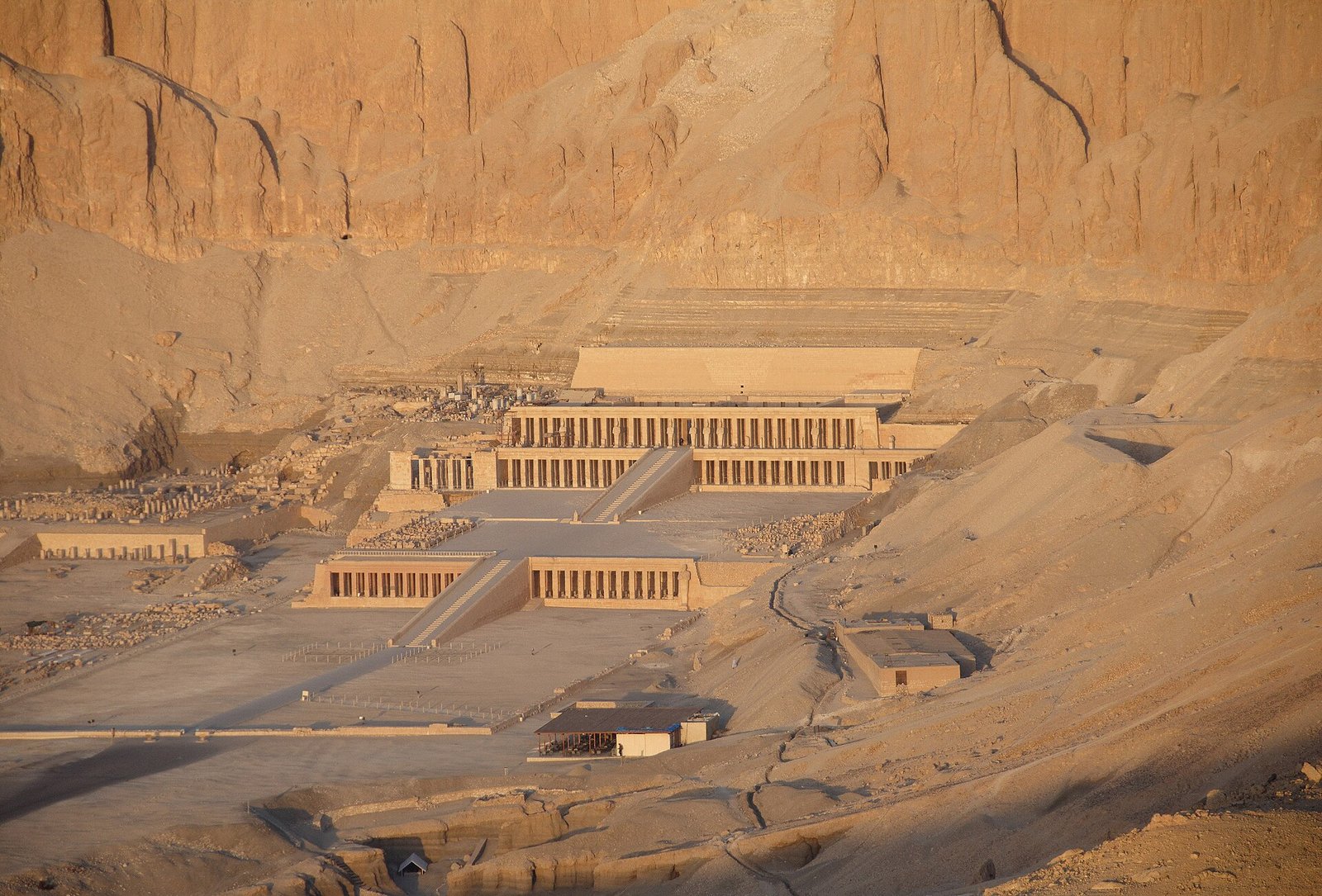
The West Bank combines the Valley of the Kings, selected tombs, temples, villages, and immense distances. Allow 6–9 hours. Choose tomb add-ons before the ticket office, start early, and use a driver with a written site sequence. Base tickets and premium tombs are separate and can total EGP 1,500–3,500 (about US$30–70).. Before Give the West Bank a full day, verify Luxor access, then assess the fitness demands and return connection for Give the West Bank a full day.
Choose tomb add-ons before reaching the ticket office
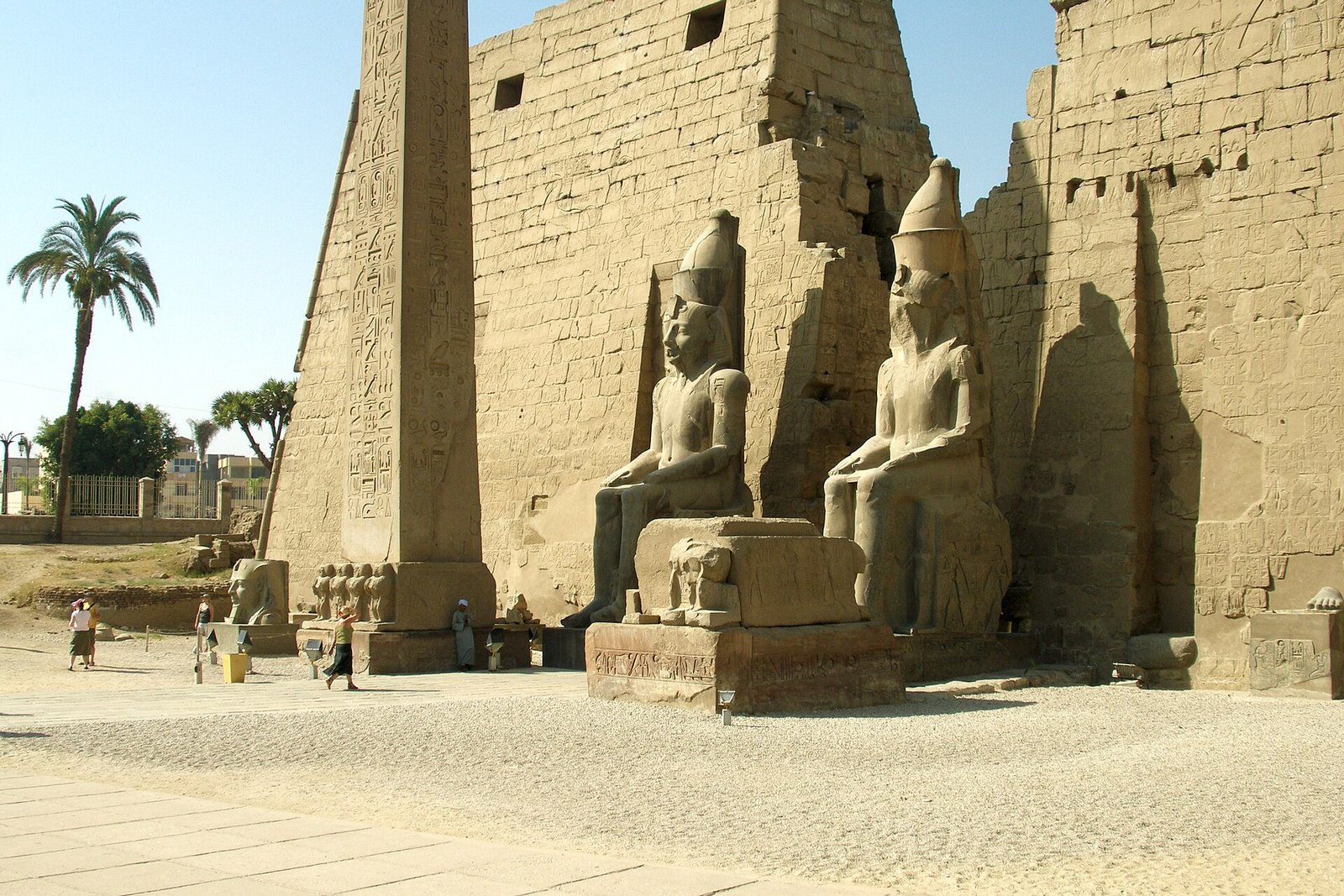
Luxor Temple is especially atmospheric from late afternoon into illuminated evening hours. Allow 2–3 hours. Check current hours, arrive before sunset, and pair it with the Avenue of Sphinxes only if walking conditions suit. Entry commonly costs several hundred EGP.. For Choose tomb add-ons before reaching the ticket office, let Luxor access rules and staff instructions set the safe limit.
Visit Luxor Temple near sunset
A hot-air balloon offers a powerful landscape view but depends entirely on licensed operations and wind. Allow 3–5 hours including pickup. Use a reputable company, review safety and cancellation terms, and accept cancellation without pressure. Flights commonly cost EGP 3,000–7,500 (about US$60–150) depending on operator and season.. Confirm transport to Visit Luxor Temple near sunset, then follow any Luxor closure, barrier, or guide direction.
Luxor Museum, mummification collections, and Nile context
Luxor Museum and related collections add object-level context, conservation, and a cooler counterpoint to monumental sites. Allow 2–4 hours. Verify museum hours and photography rules, then combine with a planned river or corniche period. Museum tickets are separate and generally cost several hundred EGP.. Luxor Museum, mummification collections, and Nile context must fit the traveler’s ability and current Luxor conditions; wildlife distances remain firm.
A PRACTICAL ROUTE
Suggested itinerary
Arrive and orient
Reach East Bank near Luxor Temple, settle in near East Bank near Luxor Temple, check licensed driver hours, and orient only around the route to See Karnak near opening.
See Karnak near opening
Give the first full day to see karnak near opening. After See Karnak near opening, eat near East Bank near Luxor Temple instead of adding a cross-Luxor transfer.
Give the West Bank a full day
Build the next day around give the west bank a full day, adding choose tomb add-ons before reaching the ticket office only if Luxor access and the transfer from East Bank near Luxor Temple remain practical.
A different side of the destination
Use West Bank or A Nile-side resort to reach visit luxor temple near sunset with less backtracking. Keep an independent meal, rest, or indoor alternative.
Flexible priority and departure
Choose luxor museum, mummification collections, and nile context, repeat time near East Bank near Luxor Temple, or recover See Karnak near opening after a weather delay. End the Luxor route with a real buffer for luggage, traffic, security, and the Luxor International (LXR) connection.
REALISTIC BUDGET
Estimated travel costs
Luxor costs move most with October–April, the location of East Bank near Luxor Temple, and the choice between licensed driver and private transfers. For Luxor, let the final Egyptian pound (EGP) total control the decision. For Luxor, its August 1, 2026 dollar conversion may differ at checkout.
TRAVEL WELL
Practical travel tips
- Begin archaeological sites at opening and protect the hottest hours for rest or museums.
- Choose West Bank tomb add-ons before arriving at the ticket office.
- Use a licensed Egyptologist and agree driver route, waiting time, and overtime in writing.
- Buy tickets only from official counters or portals and keep them accessible.
- Use reputable balloon companies and accept weather cancellation without seeking an unsafe substitute.
- Carry water, shade, sturdy footwear, and small EGP for ordinary tips without overpaying under pressure.
- Dress respectfully in town and ask before photographing residents, workers, or worship.
- Solo women should pre-arrange late airport or bank transfers, set firm boundaries with guides and drivers, and change providers if conduct feels inappropriate.
COMMON QUESTIONS
Luxor travel FAQ
How many days do you need in Luxor?
3–4 days is a realistic first-visit range for Luxor. If 3–4 days is not possible, keep East Bank near Luxor Temple and See Karnak near opening; extra Luxor days should absorb recovery, weather, or reservation changes.
Is Luxor expensive?
A practical daily planning range is EGP 2,200–4,000 (about US$44–80) budget; EGP 6,000–12,000 (about US$120–240) mid-range, per person. For Luxor, room location, peak dates, private transport, permits, and guided access to See Karnak near opening drive the largest increases; compare full inclusions, not headline prices.
Should you stay on the East or West Bank?
East Bank is easiest for transport, dining, Karnak, and Luxor Temple; West Bank is quieter and closer to tombs. A split is optional, not necessary.
How many West Bank days do you need?
One early full day covers major priorities; two mornings allow more tombs and temples without rushing in heat.
Are Luxor balloon flights safe?
Risk depends on operator, regulation, equipment, and weather. Choose a reputable licensed company and accept any safety cancellation.
What should you book first?
Reserve the hotel bank, airport transfer, licensed guide, any reputable balloon, and onward cruise, train, or flight first.
KEEP EXPLORING
Related The Wander Muse guides
PLAN WITH CURRENT INFORMATION
Official resources
Opening hours, fares, permits, weather rules, and transport arrangements in Luxor can change. The official sources below are the final reference for Luxor schedules, restrictions, and visitor rules.