
START HERE
Why visit Las Vegas
Las Vegas combines large-scale entertainment, restaurants, design, museums, and quick access to Mojave Desert landscapes, but resort fees, distances, and heat make spontaneous planning expensive. It suits shows, food, nightlife, couples, groups, pools, design, and desert day trips and works best when A focused Strip walk and A major production show stay on separate compact days. A first visit works best when A focused Strip walk, A major production show, and Downtown and Neon Museum are arranged around realistic transport and weather windows. The central Strip is easiest for a first visit, the north Strip or Downtown can offer value and nightlife, and off-Strip resorts suit quieter pools or drivers. Las Vegas planning connects Harry Reid International Airport (LAS), walking within one strip zone, Central Strip, and A focused Strip walk with the six-row US dollar (USD) budget and 3–4 days route below. Before booking Las Vegas, use the linked authorities to verify opening days, walking within one strip zone, and any timed entry for A focused Strip walk.
AT A GLANCE
Las Vegas quick travel summary
Las Vegas prices are planning ranges rather than quotes. Ask for the complete Las Vegas price in writing, including taxes, payment fees, booking terms, and any connection from Harry Reid International Airport (LAS).
WHEN TO GO
Best time to visit
Spring (March–May)
Across Las Vegas, expect warm days, cooler evenings, and generally comfortable sightseeing; conditions near A focused Strip walk can vary. Crowds and prices are high around holidays and festivals. This period creates better conditions for A focused Strip walk in Las Vegas; the main drawback is that in Las Vegas, midday heat increases quickly by late spring. Extreme heat, convention calendars, pool and show schedules, holiday weekends, and flash-flood warnings often matter more than the advertised room rate. Recheck Las Vegas weather and the operating status of A focused Strip walk shortly before any weather-sensitive or reservation-dependent day.
Summer (June–August)
Across Las Vegas, expect extreme daytime heat and strong air-conditioning indoors; conditions near A major production show can vary. For Las Vegas, hotel prices are lower for hotels, although indoor attractions can be busy. For Las Vegas, this window favors A major production show. Schedule it only after accounting for the fact that in Las Vegas, long outdoor plans can be unsafe and impractical. Extreme heat, convention calendars, pool and show schedules, holiday weekends, and flash-flood warnings often matter more than the advertised room rate. Recheck Las Vegas weather and the operating status of A focused Strip walk shortly before any weather-sensitive or reservation-dependent day.
Autumn (September–November)
Across Las Vegas, expect heat easing gradually into pleasant evenings; conditions near Downtown and Neon Museum can vary. Demand and prices are rising as outdoor conditions improve. Downtown and Neon Museum is the most practical Las Vegas focus during this period. The limitation is that in Las Vegas, September can still feel intensely hot. Extreme heat, convention calendars, pool and show schedules, holiday weekends, and flash-flood warnings often matter more than the advertised room rate. Recheck Las Vegas weather and the operating status of A focused Strip walk shortly before any weather-sensitive or reservation-dependent day.
Winter (December–February)
Across Las Vegas, expect mild days and cooler nights; conditions near Red Rock Canyon can vary. For Las Vegas, crowds and prices are at peak levels, with premium room rates. This period creates better conditions for Red Rock Canyon in Las Vegas; the main drawback is that in Las Vegas, popular timed entries and camps need advance booking. Extreme heat, convention calendars, pool and show schedules, holiday weekends, and flash-flood warnings often matter more than the advertised room rate. Recheck Las Vegas weather and the operating status of A focused Strip walk shortly before any weather-sensitive or reservation-dependent day.
ARRIVING
How to get there
LAS is close to the Strip, but walking from the airport is not practical. Licensed taxis use marked ranks and rideshare pickups are assigned to specific garage levels; RTC buses are cheapest but slow with luggage. Hotel shuttles are not universal. Compare the full transfer price, including tunnel route or surge pricing, before departure. A rental car is unnecessary for a Strip-only trip and adds resort parking, but it is useful for Red Rock Canyon or a wider Nevada and Utah route. Confirm pickup location through official airport signage rather than following solicitations.
MOVING AROUND
Getting around
Strip resorts look adjacent but entrances, bridges, casinos, and climate-controlled corridors turn short map distances into long walks. Divide the boulevard into south, center, and north zones. RTC buses cover the corridor and Downtown, while the Monorail serves selected east-side properties rather than the airport. Taxis cannot stop everywhere, and rideshare zones are often deep inside garages. Use a car only for regional days. In summer, move outdoors early or after sunset and never walk highway shoulders between resorts. For a 3–4 days visit, group A focused Strip walk with A major production show, then protect Downtown and Neon Museum for the strongest weather or access window. A focused Strip walk and A major production show belong on separate compact Las Vegas stages; that leaves room for a delayed walking within one strip zone connection. Accessible Las Vegas planning needs four checks: walking within one strip zone boarding, surfaces, restrooms, and the final approach to A focused Strip walk.
CHOOSE A BASE
Where to stay
Central Strip — best for first-time visitors
Major resorts, restaurants, shows, and fountains are concentrated around a practical central position. Base rates hide resort fees and rooms can be far from the street.
Downtown Las Vegas — best for budget and old-Vegas nightlife
Fremont Street, smaller casinos, museums, and often lower rooms create a different city experience. Reaching Strip shows takes transport and some surrounding blocks require more late-night awareness.
Off-Strip or Henderson — best for quieter stays and drivers
Larger rooms, pools, parking, and less casino intensity can suit families or road trips. Daily Strip transfers consume time and rideshare savings can disappear.
PLAN YOUR DAYS
Best things to do
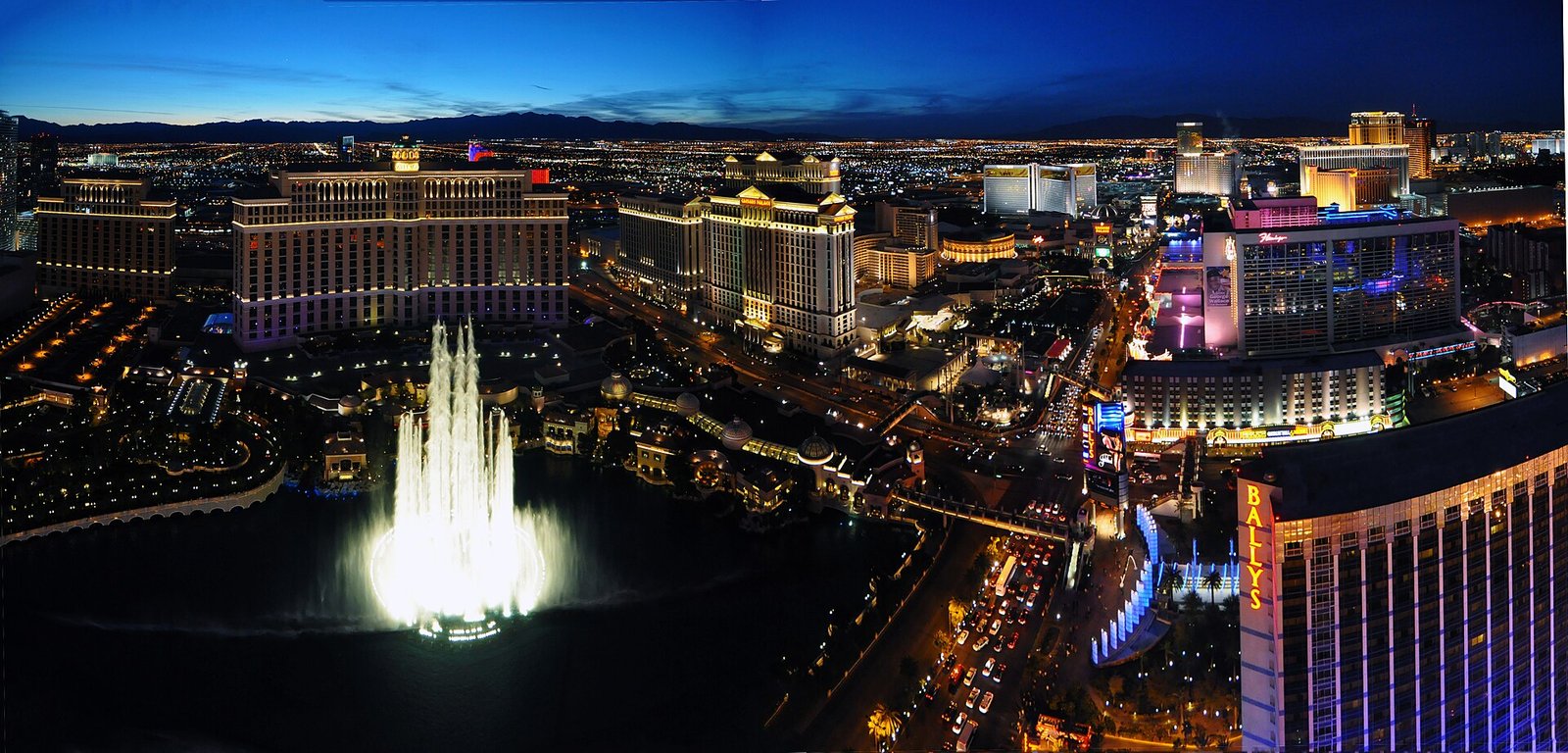
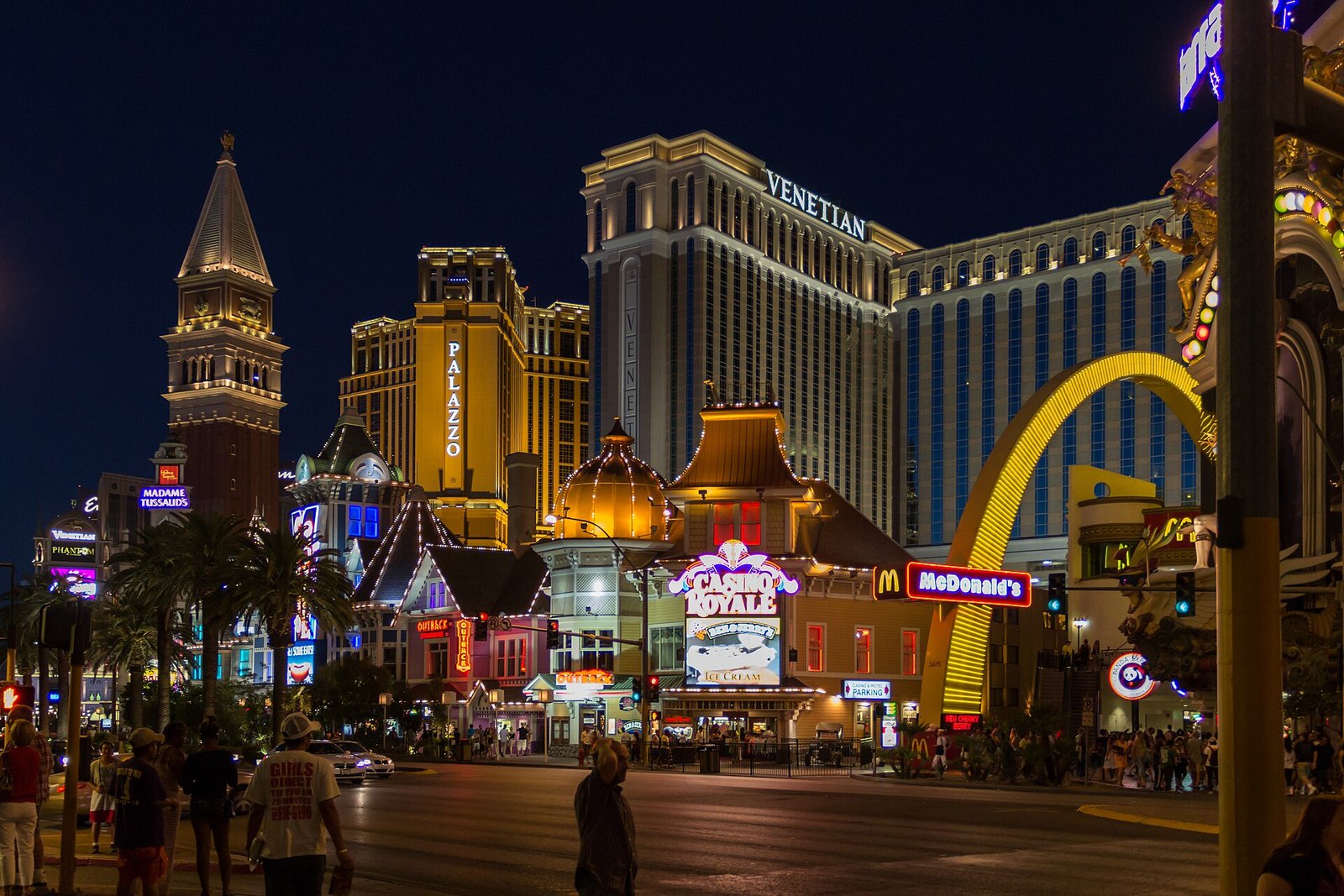
A focused Strip walk
Architecture, public art, conservatories, fountains, and resort interiors form a free urban spectacle when grouped by zone. Allow 3–5 hours. Walk one zone in cool morning or evening conditions. No reservation is needed for public areas; specific attractions may. Walking is free, while observation decks and exhibits charge. Wear supportive shoes and use legal pedestrian crossings. It is best suited to first-time visitors and architecture travelers; time-limited visitors should add A focused Strip walk only when it fits the same area and current conditions.
A major production show
Purpose-built theaters host residencies, circus, magic, comedy, and concerts that define modern Las Vegas entertainment. Allow 2–3 hours. Choose the date before building dinner and transport plans. Advance official tickets are recommended. Prices vary by seat, fees, artist, and date. Buy only through the venue or authorized seller and allow security time. It is best suited to couples, groups, and performance travelers; On a short Las Vegas visit, A major production show should not force a cross-destination transfer.
Downtown and Neon Museum
Historic signs and older casino streets explain the city beyond the contemporary Strip. Allow 4–6 hours. Use a timed museum visit near sunset, then remain Downtown. Advance timed entry is usually required for popular evening slots. Museum admission and transport are separate. Use a known ride for late returns beyond active streets. It is best suited to history, design, and repeat visitors; on a short stay, keep Downtown and Neon Museum only when access and geography suit that day.
Red Rock Canyon
Sandstone cliffs, desert plants, and a scenic loop provide a nearby natural counterpoint. Allow Half day. Go early in cool weather and avoid summer midday exposure. Timed vehicle entry may be required seasonally. Federal recreation fees and tour costs vary. Carry water, respect closures, and never enter washes during flood warnings. It is best suited to hikers and road-trippers; visitors with little time should retain Red Rock Canyon only if it stays near another priority.
Mob Museum
Interactive exhibits connect organized crime, law enforcement, prohibition, and city development in a restored courthouse. Allow 2–4 hours. Use a hot afternoon or Downtown day. Timed official tickets can help on weekends. Paid admission applies; special experiences cost extra. Allow enough time rather than treating it as a quick photo stop. It is best suited to history travelers and adults; time-limited visitors should add Mob Museum only when it fits the same area and current conditions.
A PRACTICAL ROUTE
Suggested itinerary
Central Strip
Check in, understand the resort layout, and walk only the central zone before a nearby dinner.
South and show
Use morning for southern resorts, rest during heat, then attend one reserved show with transport time.
Red Rock Canyon
Take an early timed drive or responsible tour, return before evening traffic, and avoid stacking another long excursion.
Downtown
Visit the Mob or Neon Museum and keep Fremont Street, dinner, and the return in one district.
REALISTIC BUDGET
Estimated travel costs
Las Vegas costs move most with March–April or October–November, booking timing, taxes, and the exact position of a room in Central Strip. Las Vegas’s dollar figures use August 1, 2026 reference rates; recalculate them before payment.
TRAVEL WELL
Practical travel tips
- Compare the total room cost after resort fees, taxes, parking, and deposit holds.
- Map the actual hotel entrance and rideshare zone, not only the property pin on the Strip.
- Never cross outside pedestrian bridges and marked crossings; traffic is fast and barriers are deliberate.
- Carry water and avoid exposed desert or Strip walking during extreme-heat warnings.
- Set a gambling and alcohol budget before arrival and never chase losses.
- Book headline shows, restaurants, pool access, and convention-week rooms early.
- Use official casino cashiers and ATMs while protecting cards and withdrawal limits.
- Solo women should use active routes and official pickup zones at night and never accept unsolicited rides or drinks.
COMMON QUESTIONS
Las Vegas travel FAQ
How many days do you need in Las Vegas?
3–4 days is a practical first-visit range for Las Vegas. If 3–4 days is not available, keep one compact Las Vegas base and A focused Strip walk; additional days are most useful as weather and transport buffers.
Is Las Vegas expensive?
In Las Vegas, a realistic daily planning range is US$110–190 budget; US$260–550 mid-range, per person. The main premiums are well-placed accommodation, travel during March–April or October–November, and private or guided versions of A focused Strip walk.
Do you need a car in Las Vegas?
No for the Strip and Downtown. Use buses, monorail, taxis, and rideshare; rent a car only for regional parks or an onward road trip.
What is the best month to visit Las Vegas?
March and November usually provide comfortable outdoor temperatures, but convention and event dates can still raise prices.
Is Las Vegas safe for solo female travelers?
Las Vegas is manageable for solo women with urban precautions. Use official pickup zones, watch drinks, secure valuables, and avoid empty service corridors. Before departing for Las Vegas, review current government advice alongside local weather and transport notices.
What should you book in advance for Las Vegas?
Reserve the full-price room, headline shows, priority restaurants, Red Rock timed entry when required, and special-event transport.
KEEP EXPLORING
Related The Wander Muse guides
PLAN WITH CURRENT INFORMATION
Official resources
For Las Vegas, opening hours, fares, permits, weather rules, and transport arrangements can change. Before leaving for Las Vegas, confirm the details that affect A focused Strip walk directly with the official links below.