
START HERE
Why visit Iguazú Falls
Iguazú Falls rewards travelers who combine immense subtropical waterfalls, rainforest trails, wildlife, boardwalk engineering, and two national-park perspectives with enough time for early park trains, forest interpretation, quiet hotel evenings, and enough time for weather or border delay. It is especially rewarding for waterfalls, wildlife, photography, families, couples, and short nature breaks. The Argentine and Brazilian sides use separate borders, tickets, transport, currencies, and opening conditions; a single rushed day is fragile. Puerto Iguazú is the most balanced first base, Foz do Iguaçu offers brazilian access and flights, and An in-park or forest lodge suits visitors prioritizing early nature access. Iguazú Falls planning links Puerto Iguazú (IGR) or Foz do Iguaçu (IGU), park bus or train, Puerto Iguazú, and Give the Argentine side a full day to the six-row Argentine peso (ARS) and Brazilian real (BRL) costs and 2–3 days itinerary below. Before paying for a Iguazú Falls booking, confirm current weather limits, closures, permits, park bus or train, and timed entry through an official source.
AT A GLANCE
Iguazú Falls quick travel summary
For Iguazú Falls, each national park commonly costs the local equivalent of us$20–40. Iguazú Falls estimates can exclude taxes; verify Give the Argentine side a full day fees, card charges, transport, and seasonal supplements.
WHEN TO GO
Best time to visit
Late wet season (March–May)
Autumn is warm and humid, with changing rainfall and generally strong water flow. Crowds ease after Easter. Boardwalks, both national parks, and a regulated boat outing can fit a compact visit. High water may close lower circuits or boat operations, while wet surfaces become slippery. Check each park’s official status before crossing the border.
Dry season (June–August)
Winter is cooler and usually less humid, with comfortable walking conditions and variable falls volume. July holidays raise demand. The main circuits and viewpoints are easier in the midday temperatures. This is a waterfall and rainforest visit, not a beach season; wind and low water can still affect spray and boats. Carry a light layer and confirm park hours.
Hot shoulder season (September–November)
Spring becomes hotter and wetter, with rising water, active wildlife, and increasing visitor pressure. Early starts improve boardwalk comfort and border transfers. Thunderstorms or high water can close individual circuits quickly. Keep the Argentine and Brazilian sides on separate days and avoid a fixed flight immediately after the border-crossing day.
Wet season (December–February)
Summer is very hot, humid, rainy, and busy around holidays. The falls can be powerful, but heat and heavy spray make long boardwalk days tiring. Flooding, lightning, and extreme river levels may suspend boats or close walkways. Begin at opening time, carry water, and follow park instructions rather than attempting a closed circuit.
ARRIVING
How to get there
Fly to Puerto Iguazú in Argentina or Foz do Iguaçu in Brazil, choosing the airport by the first park side and onward route. International transfers require valid documents and customs time even for a short ride. Confirm whether the driver waits through immigration and whether visas or entry requirements apply to every passport. From Puerto Iguazú (IGR) or Foz do Iguaçu (IGU), compare luggage handling and service hours through to Puerto Iguazú; the cheapest Iguazú Falls fare may leave an impractical final connection. For a late Puerto Iguazú (IGR) or Foz do Iguaçu (IGU) arrival, get the Iguazú Falls transfer instructions in writing and decline undocumented rides.
MOVING AROUND
Getting around
Each national park operates its own internal transport and trail system. Public buses can connect towns, airports, and entrances, while a licensed cross-border driver simplifies luggage or early starts. Keep both park days separate and never place an outbound flight immediately after border formalities. Group a full Argentine-side trail day, a separate Brazilian panorama day, and one buffer for rain, boats, wildlife, or the onward border and airport transfer. This Iguazú Falls order avoids repeated transfers and keeps See the Brazilian panorama on a separate half-day available when weather, queues, or transport disrupt Give the Argentine side a full day. Accessible Iguazú Falls plans should verify park bus or train boarding, surfaces, restrooms, and the final approach to Give the Argentine side a full day.
CHOOSE A BASE
Where to stay
Puerto Iguazú — best for Argentine park access
Restaurants, buses, and broad lodging support the longer Argentine trail network. Crossing to Brazil adds border time and airport choice matters. A room labeled Puerto Iguazú can still be inconvenient in Iguazú Falls; check its location, after-dark route, and connection.
Foz do Iguaçu — best for Brazilian access and flights
A larger city, transport options, and proximity to the Brazilian park suit onward travel. The Argentine side becomes a full international day. Before selecting Foz do Iguaçu, compare the Iguazú Falls walking distance, luggage transfer, late arrival plan, and refund terms.
An in-park or forest lodge — best for early nature access
Staying close to protected forest can reduce entrance travel and create quiet wildlife time. Rates are high and independent dining or town errands are limited. For An in-park or forest lodge, verify the exact Iguazú Falls block, evening access, transfer time, and cancellation terms.
PLAN YOUR DAYS
Best things to do
Give the Argentine side a full day
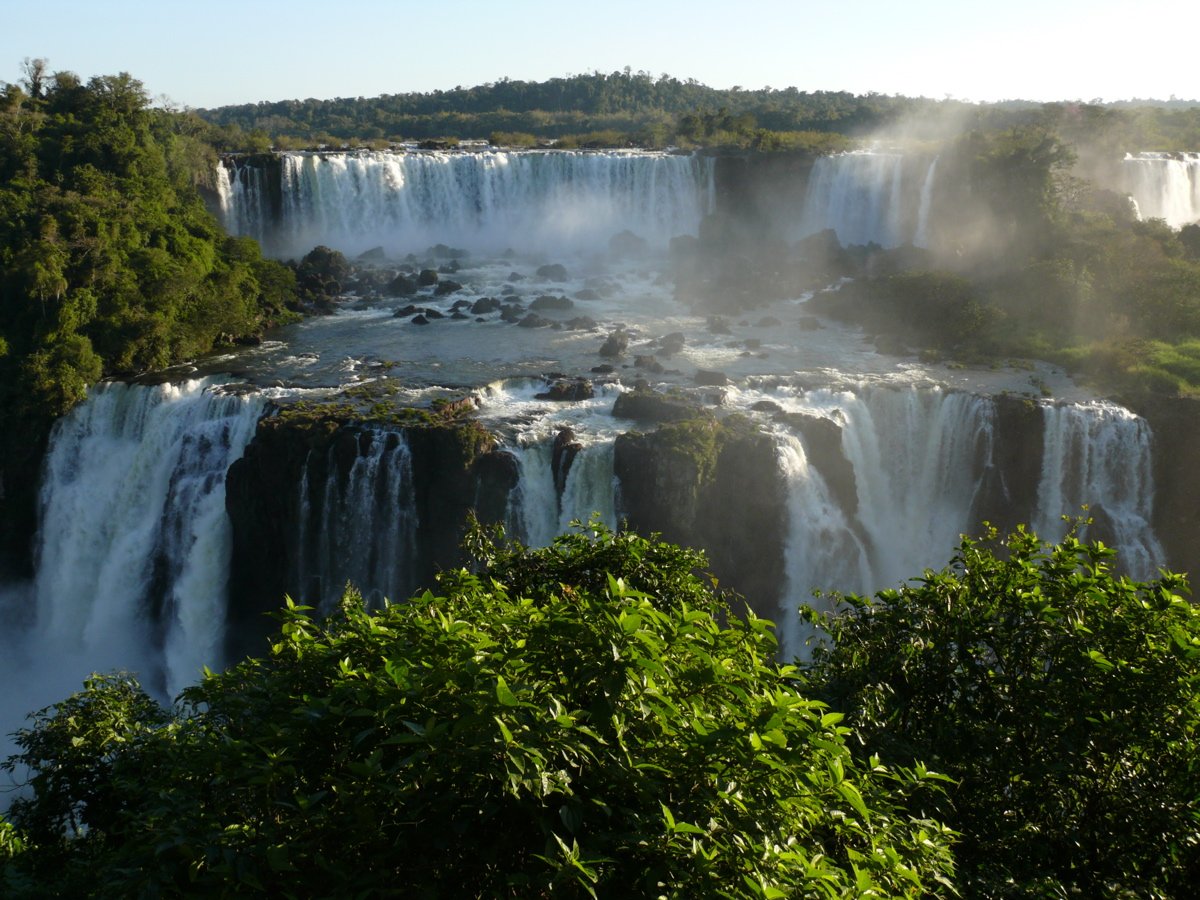
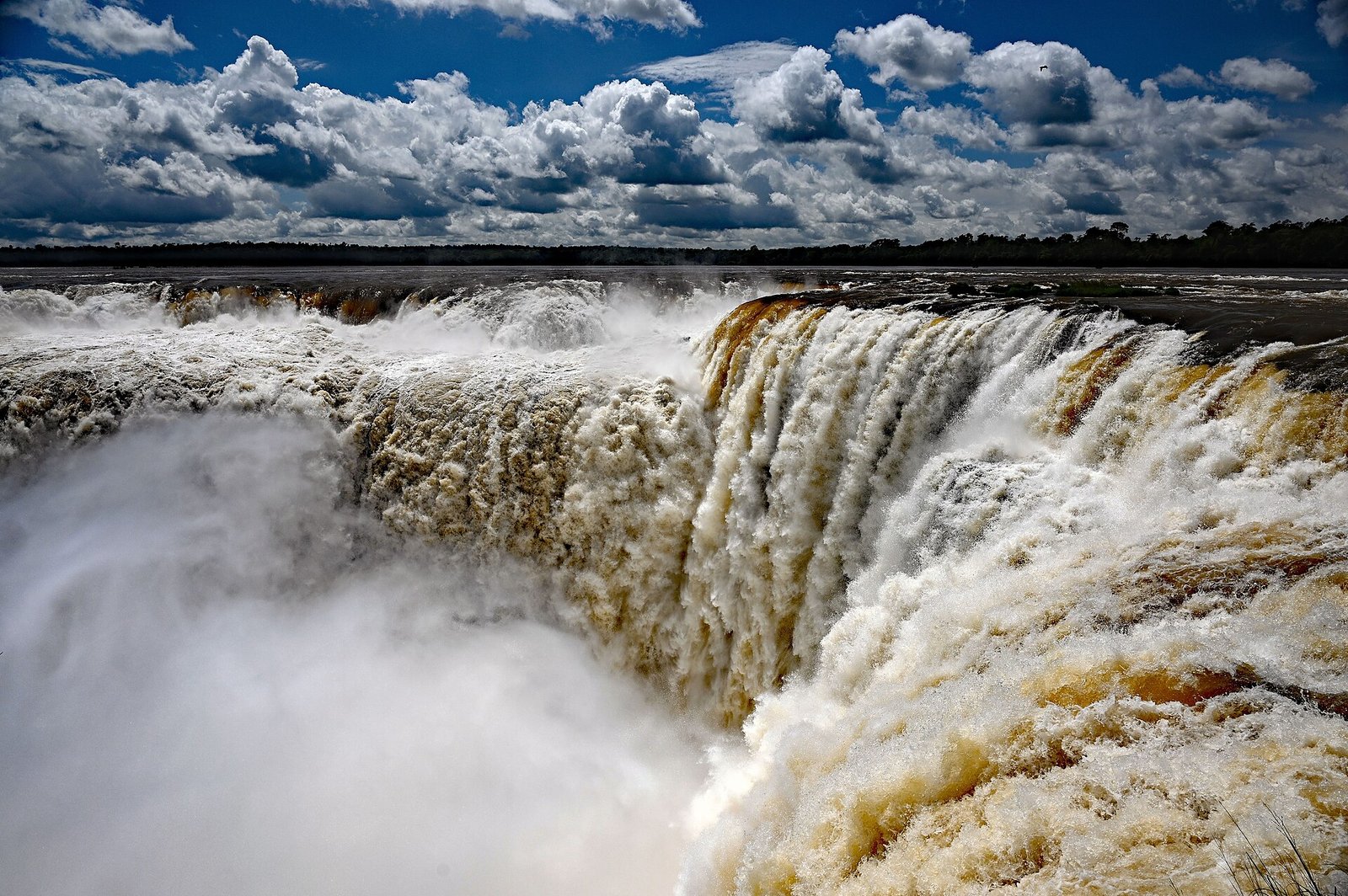
The Argentine side provides extensive upper, lower, and Devil’s Throat circuits when water and infrastructure permit. Allow 6–9 hours. Arrive near opening, check which circuits operate, protect electronics from spray, and follow train boarding rules. Park entry is paid in ARS and can change by visitor category.. Give the Argentine side a full day must fit the traveler’s ability and current Iguazú Falls conditions; wildlife distances remain firm.
See the Brazilian panorama on a separate half-day
The Brazilian side offers the broadest panorama and a concentrated sequence of viewpoints across the river. Allow 3–5 hours. Use official park transport, expect spray, and combine it only with nearby activities. Park entry is paid in BRL and uses the current official booking process.. Before See the Brazilian panorama on a separate half-day, verify Iguazú Falls access, then assess the fitness demands and return connection for See the Brazilian panorama on a separate half-day.
Prepare documents for the border crossing
A regulated boat can approach powerful water but is physically wet, loud, and subject to river conditions. Allow 1–2 hours plus transfer. Use the authorized operator, disclose medical issues, secure electronics, and accept cancellation under unsafe flow. Boat experiences commonly cost roughly US$60–110 equivalent.. For Prepare documents for the border crossing, let Iguazú Falls access rules and staff instructions set the safe limit.
Use waterproof protection near major walkways
Rainforest boardwalks support coatis, birds, butterflies, and plant life, but wildlife must never be fed. Allow 2–5 hours within park days. Secure food, keep distance, walk slowly on wet surfaces, and follow closures. Trail access is generally bundled into national-park entry.. Confirm transport to Use waterproof protection near major walkways, then follow any Iguazú Falls closure, barrier, or guide direction.
A responsible Atlantic Forest or birding experience
A responsible birding or forest outing adds ecological depth beyond the principal waterfall platforms. Allow 3–6 hours. Choose a conservation-linked guide, start early, wear insect protection, and avoid captive-wildlife handling. Guided forest and birding experiences often cost US$30–120 equivalent.. A responsible Atlantic Forest or birding experience must fit the traveler’s ability and current Iguazú Falls conditions; wildlife distances remain firm.
A PRACTICAL ROUTE
Suggested itinerary
Arrive and orient
Reach Puerto Iguazú, settle in near Puerto Iguazú, check park bus or train hours, and orient only around the route to Give the Argentine side a full day.
Give the Argentine side a full day
Give the first full day to give the argentine side a full day. After Give the Argentine side a full day, eat near Puerto Iguazú instead of adding a cross-Iguazú Falls transfer.
See the Brazilian panorama on a separate half-day
Build the next day around see the brazilian panorama on a separate half-day, adding prepare documents for the border crossing only if Iguazú Falls access and the transfer from Puerto Iguazú remain practical.
A different side of the destination
Use Foz do Iguaçu or An in-park or forest lodge to reach use waterproof protection near major walkways with less backtracking. Keep an independent meal, rest, or indoor alternative.
Flexible priority and departure
Choose a responsible atlantic forest or birding experience, repeat time near Puerto Iguazú, or recover Give the Argentine side a full day after a weather delay. End the Iguazú Falls route with a real buffer for luggage, traffic, security, and the Puerto Iguazú (IGR) or Foz do Iguaçu (IGU) connection.
REALISTIC BUDGET
Estimated travel costs
Iguazú Falls costs move most with March–May or August–October, the location of Puerto Iguazú, and the choice between park bus or train and private transfers. Recalculate Iguazú Falls’s dollar comparison when booking. The figures here convert Argentine peso (ARS) and Brazilian real (BRL) at August 1, 2026 reference rates and exclude later card charges.
TRAVEL WELL
Practical travel tips
- Give the Argentine and Brazilian parks separate days rather than racing across the border midday.
- Verify passport, visa, vaccination, and entry requirements for every nationality before booking transfers.
- Check current trail, high-water, train, road, and boat conditions each morning.
- Carry a waterproof layer and secure electronics while keeping hands free on wet stairs.
- Never feed coatis, monkeys, or birds; secure every snack inside the park.
- Use official park transport and licensed cross-border drivers.
- Protect a generous buffer before an international flight or long-distance bus.
- Solo women should pre-arrange border transfers, share driver details, and avoid isolated river or forest paths outside staffed park areas.
COMMON QUESTIONS
Iguazú Falls travel FAQ
How many days do you need in Iguazú Falls?
2–3 days is a realistic first-visit range for Iguazú Falls. If 2–3 days is not possible, keep Puerto Iguazú and Give the Argentine side a full day; extra Iguazú Falls days should absorb recovery, weather, or reservation changes.
Is Iguazú Falls expensive?
A practical daily planning range is ARS or BRL equivalent of US$90–170 budget; US$220–420 mid-range, per person. For Iguazú Falls, room location, peak dates, private transport, permits, and guided access to Give the Argentine side a full day drive the largest increases; compare full inclusions, not headline prices.
Which side of Iguazú Falls is better?
The Argentine side offers longer trails and close perspectives; the Brazilian side delivers the strongest panorama. Both are complementary.
Can you visit both sides in one day?
It is possible but fragile because immigration, traffic, weather, and park queues vary. Separate days produce a calmer and more complete visit.
Do you get wet?
Usually near major platforms and certainly on boat experiences. Use quick-dry clothing, secure electronics, and choose footwear with grip.
What should you book first?
Reserve peak rooms, flights into the correct side, cross-border transport, and any regulated boat first; keep the order flexible around water conditions.
KEEP EXPLORING
Related The Wander Muse guides
PLAN WITH CURRENT INFORMATION
Official resources
Opening hours, fares, permits, weather rules, and transport arrangements in Iguazú Falls can change. Use these official links to confirm what is operating during March–May or August–October, rather than relying on an older itinerary.